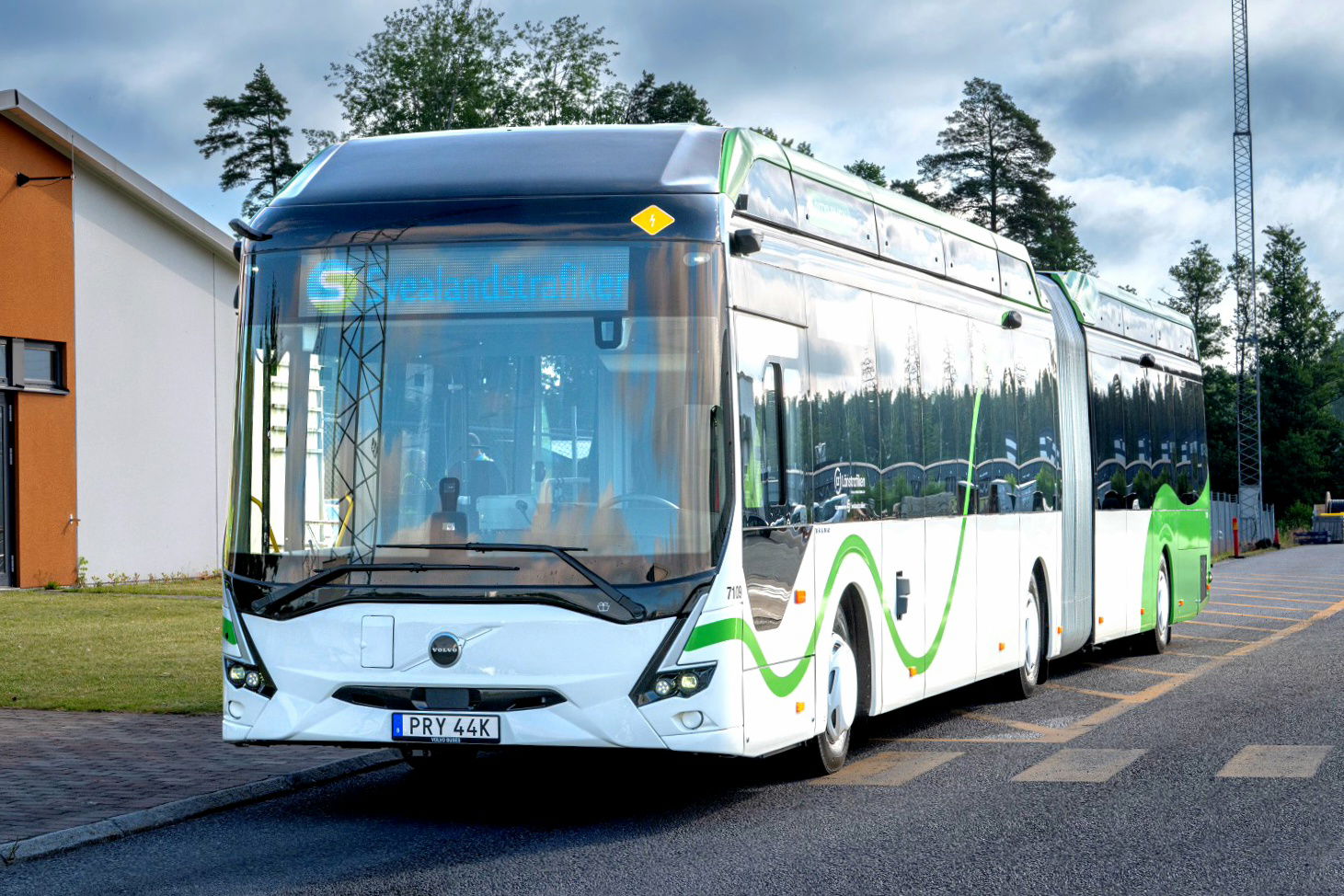
Volvo Buses president says electric propulsion could dominate the manufacturer’s city bus range by 2030
Volvo Buses expects electrically powered vehicles to account for as much as 80% of the company’s global city bus production by 2030. At the same time, the Swedish manufacturer does not anticipate the rapid disappearance of diesel technology, particularly in developing-country markets, where shortcomings in charging infrastructure and financing constraints continue to play a decisive role in vehicle procurement. In a recently published interview, Anna Westerberg, President of Volvo Buses, also spoke about the company’s market strategy, the rise of electromobility and the future of conventional powertrains.
Two key business areas can currently be distinguished within Volvo Buses’ operations. City buses account for around 30% of sales, while regional, intercity and coach buses make up approximately 70%. The two segments have different market characteristics, which fundamentally shape not only the technical design of the vehicles but also the manufacturer’s business strategy. While the city bus market is typically shaped by high-volume, publicly funded procurements, smaller but more regular orders provide more predictable demand in the intercity and coach segments.
Forecasts suggest that the global bus market could expand by an average of around 4% per year until 2030, primarily driven by urbanisation, growing mobility needs and demand for more sustainable public transport. For Volvo, one of the most important areas of growth is the electrification of urban transport; however, owing to the differing economic and infrastructure conditions across regions, the manufacturer does not consider it appropriate to give exclusive priority to a single propulsion technology.
An 80% electric share expected for city buses by 2030
According to Anna Westerberg, the adoption of electric propulsion is fastest in the city bus segment, as these vehicles mostly operate on predetermined routes with predictable daily mileages, making it easier to establish charging infrastructure and plan energy use. In addition, eliminating local emissions and reducing noise pollution are particularly important considerations in densely populated urban environments.
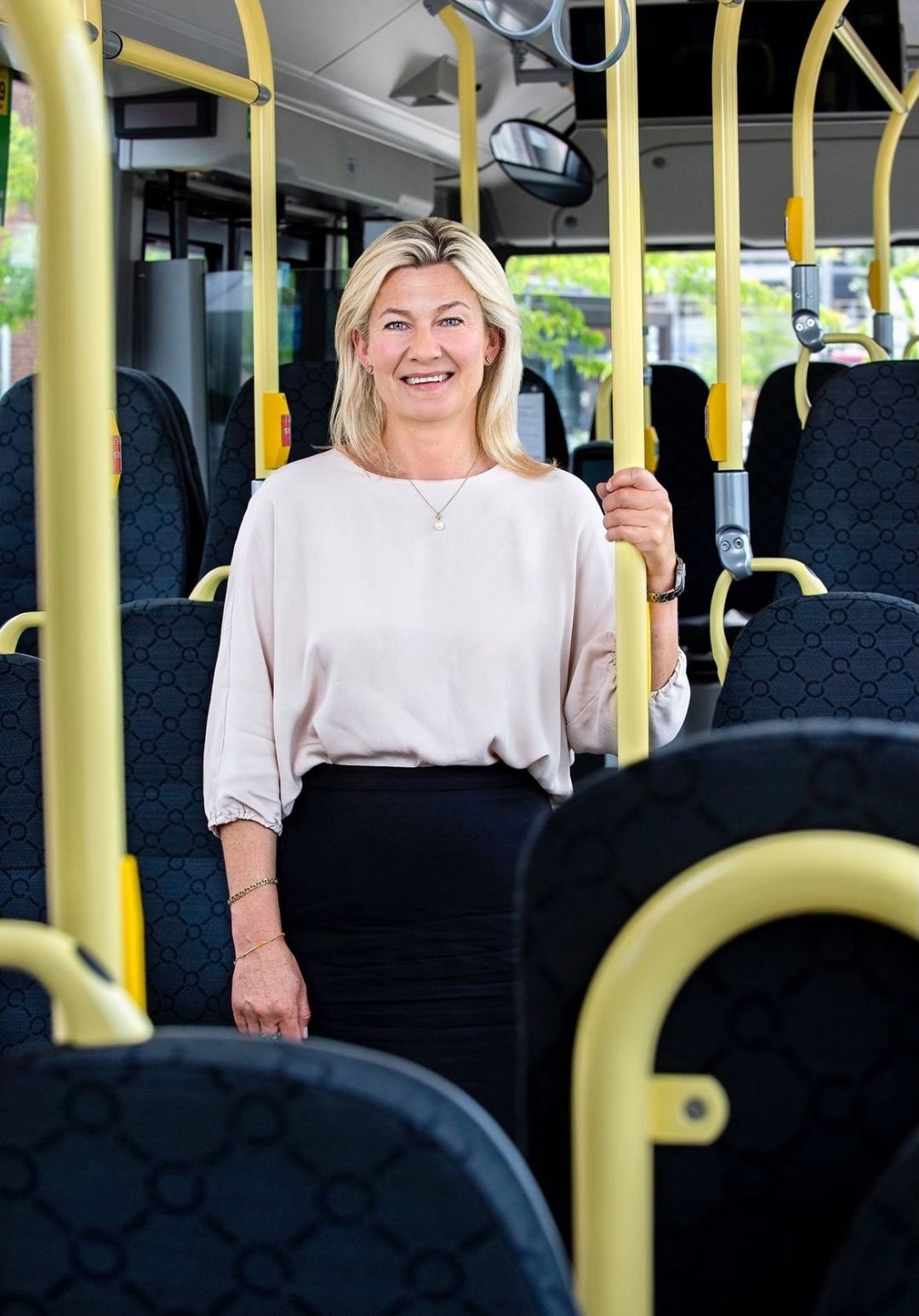
Electrically powered vehicles currently account for around 10% of Volvo Buses’ total bus sales, but the company expects fully electric models to represent a share of around 80% of city bus production by 2030. This points to a significant transformation, although it is important to distinguish between the overall bus business and urban vehicles, as the latter currently account for a smaller share of Volvo’s sales.
Diesel engines will continue to play an important role
Volvo Buses therefore expects to continue using modern diesel engines in the coming years, particularly in developing countries where the infrastructure required for electric transport is not yet available to an adequate standard.
Anna Westerberg stressed that sustainability does not mean the same thing in every market and vehicle category. In her view, the progress represented by the latest generation of lower-fuel-consumption diesel buses compared with earlier vehicles should not be overlooked either. These vehicles can play an important transitional role in the longer-term decarbonisation of transport.
The company’s approach is therefore not based on setting conventional and electric propulsion against one another, but on offering the technology best suited to the technical, economic and operational conditions of the particular market. This is particularly important in developing countries, where modernising public transport can in itself often bring significant advances in terms of energy efficiency, road safety and environmental impact.
Latin America remains a strategic market
High-capacity city buses and BRT systems continue to play a prominent role in Volvo Buses’ international operations, particularly in Latin America, where they have a strong tradition. Over recent decades, the Swedish manufacturer has supplied articulated and bi-articulated buses to numerous major cities, with some individual procurements exceeding 1,000 vehicles.
One of the principal advantages of BRT systems is that they can offer carrying capacity and journey times approaching those of rail-based transport, while generally requiring lower investment costs to establish and allowing the route network to be adapted more flexibly. They can therefore remain an attractive alternative for rapidly growing major cities seeking to expand public transport capacity.
According to Volvo, procuring new buses in developing countries is often about far more than simply replacing ageing vehicle fleets. Modern, high-capacity public transport systems can also help ease congestion, improve access to jobs and enhance quality of life in cities.
Anna Westerberg also pointed out that urban bus procurements carry political and social significance in many countries. For decision-makers, an important objective may be to provide the public with a safer and more affordable transport option than the often expensive privately operated minibus services.
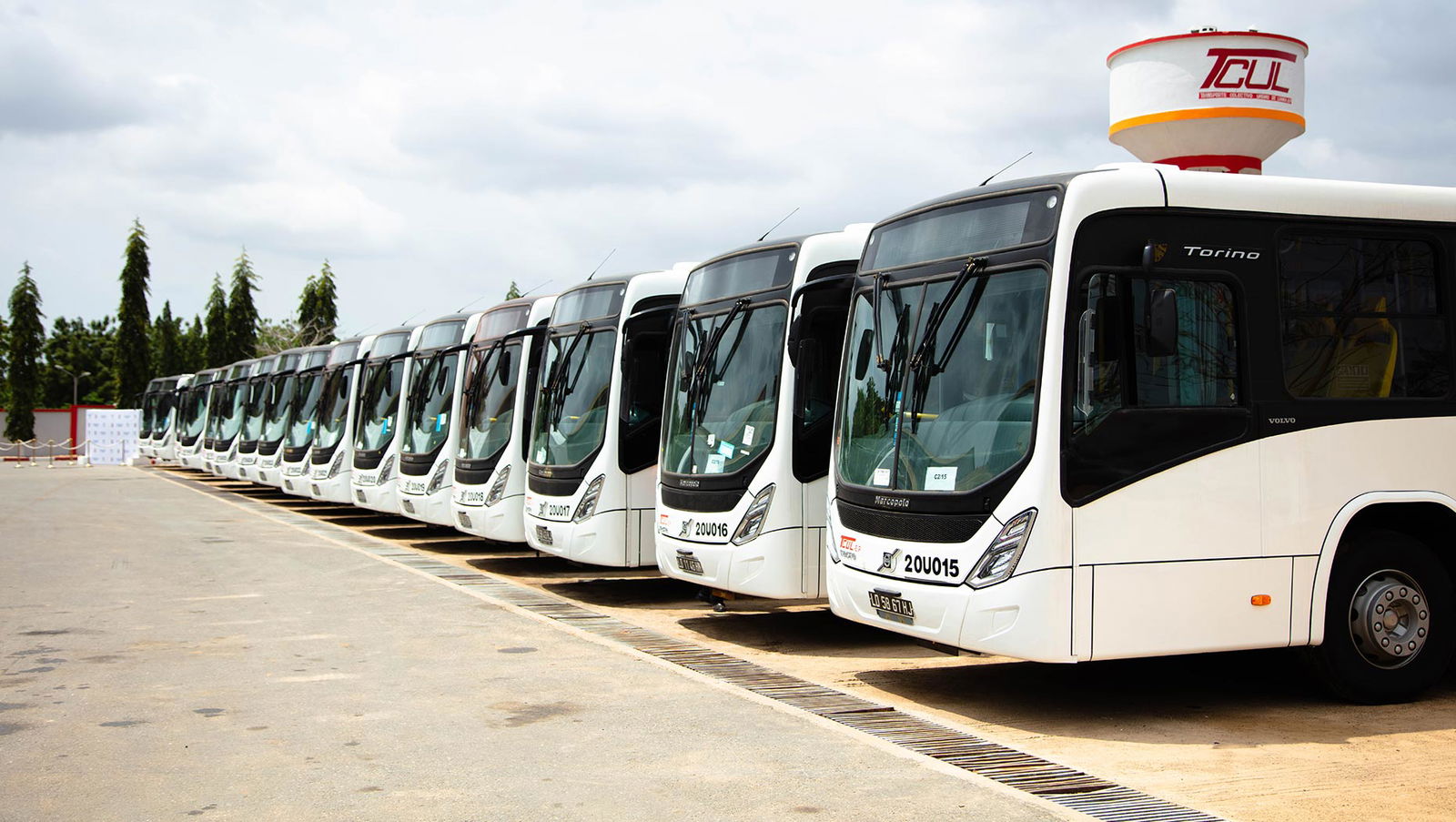
Volvo is also present in the African market with similar ambitions. One example is Angola, where the manufacturer supplied 153 buses designed for accessible transport to Luanda in 2020. The project included not only the delivery of the vehicles, but also the provision of local servicing and spare-parts support.
Simply selling buses is not enough
Another defining element of Volvo Buses’ strategy is its increasing emphasis on services covering the vehicles’ entire lifecycle in international competition. According to Westerberg, for transport operators, the most important consideration is often not the initial purchase price, but availability and predictable long-term operation.
Accordingly, alongside vehicle sales, Volvo also places emphasis on establishing local service networks, training specialists, ensuring spare-parts supply and cooperating with local suppliers. According to the company, these services can create a competitive advantage particularly in markets where manufacturers competing on lower purchase prices exert significant pressure on traditional European players. The purchase price alone does not reflect a vehicle’s true economic efficiency, which is also fundamentally affected by lifetime operating costs and availability.