In New Flyer’s shadow: why is the US bus market awaiting a new competitor?
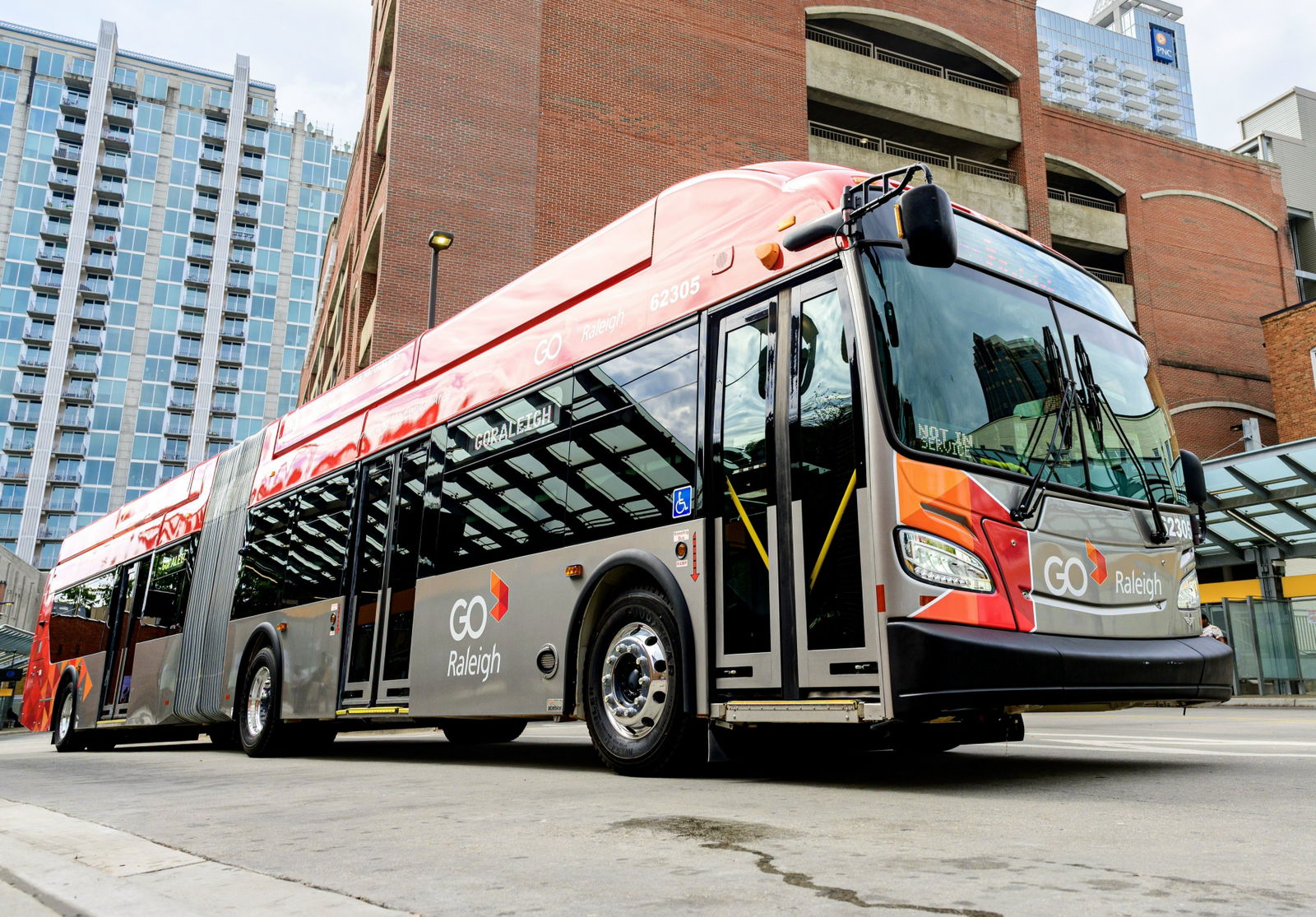
The North American bus market has undergone significant transformation in recent years. While the growing adoption of electric vehicles has created new opportunities for manufacturers, the pool of potential suppliers has gradually narrowed, presenting transport operators with increasingly serious challenges. One of the biggest beneficiaries of this process has been New Flyer, which has become a dominant player in the US urban bus market, particularly in the articulated vehicle segment. However, the resulting situation is not necessarily favourable for customers. An official proposal prepared by a San Francisco transport authority as recently as September 2025, for example, points with unusual frankness to the consequences of limited competition, making it clear that it views Solaris’s North American entry not merely as a new procurement option, but as a potential means of strengthening market competition.
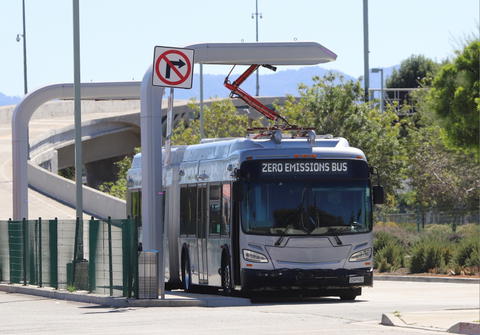
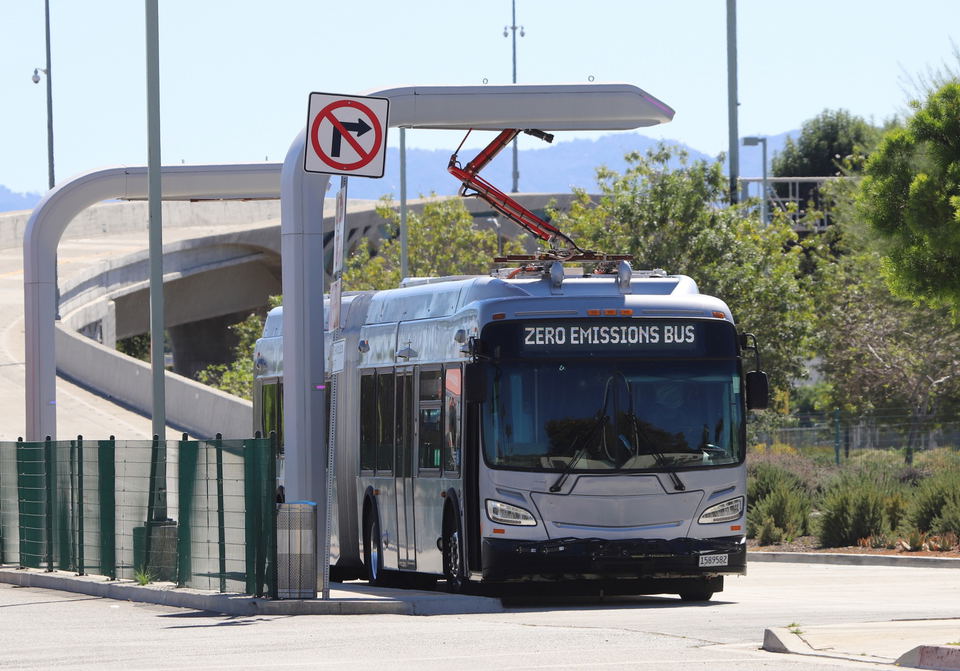
The San Francisco Municipal Transportation Agency’s (SFMTA) presentation of 3 September 2025 was originally intended to pave the way for approval of the procurement of six Solaris electric buses. The contract was subsequently approved on 12 September. However, the document goes far beyond the specific order, as it also sets out in detail the market conditions that led the US transport authority to consider involving a new European manufacturer justified. One of the document’s most notable findings was that New Flyer was at the time the only viable supplier of 60-foot, or approximately 18.3-metre, articulated buses, and that its vehicles were considered expensive. The SFMTA therefore explicitly set itself the goal of creating competition among several manufacturers in future procurements, thereby reducing purchasing costs.
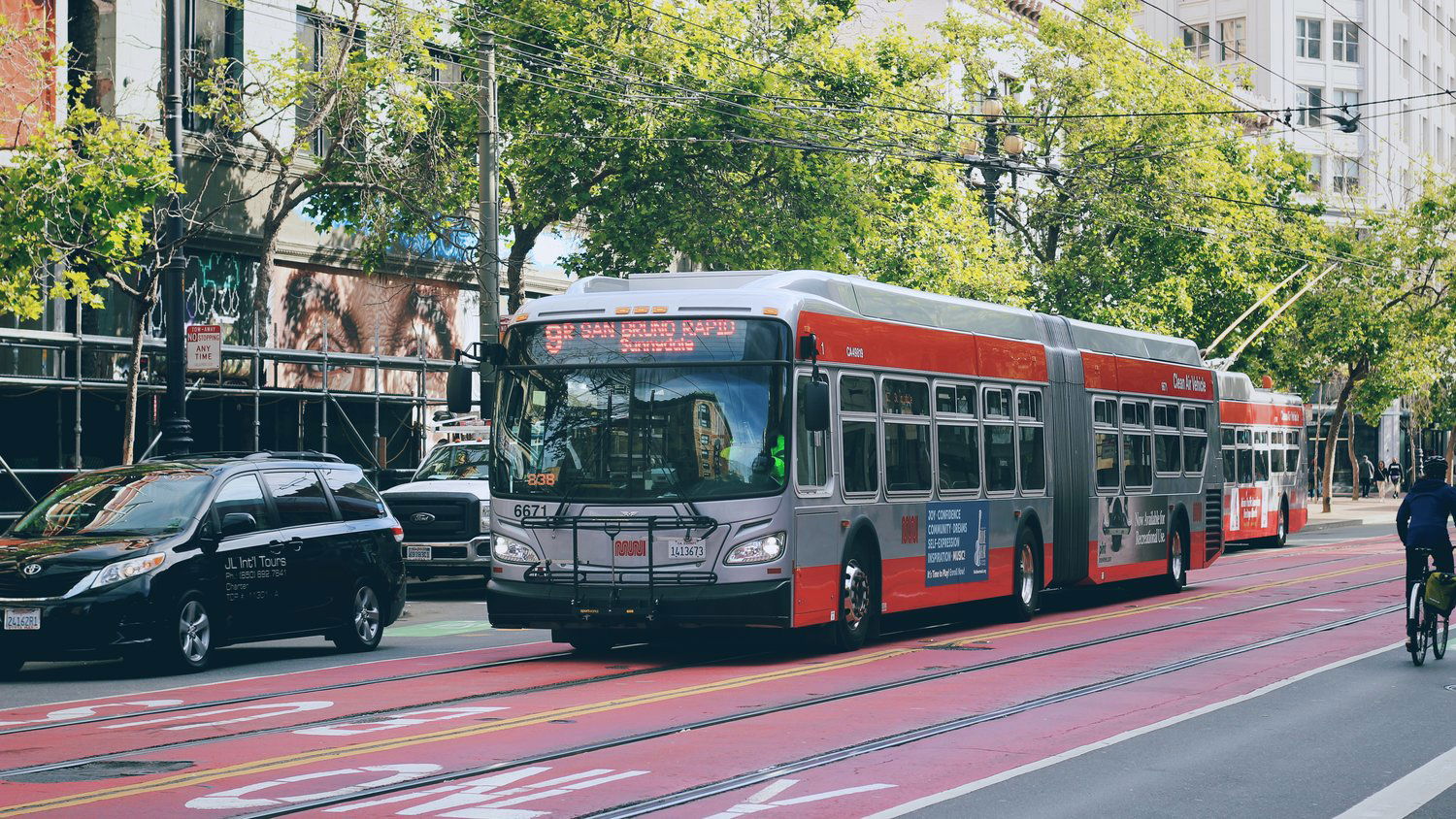
This finding is particularly noteworthy given that it is not criticism from a competitor or market analyst, but the assessment of its own situation by a major US transport operator. In essence, the authority acknowledged that the range of manufacturers available to it did not provide adequate competitive conditions, especially in the market for high-capacity articulated electric buses.
A narrowing field of manufacturers, growing dependence
The problems facing US bus manufacturing did not emerge overnight. Over the past decade and a half, the market has lost several major players, while the transition to electric propulsion has required companies to make ever greater investments in new production technologies and substantial development capacity. The situation has been further aggravated by the consequences of the coronavirus pandemic, supply-chain disruptions and financial pressures on manufacturers.
Orion, formerly owned by Daimler, ceased bus manufacturing permanently in 2013, while Canadian manufacturer Nova Bus announced in 2023 that it would gradually discontinue its US manufacturing operations. The latter has not withdrawn completely from the US market, however, as it can continue to serve US customers from its Canadian plants. Proterra’s bankruptcy proceedings in 2023 and the subsequent sale of its bus manufacturing division likewise created uncertainty, while the interruption of ElDorado National California’s (ENC) previous operations also further narrowed the available offering. In ENC’s case, preparations have since begun for a return to the market under new ownership, although this does not automatically mean that previous competitive conditions will be restored.
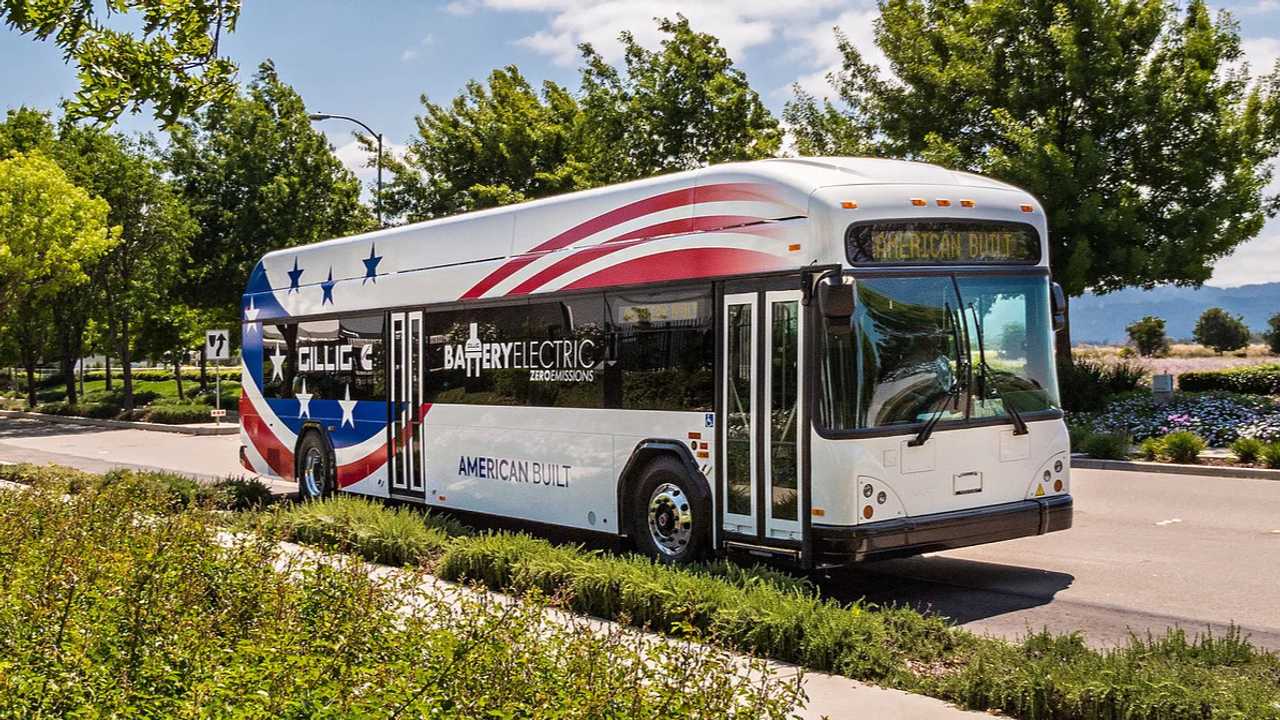
As a result, New Flyer and Gillig have remained the two dominant manufacturers in the US market for bus procurements supported by federal funding. The seriousness of the situation has also been examined by the United States’ Government Accountability Office (GAO). In a report published in 2025, it warned that the limited range of manufacturers could already jeopardise fleet renewal programmes at transport operators. Some operators anticipated delivery times of up to two years, which could make it particularly difficult to meet deadline-bound commitments relating to the transition to electric propulsion.
According to data presented by the GAO, the combined output of New Flyer and Gillig estimated for 2024 was approximately 2,350 buses across all propulsion types. In the longer term, the two companies considered it possible to produce as many as 4,800 vehicles a year between them, but this was an estimated potential capacity increase, rather than an actually achieved production volume. The problem, therefore, stems not only from the scale of manufacturing capacity, but also from the fact that transport operators have extremely few alternatives to choose from.
New Flyer is in a particularly strong position
New Flyer’s market position has been strengthened not only by its own manufacturing capacity, but also by the earlier consolidation of the North American bus industry. One key milestone was its 2013 acquisition of North American Bus Industries (NABI), which had Hungarian roots and which, according to New Flyer’s then president and chief executive, Paul Soubry, it had long sought to acquire. NABI, purchased for approximately $80 million, still had considerable manufacturing capacity and an extensive customer base at the time: in the twelve months preceding the acquisition, it sold 582 bus-equivalent vehicles and had an order backlog of 1,579 bus equivalents, including 593 firm orders. Since its reorganisation in 1992, the company had sold several thousand buses, and approximately 7,500 NABI vehicles were operating on North American roads at the time of the acquisition.
Although New Flyer initially emphasised the alignment of the two companies’ product ranges, more efficient utilisation of manufacturing capacity and the expansion of its customer base when announcing the transaction, subsequent developments made it clear that the acquisition would also result in the elimination of its former competitor’s independent market presence. Barely a year later, in June 2014, the gradual phase-out of NABI’s own bus models was announced, together with the conversion of the plant in Anniston, Alabama, to production of the New Flyer Xcelsior range. The Canadian manufacturer thus gained not only substantial production capacity and new customers, but also saw an independent rival brand disappear from the North American bus market.
However, New Flyer did not attain its dominant role solely through acquisitions. Over decades, the company has built up a network of manufacturing, parts supply and service operations, and its vehicles play a major role in numerous large urban transport systems. Its product range extends from diesel, natural-gas and hybrid buses through trolleybuses to battery-electric and hydrogen-powered models, while it has built a particularly strong position in the articulated electric bus segment.
From the customers’ perspective, however, this situation has a dual nature. The presence of a large, experienced manufacturer may mean more predictable technical support and long-term parts availability, but the absence of competitors can reduce scope for price negotiations and increase dependence on a single supplier.
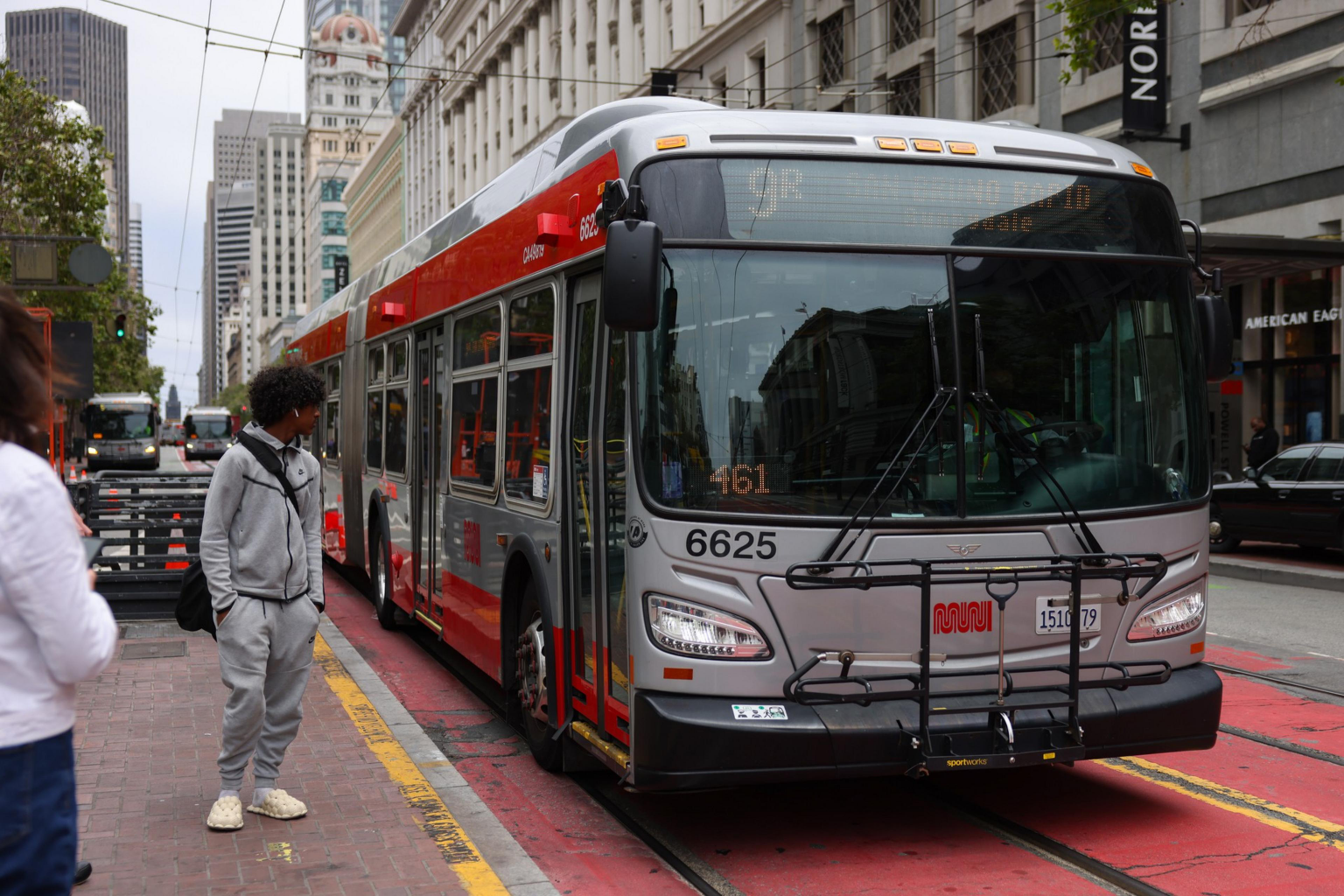
San Francisco is a particularly illustrative example. According to information presented at the SFMTA’s meeting in September 2025, approximately 90% of the city’s bus fleet consisted of New Flyer vehicles at the time. The authority therefore relied heavily on the same manufacturer not only for new procurements, but also for maintaining its existing fleet.
The high prices cannot be attributed solely to a lack of competition
Rising prices for US buses are, however, a more complex phenomenon than can be explained solely by supplier concentration. Transport operators often impose highly detailed technical requirements on manufacturers, which can differ considerably from one another. Even within fundamentally identical vehicle categories, they may specify different passenger-compartment layouts, onboard equipment, electronic systems and other components, making efficient production based on larger series more difficult.
Production based on such bespoke specifications places an additional burden on suppliers, can increase development and manufacturing costs, and may extend delivery times. These factors are compounded by the costs of electric drivetrains, battery systems and the necessary safety equipment, as well as the expenditure arising from compliance with US manufacturing and procurement requirements.
San Francisco is deliberately seeking to broaden its supplier base
The San Francisco transport authority (SFMTA) has launched a fleet renewal programme to replace 112 ageing hybrid buses, under which it decided to procure 94 new hybrid and 18 battery-electric vehicles. While the hybrid buses were ordered from New Flyer, three manufacturers were to be involved in the electric bus procurement. New Flyer is represented by seven vehicles, Gillig by five and Solaris by six. Procurement involving several suppliers creates an opportunity to compare different makes, while potentially reducing the transport authority’s dependence on a single manufacturer.
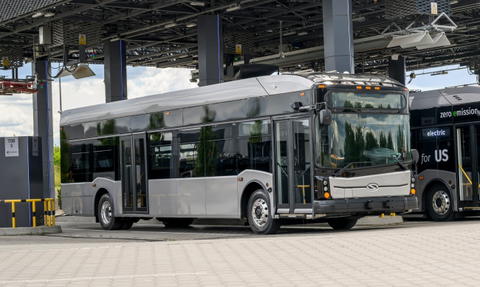
The Solaris order approved in September 2025 covers three single-deck and three articulated electric buses. The procurement is based on a framework agreement established by King County Metro in the Seattle area, which can also be used by other US transport operators. King County Metro itself has ordered four Solaris electric buses, two single-deck and two articulated. For San Francisco, however, the six vehicles primarily provide an opportunity to assess the Polish manufacturer’s products under its own operating conditions, enabling it to take account of a further supplier that has been genuinely tested in subsequent procurements.
Buy America is both an obstacle and an opportunity
One of the greatest barriers to entering the US bus market is the Buy America requirements associated with federal funding. For subsidised vehicle procurements, the regulations require a specified proportion of US-added value and final assembly in the United States. In the case of buses financed through federal transport funding, this means at least 70% US content and domestic final assembly.
In practice, this means that a European manufacturer cannot become a generally available supplier for bus procurements financed from federal funding merely through export activity. The San Francisco procurement was therefore implemented under a particularly interesting arrangement. The city did not use federal funding to purchase the Solaris vehicles, so federal Buy America requirements did not apply to the contract.
According to a report by San Francisco’s budget analyst’s office, Solaris was also unable to participate in the city’s earlier electric bus test programme because it was federally funded. The new procurement therefore created an entry opportunity for the European manufacturer that had not been available to it under the previous programme.
The arrangement also involved risks. The 2025 proposal specifically addressed possible changes to US tariff policy, allowing for contract prices to be adjusted, the quantities ordered to be reduced and, in extreme cases, the agreement to be terminated without cost. The authority and the manufacturer intended to review the effects of the prevailing tariff environment three months before the start of production.
Solaris has also made progress in preparing for US production: based on CAF’s plant in Elmira, New York State, the company has already established the initial foundations for its local production. While the first buses ordered for Seattle and San Francisco will still be manufactured in Poland, the US production base is intended to play a role in fulfilling subsequent US orders. This is particularly important in terms of meeting Buy America requirements applicable to federally funded procurements.
The trolleybus market is also a strategic opportunity for Solaris
One of the most interesting aspects of the San Francisco document is that it does not justify involving Solaris solely through the procurement of battery-electric buses. The SFMTA specifically drew attention to the European manufacturer’s trolleybus production experience, which it considers valuable for the North American market in the longer term as well.
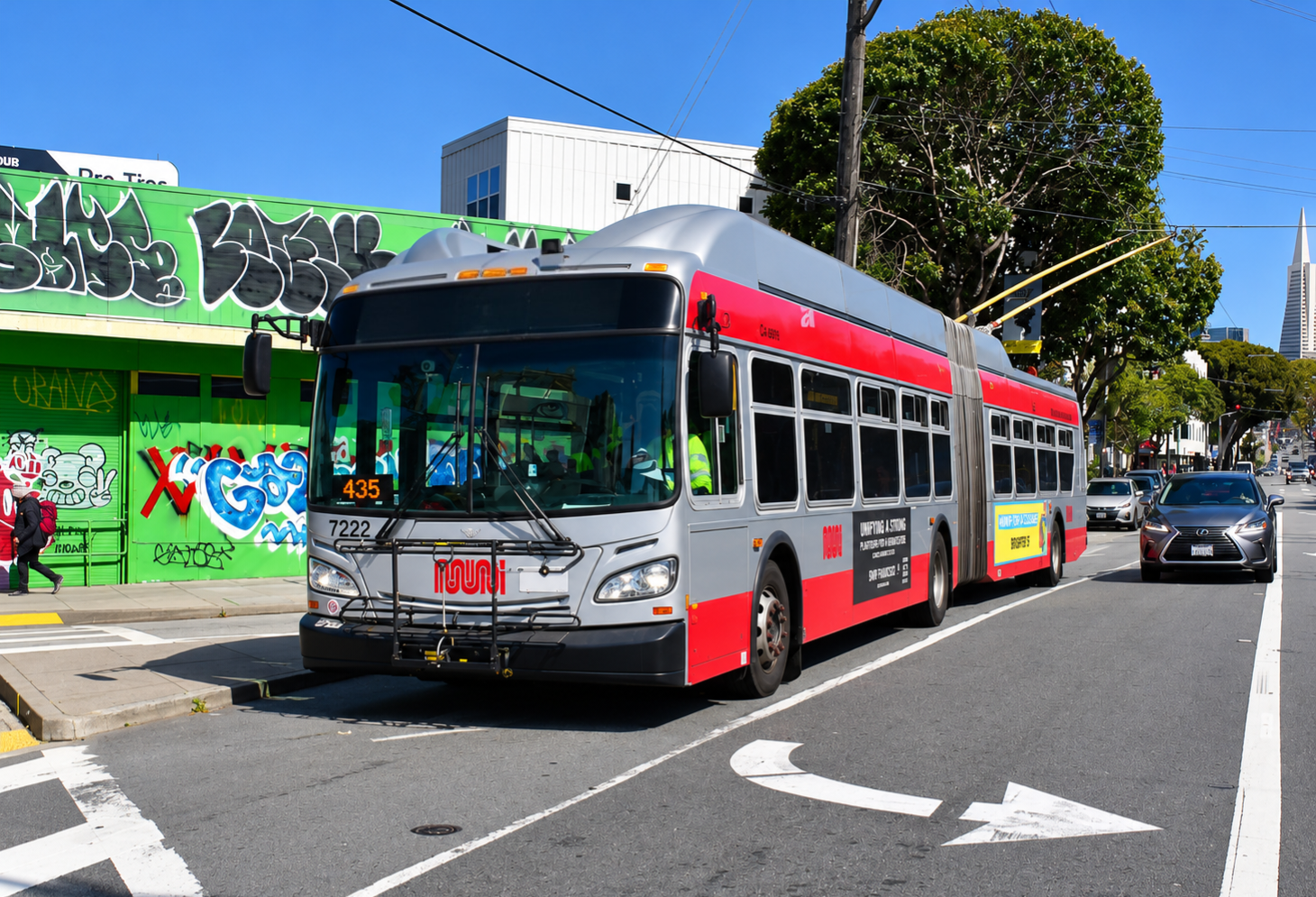
San Francisco is among the few major US cities that still operate an extensive trolleybus network. The city intends to retain the technology in the future and is examining the potential application of so-called In Motion Charging (IMC) systems based on charging batteries while in service. This is a particularly favourable circumstance for Solaris, which has gained significant experience in the European market in the development and manufacture of both conventional trolleybuses and those capable of off-wire operation.
The authority’s budget analysis went even further. According to the document, San Francisco is also interested in establishing a relationship with Solaris because the European manufacturer could represent a potential alternative should the current supplier, New Flyer, withdraw from the trolleybus market in the future. This does not, of course, mean that New Flyer has made such a decision, but rather that the transport authority wishes to ensure it has other options in order to mitigate supplier risks.
Solaris’s position in this area could also be strengthened by the Vancouver trolleybus programme. The procurement in the Canadian city, involving 275 vehicles, could create a significant North American reference for the Polish manufacturer. In the case of trolleybuses, Solaris is not seeking to enter the market with an entirely new technology, but with a product category in which it already has decades of European experience.
This is also important because the trolleybus market is even narrower than that for battery-electric buses, meaning that the arrival of a new manufacturer with appropriate references could be particularly significant.
Solaris must contend with more than just New Flyer
Solaris must also address issues that are less prominent in the European market. In the United States, transport operators often plan for long operating lives, specific technical requirements and extensive local parts supply. For customers, therefore, not only the purchase price of the vehicle but also whole-life maintenance costs, repairability, security of parts supply and the manufacturer’s long-term presence are decisive.
The picture is further complicated by the fact that the US bus market’s transition to electric propulsion is not progressing at a uniform pace. High acquisition costs, financing uncertainties and operational experience may lead some transport operators to reconsider their earlier electrification plans. This also poses a risk for Solaris, as all-electric buses are at the heart of the manufacturer’s North American offering.
Yet it is precisely this uncertain environment that may create an opportunity for a new supplier. It may become increasingly important for US customers not to depend exclusively on the production capacity, pricing and business decisions of just one or two manufacturers. The arrival of a new player can have a beneficial effect on the market even if it initially fulfils only relatively small-volume orders, since the very possibility of competition can improve transport operators’ negotiating position.
The point is not ten buses
While European bus manufacturers are facing increasingly strong competition in their home markets, primarily from Chinese rivals, it is precisely the lack of competitors in the United States that may create new opportunities for them. The problems of the two markets are therefore substantially different, yet they can be traced back to the same fundamental question: how can healthy competition and an adequate range of manufacturers be ensured in the long term?
Solaris’s greatest challenge, therefore, is not necessarily whether it can manufacture competitive buses from a technical standpoint. Its European experience suggests that it can. The key question is rather whether, by adapting to the US regulatory and market environment, it can establish a local manufacturing, sales and service network that makes it a lasting alternative alongside New Flyer and Gillig. The industrial and financial strength of the Spanish CAF Group behind it could provide a significant advantage in this respect. NABI, which had Hungarian roots, did not have the backing of an international conglomerate of similar size specialising in the manufacture of transport vehicles and, although the company had substantial production capacity and a customer base, it ultimately could not counter New Flyer’s increasingly strong market position and expansion. Solaris may be in a more favourable position in this respect: with CAF’s support, it can draw on industrial and financial resources that could give it a long-term chance of competing with the leading players in the North American market.