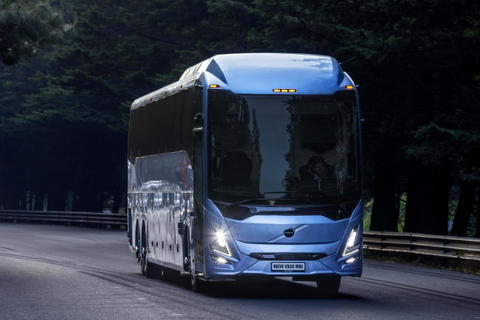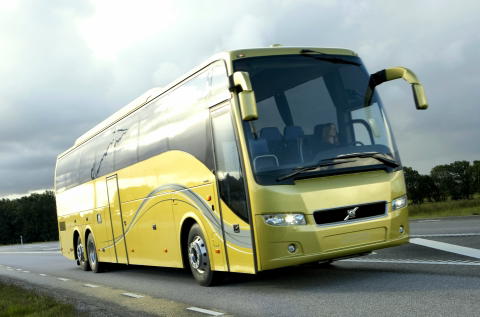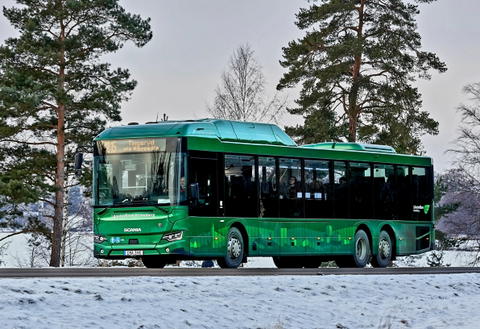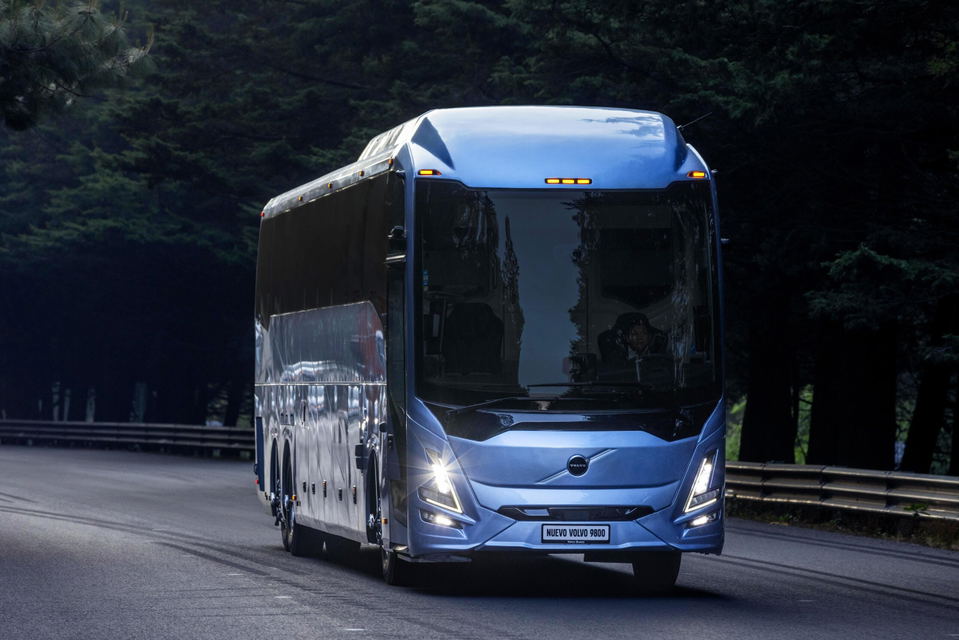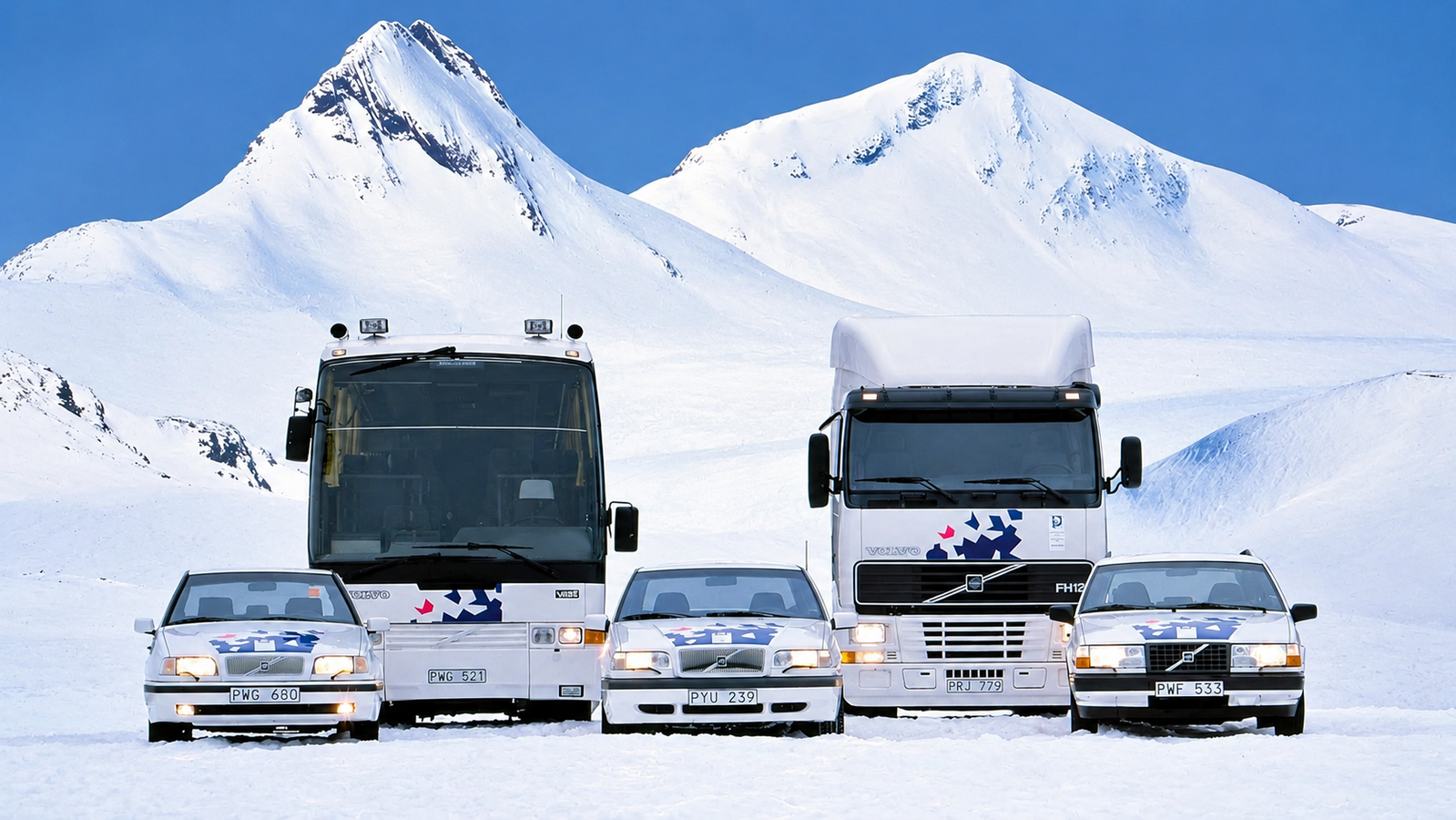
Volvo Cars and Volvo Group – how do two separate companies share the same brand name?
When people hear the name Volvo, most think of the same Swedish vehicle manufacturer, whether the subject is cars, trucks or buses. Given the shared brand name and the distinctive emblem depicting an arrow within a circle, this may seem only natural, but the reality is considerably more complex. Volvo Cars, which produces passenger cars, and Volvo Group, which is involved in commercial vehicles, have in fact been two separate companies with different ownership backgrounds for more than a quarter of a century. While the former has belonged to China’s Geely since 2010, the latter remains a Swedish-headquartered, independently listed company. But how could the same brand name come to belong to two different companies, and why are both still able to use the Volvo emblem? To answer this question, we must look back to the birth of the brand, before arriving at 1999, when one of the most significant strategic decisions in Volvo’s history permanently separated passenger-car and commercial-vehicle manufacturing.
Volvo’s history dates back to Sweden in the 1920s. The company was founded by two professionals working for ball-bearing manufacturer SKF: economist Assar Gabrielsson and engineer Gustaf Larson, whose aim was to create a passenger car specifically adapted to Swedish road and climatic conditions. The Volvo name itself, however, existed long before the first vehicle was built: in 1915, SKF registered the name, derived from the Latin verb volvere, meaning ‘to roll’, originally intending it as the brand name for a new range of ball bearings. It also established a subsidiary called AB Volvo, but the planned product launch ultimately did not take place and the company ceased operations in 1920.
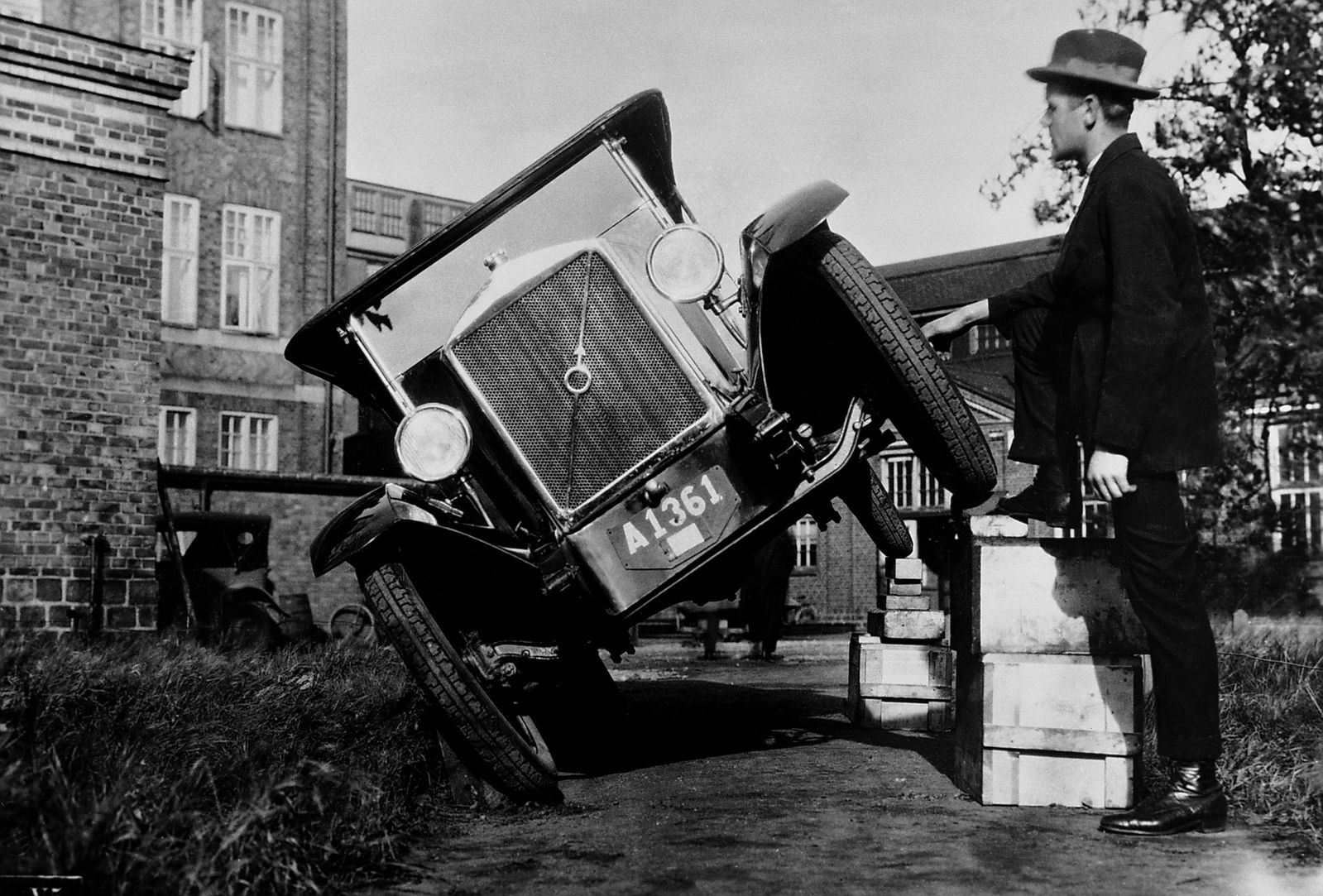
The name and the company nevertheless remained, and a few years later they provided precisely the legal and organisational basis for realising Gabrielsson’s and Larson’s automotive ambitions. When SKF’s management gave its support to the project in 1926, the previously dormant AB Volvo was revived. The first production Volvo, the ÖV 4 – widely known by its nickname, Jakob – rolled out of the Lundby plant in Gothenburg on 14 April 1927. Volvo regards this date as its own birthday.
The brand’s symbol still used today, the iron mark depicted as an arrow pointing upwards to the right from a circle, appeared alongside the first passenger car. The symbol referred to the traditions of the Swedish iron and steel industry, as well as to the strength and durability associated with them. The emblem, which later became known around the world, appeared on Volvo’s earliest vehicles and became a shared element of the company’s visual identity across its various business areas.
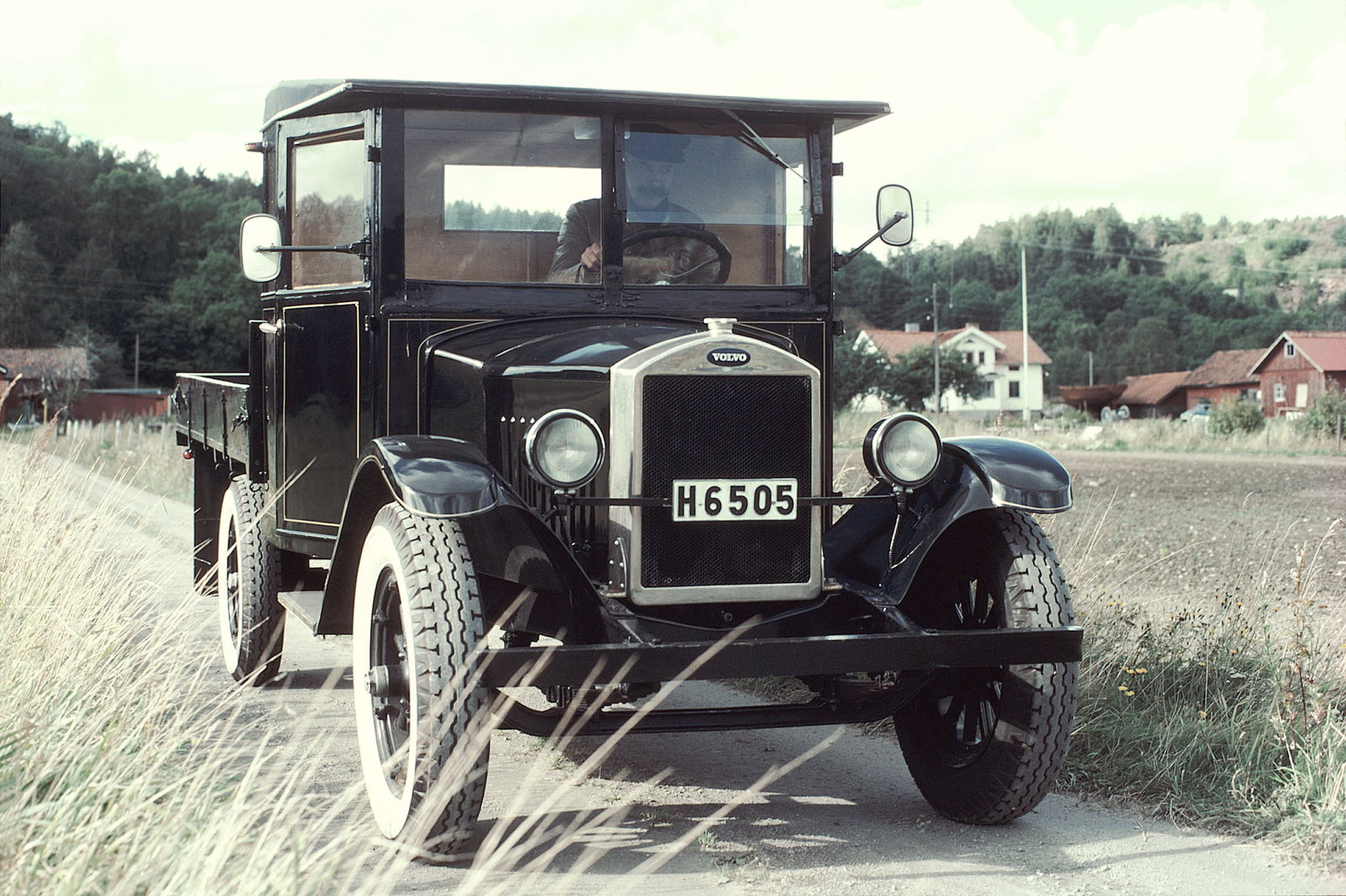
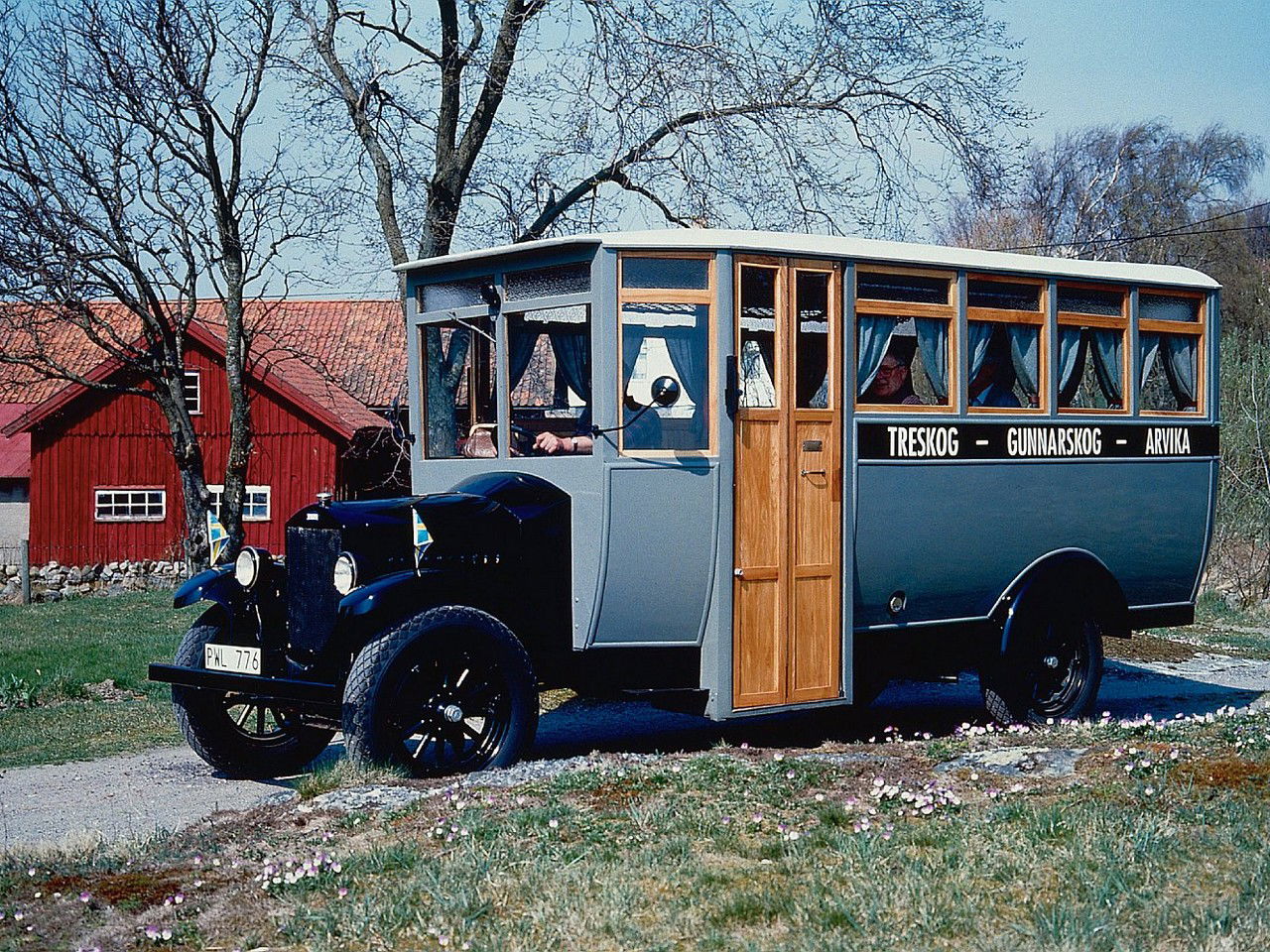
Volvo soon moved beyond passenger-car production. Its first trucks and buses appeared as early as 1928, and over the following decades it gradually developed an increasingly broad range of industrial activities. Its ownership link with SKF ended in 1934, when AB Volvo bought out its former parent company’s remaining stake; a year later, the company’s shares were listed on the Stockholm Stock Exchange. Volvo thus continued its expansion as an independent vehicle manufacturer, with heavy commercial vehicles, buses, construction equipment and various industrial power systems assuming a key role in its activities alongside passenger cars.
For many decades, the various business areas operated as part of the same corporate group, but by the end of the 1990s the conditions of the international automotive industry had fundamentally changed. Economies of scale became increasingly important in passenger-car production, while the development of new platforms and technologies required ever more substantial investment. Volvo’s management therefore decided that it wished to build the company’s future primarily in commercial vehicles and industrial activities.
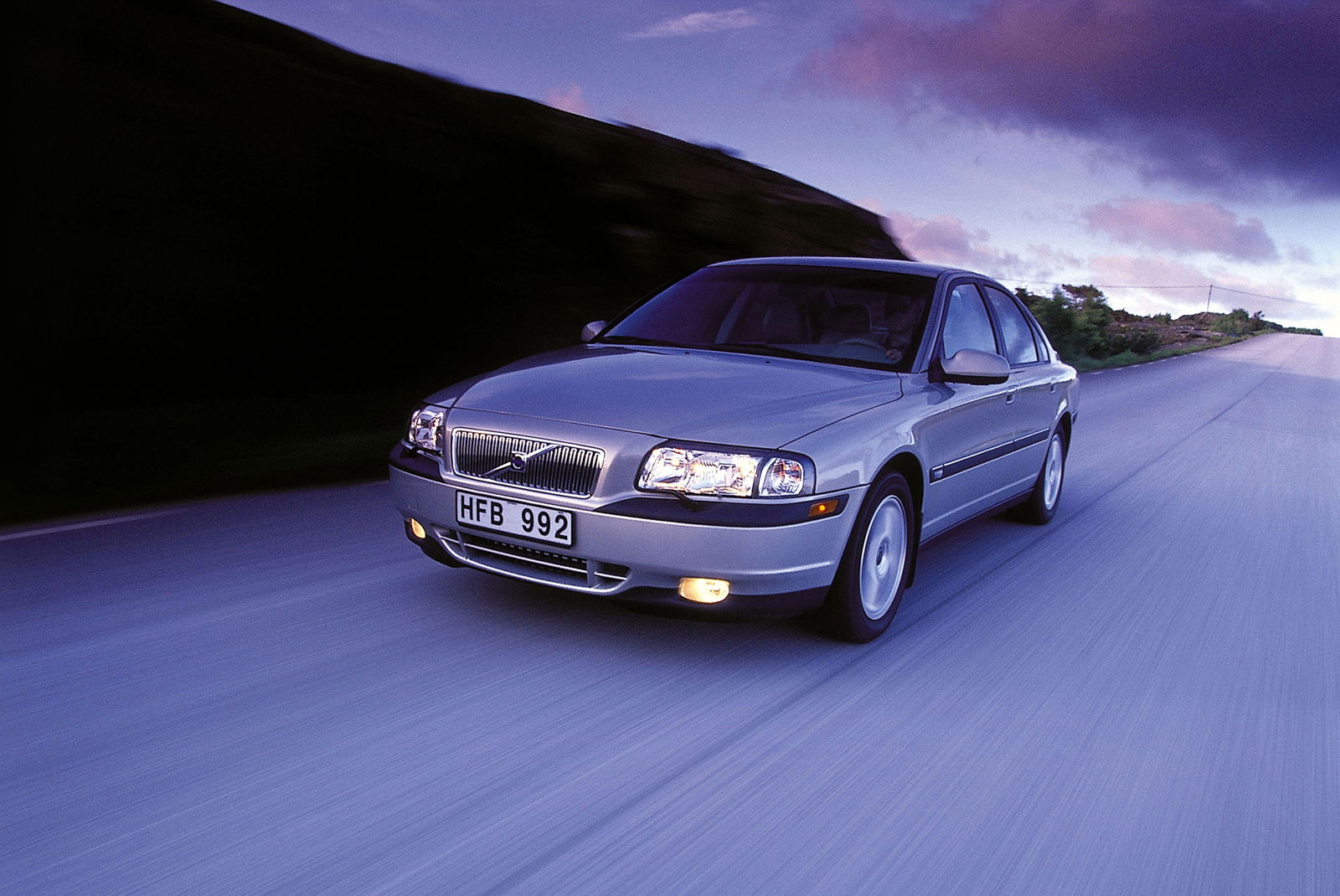
In line with this strategic change of direction, AB Volvo announced on 28 January 1999 that it had reached an agreement with Ford Motor Company to sell its passenger-car business. The transaction, worth SEK 50 billion, or approximately USD 6.45 billion at the exchange rate of the time, triggered one of the most significant organisational transformations in Volvo’s history. The decision did not represent a forced divestment of a loss-making business, but a deliberate strategic move: passenger-car manufacturing could continue to develop as part of a larger international automotive group, while AB Volvo could focus its resources on trucks, buses and other commercial-vehicle activities.
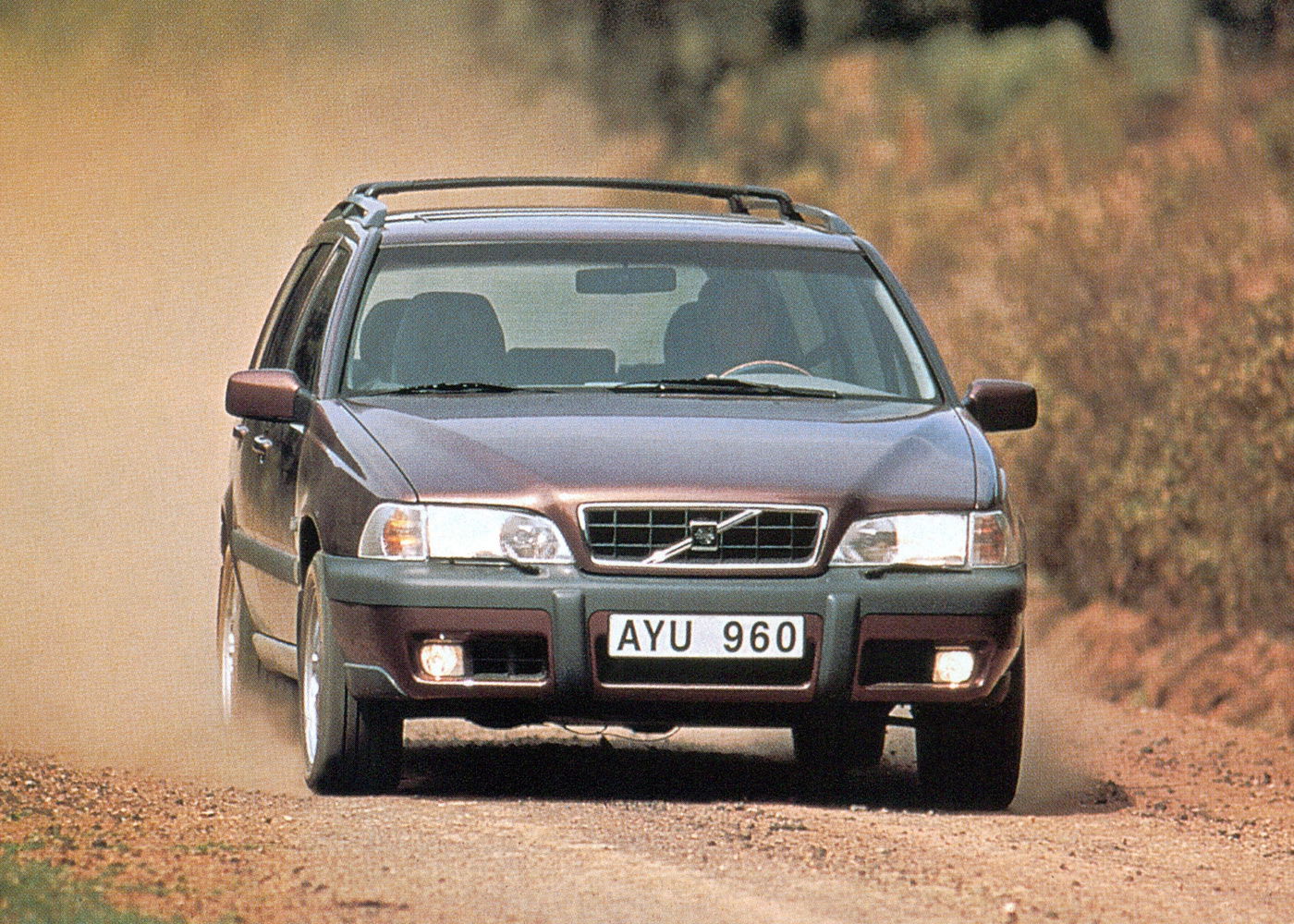
Interestingly, in parallel with the sale of its passenger-car business, Volvo was already working on another major acquisition. In 1999, it attempted to acquire its largest Swedish commercial-vehicle industry rival, Scania. Volvo first purchased a 12.85% stake in the company in January 1999, then in August reached an agreement with its largest shareholder, Investor AB, to acquire its entire Scania shareholding. The proposed transaction would have given Volvo control of 70.9% of Scania’s share capital and 77.8% of its voting rights, while it also made a public offer for the remaining shares. The total value of the acquisition was estimated at approximately SEK 60.7 billion.
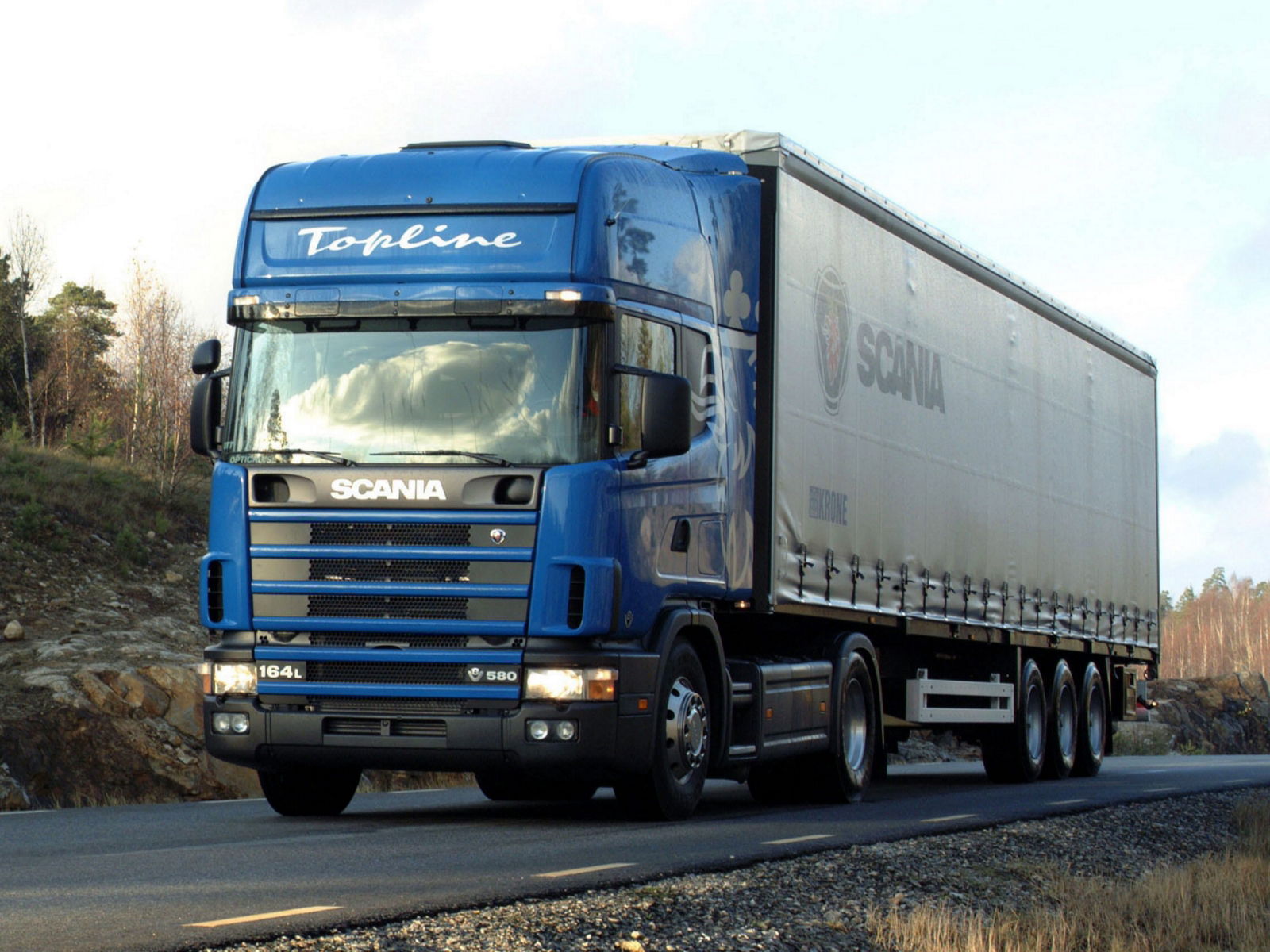
Under Volvo’s plans, Scania would not have been merged into Volvo Trucks, but would have continued to operate as an independent business area within the group on an equal footing with it. The two manufacturers would have retained their own brand names, sales networks and organisational independence, while significant opportunities for cooperation were envisaged in development resources, production volumes and, in particular, diesel-engine development. According to Volvo’s then Chief Executive, Leif Johansson, the merger could have created Europe’s largest and the world’s second-largest heavy-truck manufacturer. The acquisition would also have supported international expansion, particularly in Asia, Central Europe, the former Soviet republics and South America, where Volvo sought to compete more effectively with DaimlerChrysler and other global manufacturers.
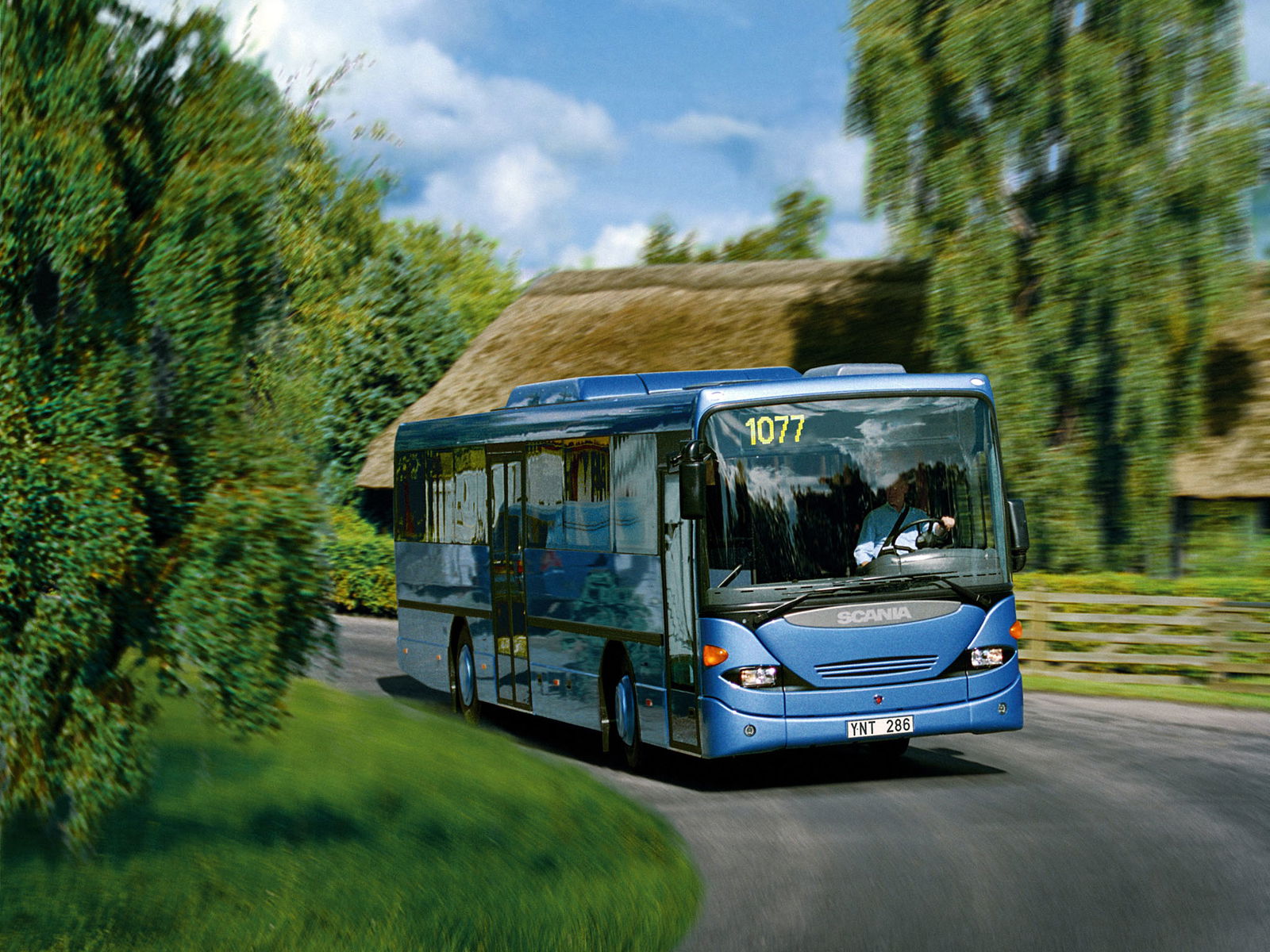
However, the ambitious plan ultimately failed. On 14 March 2000, the European Commission prohibited the acquisition, concluding that the merger of the two manufacturers would create a dominant position in several Northern European countries which, particularly in the markets for heavy trucks and buses, would significantly restrict competition. Volvo subsequently continued its expansion in another direction: later that same year, it agreed to acquire Renault’s truck business, which included the American Mack Trucks. Its accumulated stake in Scania, meanwhile, subsequently had to be sold as required by the European Commission.
A curious twist in the story is that barely two weeks after Volvo’s attempted acquisition was blocked, on 27 March 2000 the Volkswagen Group announced that it had reached an agreement with Investor AB to purchase a significant shareholding in Scania. The German group thereby became the shareholder with the greatest voting influence in the Swedish manufacturer, and gradually increased its holding over the ensuing years. The decisive step came in 2008, when Volkswagen purchased Investor AB’s and the Wallenberg foundations’ remaining shares and acquired control of Scania. This transaction was approved by the European Commission, as combining Volkswagen’s commercial-vehicle interests at the time with Scania’s activities did not result in a competition-restricting market concentration comparable to the planned merger of Volvo and Scania. Volkswagen subsequently increased its influence further and had acquired full ownership of Scania by 2014. It had also taken control of MAN in the meantime, meaning that the two former rivals now operate as part of the same commercial-vehicle group, TRATON.
Following the story of the Scania transaction, however, it is worth returning to another consequence of the 1999 separation that remains decisive to this day. The sale of Volvo’s passenger-car business was not only about the fate of manufacturing plants, development activities and corporate interests, but also about an asset that was far more difficult to divide: the Volvo brand name itself. Both the passenger-car manufacturer acquired by Ford and the independently continuing AB Volvo insisted on retaining the name that had been used for more than seventy years and had by then become known worldwide. The solution was ultimately not for either party to acquire the brand exclusively while the other received permission to use it. Instead, the two companies retained joint ownership of the Volvo trademarks.
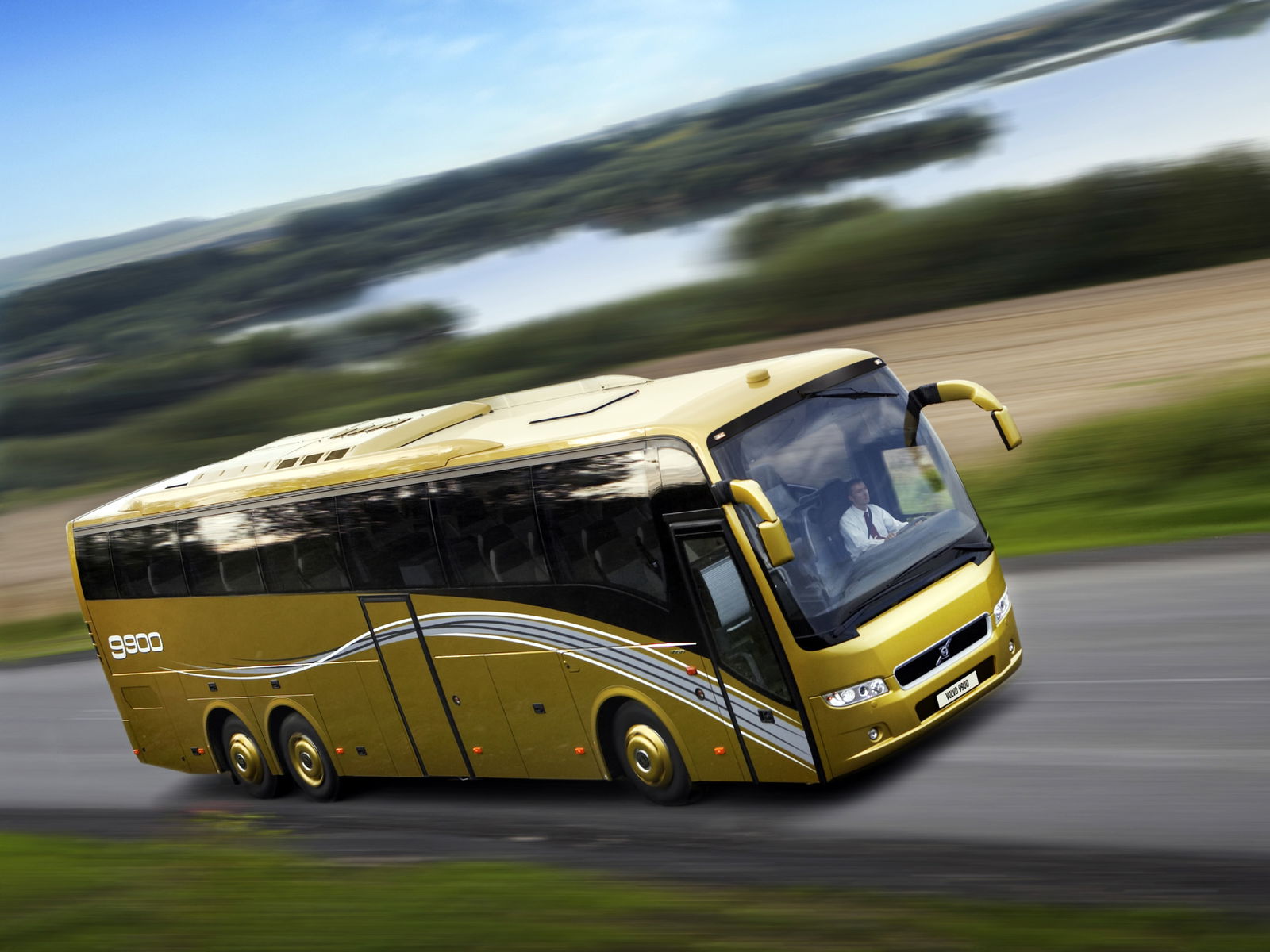
At the centre of this arrangement was Volvo Trademark Holding AB, owned on a 50–50 basis by AB Volvo and Volvo Car Corporation. This company owns the trademarks associated with the Volvo name, while the two vehicle manufacturers are entitled to use them under separate licensing agreements. The parties agreed not only on the use of the name, but also established joint control mechanisms intended to preserve the brand’s value and reputation, as well as to prevent unauthorised parties from exploiting the recognition of the Volvo name.
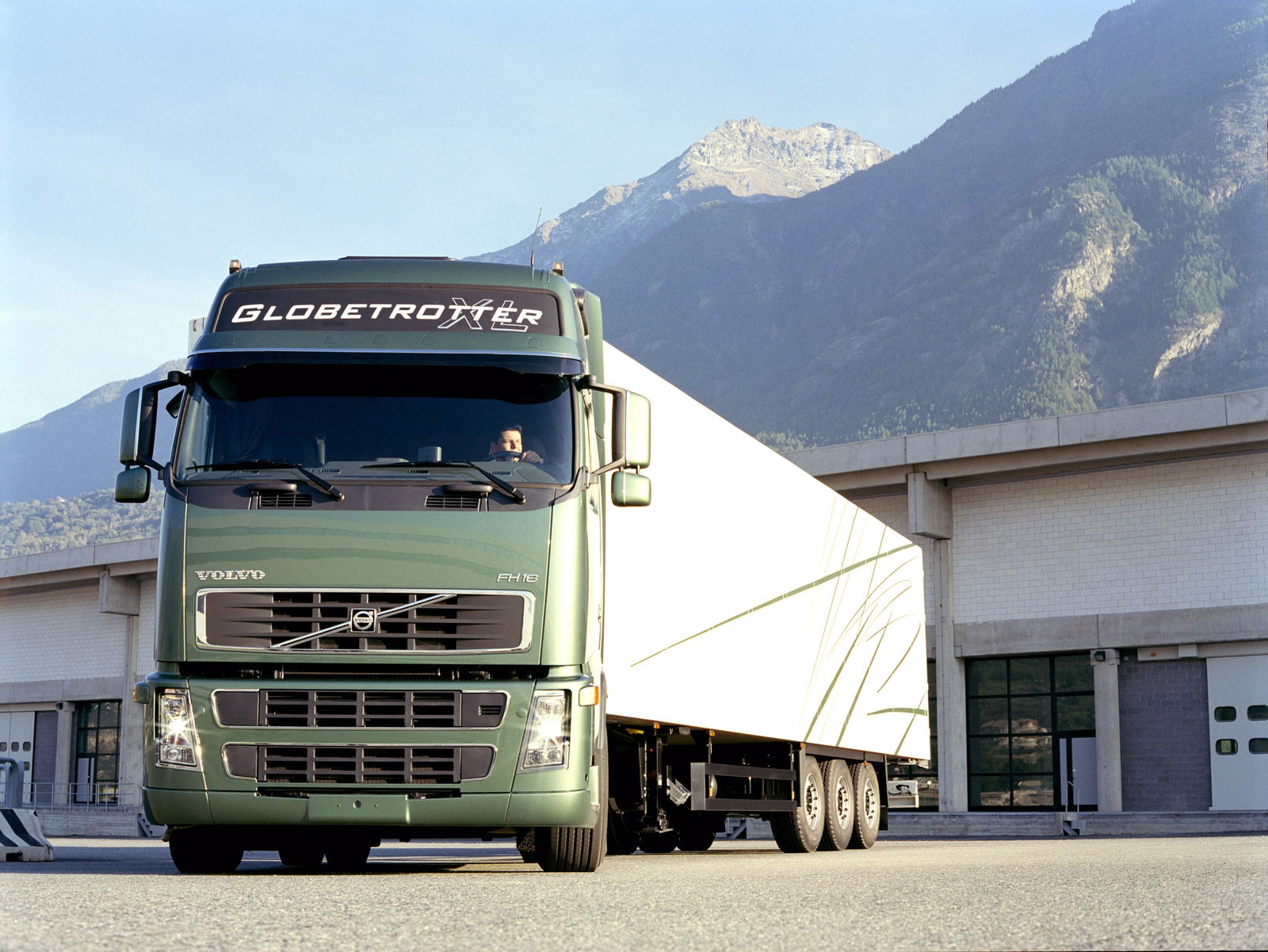
One of the most interesting details of the agreement is that the use of the brand name was also divided according to the intended use and technical category of the vehicles. Volvo Car Corporation’s rights extended, in addition to passenger cars, to minibuses capable of carrying no more than ten people, light trucks with a payload not exceeding 1,500 kilograms, sport utility vehicles, and certain other vehicles with a gross vehicle weight not exceeding 5,400 kilograms. Buses and vehicles intended exclusively for commercial purposes were expressly excluded from the latter category. AB Volvo, by contrast, could use the Volvo trademark for trucks, buses, construction equipment, industrial and marine engines, aerospace equipment, and products outside the categories reserved for the passenger-car manufacturer. In other words, the two companies did not simply share the brand name; their respective rights were defined so as to avoid overlap wherever possible.
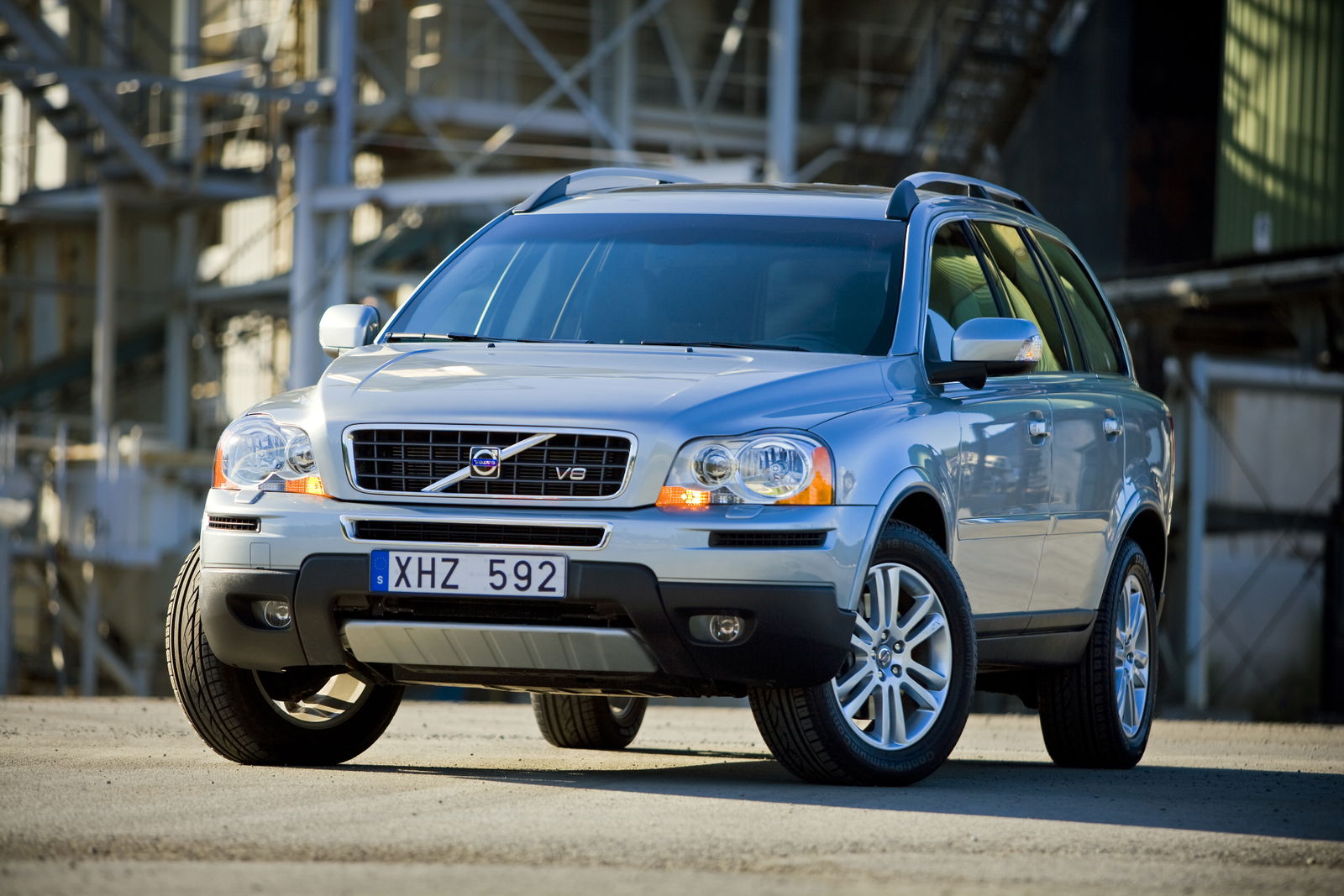
The joint trademark management system remained in place through the next major change of ownership. Just over a decade after acquiring Volvo Cars, Ford also decided to sell the Swedish passenger-car manufacturer. Behind the move were not only the 2008 financial crisis and the significant decline in automotive demand, but also the American group’s revised corporate strategy. Under the ‘One Ford’ programme announced by Chief Executive Alan Mulally, Ford sought to simplify its brand portfolio, strengthen its financial position and focus its resources primarily on developing its own brand. In this spirit, it had already disposed of Aston Martin as well as the Jaguar and Land Rover brands, and had also reduced its stake in Mazda. The possibility of selling Volvo Cars was announced in December 2008, followed by an agreement with China’s Zhejiang Geely Holding Group in March 2010. Through the USD 1.8 billion transaction, completed in August, Geely acquired full ownership of Volvo Cars, which retained both its Swedish headquarters and its independent corporate operations thereafter. The change of ownership did not alter the foundations of the joint management of the Volvo brand name either: Volvo Car Corporation continued to own Volvo Trademark Holding AB jointly with AB Volvo on a 50–50 basis.
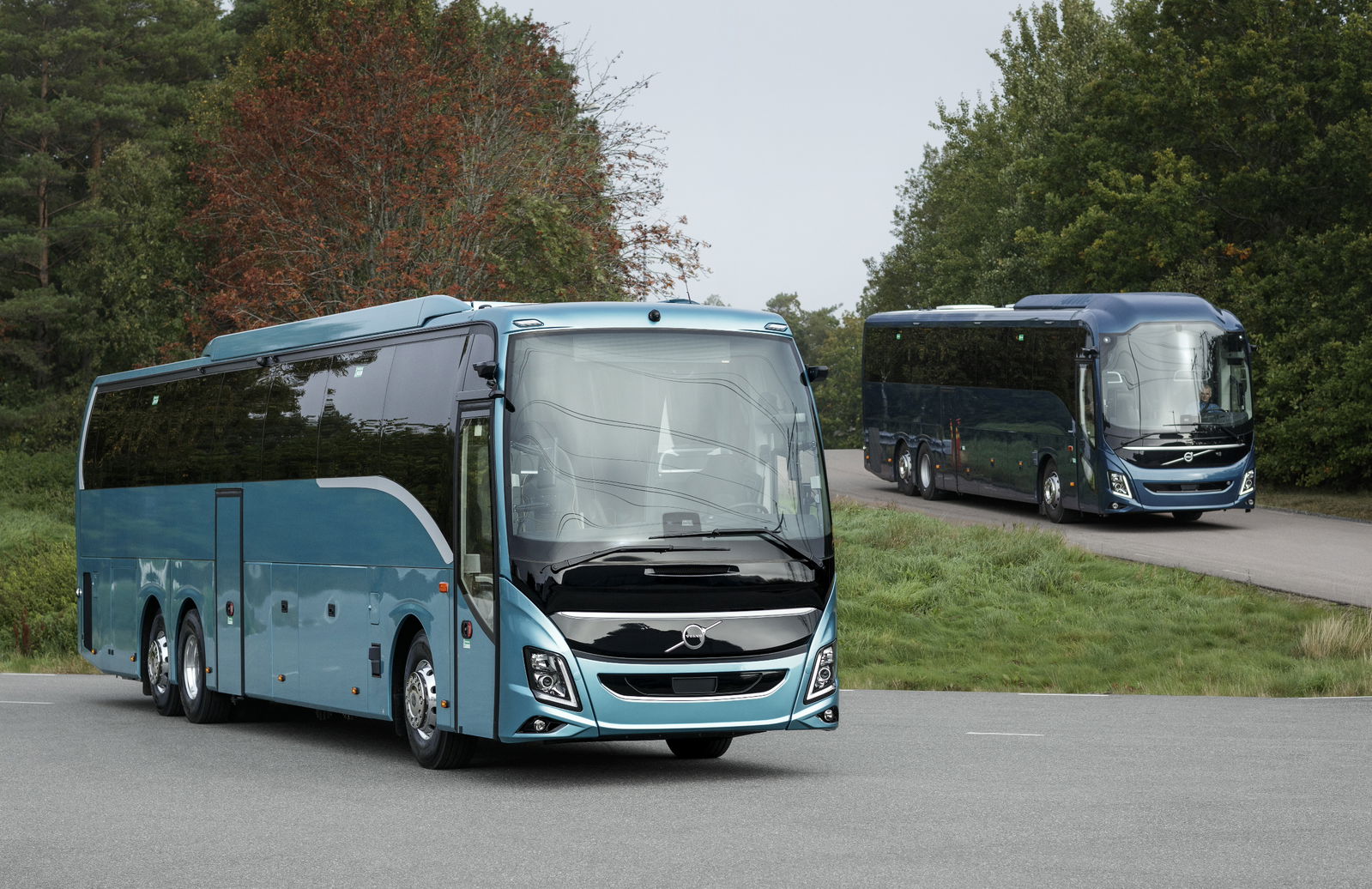
A further interesting aspect of the story is that Geely later also appeared among Volvo Group’s owners. In December 2017, the Chinese group announced that it would acquire Swedish investment company Cevian Capital’s stake in AB Volvo, representing 8.2% of the share capital and 15.6% of the voting rights. This made Geely one of the Swedish commercial-vehicle manufacturer’s most influential shareholders, a position it has retained ever since. According to Volvo Group ownership data at the end of 2025, the Chinese group still held 8.2% of the share capital, while possessing 14.7% of the voting rights. Thus, Geely is now both the controlling owner of Volvo Cars and one of Volvo Group’s largest shareholders, although the two companies continue to operate independently of one another.
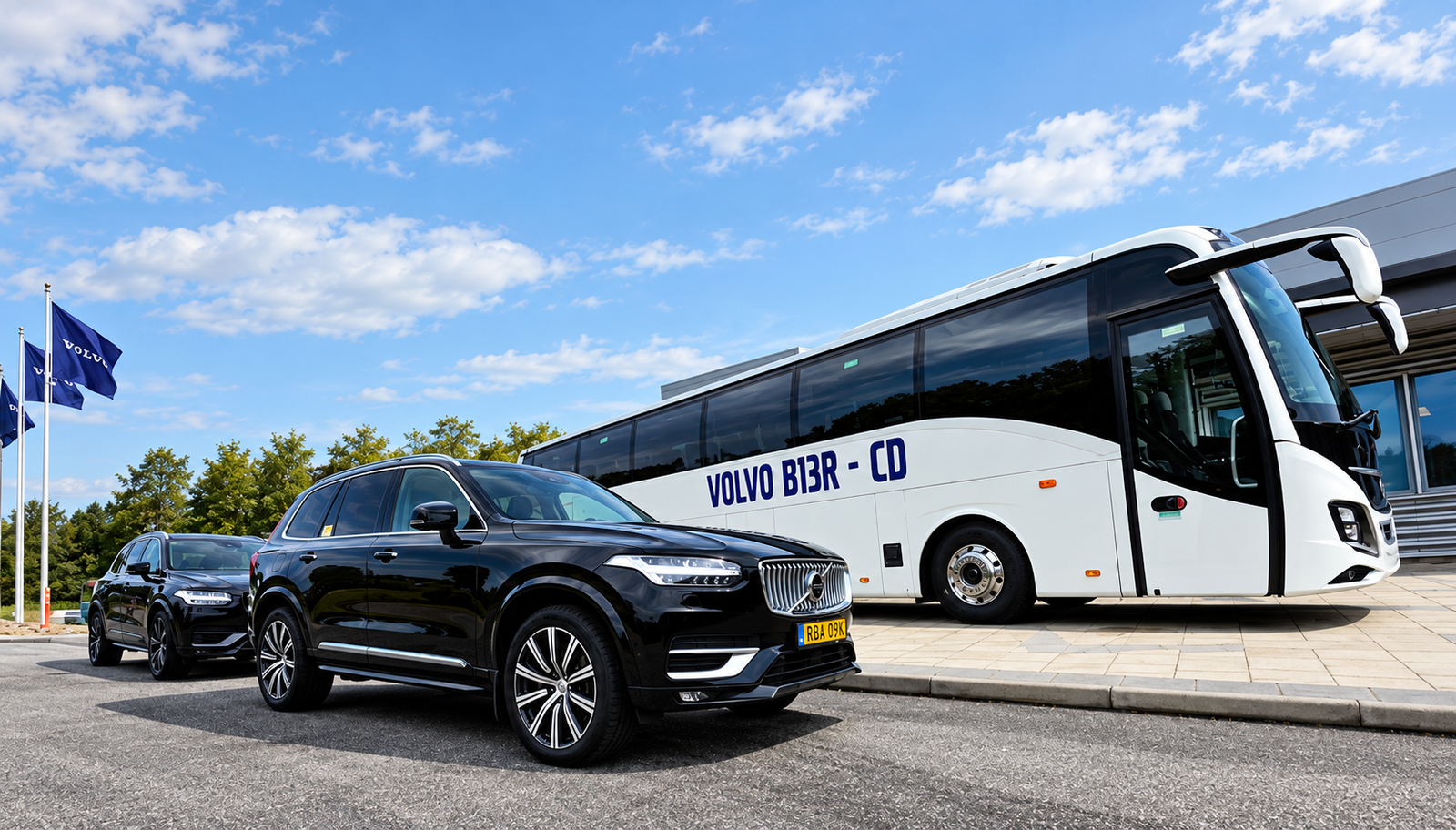
Volvo therefore no longer refers to a single company, but to two vehicle manufacturers developing along separate paths. Behind the shared name and distinctive emblem lies not only the same Swedish industrial heritage, but also a principle that has shaped the operations of both companies from the outset: the primacy of safety. From the birth of the brand, Volvo’s founders proceeded from the premise that vehicles are used by people, and that safety must therefore be at the heart of every development. This approach continues to link the worlds of passenger cars, trucks and buses today, regardless of the fact that vehicles bearing the Volvo name have been the products of two separate companies for more than a quarter of a century.