Dwindling fleets: how many NABI buses remain in service in the United States?
Ikarus buses are slowly disappearing from domestic public transport for good, but what is the situation with NABI vehicles, which grew out of the Hungarian manufacturer's legacy, in the United States? More than a decade after NABI ceased bus production, vehicles from the former manufacturer still operate in considerable numbers on American roads. Although the brand disappeared from the new bus market for good in 2015, the types it produced still form part of day-to-day operations at several transport operators. In recent years, however, replacement of ageing fleets has begun in an increasing number of locations, making it a particularly interesting question as to how much remains today of the once substantial North American NABI fleet.
We recently presented the history of NABI in detail in the pages of Magyarbusz [Info], from its Hungarian roots linked to Ikarus, through its emergence as an independent American manufacturer, to its acquisition by New Flyer and the discontinuation of the brand. On this occasion, we examined how the former manufacturer's buses have fared and what role they still play in American public transport today. New Flyer, which acquired the company in 2013, decided in 2014 to phase out NABI types gradually, with production ending in 2015. However, the disappearance of the brand name was far from meaning that the vehicles would quickly disappear from American transport. Many of the various NABI designs remain a defining part of certain major metropolitan fleets, while other operators have already begun or prepared the replacement of their remaining examples.
The available records from APTA and New Flyer provide a particularly interesting picture of the brand's continued presence. According to New Flyer data, NABI delivered around 10,500 buses to the North American market during its existence, of which approximately 7,600 may still have been in service at the time of the acquisition. According to the manufacturer's later estimate, around 3,600 NABI buses were still part of North American operators' fleets in 2025, while APTA's 2026 database identifies considerably fewer, 2,372 active vehicles in the United States. The difference between the two figures may partly arise from differing geographical coverage and data-collection methodologies, as APTA's records are not comprehensive and consider only vehicles reported as active. The actual number of NABIs in service is therefore likely to lie between the two figures, although the exact fleet size cannot be determined unambiguously from the available data.
A total of 2,909 NABI-manufactured buses can be identified in the APTA database, across the fleets of 11 American transport operators. A total of 2,372 vehicles are listed as active by nine operators: New Jersey Transit (Newark, 1,020 units), Dallas Area Rapid Transit (Dallas, 448 units), Los Angeles Metro (Los Angeles, 419 units), METRO (Houston, 162 units), Foothill Transit (West Covina, 156 units), Broward County Transit (Pompano Beach, 71 units), Miami-Dade Transit (Miami, 62 units), Sun Metro (El Paso, 32 units), and Santa Clarita Transit (Santa Clarita, 2 units). The remaining two operators, Victor Valley Transit Authority (Hesperia) and Washington Metropolitan Area Transit Authority (Washington, D.C.), no longer have active NABI fleets. A further 537 inactive vehicles are listed, meaning that operators reported 81.5% of the registered buses as still available, while 18.5% had already left the active fleet. The significance of the remaining NABIs is clearly illustrated by the fact that, compared with the 35,337 active American urban buses included in the survey, they alone account for around 6.7%. This cannot, however, be regarded as a market share for the entire American bus fleet, as the survey is not comprehensive and APTA records the various service categories separately in part.
The breakdown of the fleet by propulsion type is particularly interesting, as NABI also played a significant role in the North American market for natural gas buses. Of the 2,909 registered vehicles, 1,498 were built with compressed natural gas (CNG) propulsion, 1,253 with diesel engines, and a further 158 with diesel-electric hybrid drivetrains. In the active fleet, however, diesel variants are now in a slight majority: the records list 1,203 diesel buses, alongside 1,105 CNG-powered and 64 hybrid NABIs. This represents a split of 50.7%, 46.6% and 2.7%, respectively.
The age profile of the remaining NABI fleet is also noteworthy. The 2,909 buses listed in the APTA database date from model years between 2004 and 2015, and the average age of the entire registered fleet, calculated from model year, was 14.9 years at the beginning of 2026. The active vehicles are somewhat younger, at an average of 14.3 years, meaning that a significant proportion of NABIs have already approached or exceeded the 12-year service life generally considered the benchmark for American urban buses. The backbone of the active fleet consists of vehicles built between 2010 and 2014: a total of 1,889 buses from these five model years are listed as active, accounting for almost 80% of the NABIs still available.
Among the model years, 2012 is the most numerous, with 582 examples recorded, of which only a single bus is inactive. The database includes 571 vehicles from the 2014 model year, 494 of them active, while 343 of the 363 examples in the 2010 series remain available. At the same time, substantial numbers of active vehicles can also be found among earlier model years: 104 2006 NABIs and 144 from 2008 are still listed in this category. The position of the 2007 model year is particularly interesting, as only three of its 98 registered buses remain active. The data clearly demonstrate that NABI withdrawals are not based solely on age; the technical condition and operating history of individual series, as well as transport operators' fleet-renewal decisions, also play a decisive role.
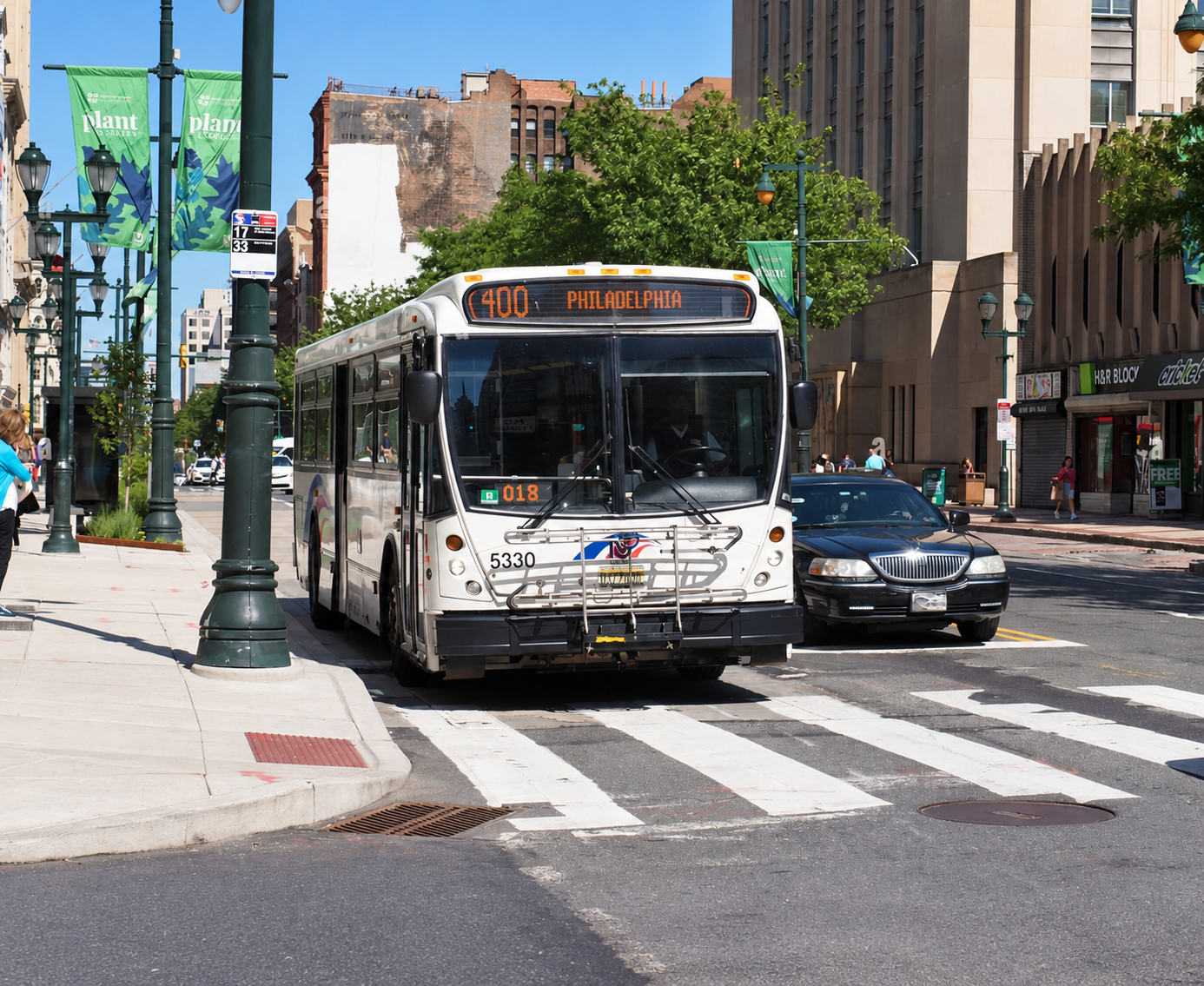
The breakdown by type shows even more clearly which designs have retained their position most successfully. The largest active fleet is represented by the NABI 416.15.02, of which 981 examples are recorded in service. This alone accounts for 41.4% of all active NABIs. The type is distinctive in that its technical lineage can be traced back to the Ikarus 416, meaning that late descendants of the Hungarian design still operate in significant numbers on the American market today. Of the 985 such buses in New Jersey Transit's fleet, only four are inactive, a remarkable proportion given the vehicles' age. According to APTA data, examples in the series date from model years between 2008 and 2013, meaning that the oldest were already approaching eighteen years of age at the time of the survey.
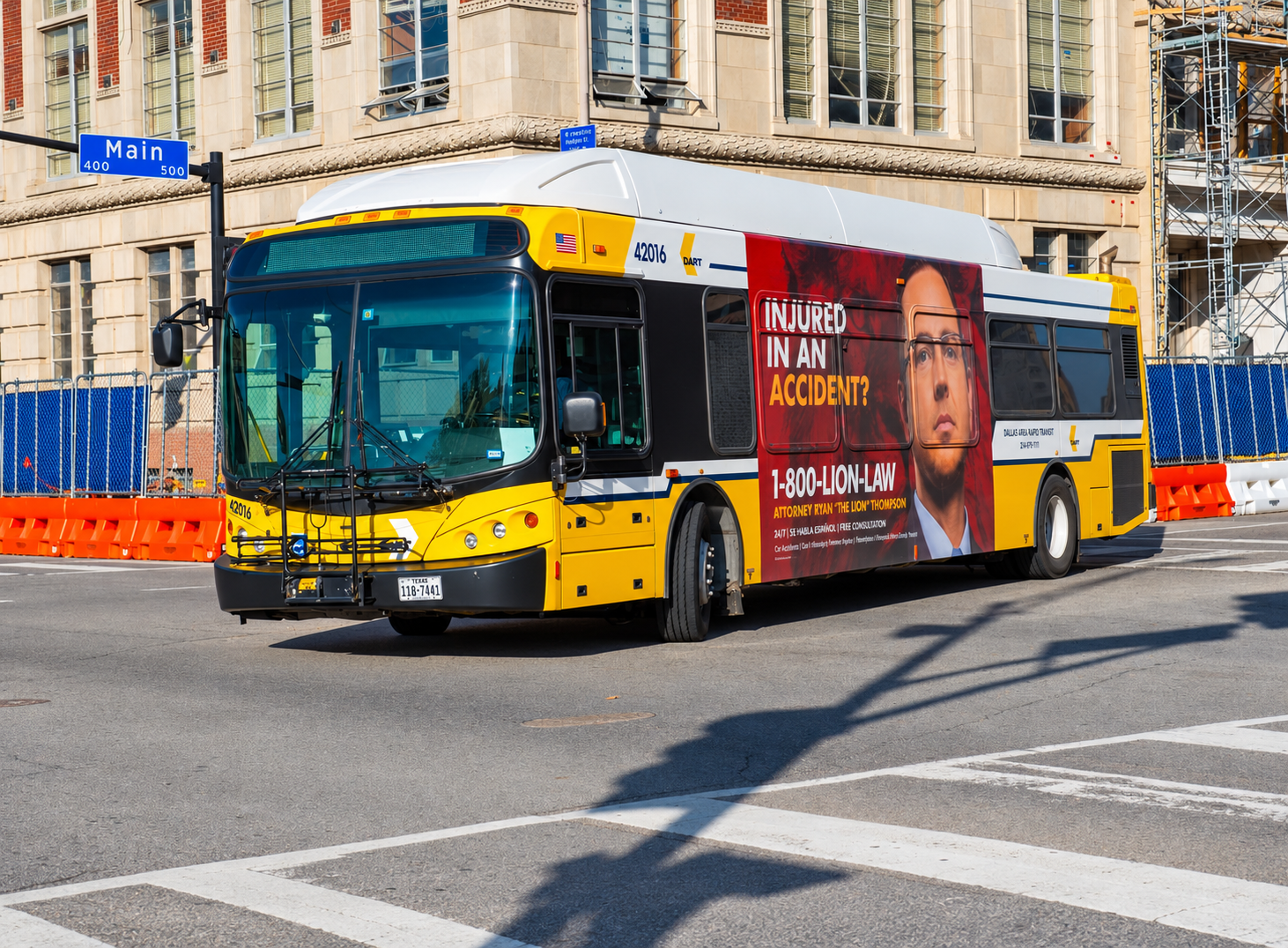
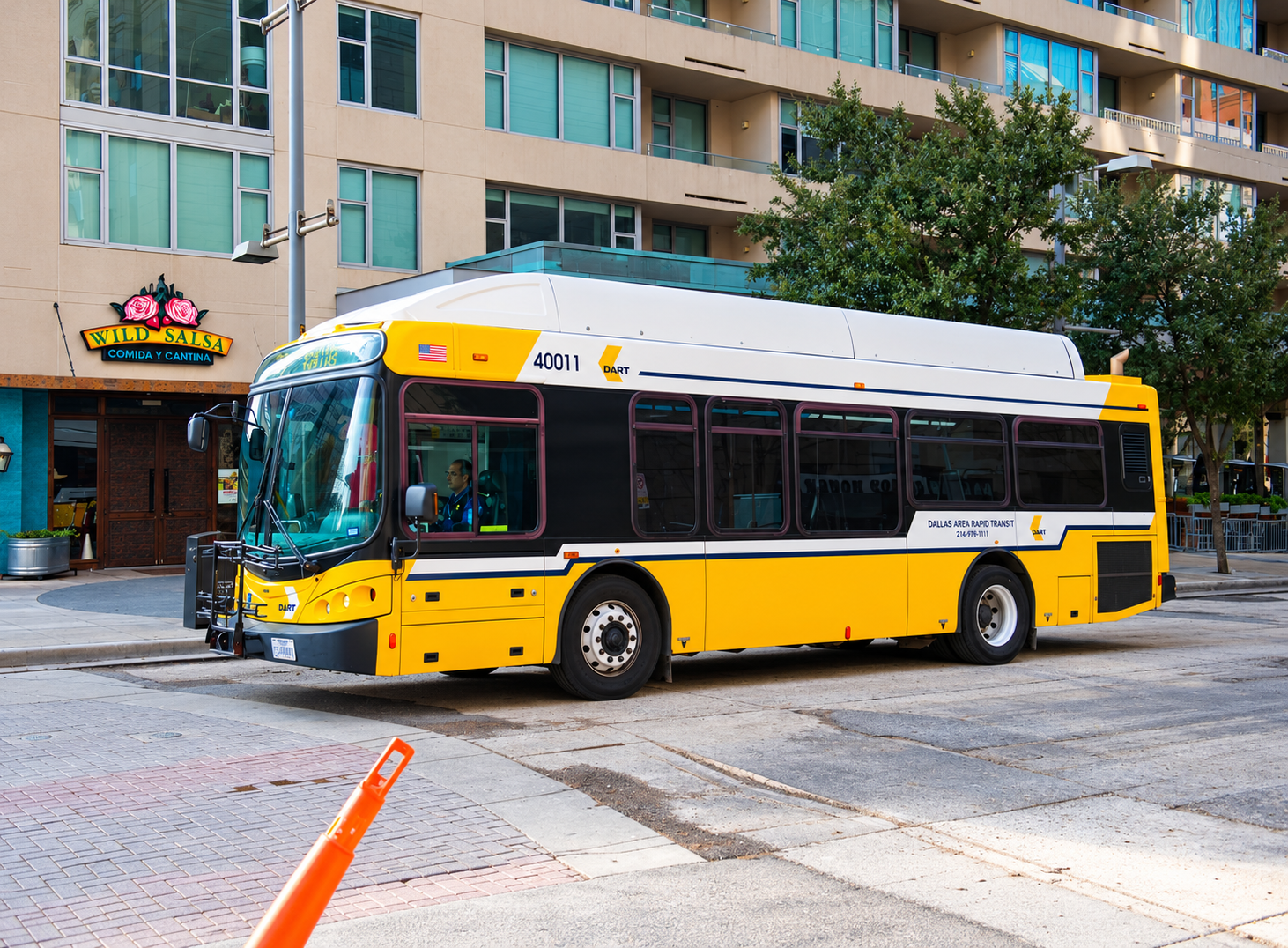
Various versions of NABI's own low-floor model family have also survived in significant numbers in the United States, primarily in Dallas and Houston, Texas, although active examples can also be found in Florida, California, New Jersey and El Paso. In the APTA database, different operators do not in every case record these vehicles under identical type designations. In the fleet of Dallas Area Rapid Transit (DART), for example, 252 active 40-foot, or approximately 12.2-metre-long, buses are listed under the 40LFW-53 designation, while a further 137 are listed as 40LFW. Houston's METRO records 162 vehicles in the same size category under the LFW 40 designation. Of DART's fleet designated 40LFW-53, 235 buses are from 2014 and a further 17 from 2015.
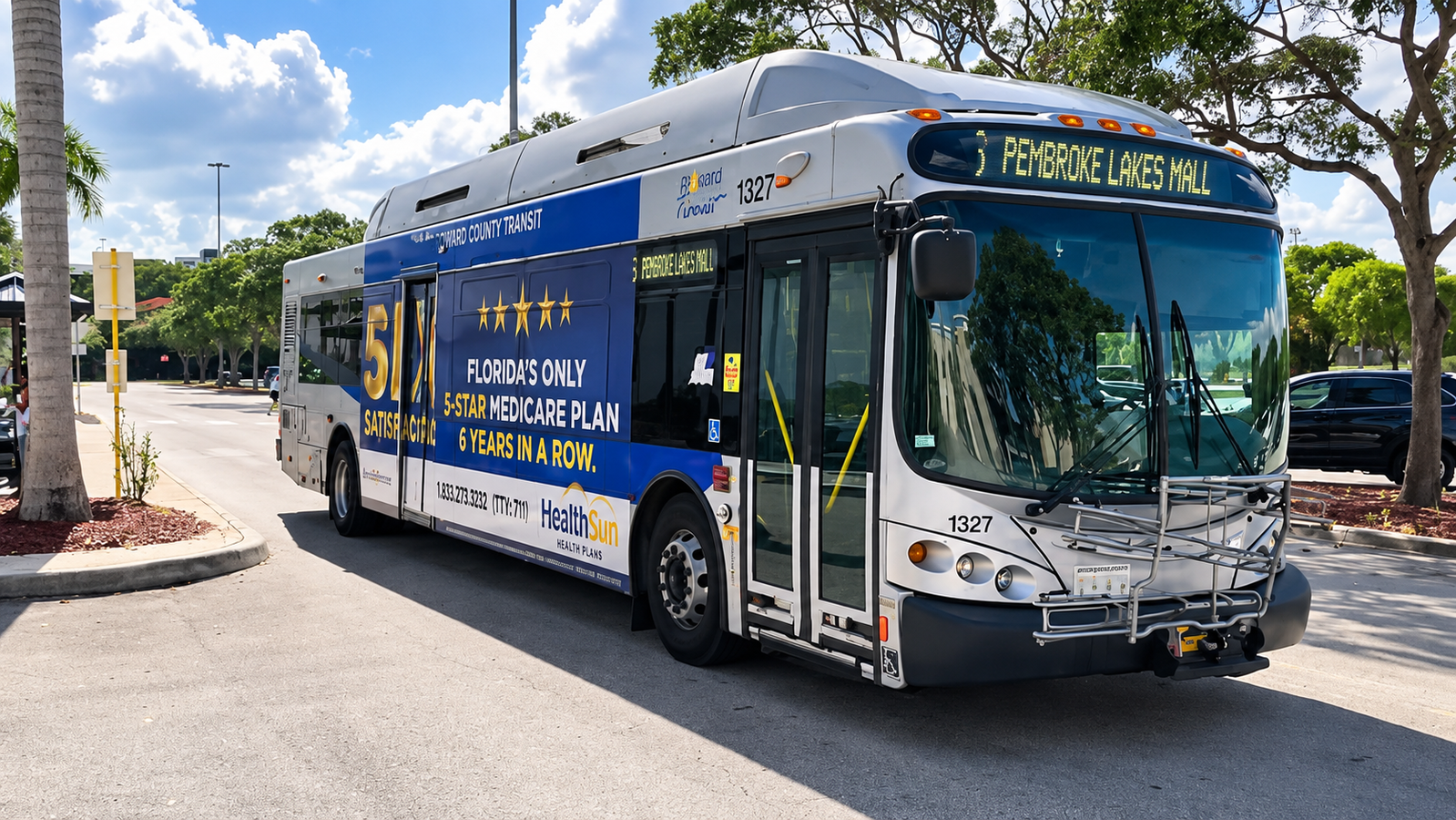
At Florida's Miami-Dade Transit, one conventional 40LFW, 15 active examples of the 2015 40LFW-57D-02 variant, and a further 36 active low-floor buses, also from 2015, recorded under the designation LOW FLOOR – 2 DOORS are listed. At the likewise Florida-based Broward County Transit, the active fleet includes 67 40-foot NABIs: 18 are 2014-built examples designated 40LFW38, 48 are 2013-built buses designated 40LFS, and one is a 2011-built vehicle designated 40LF38. Broward County's vehicles include both diesel and diesel-electric hybrid variants.
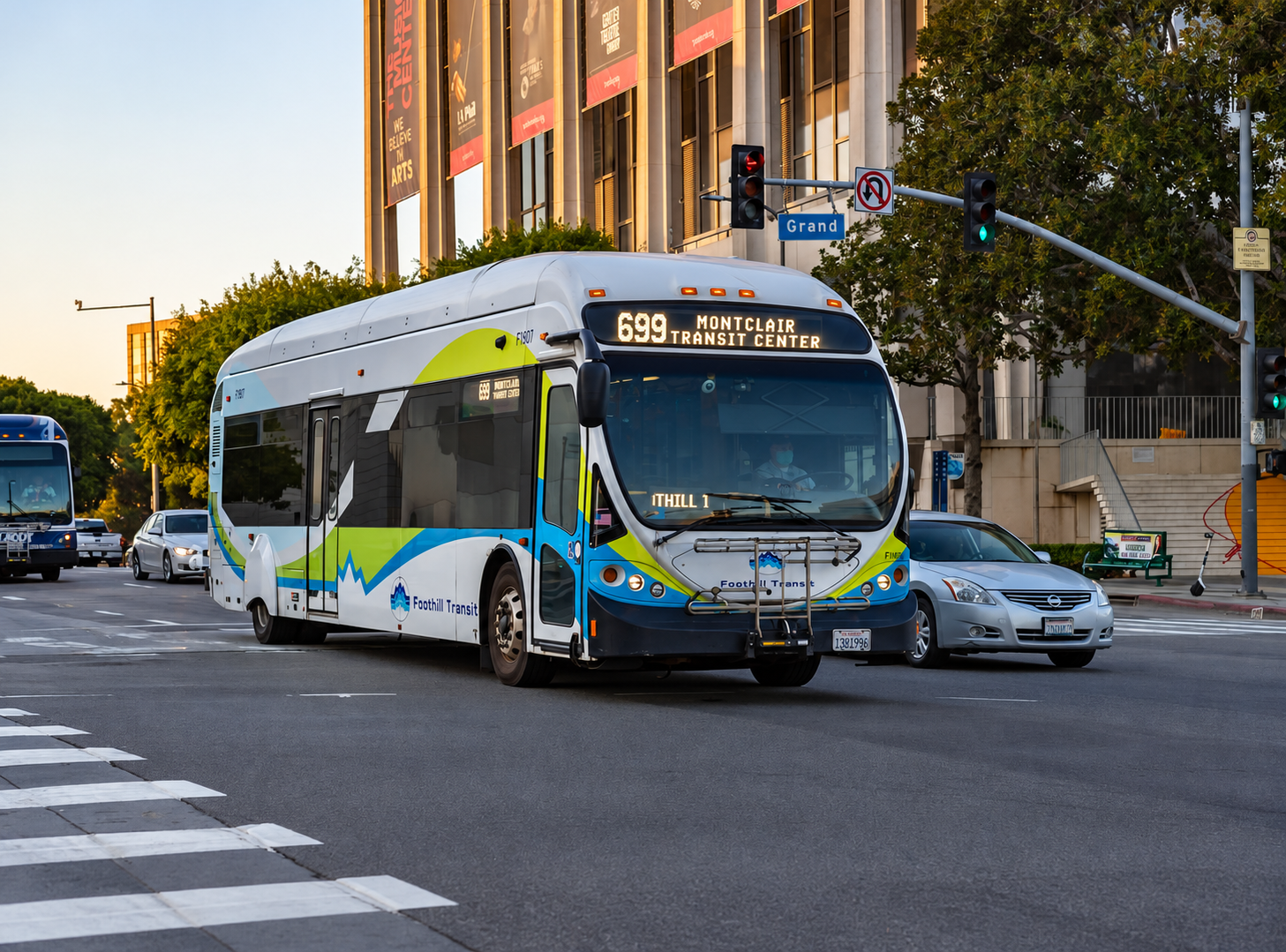
Shorter versions of the model family have likewise survived at several transport operators. In Dallas, alongside the 40-foot vehicles, a further 59 NABIs approximately 9.5 metres long are listed as active: 33 2014-built 30LFW-53 buses and 26 31LFWs, of which 25 are from 2013 and one was built in 2012. New Jersey Transit has 39 buses designated 31-LFW, while 29 examples from Los Angeles Metro's 2009-built series designated 31LFW.02 are active. At Sun Metro, El Paso's transport operator in Texas, the active fleet includes 25 examples of the 2008-built LFW-40 variant and seven buses from the shorter, 2010-built series designated 35LFW-17. The APTA register therefore includes several size and propulsion variants of low-floor NABIs, including vehicles that entered service a decade and a half ago or even earlier.
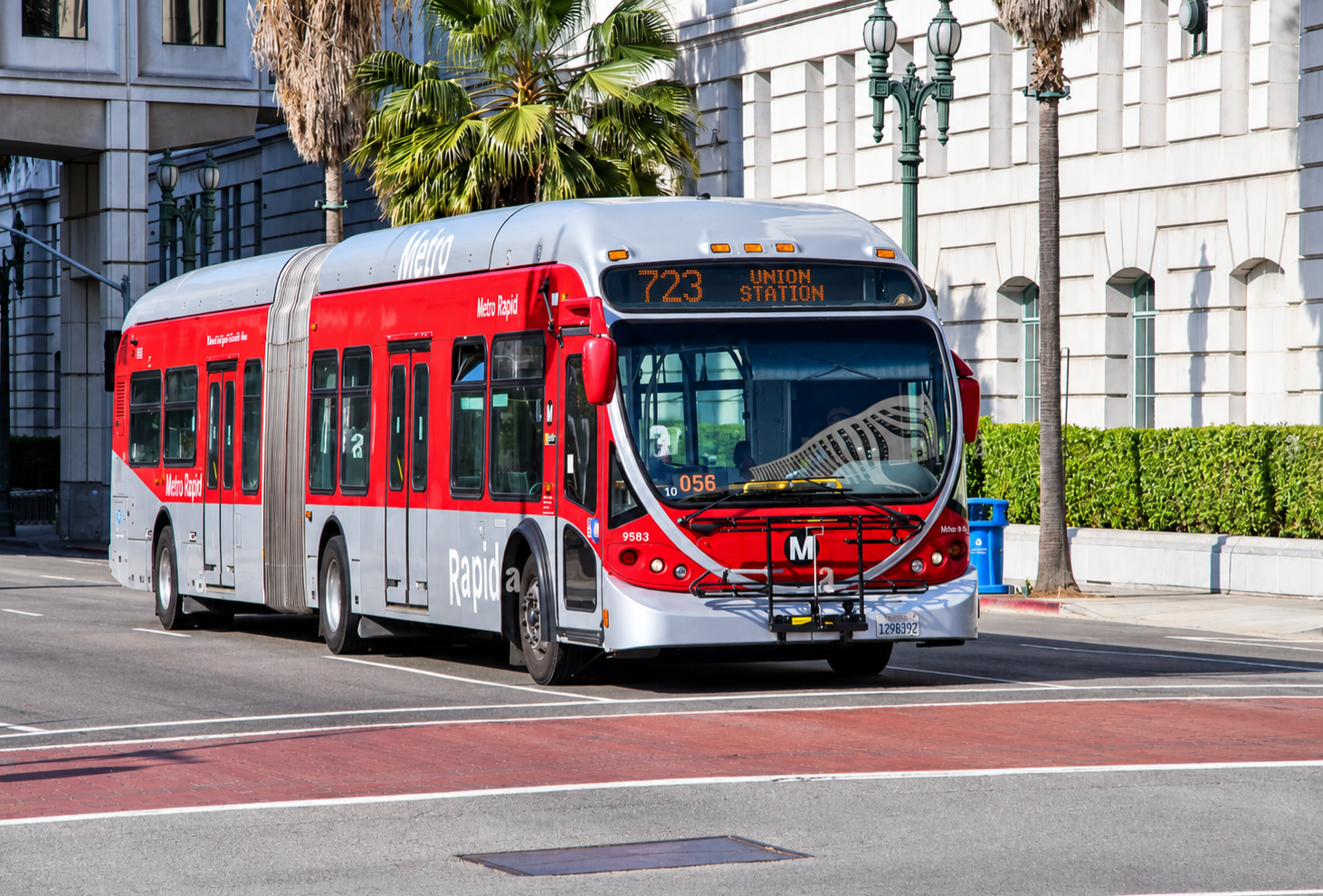
The position of NABI's high-capacity BRT designs is much more varied. Los Angeles Metro's fleet includes 191 approximately 18.3-metre-long articulated buses designated 60 BRT, but only 95 of these remain active, while 96 are inactive. Of the 95-strong 2006 series, 94 buses are active, whereas only a single vehicle from the 96 examples built in 2007 remains in this category. Two 2007-built examples of the articulated BRT buses have also survived at Santa Clarita Transit in California, where APTA records them under the 60-BRT designation. By contrast, 42-foot, or approximately 12.8-metre-long, BRT variants continue to play a defining role at California's Foothill Transit: all 156 active NABI buses in its fleet belong to this model family. Seventy-eight examples of the variant designated 42 FT BRT-03-04 are listed as active, including 14 from 2011 and a further 64 from 2014. In addition, 30 buses of the 42 FT BRT-07.02 variant, likewise from 2014, and a further 30 examples of the 2015 42 FT BRT-07.03 series are recorded as active. The remaining 18 vehicles date from earlier 2009 and 2010 model years of the type family. However, 42-foot BRTs have not survived exclusively in California: Broward County Transit's fleet in Florida includes a further four active diesel-electric hybrid examples, three from 2011 and one from 2012. The database records these under the BRT42 designation.
The composite-bodied NABIs built in Kaposvár deserve special attention. Los Angeles's transport operator has 260 examples of the 45-foot CompoBus variant designated 45CLPW.05.01, from the 2008 model year, in its fleet, but only 19 remain active, while 241 are inactive. This means that only 7.3% of the series, already around 18 years old at the time of the survey, was retained in the active fleet. However, younger model years of the composite-bodied type family have survived in considerably better proportions. Of the 150 examples in the 2012 series designated 45-CLFW-05-05, for example, 149 are active, while 87 of the 91 buses in the 2010 variant designated 45CLFW.05.03 are listed in this category. The difference clearly shows that the operating careers of individual NABI series can differ significantly even within the same transport operator, with not only vehicle age but also technical condition and the operator's fleet-renewal decisions potentially playing a role.
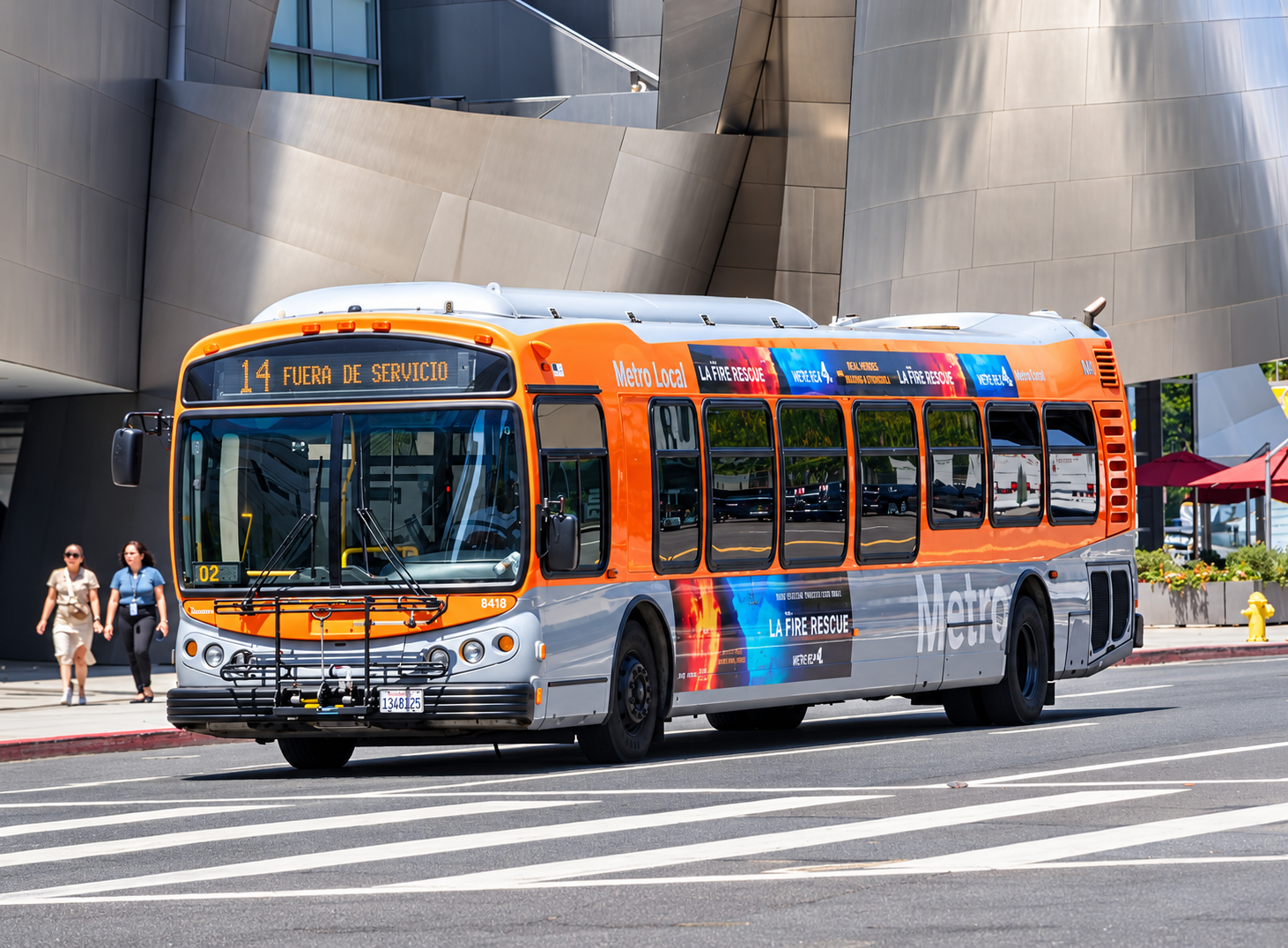
Refurbishments have also played an important role in the vehicles' long service lives. The APTA database records a total of 1,062 NABIs that have previously undergone comprehensive refurbishment or rebuilding. This corresponds to 36.5% of the entire fleet of 2,909 vehicles. The largest group of refurbished vehicles is associated with Los Angeles, where 729 NABIs are listed in this category, compared with 183 in Dallas and 150 at California's Foothill Transit. Interestingly, every NABI listed as refurbished in the database is natural-gas-powered, clearly illustrating the substantial sums that certain American transport operators have invested in extending the lives of their CNG fleets.
However, the high number of refurbished vehicles does not mean that all of them are still in the active fleet today. In Los Angeles, for example, only 419 of the entire fleet of 784 buses remain active, despite 729 refurbished NABIs. APTA also lists a planned refurbishment of a further 265 NABIs in Dallas, although its implementation is questionable, as DART has since decided on a comprehensive fleet replacement. The programme approved by the operator in December 2024 provides for the replacement of 476 NABI and 46 New Flyer buses, which will be replaced by new Gillig CNG vehicles in 2026–2027. However, APTA's records still listed 448 active NABIs in Dallas at the beginning of 2026.
Thus, more than a decade after production ceased, NABIs still have a presence in American public transport, although their numbers are dwindling year by year. This process is expected to accelerate in the coming years, as a significant proportion of the buses still in service have already exceeded their usual service life, while operators gradually replace ageing examples with new vehicles.