Operating costs became too high: EBS’s bus concession for the IJssel–Vecht region to end early
Due to serious financial and operational problems, the bus public-service contract held by Dutch transport operator EBS, part of Israel’s Egged Group, in the IJssel–Vecht region will end more than six years earlier than originally planned. On 8 October, the three provinces concerned – Overijssel, Gelderland and Flevoland – announced that they had reached an agreement in principle with the operator to end the concession in July 2029, although the original contract would have secured EBS’s operation of bus services in the region until 2035. The decision stems from persistently loss-making operations, operational difficulties arising after the launch of the service, rising costs and limitations in the infrastructure required to support the electric bus fleet. The situation has escalated to the point where the provinces must make an additional financial contribution to ensure service continuity, while preparations have already begun for a new tender covering the period after 2029.
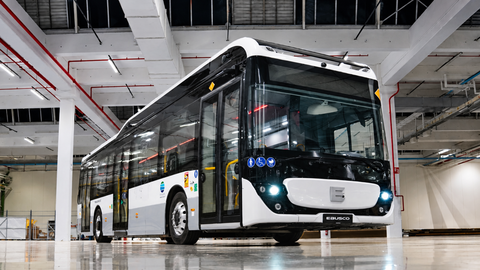
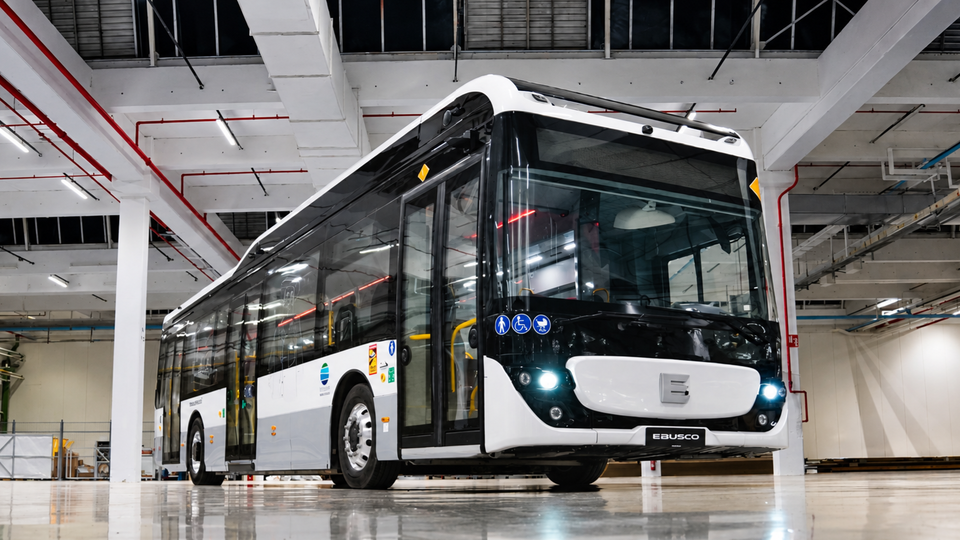
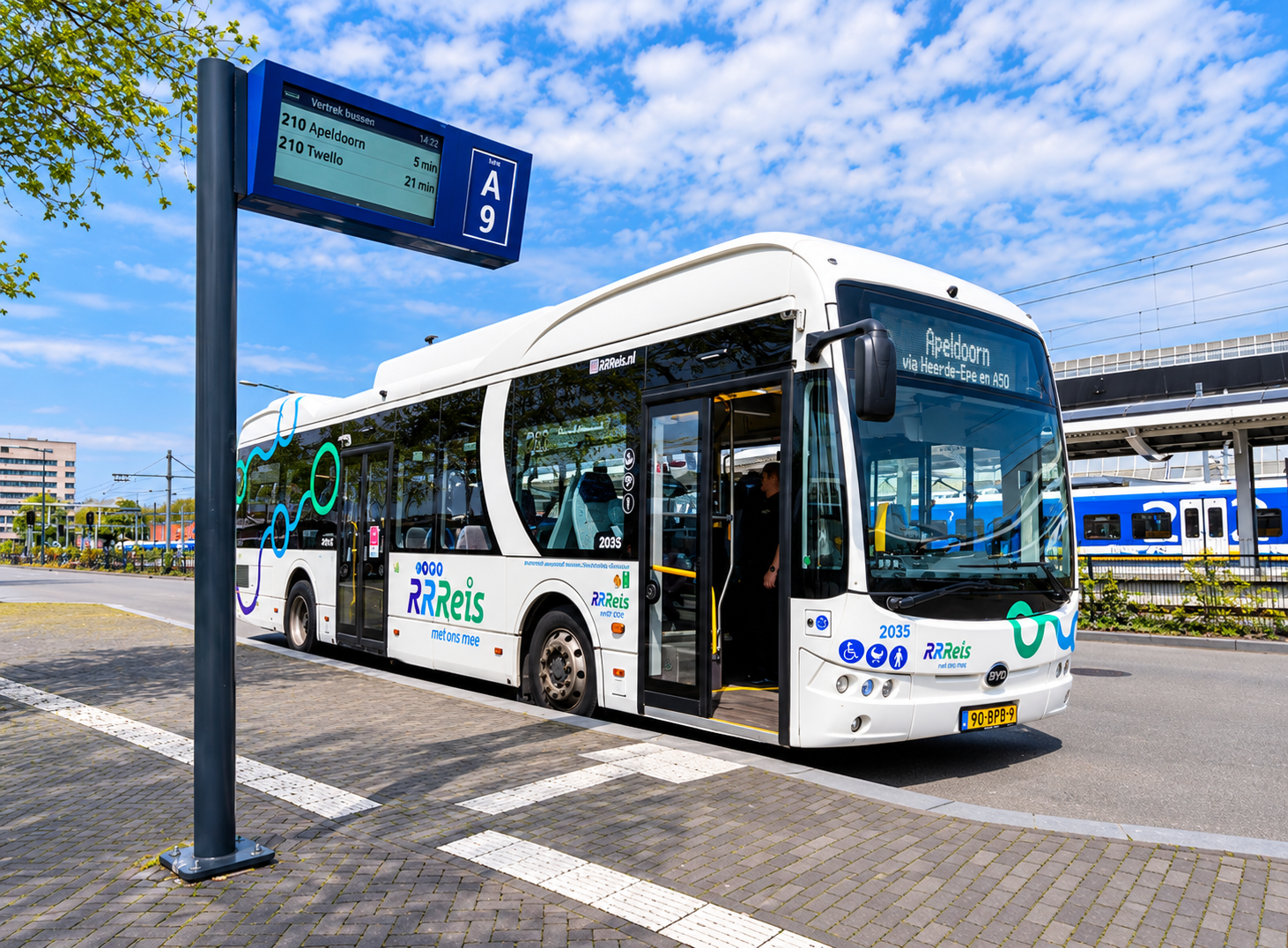
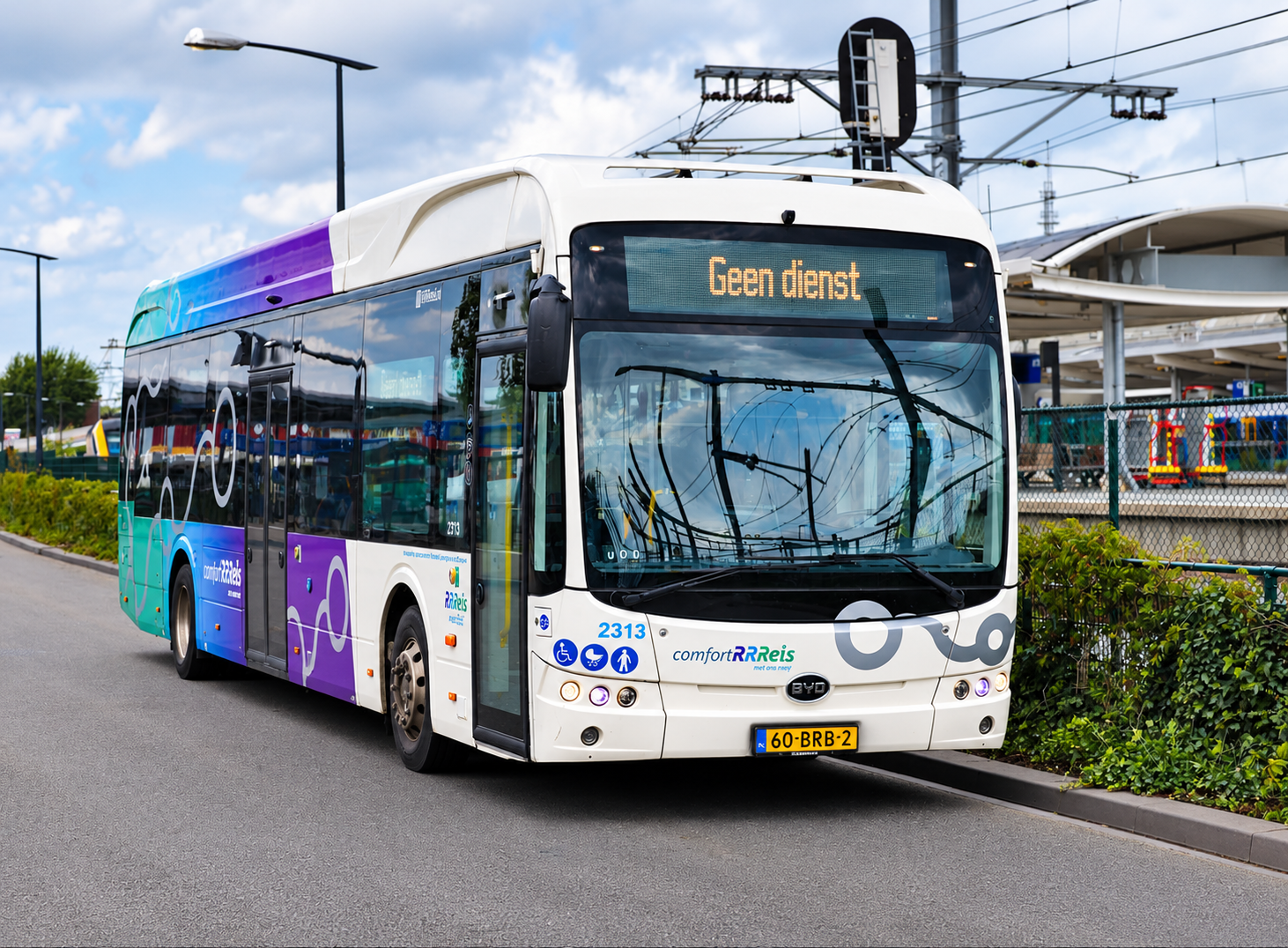
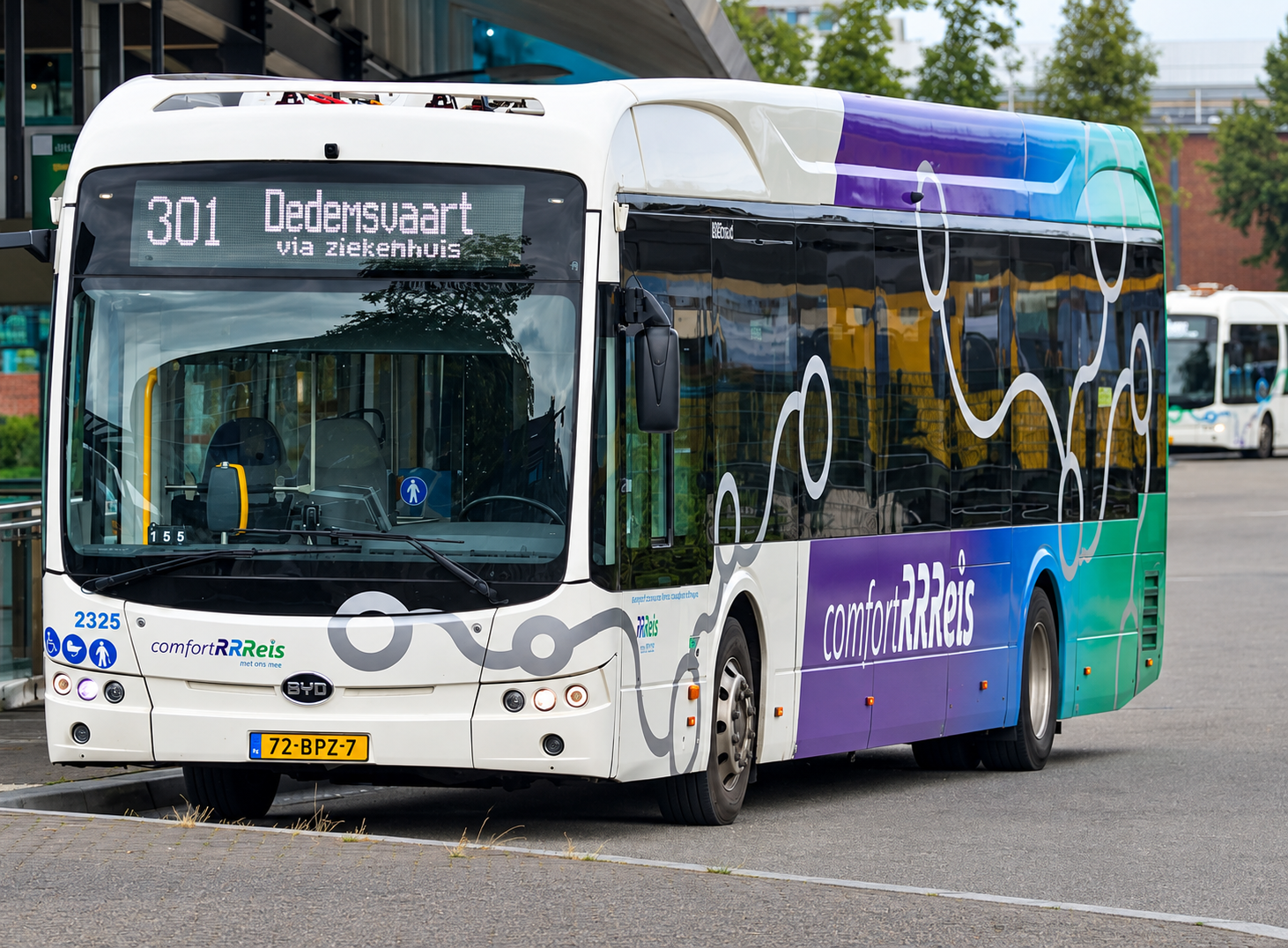
The IJssel–Vecht concession was previously operated by Keolis, from which the long-term contract was withdrawn in 2020 due to irregularities uncovered during the 2019 tender procedure. Having won the repeated tender, EBS took over the service in December 2022, along with the 259-strong BYD electric bus fleet previously acquired by Keolis. According to data included in provincial reports, the concession’s vehicle fleet comprises more than 300 buses and minibuses: alongside the BYD electric buses, the fleet also includes eight diesel-powered Mercedes-Benz CapaCity articulated buses, 31 Ebusco 3.0 LE electric buses and 40 Tribus minibuses. In addition to the vehicles, the charging infrastructure associated with the electric buses also formed part of the change of concessionaire, meaning that the new operator had to organise the operation of a substantial electric-powered system from the outset.
EBS’s bid was judged the most favourable of three submissions in the 2022 tender. According to the provinces’ assessment at the time, the commitments were ambitious but realistically achievable. The contract would have ensured the long-term continuation of the service and created an opportunity for further modernisation of bus transport in the region, particularly by increasing the proportion of vehicles with no local emissions. In practice, however, it soon became apparent that the original business model had assumed significantly more favourable operating conditions than those that ultimately materialised.
During the first years of the concession, EBS encountered serious difficulties. Due to a shortage of drivers, problems with the buses available and shortcomings in organising the service, the company was unable to fully operate the contracted timetable for extended periods. Cancellations and delays generated an increasing number of passenger complaints, while the provinces sought to enforce improvements in service quality through financial penalties.
In November 2024, EBS was fined approximately €3.5 million over its 2023 performance, representing the maximum sanction applicable for that year. The problems did not disappear entirely in the subsequent period either: in some quarters, the proportion of cancelled services exceeded five per cent, while the contractual tolerance threshold was just 0.2 per cent. Although the company managed to alleviate its staff shortage by recruiting around 150 new drivers, concerns over service reliability remained on the agenda.
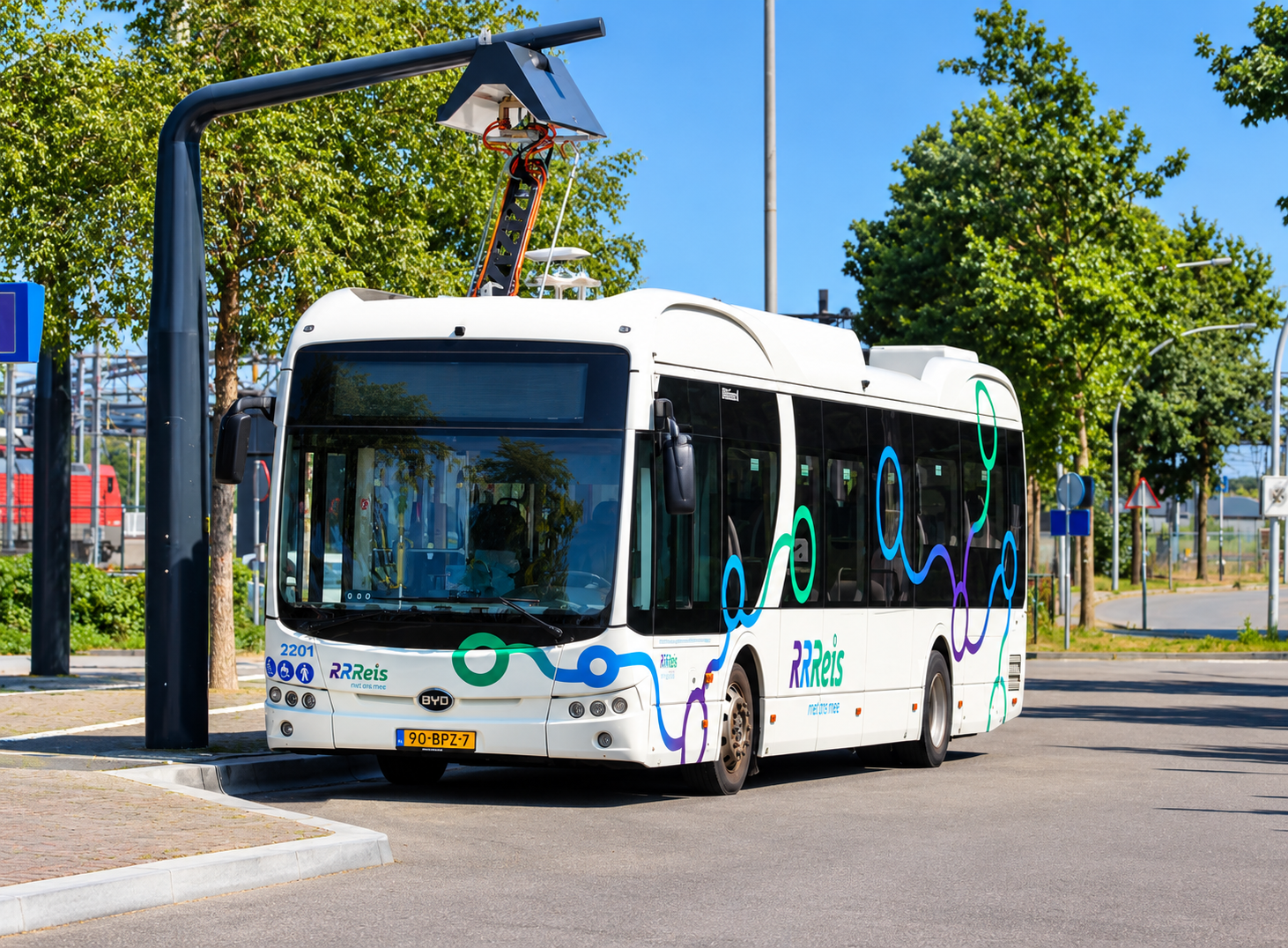
The operational difficulties were compounded by problems with the infrastructure needed to support electric buses. A shortage of electricity-grid capacity, an increasingly significant problem in the Netherlands, made it more difficult to develop charging infrastructure, while failures of charging equipment and technical issues with the vehicles also resulted in additional costs. In order to stabilise the service, EBS had to invest in additional buses, staff and energy-supply solutions, further undermining the concession’s economic viability. These outlays, however, further increased the costs of an already loss-making concession.
The seriousness of the financial situation became public in July 2026, when the representative bodies of the three provinces and EBS employees were informed that the company had accumulated substantial losses in the IJssel–Vecht region. The operator had by then made it clear that it could not finance operations over the long term under the original contractual conditions. In the company’s view, the additional costs incurred in recent years cannot be imposed solely on the operator indefinitely, especially where some of them arise from circumstances beyond the provider’s control.
For the provinces, however, providing financial assistance was not a straightforward solution either. Retrospectively granting substantial support to a concession won through a tender could raise competition-law and public-procurement concerns, since subsequently amending the terms of a bid found to be loss-making could adversely affect the interests of the other bidders involved in the original procedure. Maintaining the contract on unchanged terms, meanwhile, would have carried the risk of EBS’s financial position deteriorating further, ultimately jeopardising the operation of public transport in the region.
The agreement announced on 8 October, following several months of negotiations, therefore represents a form of compromise. EBS will continue to provide the service under the current concession until 7 July 2029, meaning that the contract will end more than six years earlier than originally planned. The provinces will provide an additional financial contribution to maintain transport services during the remaining period, while the operator will still have to bear the larger share of the losses. As part of the arrangement, Egged, EBS’s Israeli parent company, must guarantee that the service will continue uninterrupted until summer 2029. The provinces will also retain the option of applying sanctions for contractual breaches, while changes to the timetable offering and further cost-saving measures cannot be ruled out in order to reduce operating costs.
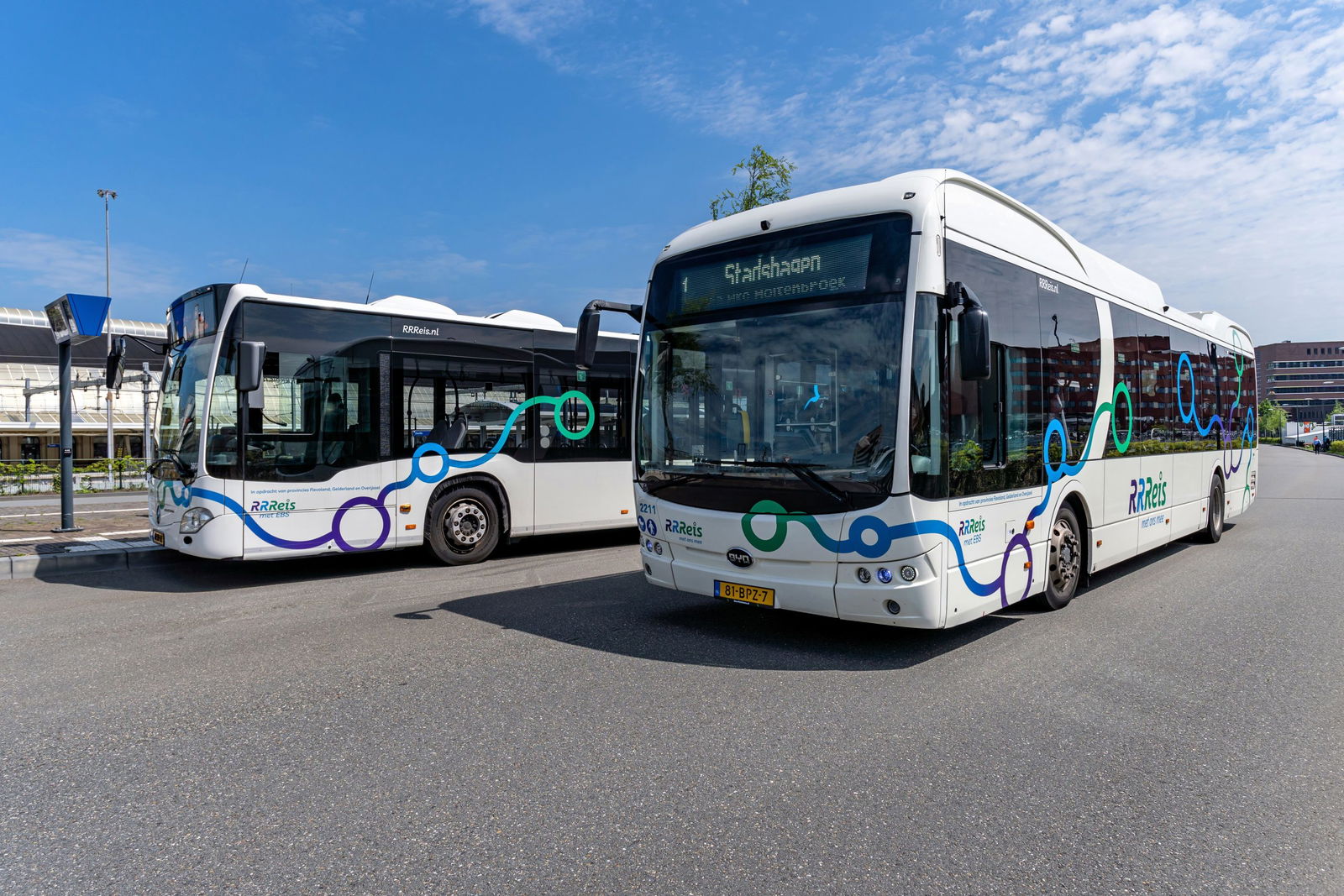
One particularly important element of the agreement concerns the fate of the vehicle fleet and charging infrastructure. Under the original contract, which ran until 2035, EBS could account for the depreciation of the buses and associated facilities in line with long-term operation. Ending the concession in 2029, however, means that the book value of certain assets will not have been fully recovered by then. Under the planned settlement, the provinces will take over the affected vehicles and charging equipment at the end of the concession, while EBS will receive compensation for investments whose value it can no longer fully account for as a result of the early termination of the contract. In parallel, the three provinces are preparing a new tender procedure for the period after July 2029.
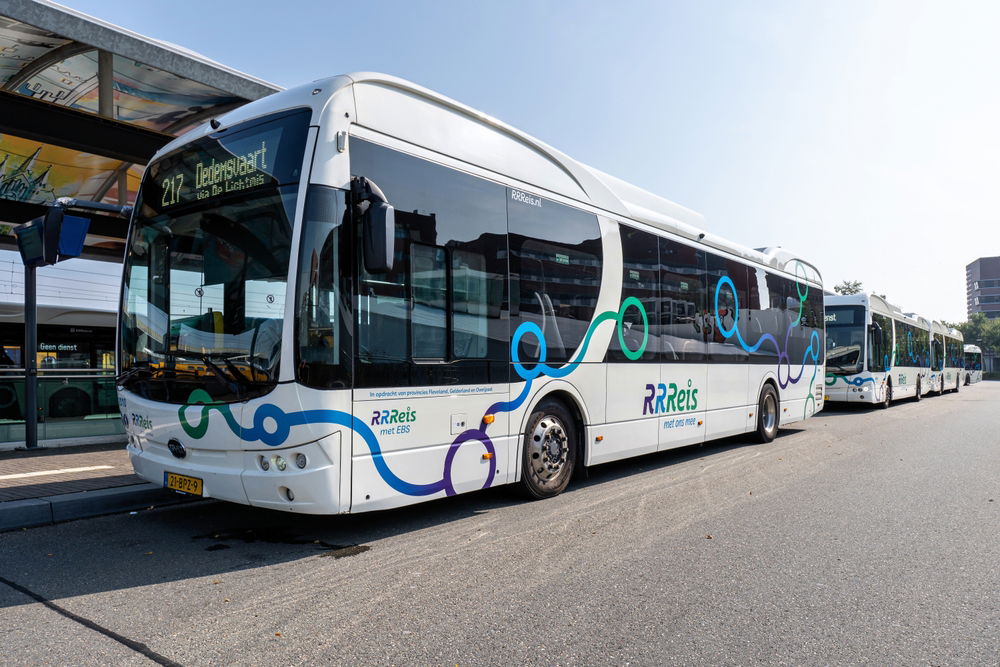
The IJssel–Vecht concession case is particularly instructive from the perspective of electrifying European bus public services. The Dutch experience highlights that, alongside vehicle purchase prices and energy consumption, the economic viability of large-scale electric bus operations is also determined by the availability of charging infrastructure, the capacity of the electricity grid and the vehicles’ actual operational availability. EBS’s financial crisis, however, cannot be attributed solely to electric propulsion: staffing problems, rising operating costs and overly optimistic tender commitments together led to the point at which maintaining the concession planned to run until 2035 became economically unviable under the original conditions.