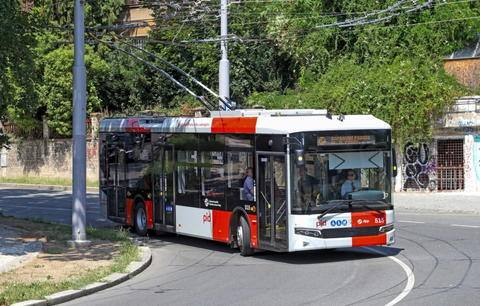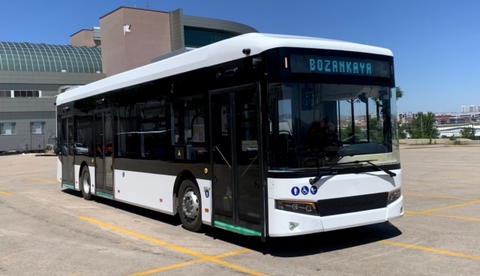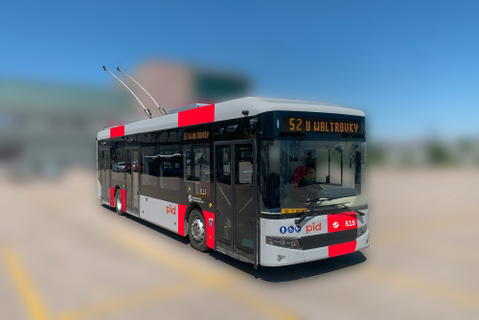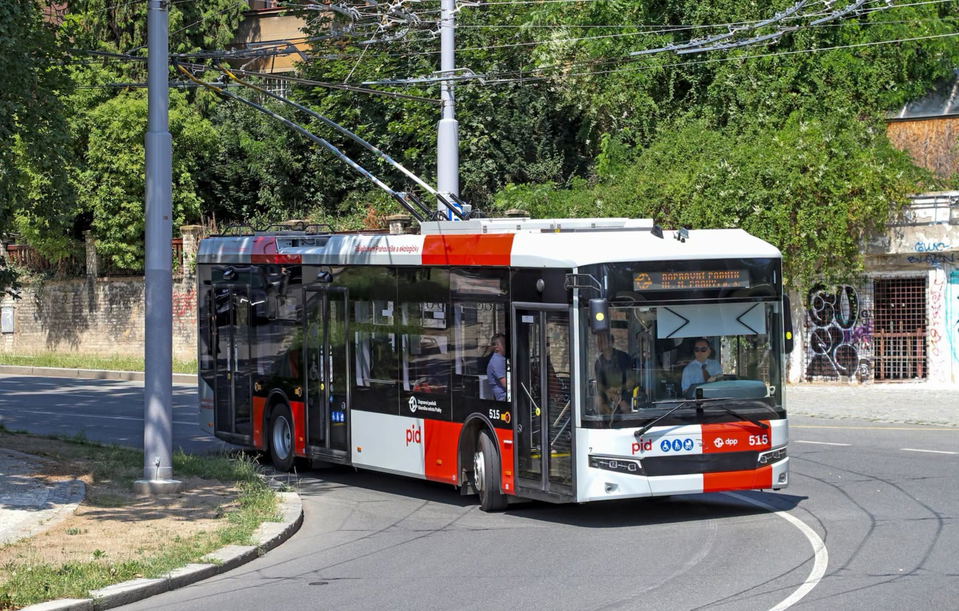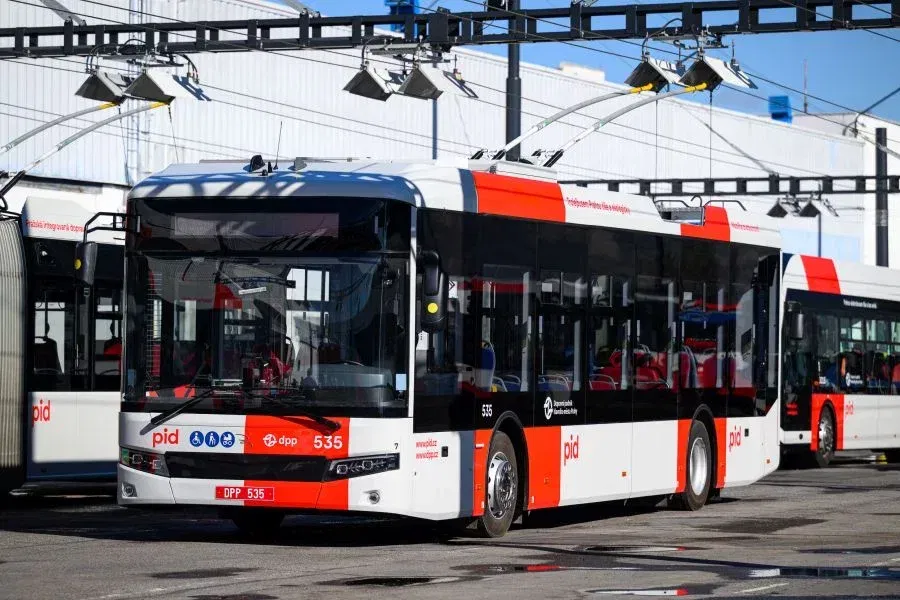
After months of wrangling, Turkish trolleybuses have finally entered service in Prague
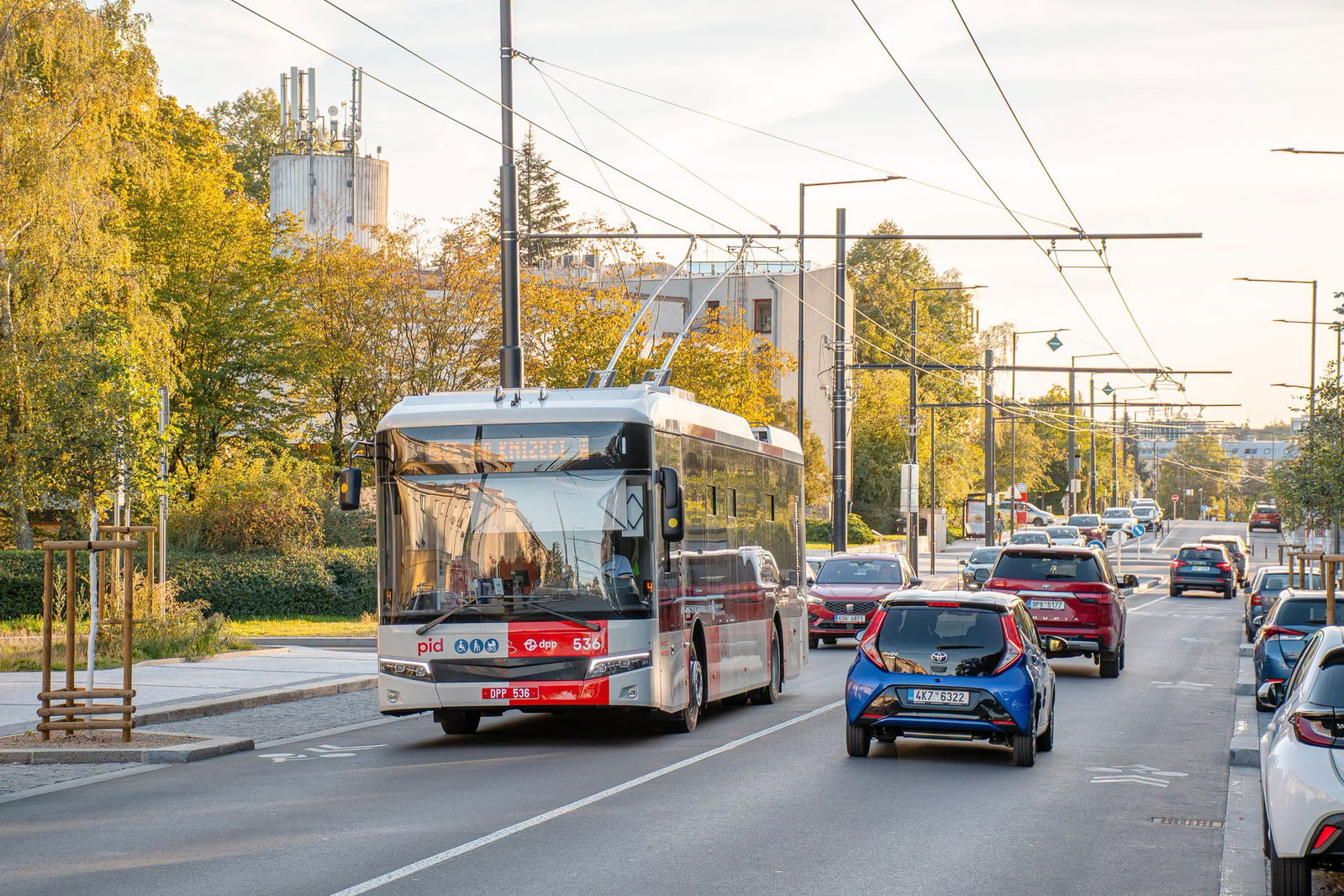
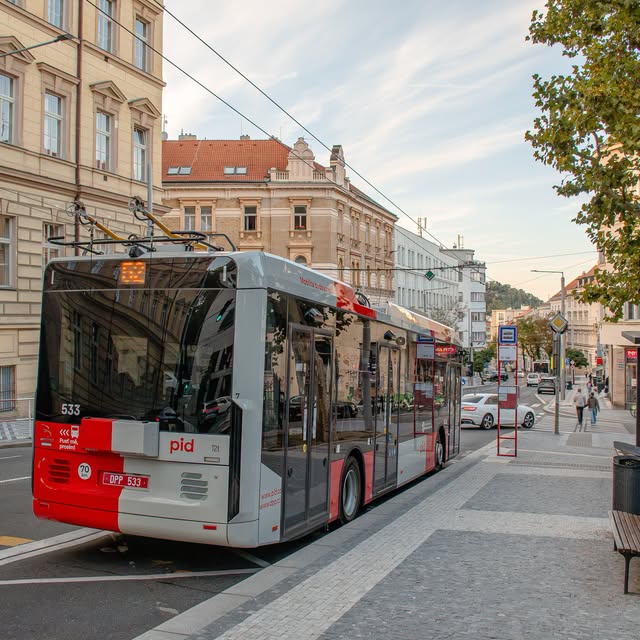
After months of acceptance difficulties, Bozankaya’s Turkish battery trolleybuses finally began scheduled service in Prague in September. The Czech capital’s transport operator, Dopravní podnik hl. m. Prahy (DPP), initially accepted 13 of the 30 Lamis 12-M trolleybuses ordered, which are gradually being introduced into the city’s public transport network. The development is particularly significant given that the entire fleet had already arrived in Prague in May, but acceptance of the vehicles was delayed for months by technical and documentation issues. In a statement published on 8 October, Bozankaya now highlights the trolleybuses’ technical features and European supplier base, while providing no further information for the time being on the acceptance of the remaining 17 vehicles.
Bozankaya’s involvement in Prague encountered numerous obstacles even before the vehicles were delivered. The Turkish manufacturer won DPP’s 2023 public procurement tender for up to 70 standard battery trolleybuses, but the contract could only be concluded after almost two years of legal disputes. The other bidder, Škoda Electric, challenged the outcome of the procedure on several occasions, objecting, among other things, to the proposed delivery deadline, the bid price, and the fact that Bozankaya did not yet have a prototype approved in the Czech Republic. The project was further complicated by the fact that the originally planned traction equipment supplier, Cegelec, was acquired by the Škoda Group in the meantime, so the Turkish company ultimately reconfigured the vehicles’ traction system with the Polish firm Medcom.
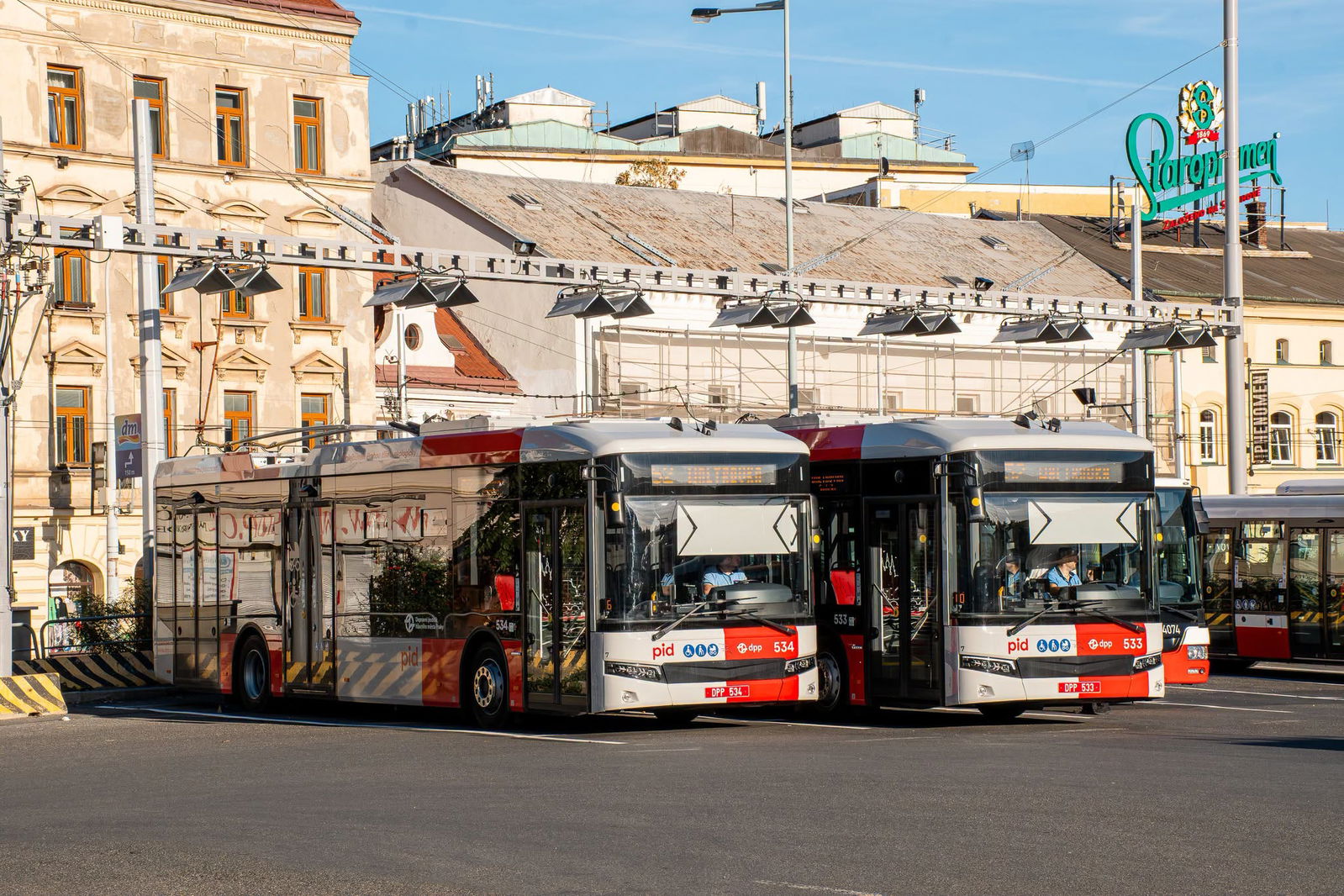
Despite the protracted legal disputes, Bozankaya was ultimately able to retain the order, while DPP called off a total of 30 trolleybuses from the framework contract in two batches. The first examples arrived in January, with the last vehicles arriving in Prague in May, but the acceptance procedure was far from smooth. Although the type obtained the necessary regulatory approvals in mid-April, DPP identified several technical deficiencies, the rectification of which took months. The process was also accompanied by an official inspection of the vehicles’ width, followed by objections concerning the quality of the Czech-language technical documentation. At the end of August, the transport operator had not yet definitively accepted a single trolleybus.
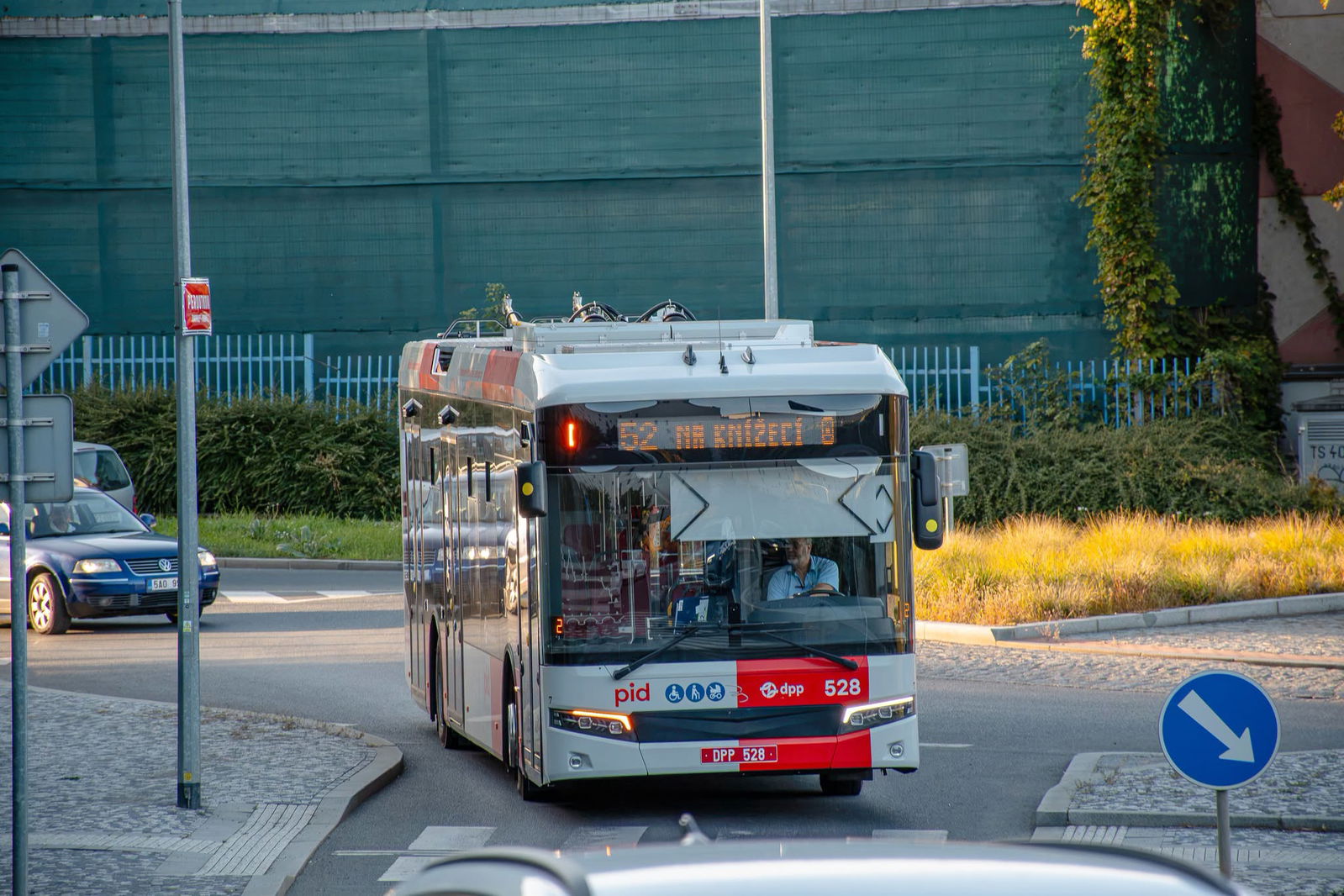
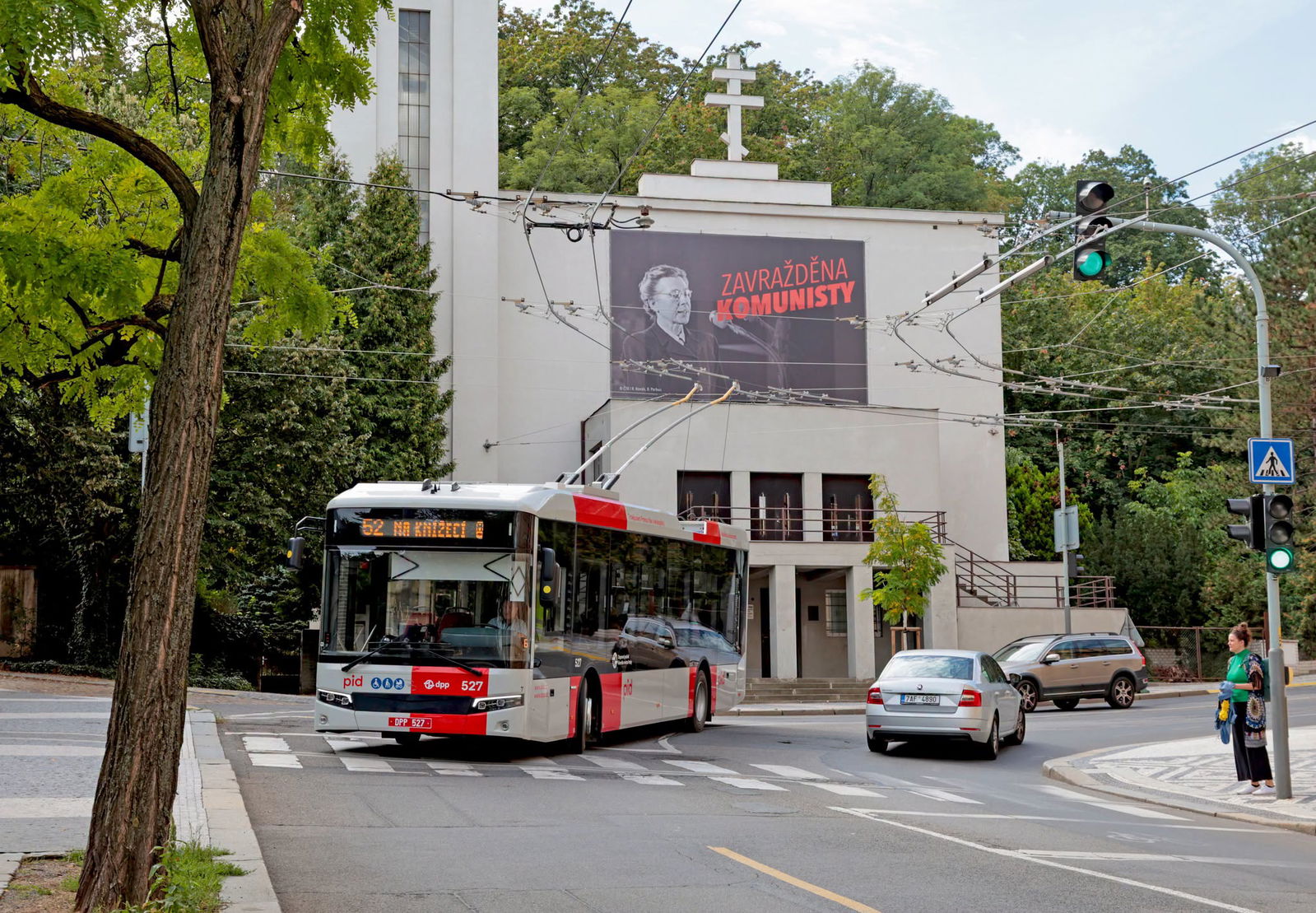
The situation changed in September, when DPP accepted the first 13 vehicles, enabling their gradual entry into service. This also removed one of the most significant obstacles to the expansion of Prague’s trolleybus network. The Bozankaya fleet was originally procured to operate trolleybus routes 51, 52 and 53, the electrified successors to the former bus routes 131, 137 and 176. The necessary overhead wiring and power-supply infrastructure had already been completed, while trolleybus trial operation with other types had been under way for months. On 21 September, the transition on route 52 could be completed in full, allowing the parallel 137 bus service to be withdrawn.
In developing the Prague trolleybuses, Bozankaya paid particular attention to making the most efficient possible use of passenger space. To this end, a substantial proportion of the main traction equipment was installed on the roof, meaning that it takes up less space inside the vehicle. The solution primarily creates more free space for standing passengers in the rear section of the passenger compartment, while also making it easier to move around inside.
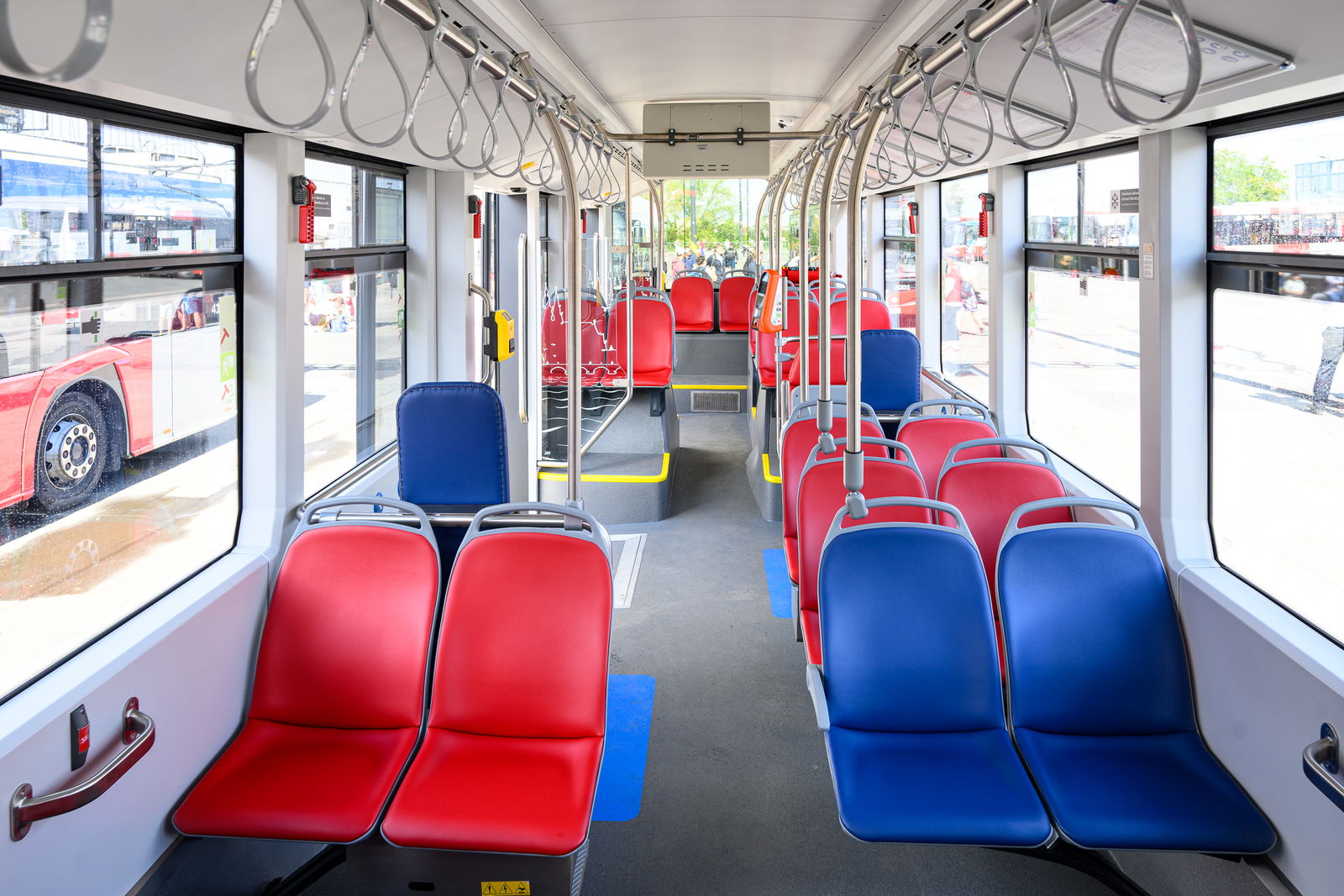
According to Emrah Dal, Vice-Chairman of Bozankaya’s Board of Directors, the development of the Prague vehicles focused primarily on the features that passengers encounter directly in day-to-day use. Available space, unobstructed movement within the passenger compartment, and comfort in both summer and winter were all key considerations.
According to Bozankaya, the air-conditioning system of the Prague trolleybuses was sized to operate properly even at outside temperatures of around 45 °C and with a full passenger load. The driver’s cab has an air-conditioning unit independent of the passenger compartment, allowing its temperature to be regulated separately. The vehicles have also been fitted with supplementary heating units to ensure adequate heating capacity during cold winter periods. According to the manufacturer, Prague’s varied climatic conditions were taken into account in the design, as both summer heat and winter cold place considerable demands on vehicle climate control.
One of the trolleybuses’ most important technical features is their battery traction system, which also enables independent operation. The vehicles are equipped with a lithium-titanate-oxide (LTO) traction battery system supplied by Forsee Power, comprising four modules with a total capacity of approximately 60 kWh, enabling operation independently of the overhead wires. According to the manufacturer’s data, under normal operating conditions, with a full passenger load and the air-conditioning or heating system in operation, the trolleybuses can cover approximately 40 kilometres in battery mode. Under the UITP E-SORT 2 standardised test cycle, however, an off-wire range of up to 60 kilometres can be achieved.
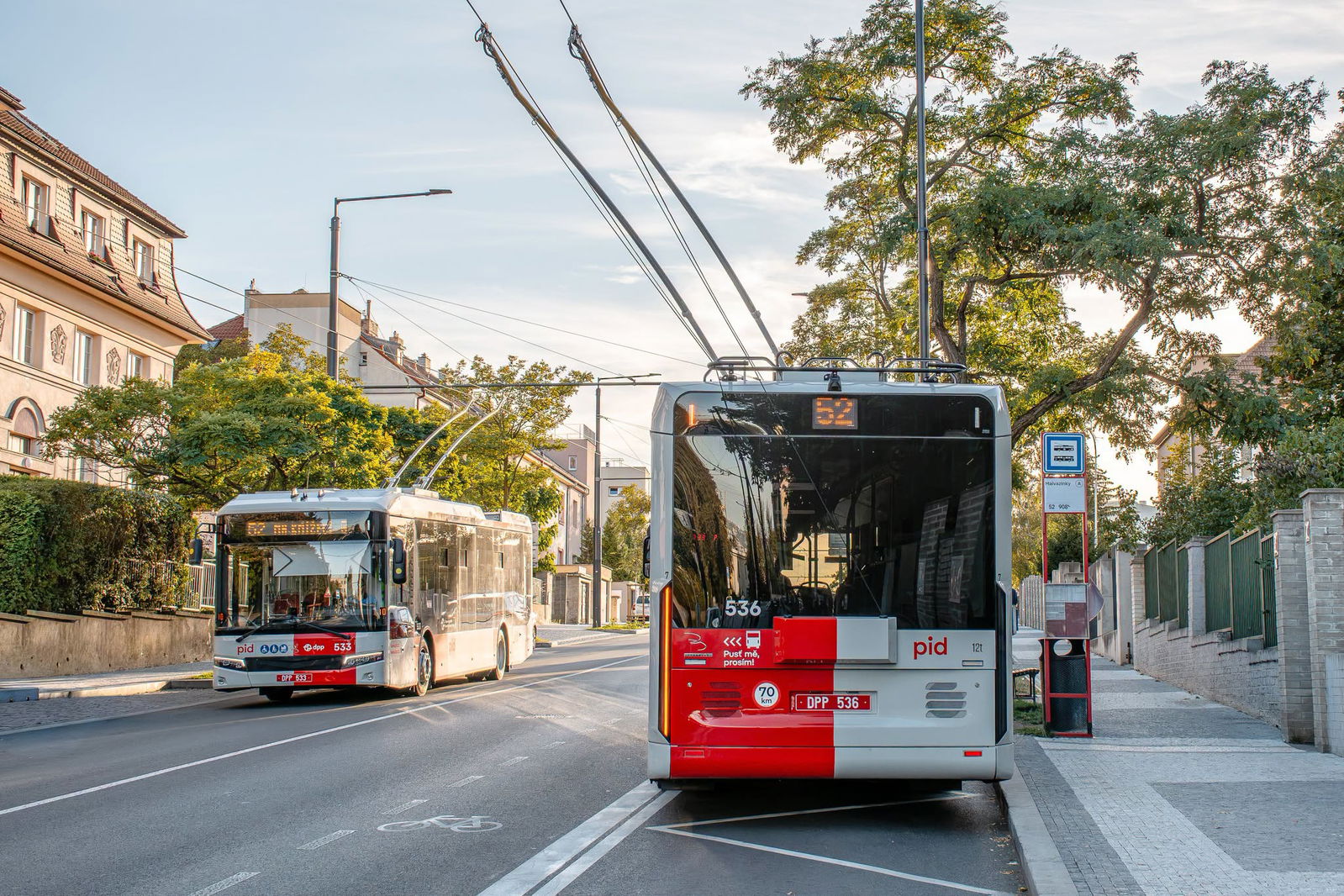
Battery operation not only enables the vehicles to serve sections of route without overhead wiring, but also significantly increases operational flexibility. The trolleybuses can therefore continue their journey in the event of overhead wire faults, power outages, roadworks or temporary traffic diversions, provided the battery charge permits it, thereby mitigating the impact of unexpected operational disruptions on passengers.
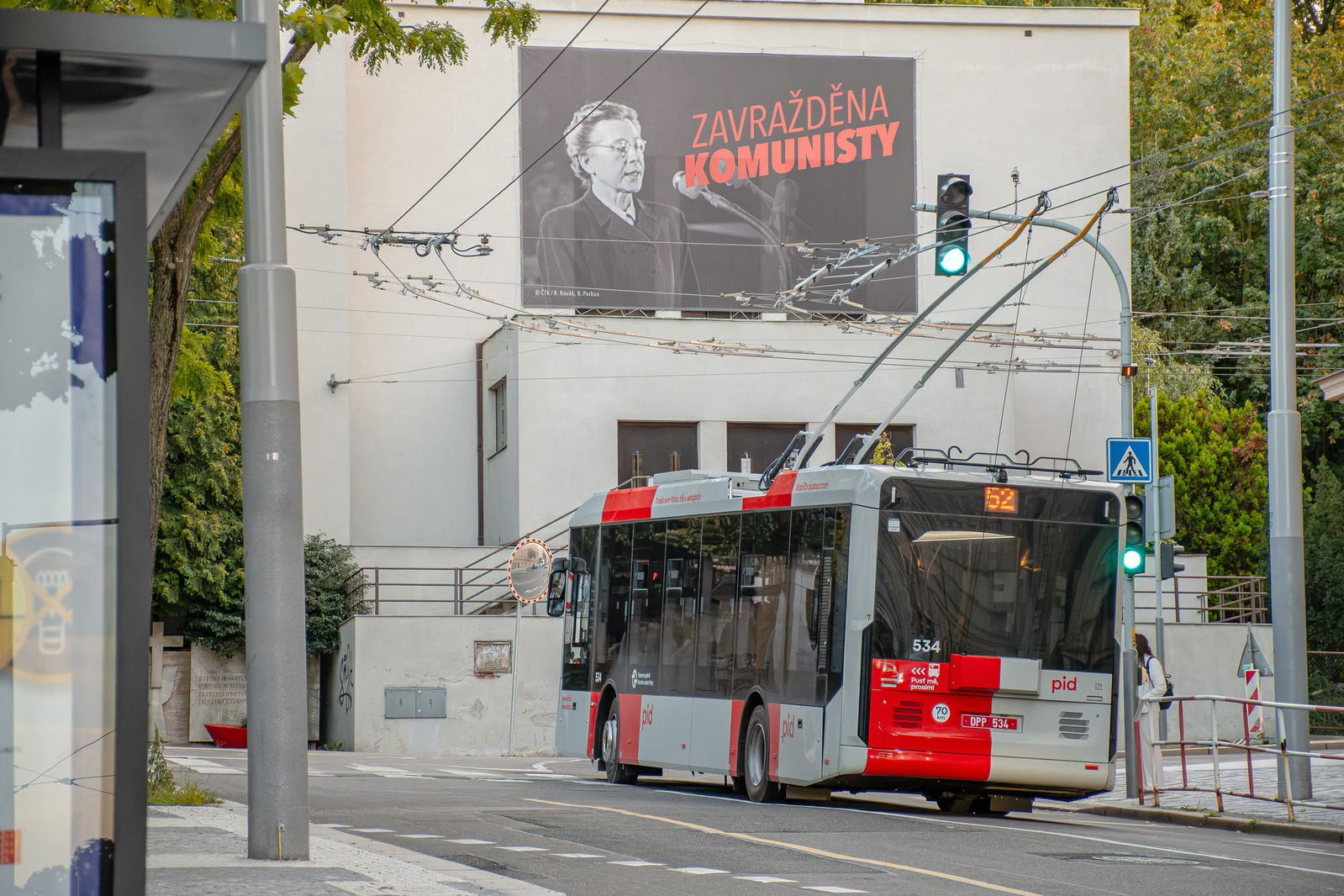
A further feature of the Prague specification is that, alongside the 750 V nominal network voltage used in the city, the trolleybuses have also been equipped with a 600 V operating mode. This was necessary because the voltage of the overhead network on route 51 can be reduced when required in order to operate historic trolleybuses designed for the older 600 V system. The lower-voltage operating mode can be selected by the driver using a separate switch located in the cab, eliminating the need to reprogramme the traction electronics’ software.
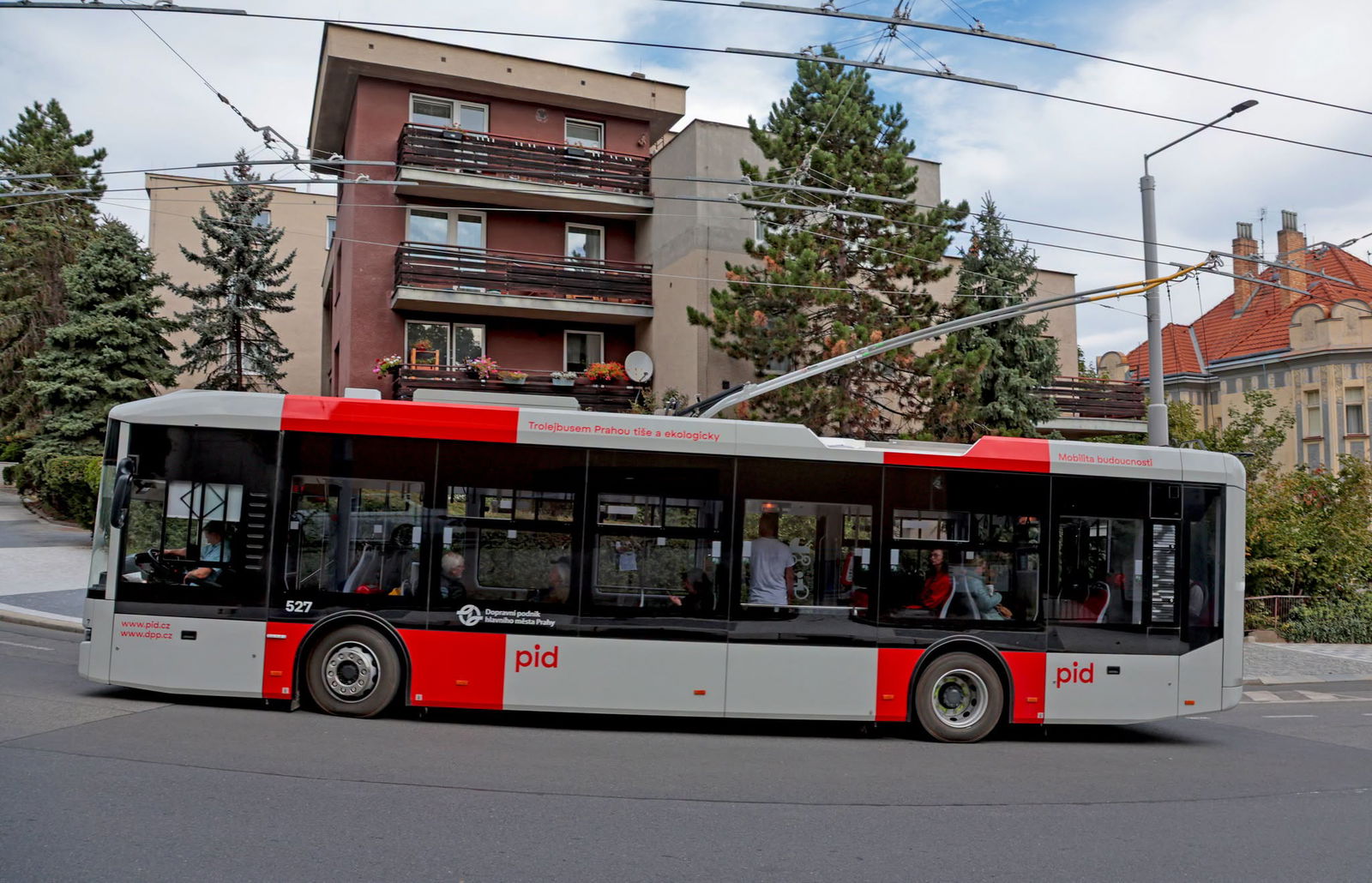
Another prominent element of Bozankaya’s statement is the trolleybuses’ European supplier base. According to the manufacturer, more than 70% of the components used in the Prague vehicles come from European suppliers, with Czech companies also playing a significant role. The current collectors are supplied by Faiveley’s Czech plant, the passenger doors by the Dutch company Ventura, and the flooring by Czech firm ANVI TRADE. The passenger seats are made by Poland’s Ster, while the driver’s seat is supplied by Germany’s ISRI. The air-conditioning system, the integrated passenger information and vehicle management system (ITCS), the tachograph system and several different signalling devices also come from the Czech Republic.
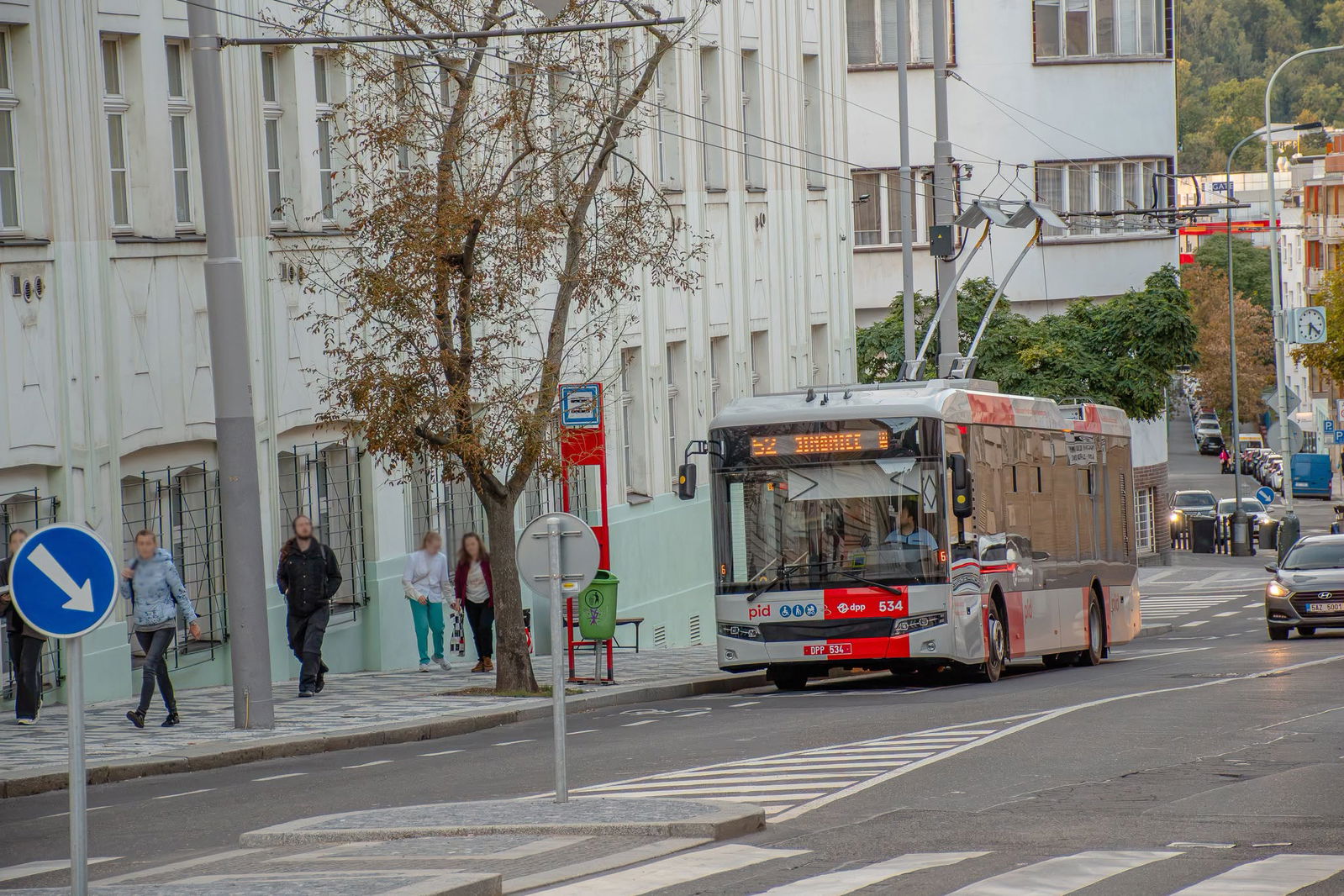
Other key components of the traction system are manufactured in other European countries. The traction inverter is supplied by Poland’s Medcom, the traction motor by Austria’s TSA, while the batteries are products of France’s Forsee Power. The axles are sourced from Germany’s ZF: an RL 82 EC independent-wheel-suspension axle is used at the front, while an AV 133 driven portal axle is fitted at the rear. Electronically controlled air suspension is provided by WABCO ECAS, while electronic control of the braking system is handled by WABCO EBS3. Originally founded in the United States, WABCO has been part of Germany’s ZF Group since 2020. Bozankaya states that, in selecting suppliers, it considers not only procurement price but also reliability, service life, spare-parts availability and maintenance costs over the entire operating period.
The emphasis on the European supplier base is particularly noteworthy in light of the background to the Prague procurement. Bozankaya entered as a new player in a market long dominated by domestic manufacturer Škoda, where the Turkish manufacturer’s favourable bid price had already sparked serious debate during the procurement process. The manufacturer’s current communication may therefore also be interpreted, alongside presenting the vehicles’ technical features, as an emphasis on European industrial links and the role of local suppliers.
Bozankaya is not, incidentally, an entirely new player in the European market for rail-based and electric public transport vehicles. Founded in Germany in 1989 as an engineering company, the firm now operates with its headquarters and production base in Ankara, and its product range includes trams and metro vehicles alongside electric buses and trolleybuses. The company previously marketed its own-developed electric buses under the Sileo brand through Germany’s Sileo GmbH, and later sold the design solutions of the new-generation Sileo model range to Turkish manufacturer Karsan. Bozankaya has since developed a new electric bus family called Lumis, ranging from standard versions to double-articulated variants. The manufacturer builds on its own-developed vehicle platforms, which it adapts to the requirements of individual customers.
The manufacturer’s references include battery trams operating in Timișoara, Romania, capable of off-wire ranges of several tens of kilometres, as well as the 33 trolleybuses also ordered for the city, of which 25 are articulated and 8 are standard vehicles. Bozankaya is also manufacturing trams for Naples, Italy: the order, originally for 20 vehicles, was later expanded to a total of 50 units. The first trams have already been delivered and the necessary testing is currently under way. As a partner of Siemens Mobility, the Turkish company also took part in the production of 22 four-car metro trains for Bangkok’s BTS Skytrain. The trains were built at the Ankara plant, while Siemens supplied, among other things, the bogies and the traction and braking systems, and also contributed to development and commissioning.
Despite all this, the Prague project cannot yet be considered complete. Bozankaya’s statement of 8 October does not address the timetable according to which the remaining 17 vehicles may be accepted, even though placing the entire fleet into service is an important condition for the planned expansion of the trolleybus network. Moreover, the framework contract between DPP and Bozankaya, which allows for the supply of up to 70 vehicles, may also make it possible to procure further trolleybuses, meaning that the operational experience gained from the vehicles now entering service could also be decisive for future orders.