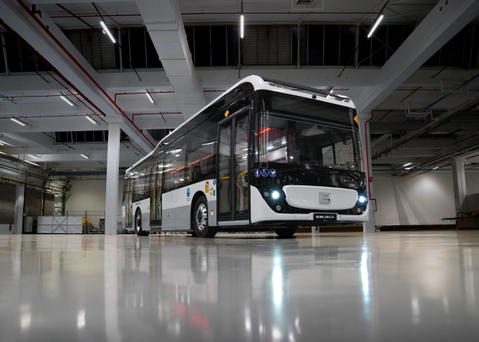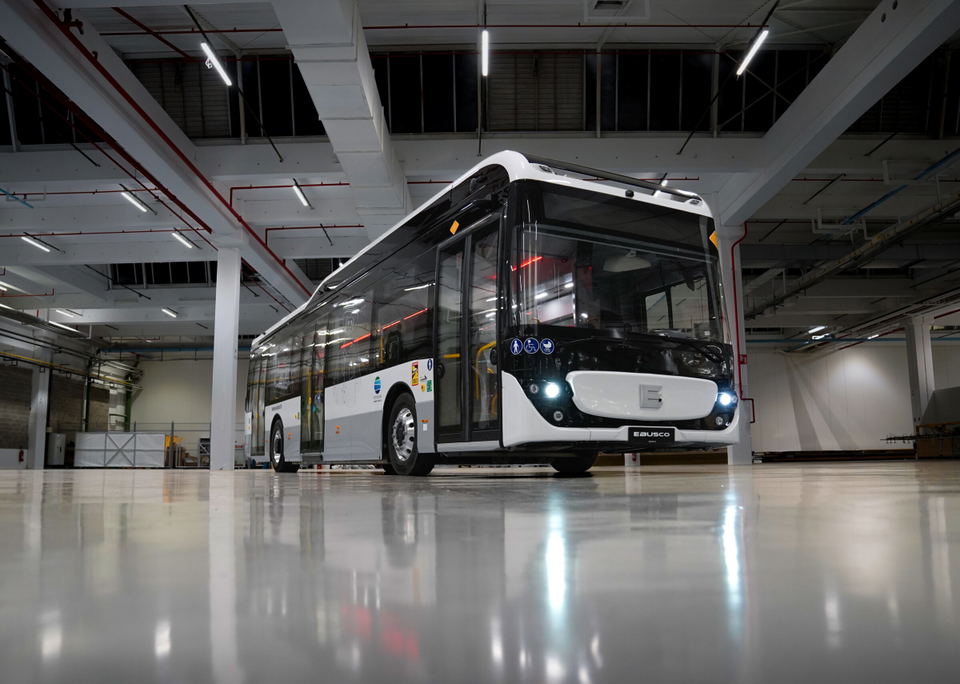
Money for production, but none for operations – Ebusco’s situation remains critical
There is still no sign of a way out of the Dutch company Ebusco’s seemingly endless financial crisis. The situation of the electric bus manufacturer, which has been struggling for years with severe liquidity problems, production difficulties and repeated delivery delays, has not been sustainably stabilised by the restructuring, cost-cutting measures and further capital injections implemented in recent times. According to the company’s statement published on 9 October, its available liquid resources are sufficient to sustain operations for only a short time, while no binding agreement has yet been reached on the urgently needed additional funding. Although China’s Gotion has approved nearly €5.9 million in support to fulfil the Rouen order, the sum may be used exclusively for vehicle production and therefore does not offer a solution to financing Ebusco’s operating costs.
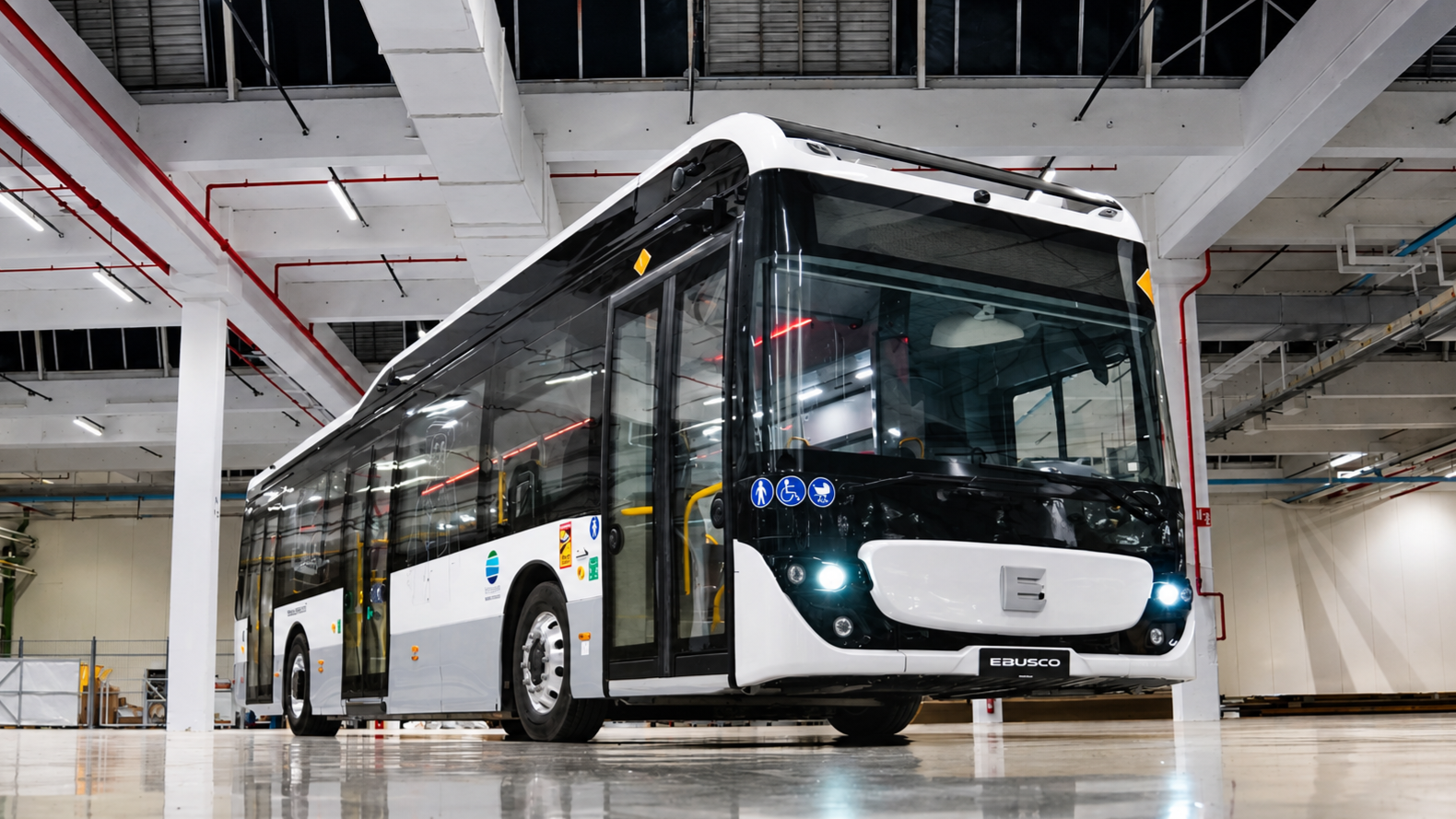
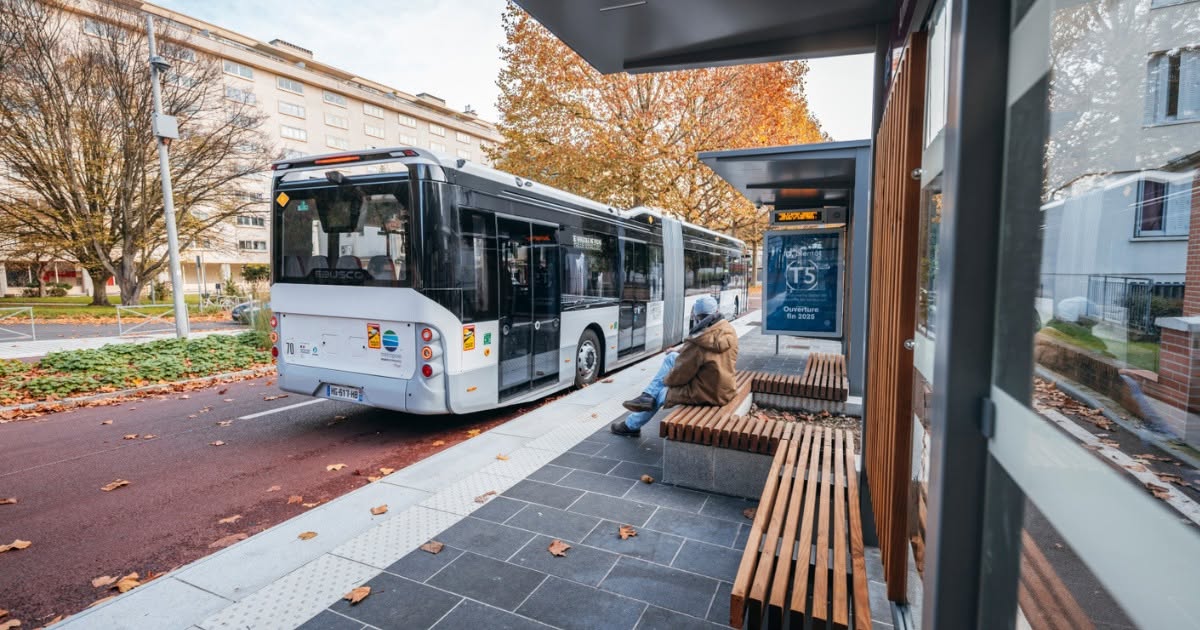
According to a statement issued by the company ahead of its extraordinary general meeting on 9 October, Gotion – which is both Ebusco’s strategic partner and shareholder – has approved €5.86 million in financing for the production of the remaining buses previously ordered for Rouen. The vehicles are now being manufactured by China’s Golden Dragon, whose Longhai plant completed the first Ebusco 3.0 articulated electric bus in July. The support is being provided through a company within the Gotion group and will go directly to component suppliers and contract manufacturing partners. The arrangement is intended to ensure fulfilment of the order, but none of these funds will be available to cover Ebusco’s own operating expenses.
Ebusco’s financial situation has not been resolved despite a further capital injection in mid-August. On 19 August, the company announced that one of its existing shareholders, Rhein Holding B.V., had committed to a total capital investment of €6 million, in two equal instalments. However, the financing could at most have provided temporary relief, as little more than a month and a half later the company again warned that, without additional funding, the continuation of its operations could be at risk within a short period.
This is a particularly serious problem, as the Dutch company continues to have substantial short-term financing needs. Ebusco is in talks with several shareholders about raising additional funds, but had not secured a single binding financing commitment by 9 October. The company therefore made it clear that, unless it obtains further operating funds in the coming weeks, significant uncertainty will arise over its ability to continue as a going concern.
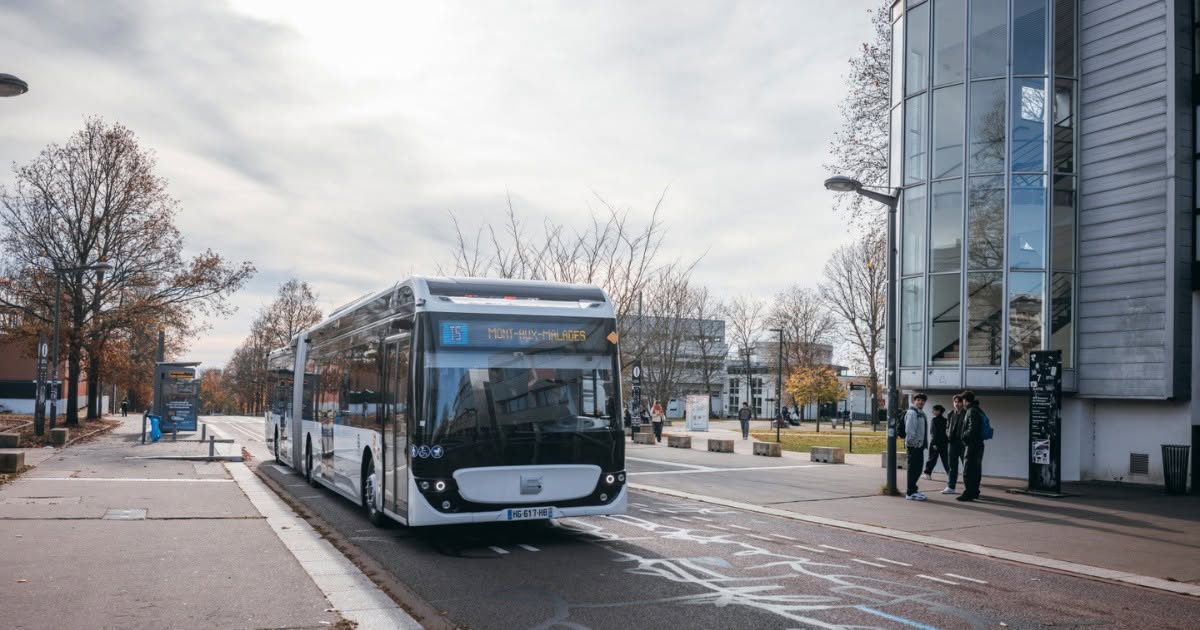
The opening of the previously envisaged letter-of-credit facility of around €30 million also remains uncertain. Ebusco intends to implement the arrangement with one of its Asian partners, backed by a corporate guarantee from Gotion. The Chinese company continues to support the provision of the guarantee, but its actual availability is conditional on a specific new bus order and requires further internal approvals and final contractual documentation. The timing and completion of the financing facility are therefore not guaranteed at present.
Alongside its financial difficulties, Ebusco continues to explore alternative strategic options that could affect both its bus manufacturing and energy storage businesses. In line with the company’s earlier statements, discussions are ongoing on a potential strategic transaction, which could include the establishment of a joint venture involving the bus business or another type of agreement. However, the talks remain at an early stage and are non-binding.
Meanwhile, Ebusco’s operational performance remains extremely subdued. The company handed over just three buses to customers in the third quarter of 2026, bringing the number of vehicles delivered in the first nine months of the year to 19. At the end of September, its order book comprised 195 buses, of which 77 were firm orders and a further 118 were linked to call-off arrangements. In addition, the company was involved in ongoing public procurement procedures for 173 buses with existing and potential new customers.
The reduction of the organisation is also continuing in an effort to curb costs. The workforce, measured in full-time equivalents, fell from 248 at the end of June to 230 at the end of September, representing a decline of 7.3%. According to the company, the completion of the transition to the so-called OED production model, based on external manufacturing partners, is also helping to reduce operating expenses.