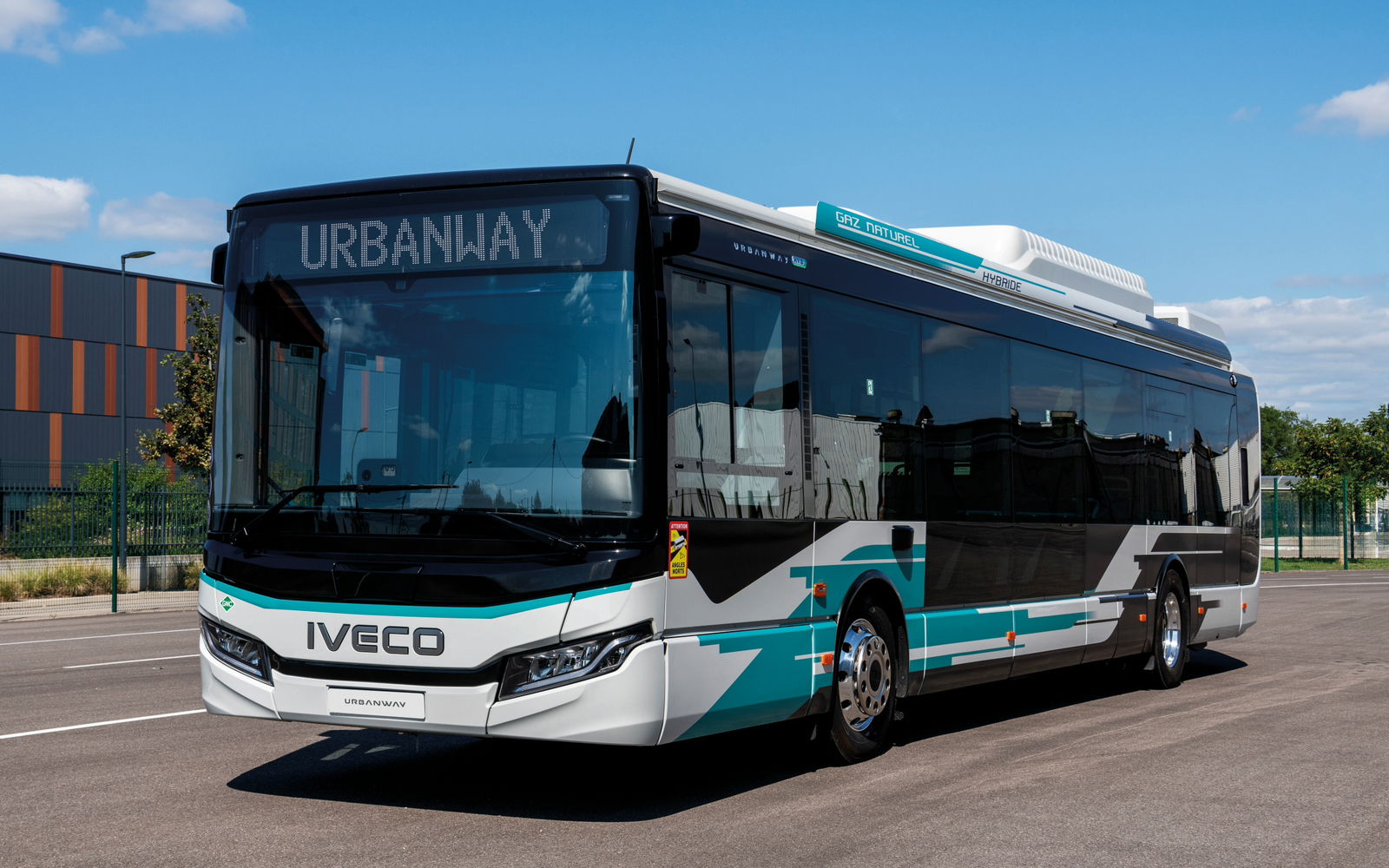
Tata could circumvent minority shareholders in Iveco takeover through a legal workaround
At their extraordinary general meeting on 16 October, Iveco Group shareholders approved all resolutions linked to Indian company Tata Motors’ takeover offer, including an alternative corporate restructuring arrangement that could enable it to acquire the Italian commercial vehicle manufacturer’s entire operating business even if the Indian company does not obtain at least 95% of the shares. The decision removes one significant legal obstacle to Tata’s plans, although the success of the takeover remains uncertain, as the Indian company is still far from reaching even the lower 80% acceptance threshold now made possible.
At the extraordinary general meeting held in Amsterdam, Iveco Group shareholders approved all proposals put forward by the board of directors. The resolutions included amendments to the company’s articles of association, approval for a corporate restructuring and share sale that could be implemented following the completion of the takeover, and the possibility of subsequently converting Iveco into a private company. The decisions establish the legal conditions for the alternative takeover structure prepared in advance by Tata, which may be used if the Indian company fails to reach the ownership stake required for the conventional squeeze-out procedure.
Tata Motors’ objective is not simply to secure majority control of Iveco Group, but to take over the entire corporate group and subsequently delist it. Under the original structure of the public takeover offer launched in early September, this would require acquiring a stake of at least 95%, which would allow Tata, under Dutch law – as Iveco Group N.V. is a Dutch-registered company – to initiate squeeze-out proceedings against the remaining minority shareholders. With the approval of the 16 October general meeting, however, the minimum acceptance threshold has been reduced to 80%, allowing the Indian company to take over the entire operating corporate group without meeting the conditions for a conventional squeeze-out procedure.
Should Tata acquire between 80% and 95% of the shares, it could still take over the entire operating corporate group through the restructuring arrangement now approved. Under this arrangement, Iveco Group N.V.’s business operations, assets, liabilities and legal relationships would be transferred to a separate company, Iveco Sub, all of whose shares would subsequently be acquired by Tata. The original, listed Iveco Group N.V. would therefore no longer retain any meaningful operating business activity, and the company would be wound up, while minority shareholders who rejected the takeover offer would be paid out in cash. In essence, the solution allows the conventional 95% squeeze-out threshold to be circumvented, as the remaining owners’ indirect interests in the operating Iveco group could be terminated without their separate consent. This could significantly restrict the scope for minority shareholders to act, although the arrangement was already described in the original takeover documentation and the general meeting has now granted the necessary approval for its implementation.
However, the general meeting’s decision alone is far from guaranteeing the takeover’s success. According to data from 15 October, only 28.74% of the shares, a total of 77,936,042, had been tendered to Tata, meaning that the Indian company remains 51.26 percentage points short of even the minimum acceptance threshold, now reduced to 80%. Moreover, the overwhelming majority of the shares tendered so far consist of the 27.06% stake previously committed by Exor, which is controlled by the Agnelli–Elkann family, indicating that support from other shareholders remains limited for the time being. Exor, which controls 43.19% of Iveco’s voting rights, committed to supporting the takeover when the transaction was announced and also undertook in advance to vote in favour of the general meeting resolutions.
It is therefore crucial for Tata whether it can persuade enough additional shareholders by the 26 October deadline. On 9 October, the Indian company raised its offer from €14.10 to €14.40 per share, while describing it as its best and final offer. It officially justified the increase by stating that preliminary regulatory approval procedures in certain countries had taken longer than expected. However, several major institutional investors had previously criticised the financial terms of the takeover, so it remains uncertain whether the higher consideration will be sufficient to secure the necessary shareholder support.