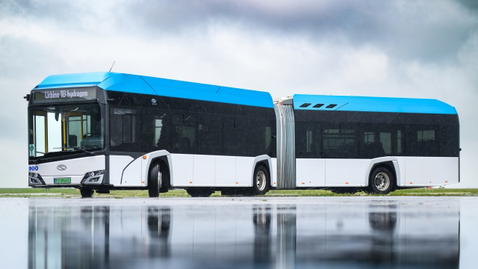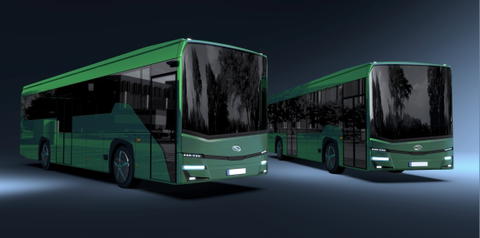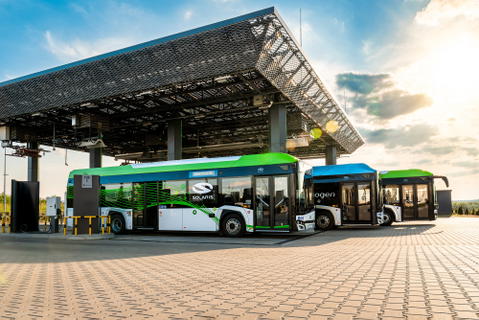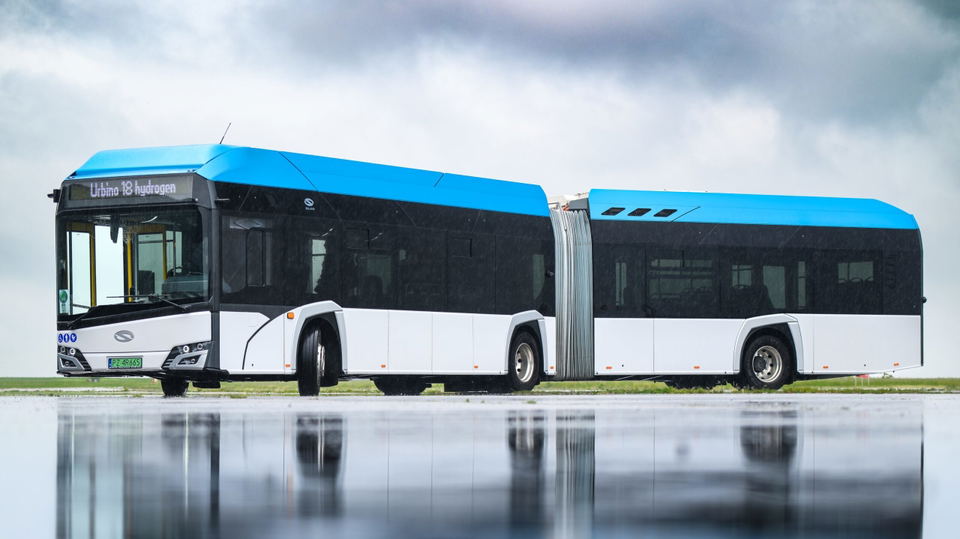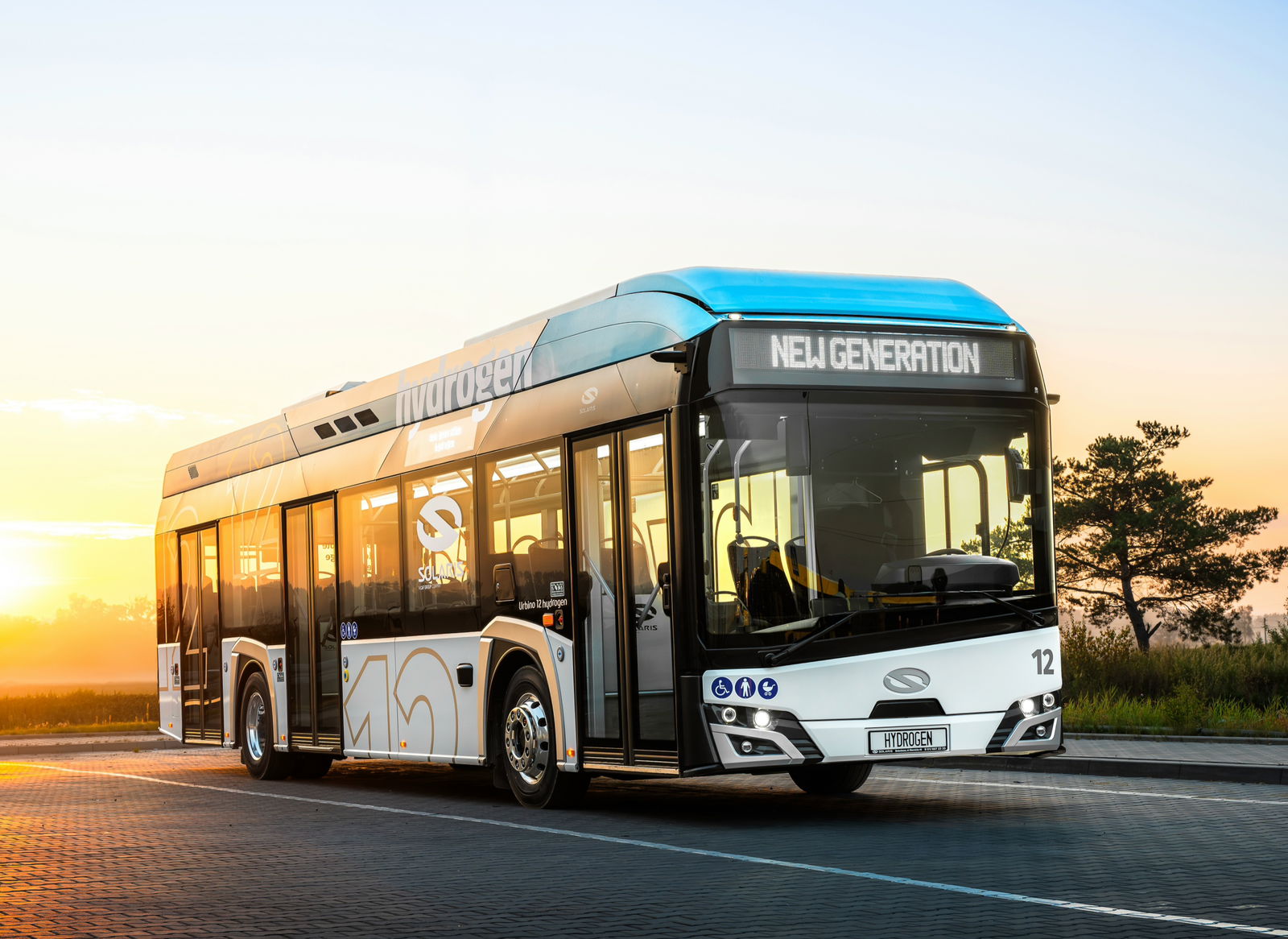
Second-generation Solaris Urbino 12 hydrogen unveiled
Solaris Bus & Coach premiered its second-generation hydrogen-powered solo bus at the TRANSEXPO 2026 trade fair in Kielce, Poland. The new version of the Solaris Urbino 12 hydrogen is not merely a further development of the previous design, but a model based on the manufacturer’s latest standardised vehicle platform, bringing significant changes in the areas of the drivetrain, energy efficiency and passenger compartment layout. Development has focused on the next-generation fuel cell, revised energy management and the application of technical foundations shared with battery-electric Urbino models.
One of the most important technological elements of the model change is the use of Canadian supplier Ballard Power Systems’ new fuel-cell system, whose selection was announced by the supplier as early as May this year. Compared with the previous generation, the new equipment offers greater energy efficiency, a more compact design and more favourable thermal-management characteristics. The upgrade also includes increasing the energy-storage capacity of the traction battery and coordinating the operation of the drivetrain, with the aim of reducing hydrogen consumption and improving operational efficiency.
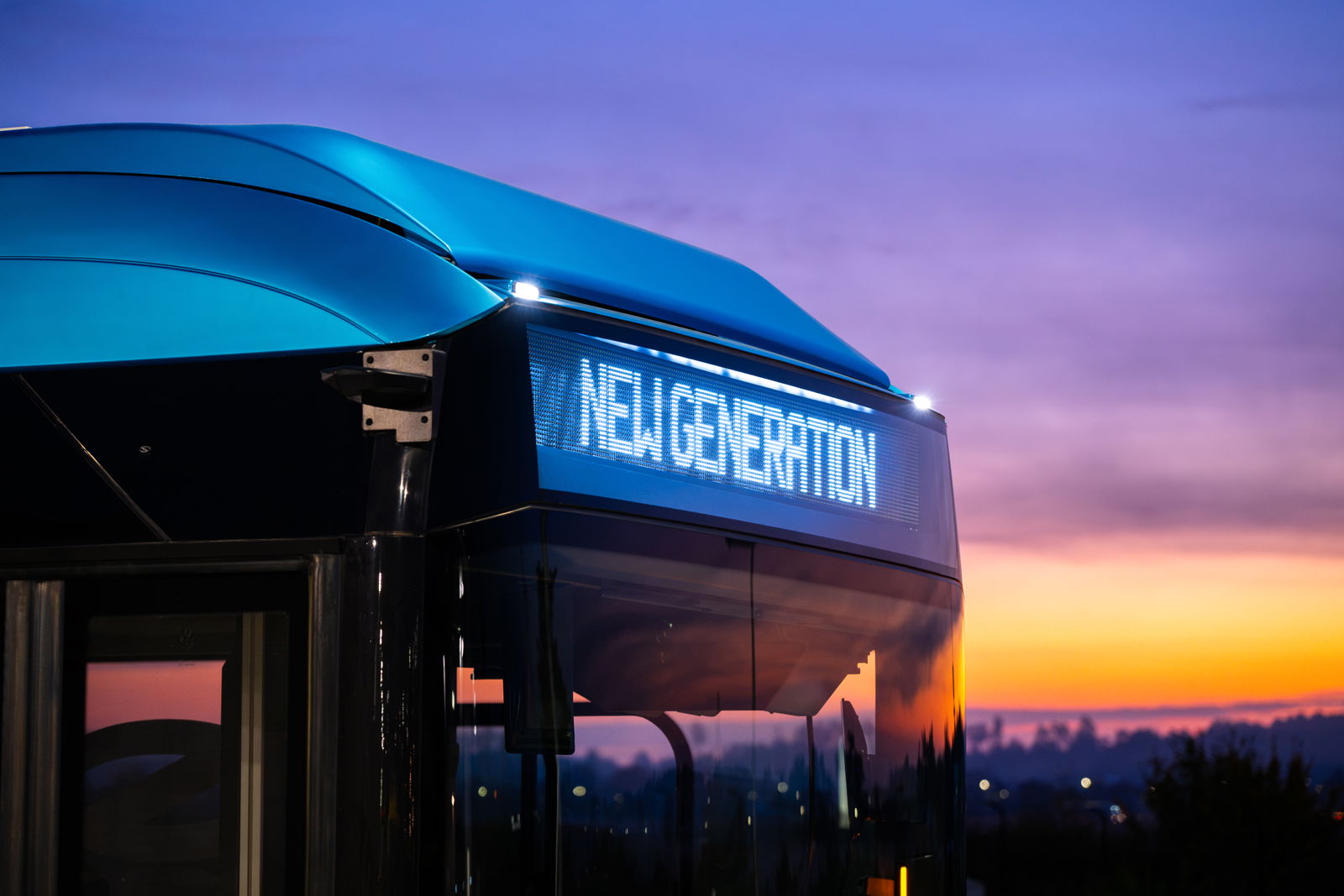
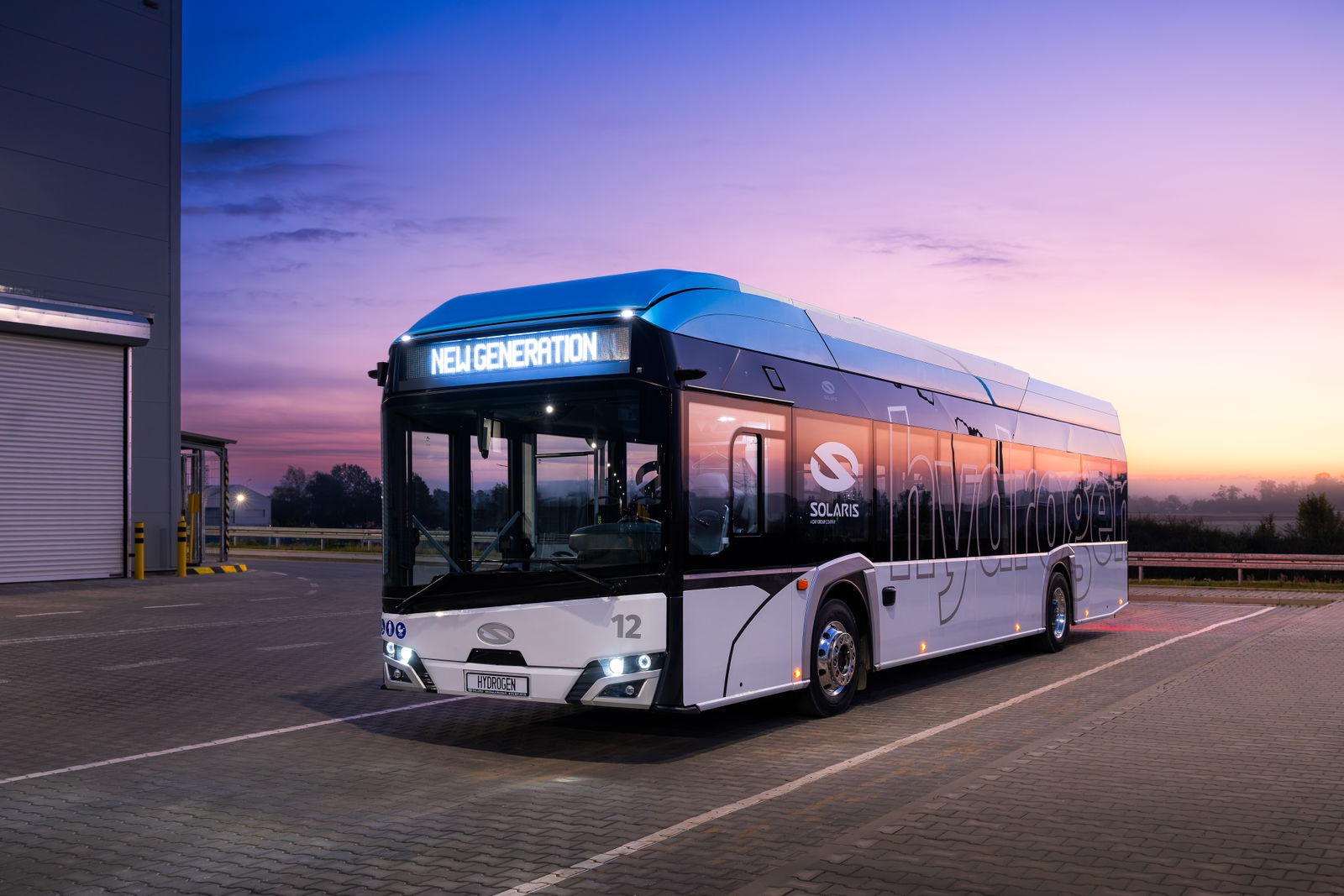
The basis for the design changes is the modular vehicle architecture already introduced by Solaris on its latest battery-electric buses. Omitting the conventional engine tower makes it possible to provide more seats in the rear passenger area, while rearranging the equipment mounted on the roof facilitates access to and maintenance of the main systems. Thanks to the common platform, the hydrogen-powered and battery-electric models share numerous structural elements, components and passenger-compartment solutions.
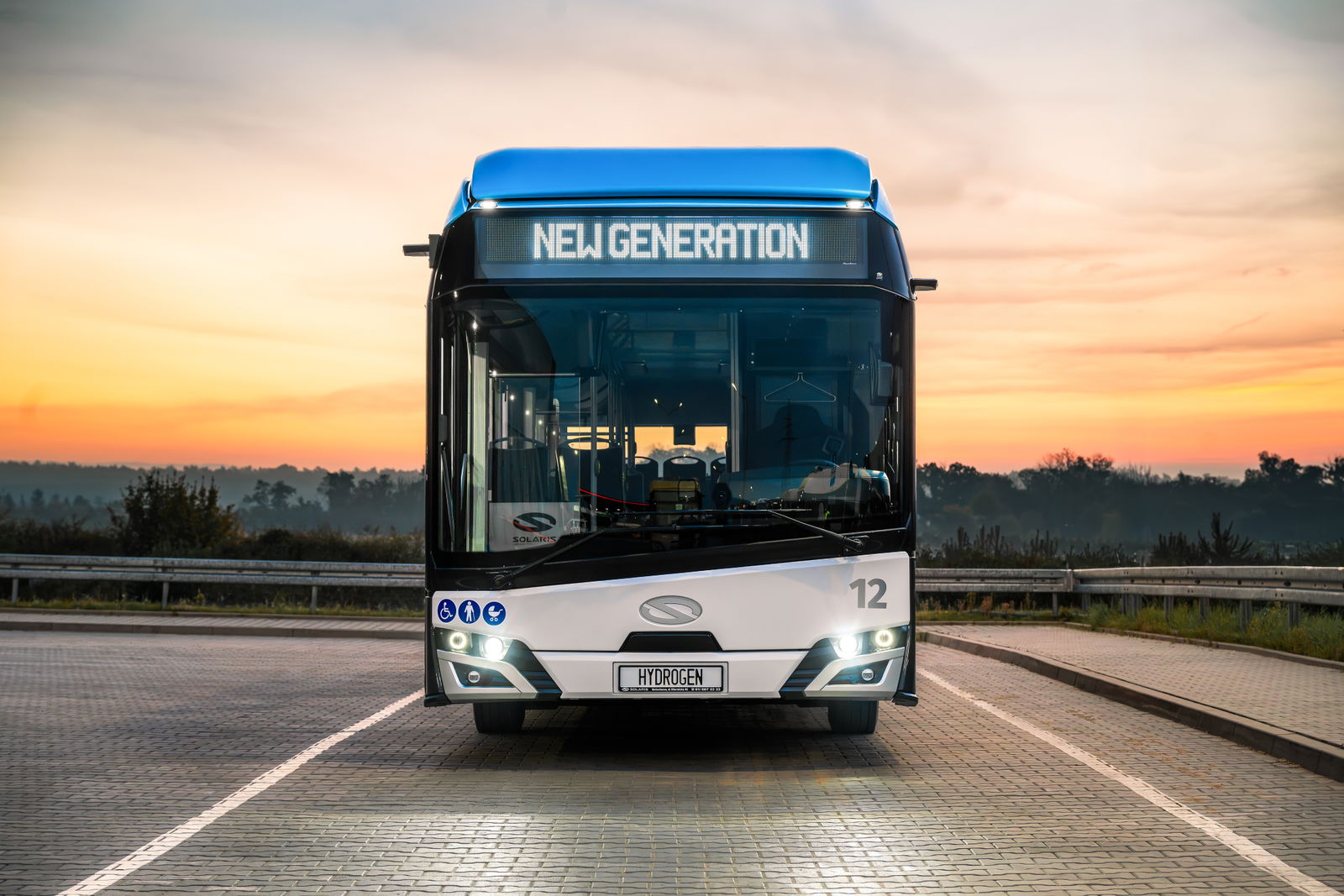
The fundamental operating principle of the drivetrain remains unchanged: the primary energy source is still the fuel cell, which generates electrical energy from hydrogen and supplies the vehicle’s centrally mounted 250 kW traction motor. The modular electric drivetrain operates with power electronics employing silicon-carbide (SiC) technology. Depending on the selected configuration, the fuel cell has an output of at least 70 kW, placing it in a similar power category to the previous generation’s 70 kW system; however, the efficiency and operating characteristics of the new equipment have improved substantially.
The new generation now uses Ballard’s FCmove-SC fuel-cell platform, which the Canadian supplier presented in autumn 2025 at the Busworld Europe trade fair in Brussels. Featuring an integrated DC/DC converter, the system is capable of peak output of at least 75 kW; its volumetric power density has increased by around 25%, while the number of its components has been reduced by approximately 40% compared with the previous generation. The more compact design of the 231-kilogram system may also enable simpler vehicle integration and lower maintenance requirements.
Another important element of the development is the redesign of thermal management. The maximum coolant outlet temperature of the new Ballard fuel cell has risen from the previous 60 °C to 75 °C, creating more favourable conditions for utilising the waste heat generated during operation. Solaris has accordingly further developed the vehicle’s heat-recovery system, allowing heat produced by the fuel cell to support passenger-compartment heating, reducing the energy requirement of supplementary heating and, indirectly, hydrogen consumption.
Another important innovation in the drivetrain is the traction battery with greater usable energy capacity. Solaris High Power batteries continue to serve as supplementary energy storage: they support the fuel cell during acceleration and in other operating situations requiring high power, while storing recuperated energy during braking. According to the manufacturer, under dynamically changing load conditions the new system enables the use of almost three times as much energy as its predecessor. This may provide a more favourable distribution of loads between the fuel cell and battery, while allowing the fuel cell to operate within a more consistent range. The battery uses lithium iron phosphate (LFP) chemistry.
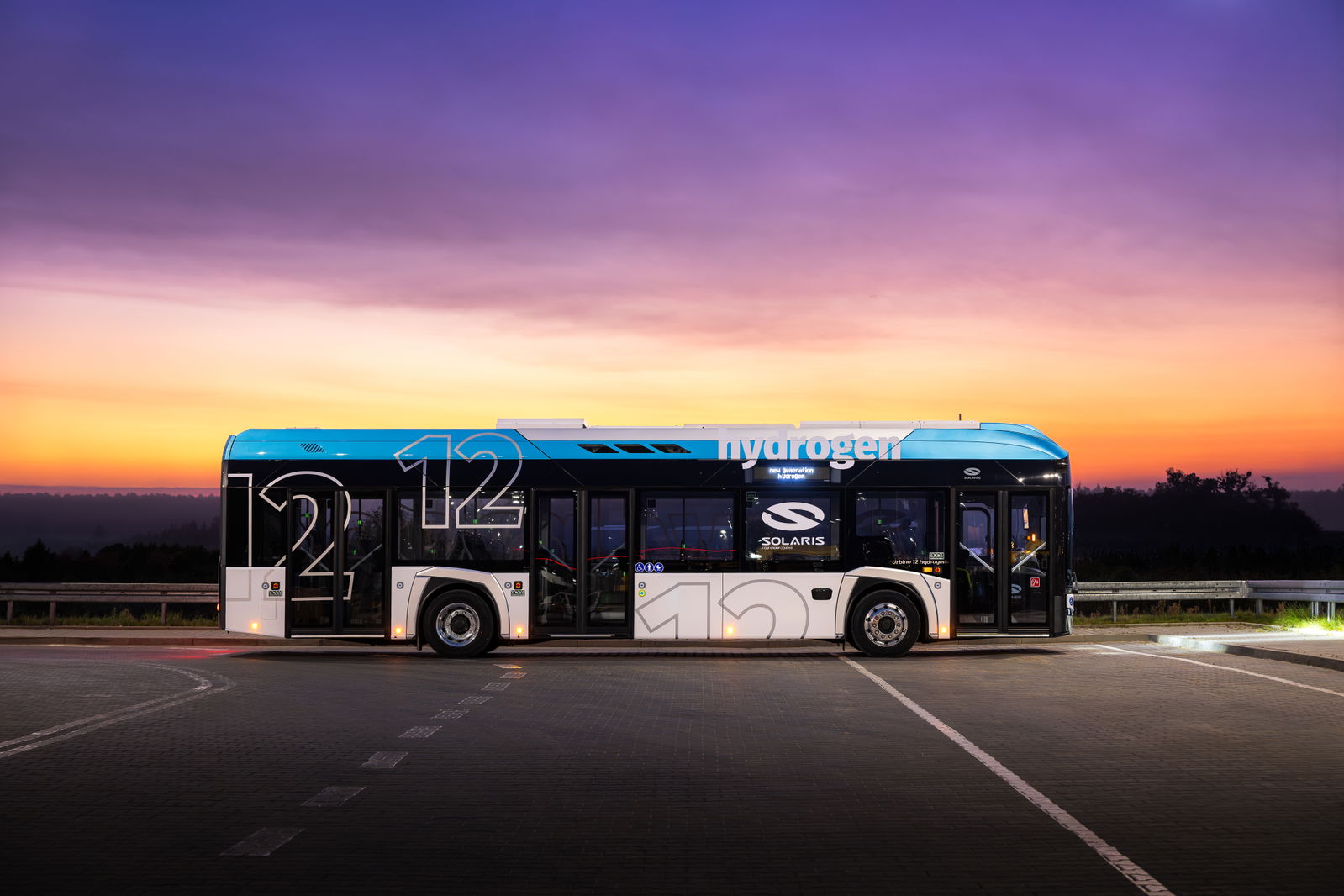
Hydrogen storage continues to be provided by Type IV composite tanks mounted on the vehicle roof, with an operating pressure of 350 bar. System safety is ensured by hydrogen-leak detectors, pressure- and temperature-dependent protective devices, valves preventing excessive flow, and multifunction solenoid shut-off valves. The manufacturer states a range of around 400 kilometres for the new design.
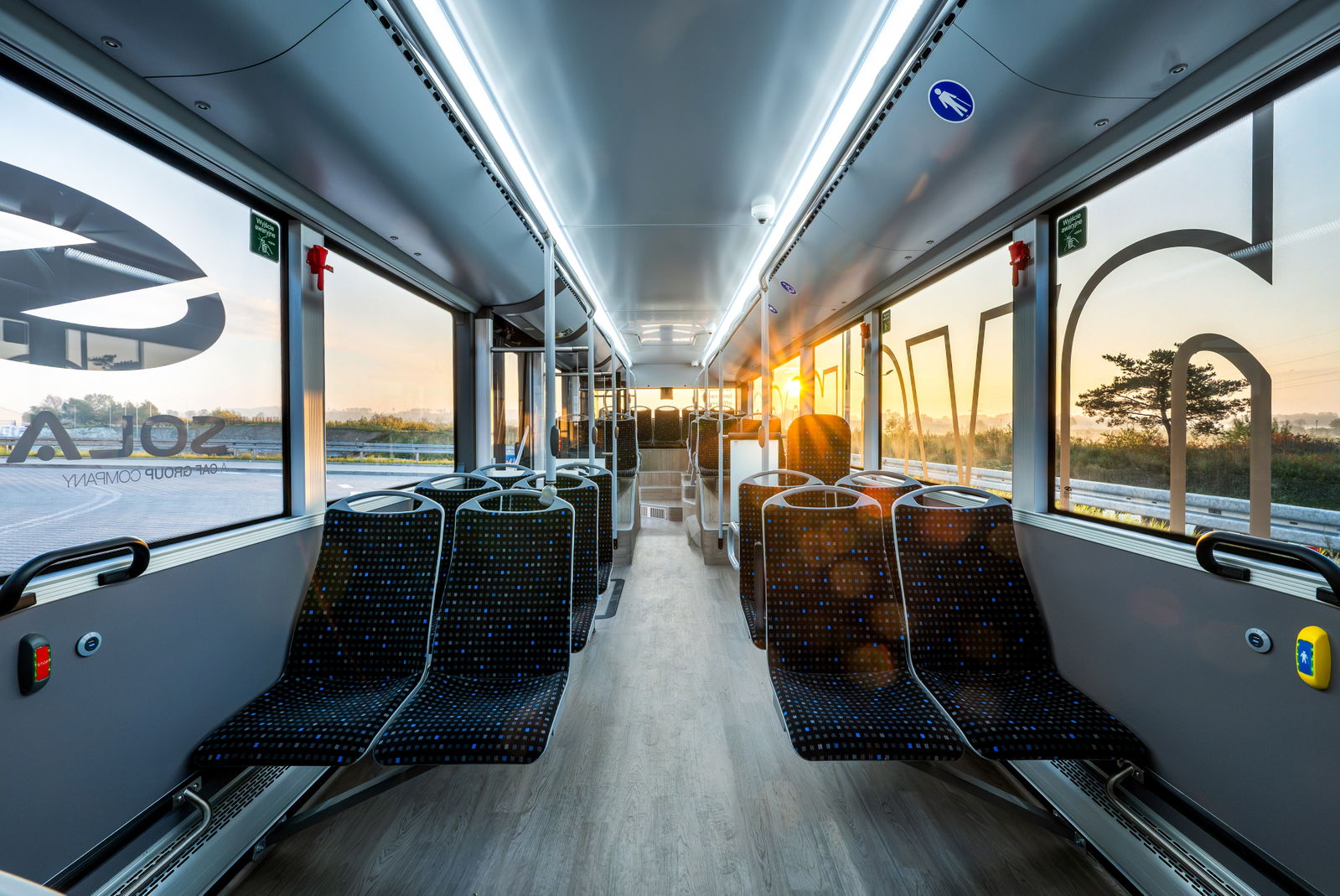
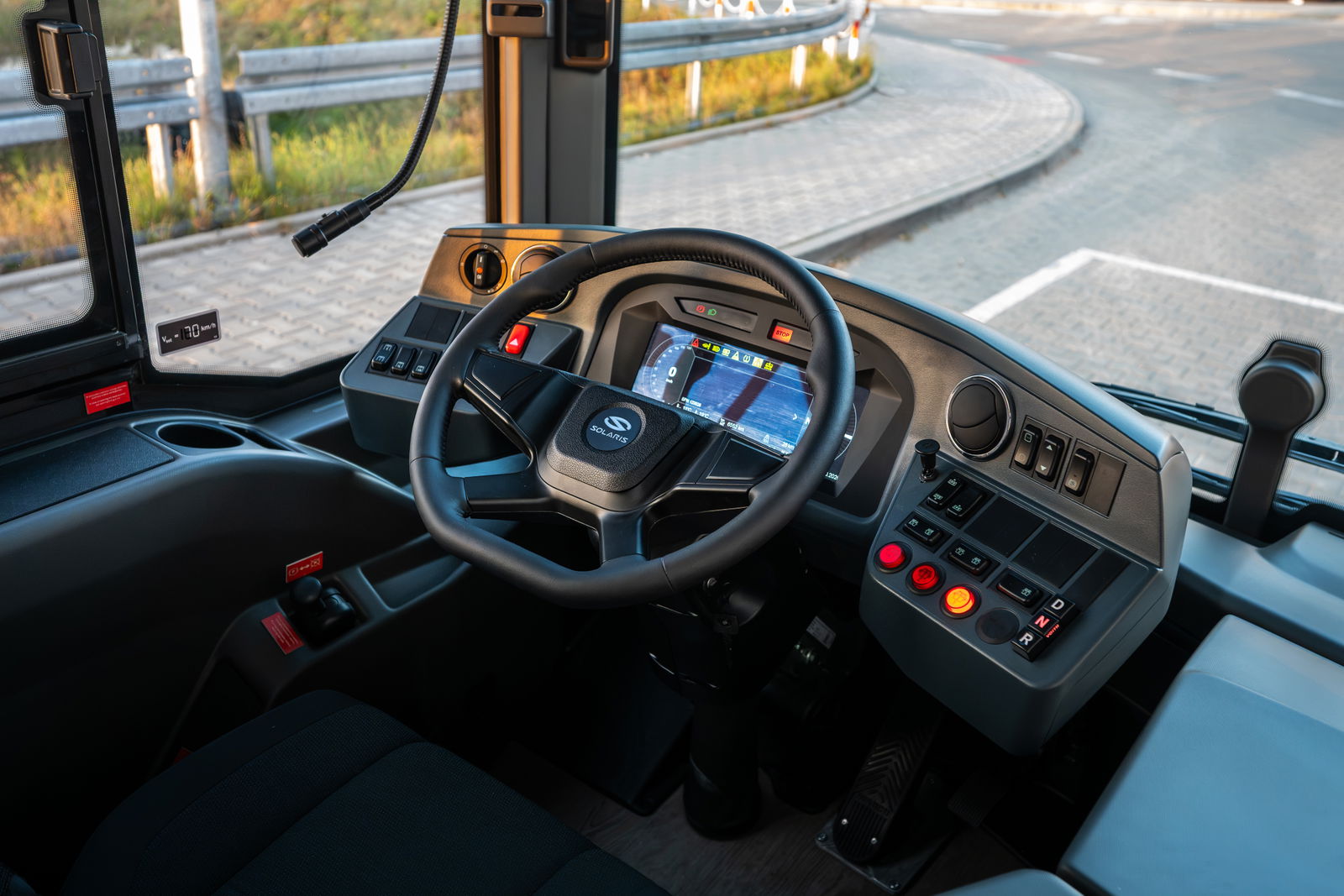
The new Urbino 12 hydrogen has a permissible gross vehicle weight of 19.5 tonnes, which can be increased to 20 tonnes depending on the regulations of the country concerned and the tyres fitted. The vehicle can be produced with two door layouts, in 2-2-2 and 2-2-0 configurations. Its capacity is approximately 90 passengers, with a maximum of 41 seats, of which up to 16 are directly accessible from the low-floor passenger area. The running gear comprises an independent-suspension axle with a stabiliser at the front and a portal axle at the rear. In terms of driver-assistance and safety systems, the new Urbino 12 hydrogen complies with the European Union’s GSR2 requirements, and is therefore equipped, among other features, with blind-spot monitoring, a system warning of hazards ahead of the vehicle, driver-drowsiness monitoring and intelligent speed assistance. Beyond the mandatory equipment, digital rear-view mirrors, lane-departure warning and passive lane-change assistance systems, left-side environment monitoring and traffic-sign recognition are also available. The vehicle also complies with UN-ECE Regulation No. 66 on the rollover safety of the superstructure (the application of which is not generally mandatory for urban buses), as well as the requirements of Regulation No. 134 governing the safety of hydrogen-powered vehicles.
For Solaris, the introduction of the new generation comes in a market segment in whose European development the Polish manufacturer has already played a defining role. The company unveiled its first series-produced Urbino 12 hydrogen model designed specifically for hydrogen operation in 2019, followed by the 18-metre articulated version in 2022. Of approximately 1,215 hydrogen-powered urban buses registered in Europe between 2012 and 2025, around 668 bore the Solaris badge, equivalent to an overall market share of almost 55%. The manufacturer’s position strengthened further in 2025: Solaris supplied 253 of the 436 hydrogen buses entering service in Europe that year.