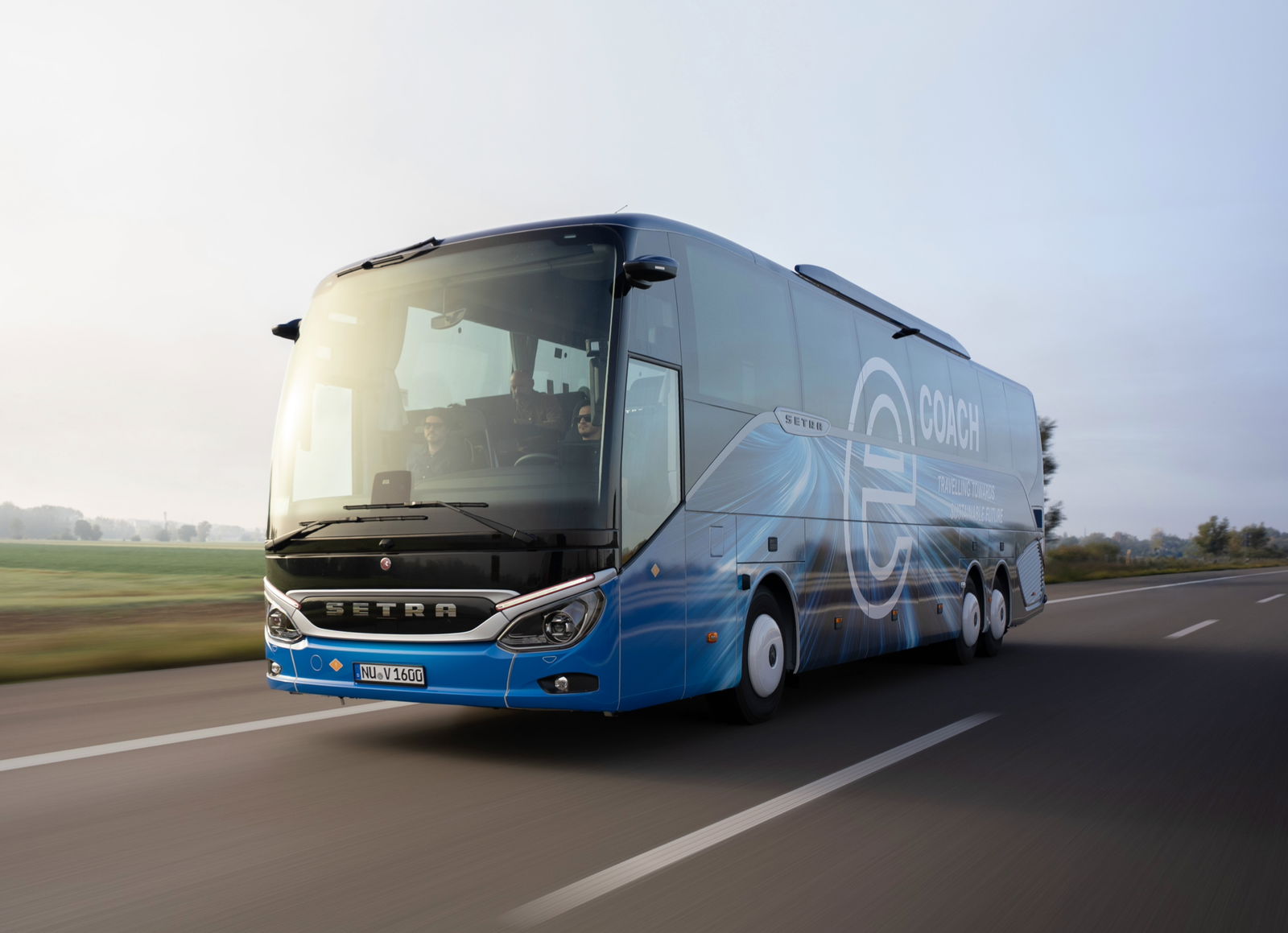
Daimler Buses’ electric coach development enters practical testing phase
The development of Daimler Buses’ all-electric coach has reached another important milestone: as part of the ELCH (Electrified Coach) research and development programme, the German manufacturer has now begun practical testing of its technology demonstrator, while the industrial and academic partners involved in the project are working to establish the technical, economic and operational conditions for electric long-distance buses. The development programme, which aims to achieve a range of more than 500 kilometres, will conclude at the end of 2026, and Daimler Buses intends to use its results in the development of its series-production electric coach planned for the end of the decade.
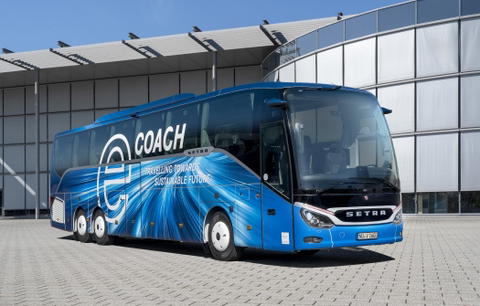
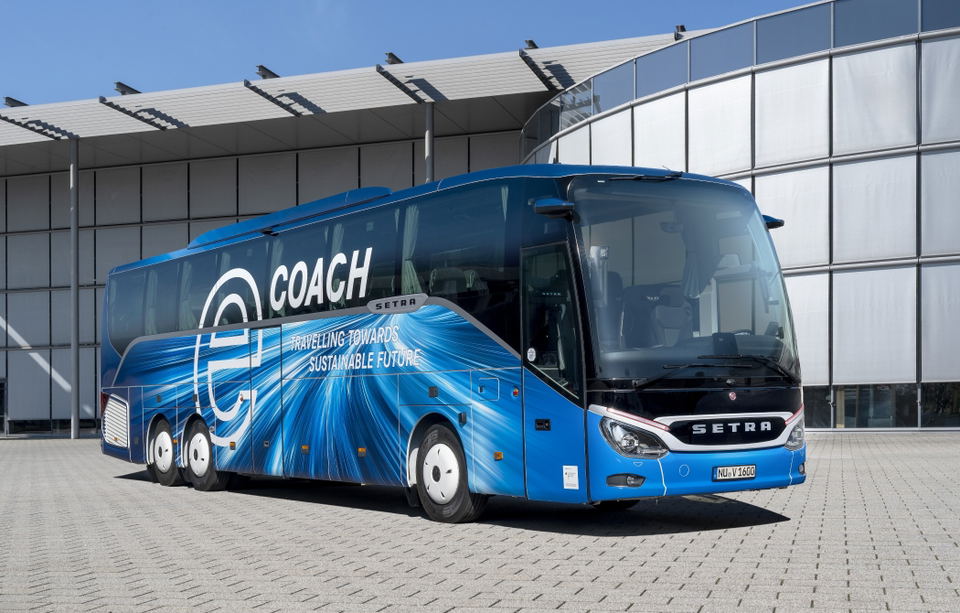
Daimler Buses launched the ELCH project at the end of 2022, with the aim of developing and validating, from both technical and economic perspectives, a market-ready battery-electric coach concept. As the development’s first tangible result, the technology demonstrator based on the Setra ComfortClass platform was unveiled in April this year. Based on the 13.1-metre, three-axle Setra S 516 HD, the vehicle was converted from a conventional diesel-powered coach to all-electric operation, primarily to test the new drivetrain and related technical solutions.
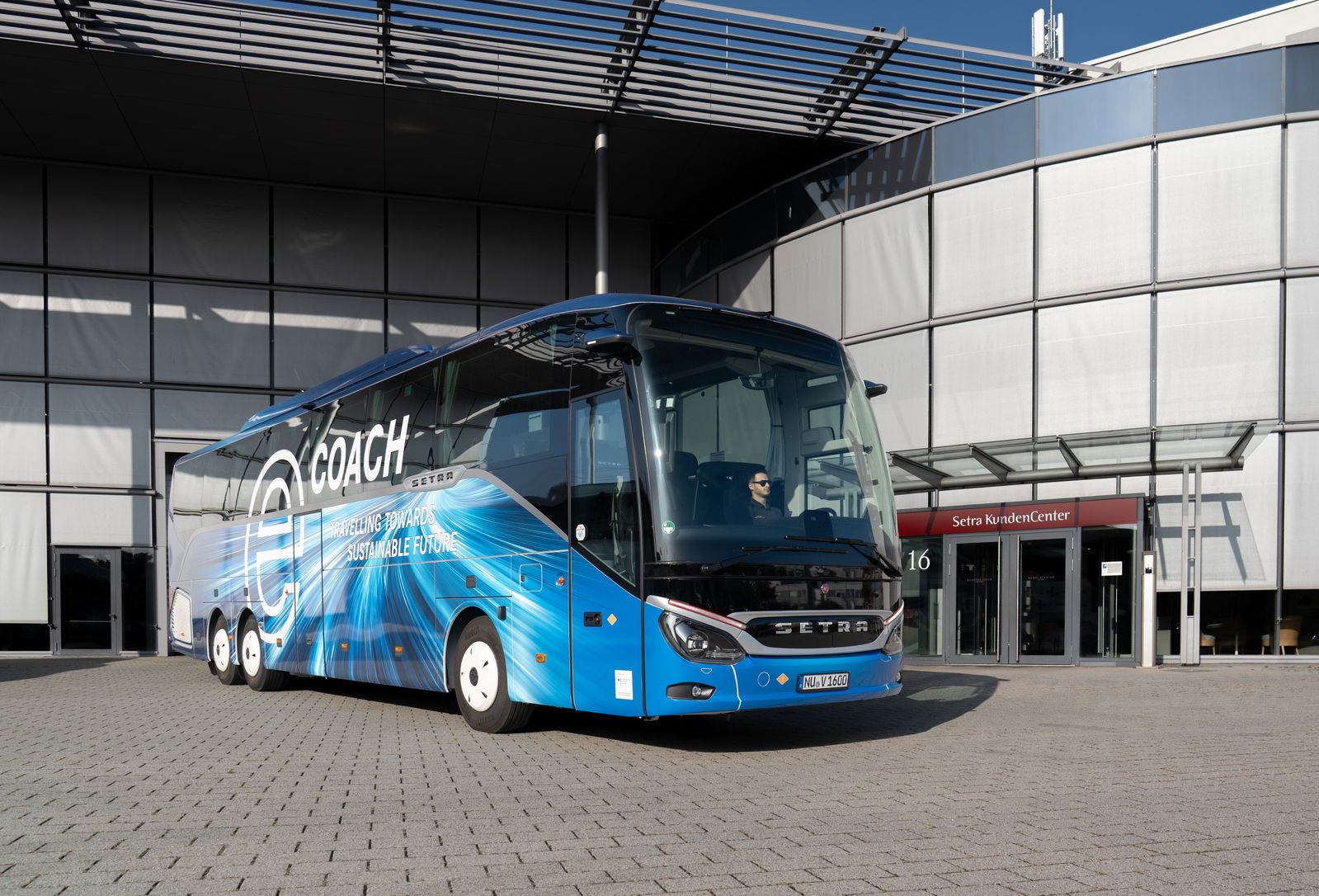
However, the development programme extends far beyond converting a conventional coach to electric propulsion. Under ELCH, Daimler Buses and its partners are comprehensively examining the technical and economic factors that determine the competitiveness of battery-electric coaches in long-distance passenger transport. Alongside the drivetrain and energy storage system, particular attention is being paid to optimising energy consumption, reducing aerodynamic losses, applying lightweight construction solutions, and achieving economic viability under different operating conditions.
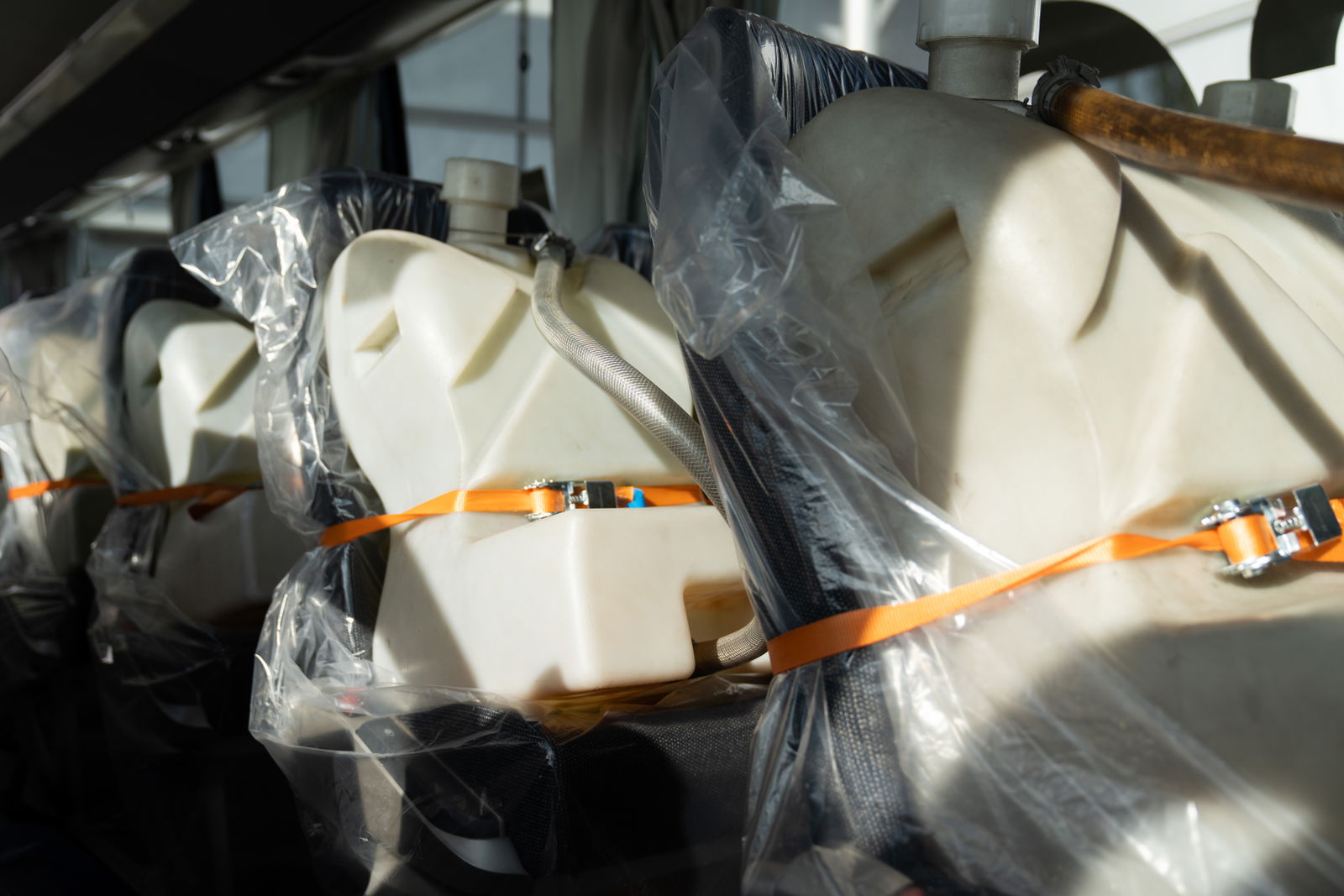
One of the project’s central questions is how a range of more than 500 kilometres can be ensured without the battery capacity required and the weight of the energy storage systems disproportionately reducing the vehicle’s payload capacity. This is particularly important in the case of coaches, as the energy requirements of long-distance operation must be met alongside substantial passenger and luggage loads. The developers are therefore seeking a solution not only by increasing battery capacity, but also by reducing the vehicle’s overall energy consumption.
Daimler Buses is carrying out the research tasks jointly with several universities and industry partners. The Karlsruhe Institute of Technology (KIT) is analysing vehicle data and optimising the operating strategy of the electric drivetrain, while researchers at the Rhineland-Palatinate Technical University (RPTU) are exploring opportunities to improve energy efficiency through weight reduction and aerodynamics. The MISES research group at the University of Mannheim is conducting economic viability and competitiveness calculations relating to different usage profiles.
Flix SE is also involved in the programme, supporting development with real-world operating and traffic data from long-distance coach services. Based on this, representative application and duty cycles are being developed, enabling the energy requirements and practical applicability of electric coaches to be assessed in line with actual long-distance transport tasks. Flix’s involvement is particularly important, as long range alone does not guarantee economical operation: the vehicles’ daily mileage, turnaround times, charging opportunities and timetable constraints all influence the suitability of electric propulsion.
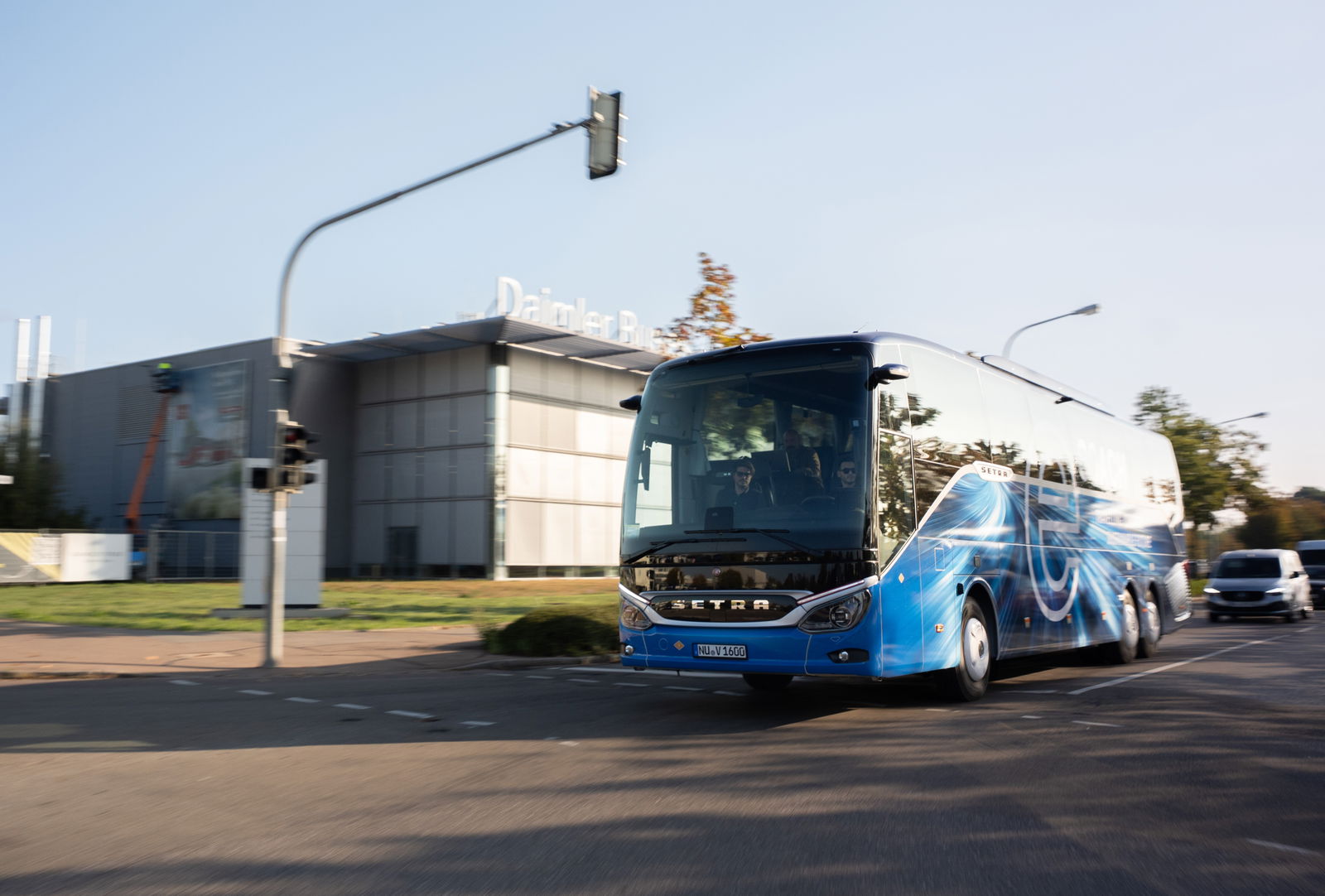
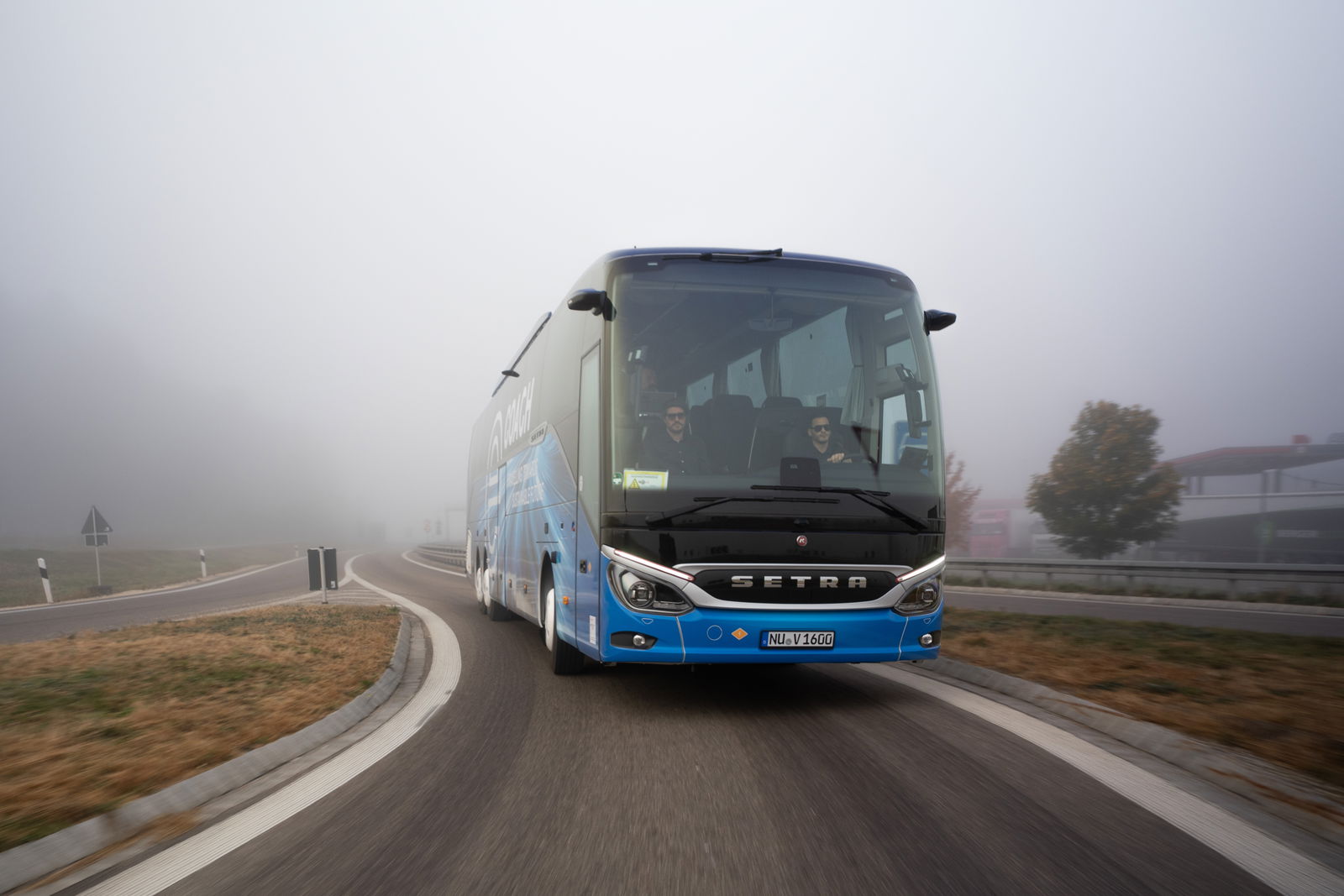
At the most recent in-person consortium meeting, held in Neu-Ulm in early October, participants reviewed the development results achieved to date and also took a joint test drive in the technology demonstrator. The practical tests were intended to verify the operation of the technical solutions developed and validate the development concepts. Daimler Buses has nevertheless still not disclosed detailed information on the prototype’s battery capacity, the output of its electric drivetrain or its actually measured range, meaning that the figure exceeding 500 kilometres can for now be interpreted as a development target.
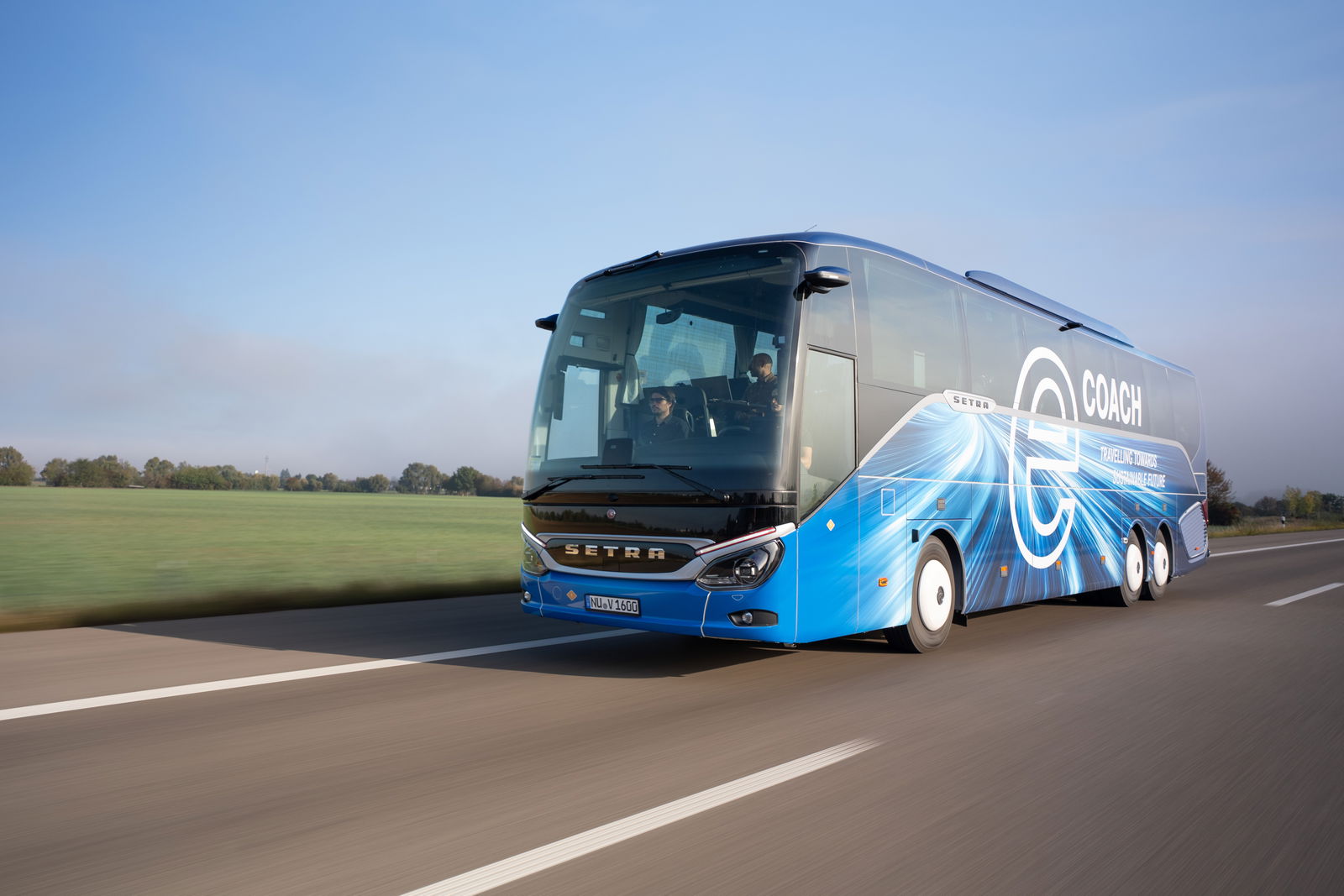
In the absence of detailed technical data, it remains possible only to draw conclusions about the prototype’s drivetrain configuration. However, it is likely that Daimler Buses is leveraging technological synergies within the group during development. Accordingly, the drivetrain may be based on solutions used in the Mercedes-Benz eActros 600, which could also mean the use of a system featuring a ZF CeTrax central electric motor with a continuous output of around 320 kW. The adoption of proven technology is also conceivable in the field of energy storage: similarly to the Mercedes-Benz eIntouro, the coach could use a solution based on CATL lithium iron phosphate (LFP) batteries. However, the manufacturer has not yet confirmed these assumptions.
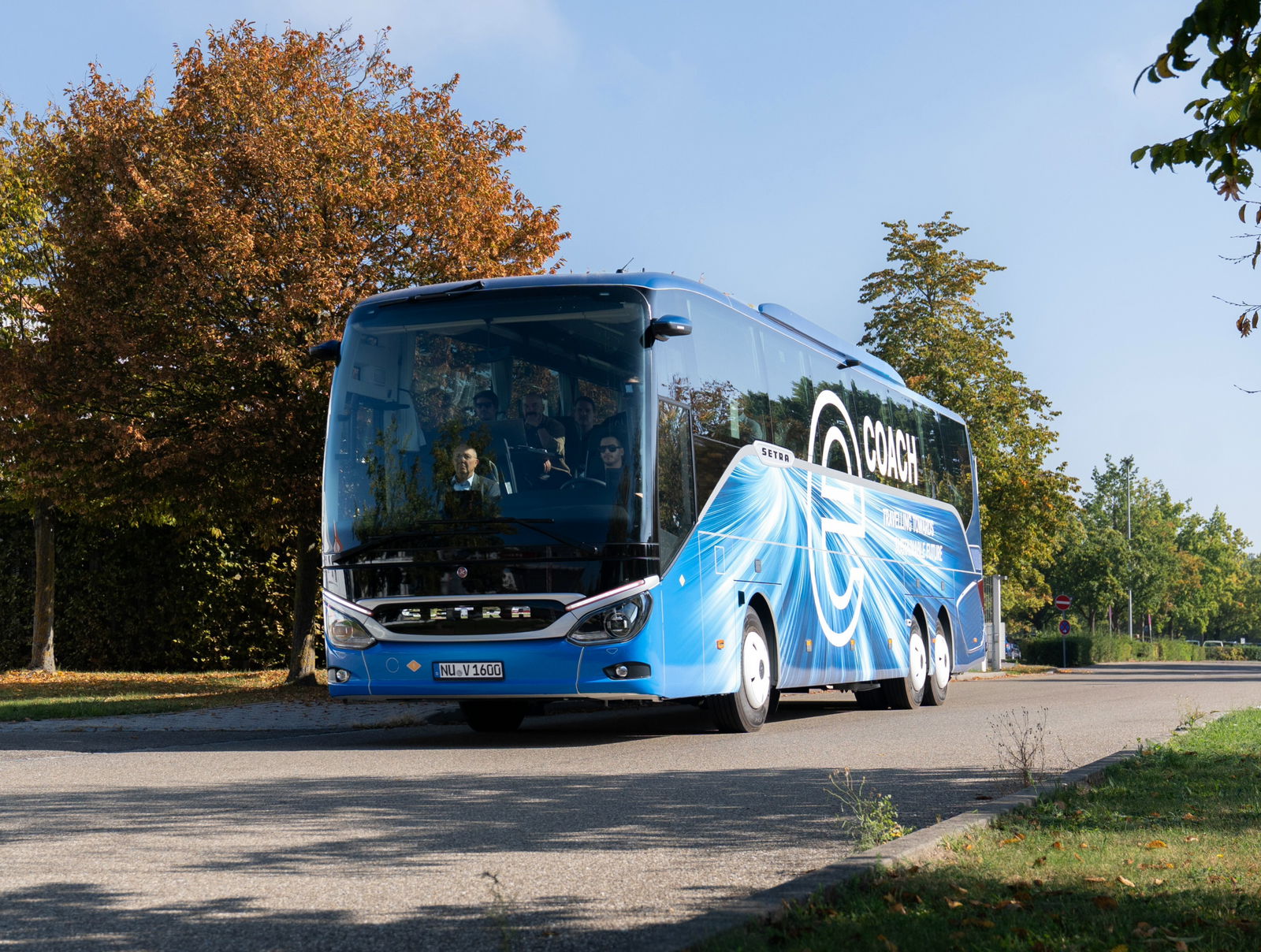
Daimler Buses continues to plan the market launch of its first battery-electric coach for the end of the decade. The ELCH research and development programme, supported with a total of €6.26 million by the German Federal Ministry for Economic Affairs and Energy, is intended to provide the technical basis for this. However, the manufacturer must catch up in a market segment in which MAN and Volvo Buses are already further advanced in developing electric coaches intended for series production.