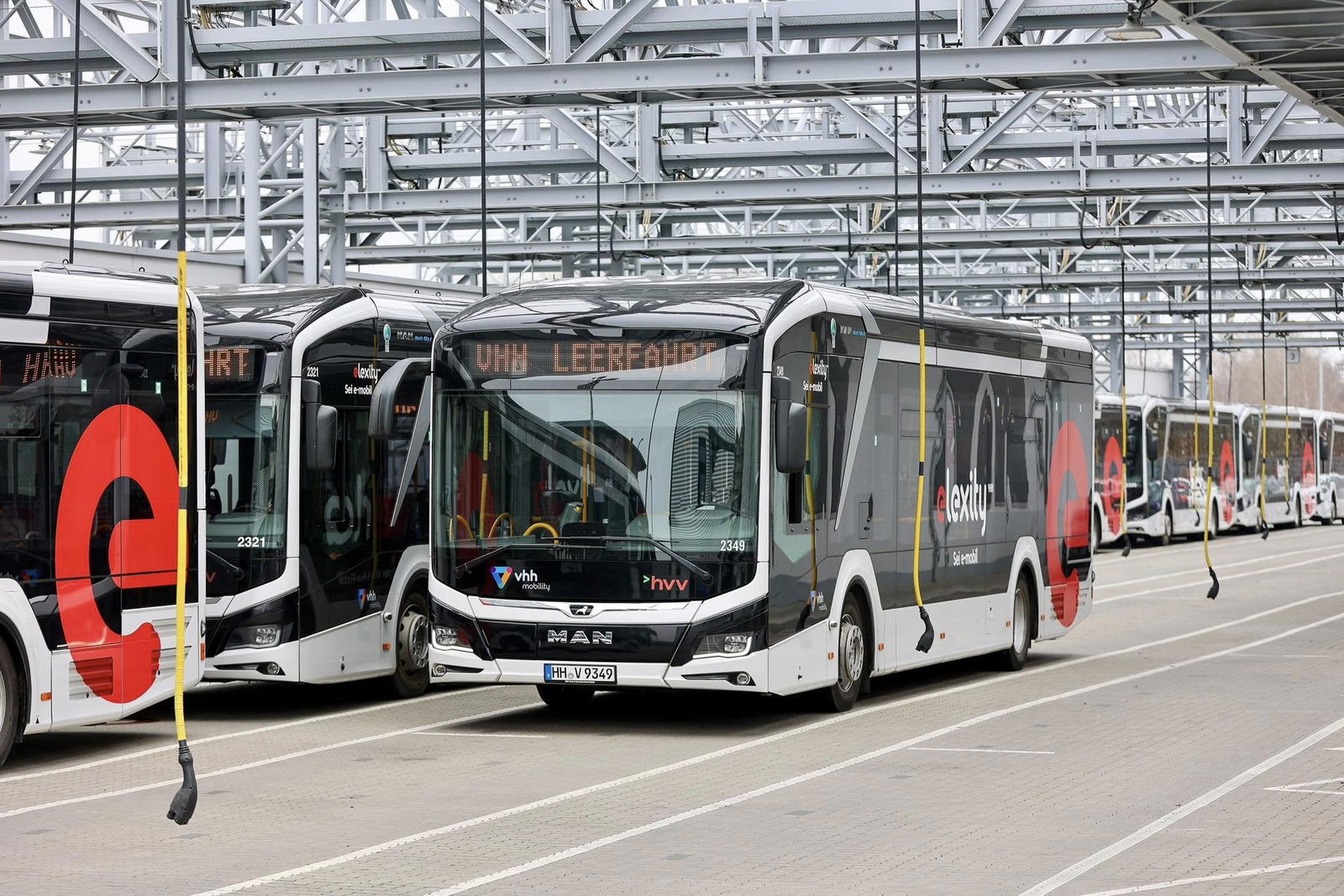
Hamburg’s vhh.mobility now generates enough electricity from its solar panels for 2,800 electric bus charges a year
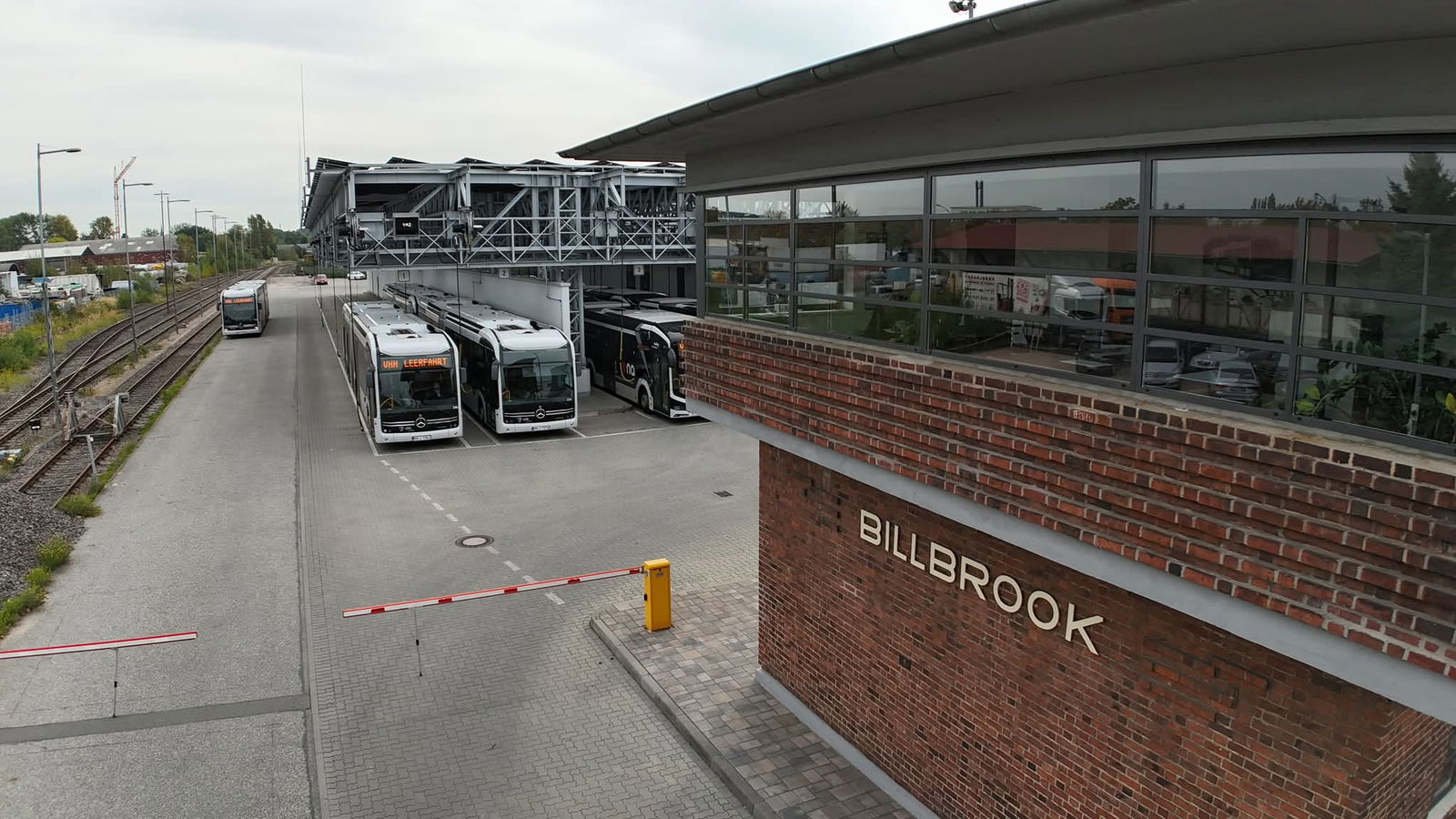
Hamburg-based vhh.mobility’s electric bus programme has taken another step forward: the transport operator has commissioned a new solar power system at its Billbrook bus depot, meaning it now generates electricity at two depots for its own operations and for charging electric buses. The combined annual output of the solar installations in Billbrook and Schenefeld is expected to reach 910,000 kilowatt-hours, equivalent to the energy required for around 2,800 electric bus charging sessions, according to the company’s calculations. The development forms part of a comprehensive electrification strategy under which vhh.mobility is not only expanding its fleet and charging infrastructure, but is also placing increasing emphasis on partly meeting its growing electricity demand from its own sources.
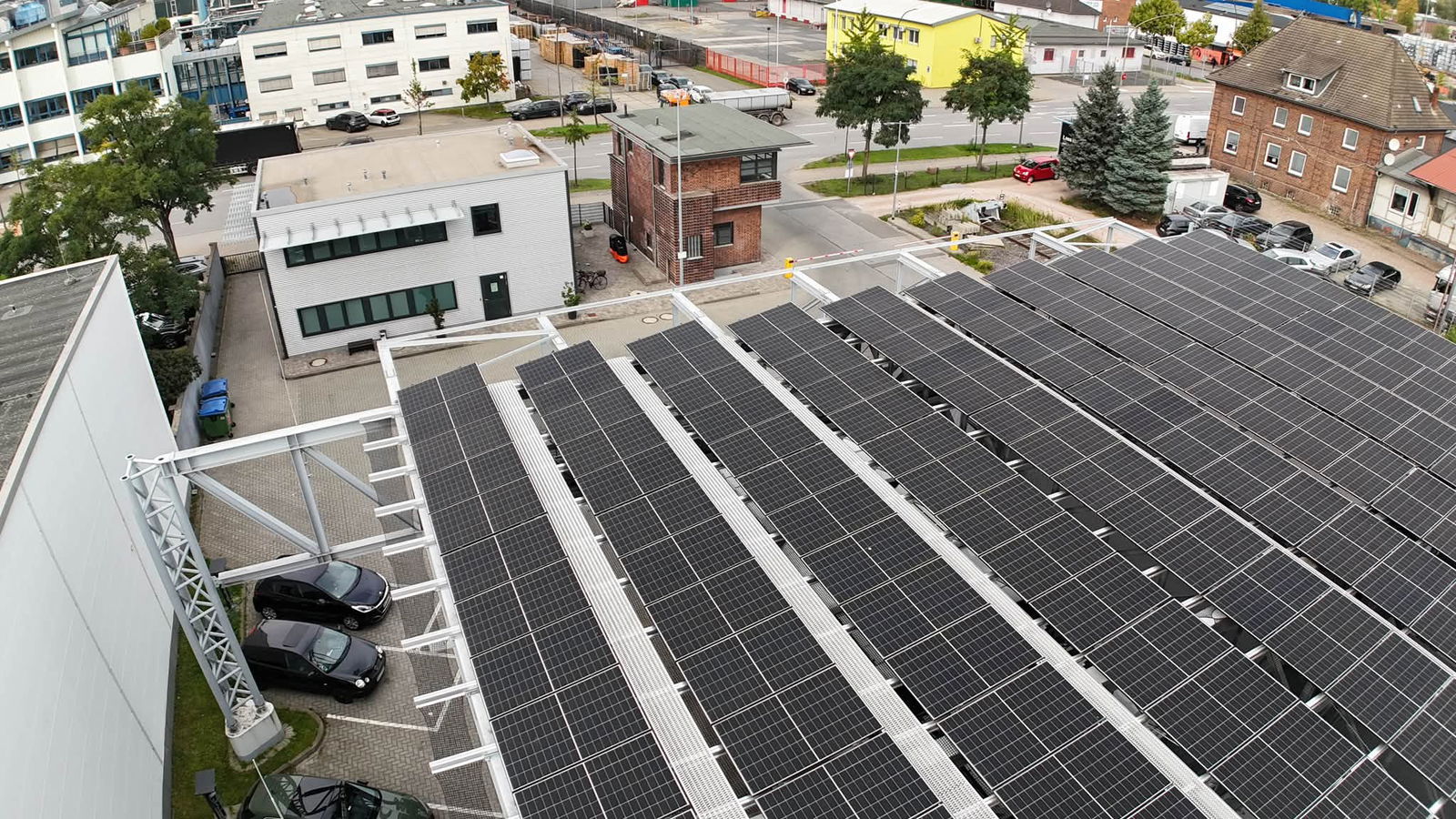
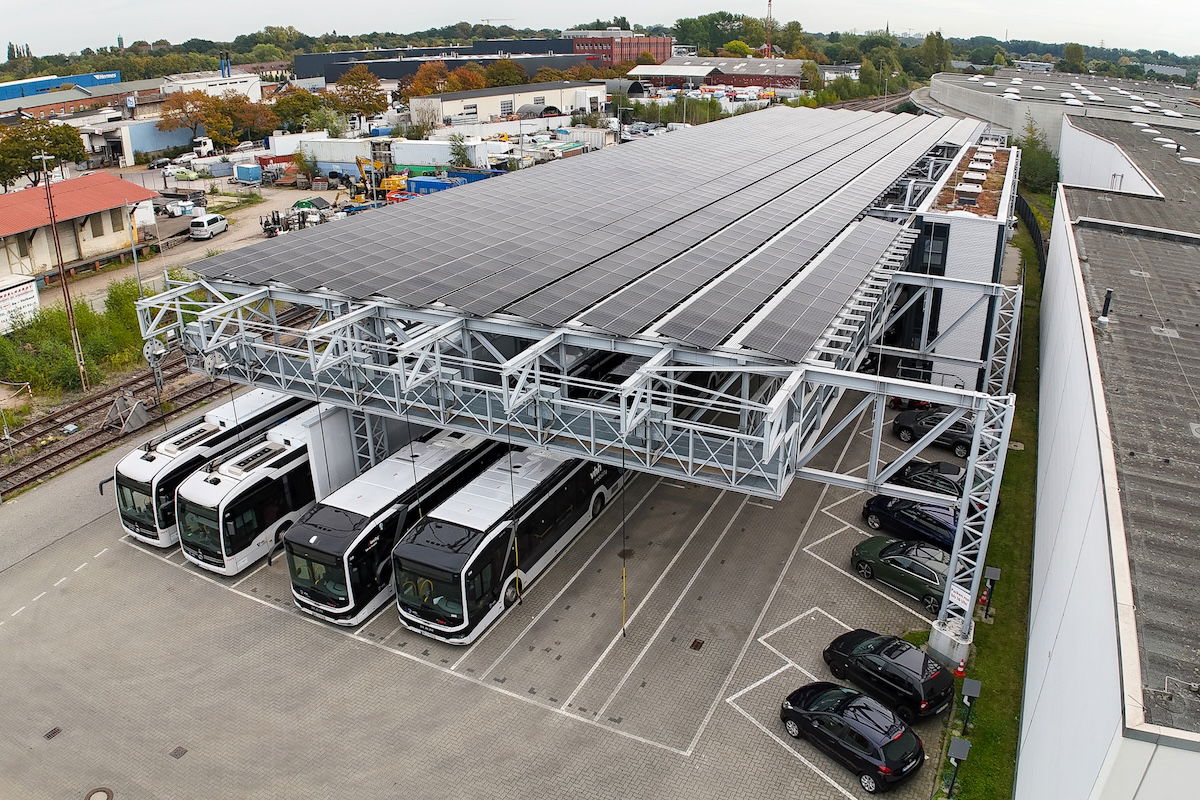
The newly commissioned solar power system in Billbrook has an installed capacity of 330 kWp and comprises a total of 727 solar panels, covering an area of approximately 2,000 square metres. According to the company’s preliminary calculations, the installation could generate around 340,000 kilowatt-hours of electricity annually, to be used directly for the depot’s energy supply and for charging the batteries of electric buses based there.
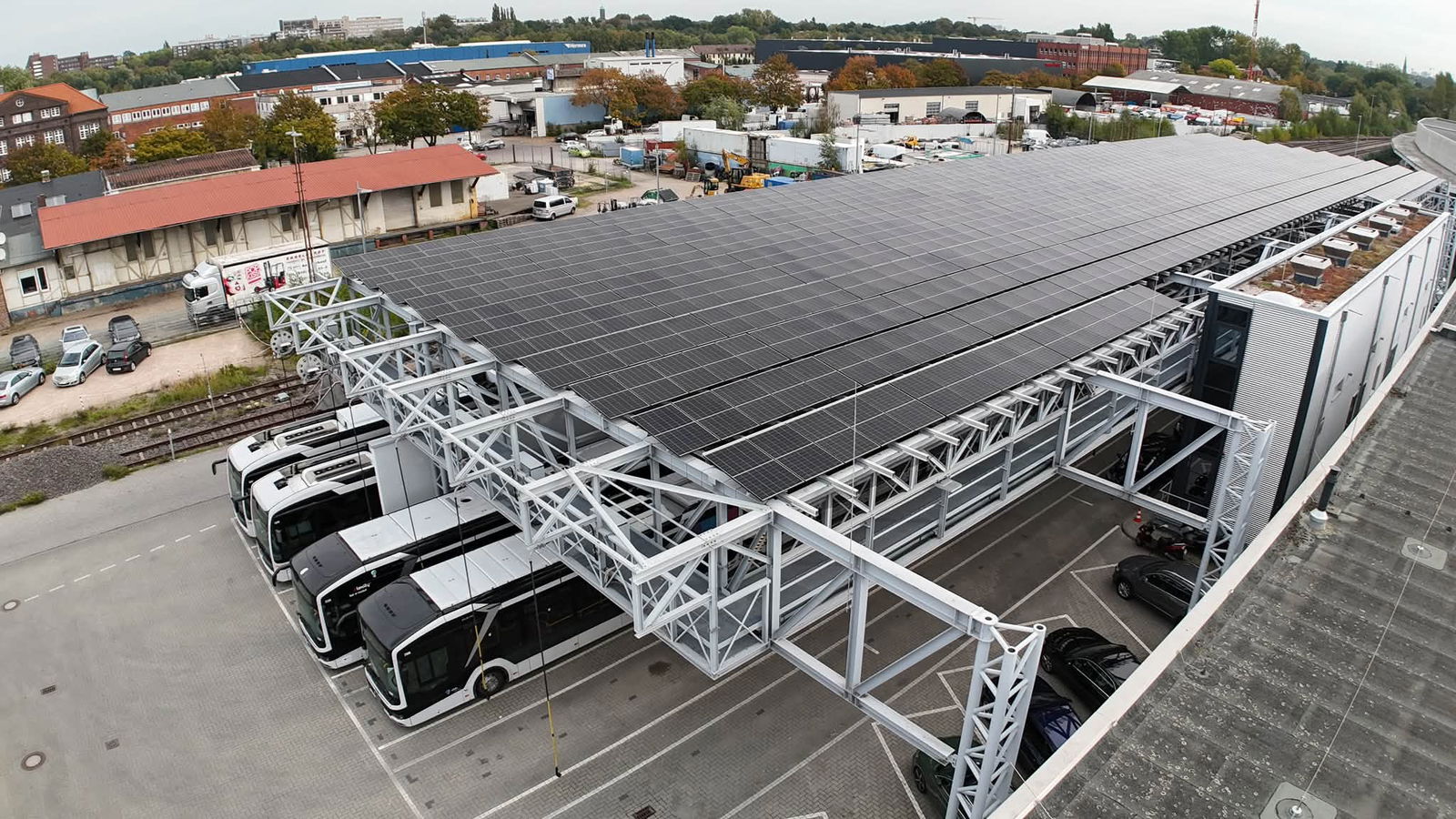
Together with the solar power system already in operation at the Schenefeld depot, the Billbrook investment forms a coordinated energy generation programme. The two installations have a total of 2,047 solar panels and an installed capacity of 930 kWp. Of this, the Schenefeld system accounts for 1,320 panels and 600 kWp of capacity, with expected annual energy generation of around 570,000 kilowatt-hours. Combined, the two depots can therefore produce approximately 910 MWh of electricity per year.
To illustrate the scale of this output, vhh.mobility used the energy requirements for charging electric buses as a benchmark. According to the company’s calculations, an average charging cycle requires around 325 kWh of electricity, meaning the expected annual output of the two solar power systems is sufficient for approximately 2,800 such charging sessions. This is, of course, a theoretical comparison, as actual energy consumption is influenced by vehicle type, battery capacity, weather conditions, preconditioning and the batteries’ state of charge on arrival. Moreover, the timing of solar generation does not necessarily coincide with vehicles’ charging requirements, meaning that the public electricity grid continues to play a decisive role in supplying the depots with electricity.
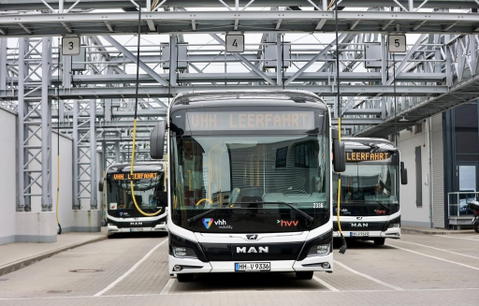
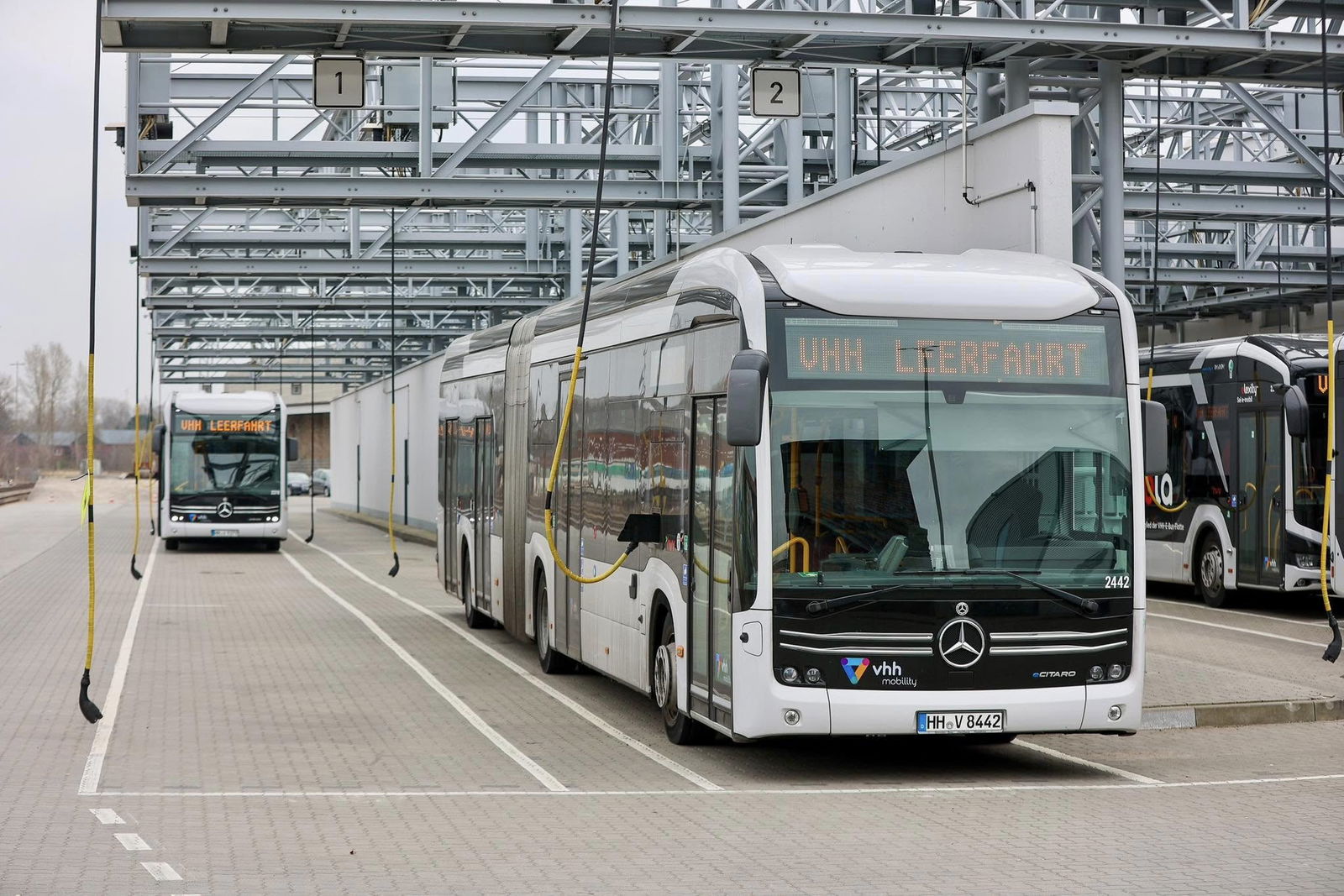
Expanding in-house energy generation is particularly important in light of the substantial growth of vhh.mobility’s electric bus fleet in recent years. According to the company’s latest published fleet data, it currently operates around 280 electric buses, while its total fleet comprises approximately 775 buses. This means that more than one-third of its fleet now consists of fully electric vehicles. A total of around 240 electric bus charging points are available across the company’s four depots.
Alongside the fleet expansion, development of depot infrastructure is also continuing. One of the most significant milestones in this process is theapproximately €23 million Norderstedt bus garage development, which was completed by June 2026. During the construction work, which lasted almost two years, the depot on Hans-Böckler-Ring was largely rebuilt and adapted to the requirements of electric bus operations. The approximately 11,326-square-metre facility can accommodate around 60 buses, while its charging infrastructure comprises 49 charging points with a total installed capacity of 6.6 MW. The charging points supplied by Siemens, each with a rated output of 150 kW, are primarily intended for overnight charging at the depot. A solar power system has also been installed on the roof of the new garage, while the building’s energy supply is supported by a geothermal solution.
The Hamburg transport operator is preparing further major investments. In May 2026, the European Investment Bank provided vhh.mobility with a €125 million financing facility for an electromobility development programme worth a total of €337 million. As part of the investment, the company plans to procure a further 188 electric buses – including 120 standard 12-metre buses, 52 articulated buses and 16 minibuses – as well as further develop the Schenefeld depot and its charging infrastructure.
Over the longer term, vhh.mobility is also considering further modernisation of energy management at its depots. Possible development directions include battery storage of locally generated electricity and the use of bidirectional charging technology which, under suitable technical conditions, could enable electric bus batteries not only to take on energy but also, where necessary, to feed it back into the depot energy system. For the time being, these remain potential future solutions, and the company has not disclosed details of their specific implementation.