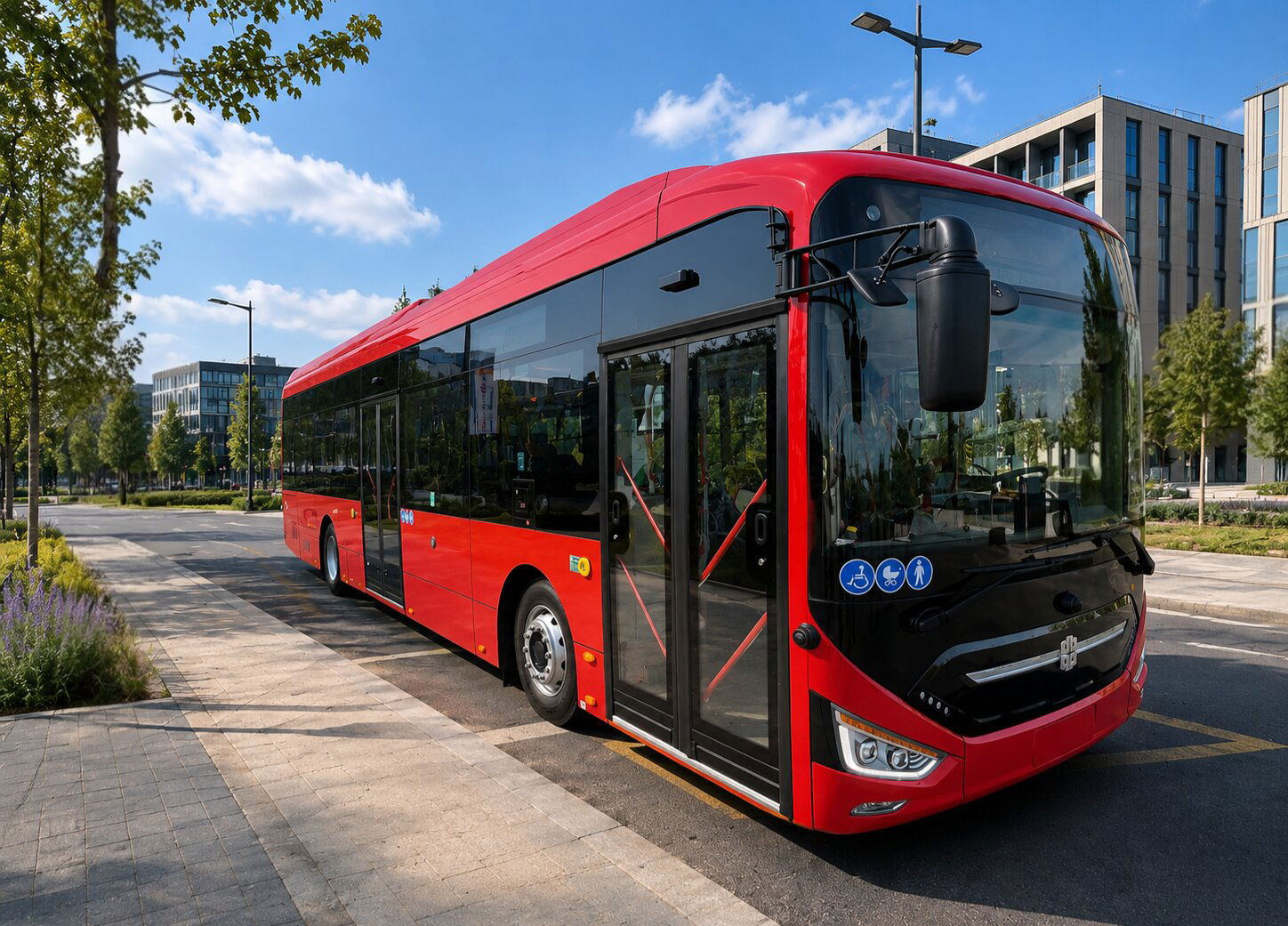
Delivery of 150 electric buses can begin: Ikarus signs contract in North Macedonia
Ikarus Electric’s largest electric bus deal to date has recently entered another important phase: on 9 September, the contract for the delivery of 150 electric buses and the 75 charging units required to support them in North Macedonia was signed. This means that, following the public procurement procedure concluded in the summer, the project’s actual implementation can begin. Although the Skopje city authorities still want the first 30 vehicles to enter service by the end of the year, the contract sets a considerably more generous deadline. Meanwhile, preparations for the charging infrastructure required to accommodate the electric fleet have also begun in Skopje; the 75 charging units will be supplied by Ikarus Electric’s consortium partner, the North Macedonian subsidiary of Austria’s EVN AG.
Some uncertainty has arisen in recent weeks over the timing of the contract signing. As early as 31 August, at a meeting of the city assembly, Skopje Mayor Orce Gjorgjievski announced as a fait accompli that the contract with Ikarus had been signed, also stating that the first buses would arrive before the end of the year. The statement was made during a heated political debate on the state of public transport in the capital, while responsibility for conducting the procurement itself lay not with the City of Skopje but with the North Macedonian Ministry of Transport. However, Gjorgjievski’s claim regarding the signing of the contract was factually untrue: when the mayor spoke of the signing as a fait accompli, the agreement had not yet been concluded; this did not take place until 9 September. The mayor therefore pre-empted by nine days the conclusion of an agreement over which the City of Skopje had no direct influence.
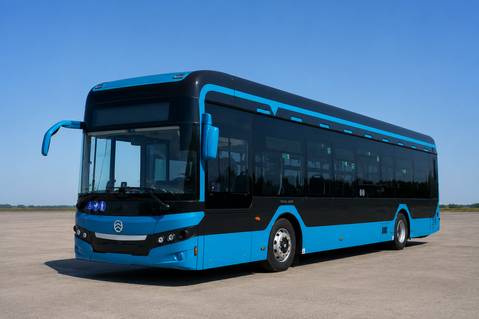
The procurement itself did not reach the contract-signing stage without difficulty either: the North Macedonian side had to make three attempts at the 150-unit electric bus programme after the first two public procurement procedures both failed. The overall picture is somewhat nuanced, however, by the fact that Ikarus entered the tender not with the 120e model marketed under its own brand name in cooperation with China’s CRRC, but with a model entirely foreign to the manufacturer’s product range. This also represents a significant change from Ikarus’s electric bus strategy of almost a decade, as the actual manufacturer of the 150 vehicles will this time be China’s Zhongtong.
It is not yet known how much Hungarian added value this will generate, but the possibility of significant assembly work in Hungary can practically be ruled out; based on the arrangement taking shape, Ikarus will essentially fulfil a sales and distribution role in this project. This is indicated not only by the extremely tight delivery schedule and the quoted price, which is unusually low even by European comparison, but also by the change in Ikarus’s production strategy: any further examples of the V4 series offered jointly with CRRC will likewise be assembled in China rather than Hungary. In light of all this, there would hardly be any justification for establishing a Hungarian production base and carrying out the necessary technology transfer specifically for the cooperation with Zhongtong, especially as fulfilling an order for 150 units would not in itself justify creating new European assembly capacity given the Chinese manufacturer’s existing capacities.
Under the signed contract, the 150 buses and their associated charging infrastructure will arrive in North Macedonia in three phases. The first 30 vehicles, together with 15 charging units, must be delivered within six months, i.e. by 9 March 2027 at the latest. A further 60 buses and 30 chargers must be handed over by 9 September 2027, while the remaining 60 vehicles and 30 chargers must arrive by 9 March 2028 at the latest. Of the 150 buses, 100 will go to Skopje, with the remaining 50 distributed among other North Macedonian municipalities.
The net value of the agreement is approximately €50.7 million, including the delivery of 75 charging units alongside the 150 electric buses. Based on the unit prices given in the tender, each bus costs approximately €322,000, while each charging unit costs around €32,800. Thus, the vehicles account for approximately €48.3 million of the total, with a further €2.46 million accounted for by the charging units. Payment of the investment’s consideration has been scheduled over several years: Ikarus will be paid slightly more than €5 million in 2026, while payments of nearly €23 million are planned in both 2027 and 2028. The total contractual amount including VAT is approximately €60 million.
However, the project is far from over once the buses have been delivered: providing the support required for the long-term operation of 150 vehicles will be at least as great a task for Ikarus. For a fleet of this size, adequate service support, rapid repairability and a continuous supply of spare parts are at least as important as the delivery of the vehicles themselves. Accordingly, the contract also stipulates the provision of local servicing authorised by the manufacturer, as well as the maintenance of a stock of spare parts.
An appropriate standard of after-sales service is now one of operators’ fundamental expectations, especially in the case of a fleet of this size. The vehicles’ long-term availability is determined at least as much by a rapid and predictable supply of spare parts, adequate technical support and well-functioning service support as by the technical standard of the buses themselves. The North Macedonian deal will therefore also be a serious test for Ikarus from this perspective.
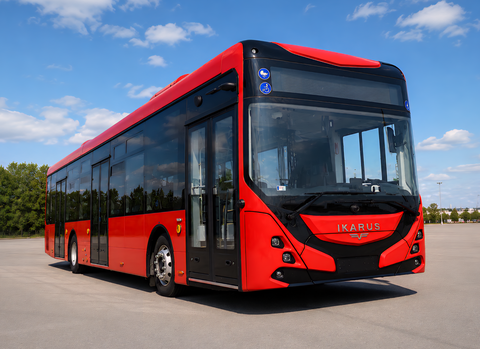
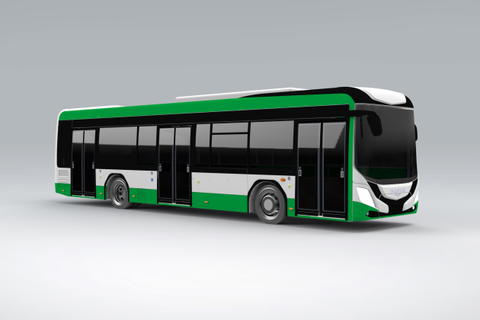
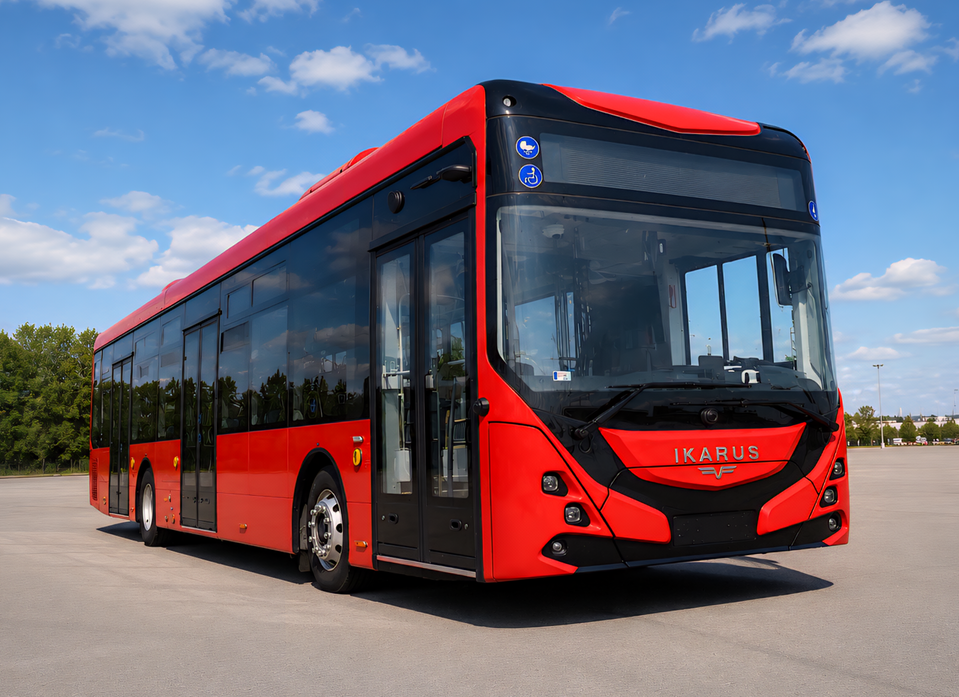
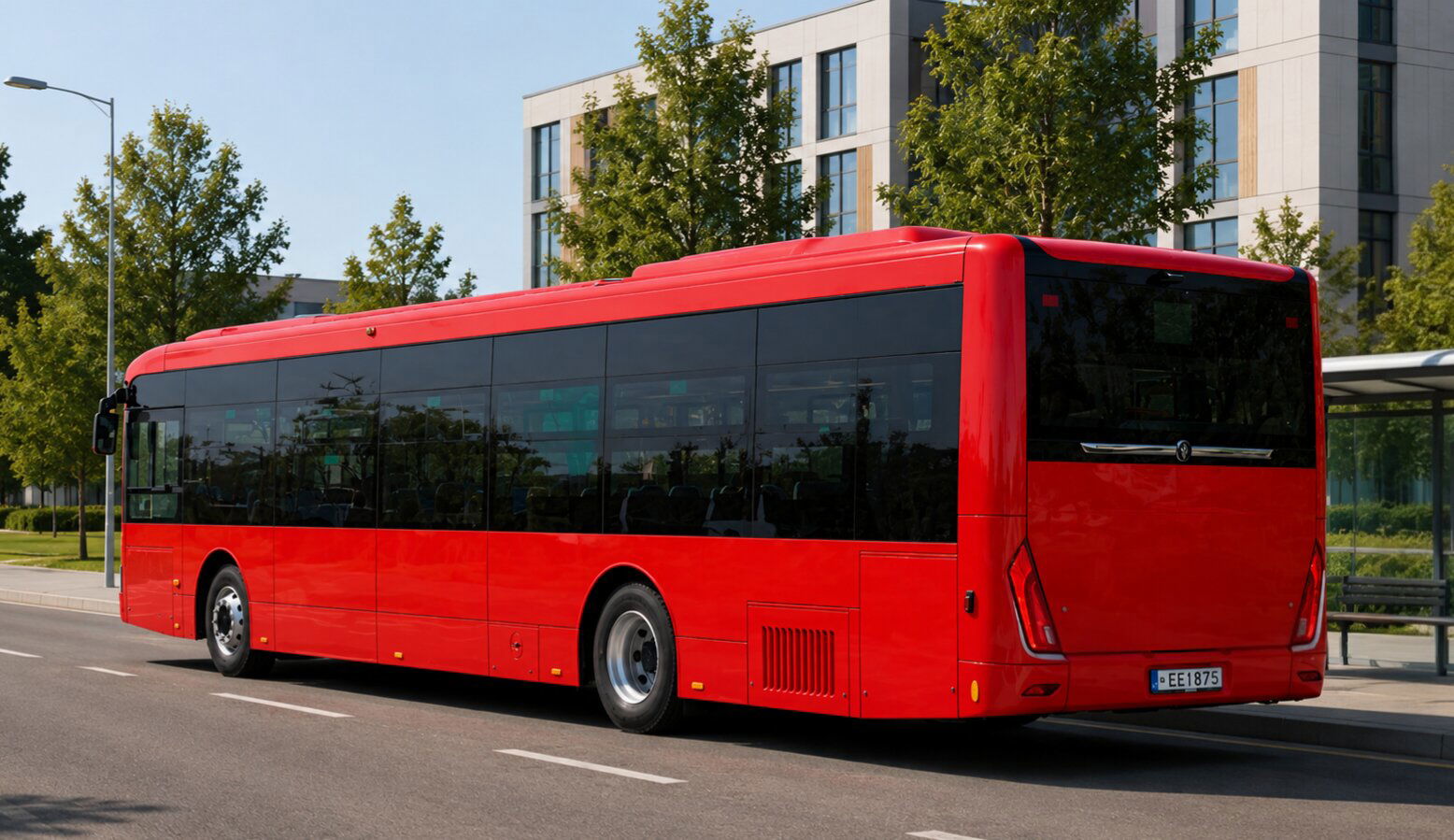
The cover image is for illustration purposes.