Solaris prepares for US production
Solaris is preparing for one of the most important strategic moves in its history: after three decades of European growth, the Polish bus manufacturer has officially entered the North American market. Its parent company, the Spanish CAF Group, sees the United States and Canada as among its most important growth areas for the coming years, where zero-emission buses can now join the rail business as a key pillar.
Félix Fernández, CEO of CAF USA and also President of Washington-based Solaris North America, spoke about the company’s North American expansion. Solaris established the latter organisation specifically to enter the North American market and coordinate regional operations. According to Fernández, North America plays a prominent role in CAF’s strategy through to 2030, as the region is one of the world’s largest and most important public-transport markets. The group views the North American market not as a one-off export opportunity, but as a long-term growth area, for which it also plans to establish local sales, engineering and, later, manufacturing capabilities.

CAF is known in the United States primarily through its tram and light-rail projects. Among others, the company has supplied rail vehicles to Boston, Houston, Cincinnati, Kansas City, Omaha and Maryland. Solaris, which has been part of the CAF Group since 2018, could extend this presence into the bus segment.
Solaris is currently one of Europe’s leading manufacturers of urban and interurban buses. Over the past 30 years, the company has sold more than 28,000 buses and trolleybuses to almost 900 cities in 33 countries. Its product range is now focused almost exclusively on zero-emission technologies: battery-electric buses, fuel-cell hydrogen buses and trolleybuses.
The first tangible result of the company’s entry into the North American market came at the end of 2024, when Solaris signed its first US contract with Seattle public transport operator King County Metro. The agreement covers the delivery of two 40-foot (12-metre) and two 60-foot (18-metre) battery-electric buses, scheduled for handover in the second half of 2026. Although the four vehicles may at first glance appear to be a modest-volume order, their significance extends far beyond the number of units. The United States is one of the world’s largest bus markets, with around 8,000 urban buses sold each year. The sector’s traditional market leader, New Flyer, currently has a substantial order backlog and, according to several reports, faces significant challenges in delivering ordered vehicles on time. This could create a favourable opportunity for new players, including Solaris, to gradually establish a foothold on the continent.
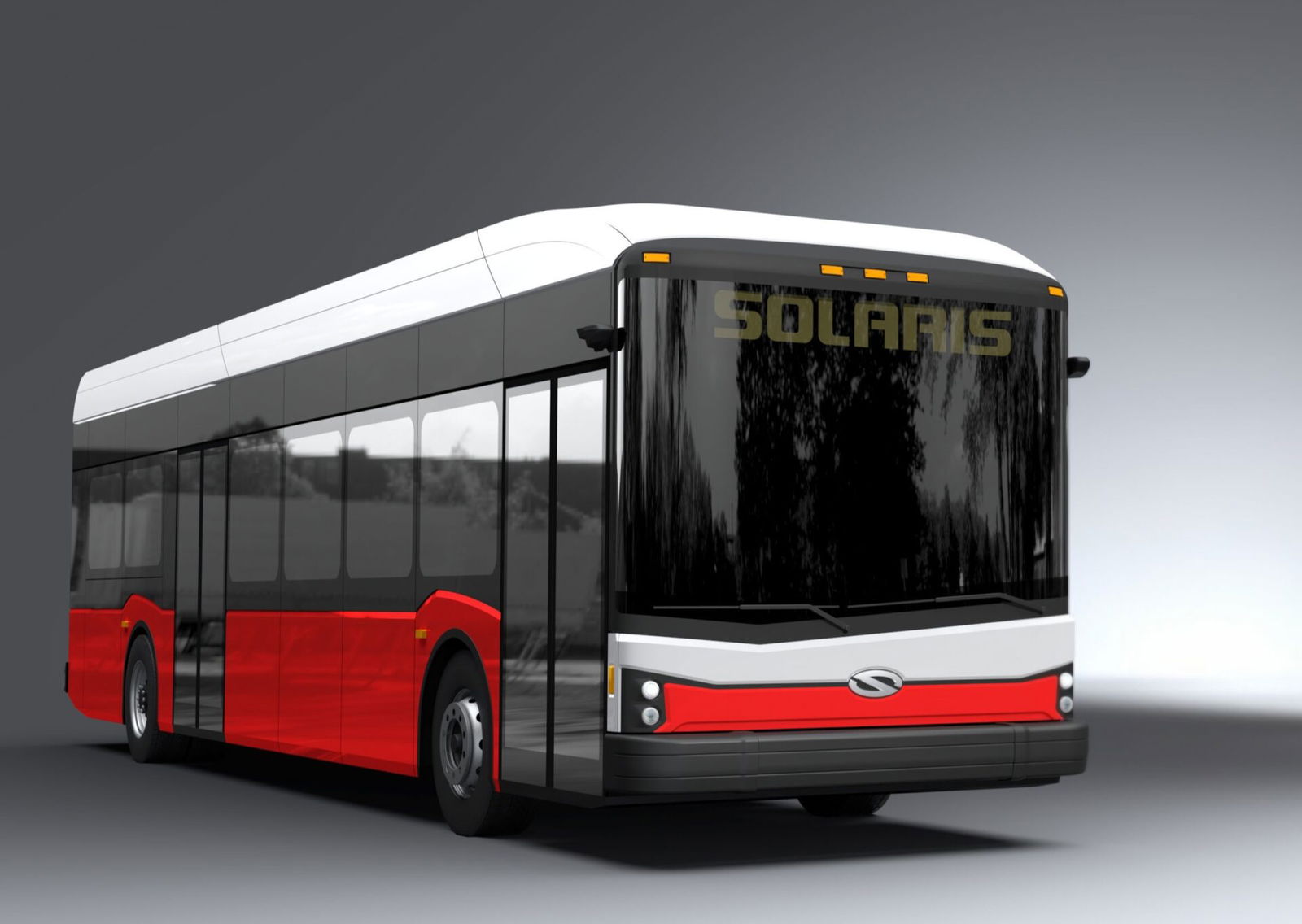
Moreover, Solaris’s first US order was expanded further within a short period. The framework agreement concluded with King County Metro originally allowed the operator serving public transport in a total of 35 municipalities in Washington State – including the Seattle area – to call off up to 12 additional vehicles, namely six solo and six articulated buses, in addition to the two solo and two articulated electric buses already ordered. King County Metro ultimately did not exercise this option, but agreed that part of the option allocation could be used by the San Francisco Municipal Transportation Agency (SFMTA) to expand its own fleet. As a result, San Francisco ordered a further six Solaris electric buses – three solo and three articulated vehicles – meaning that the manufacturer’s first US reference project was quickly extended to two major West Coast public transport operators.
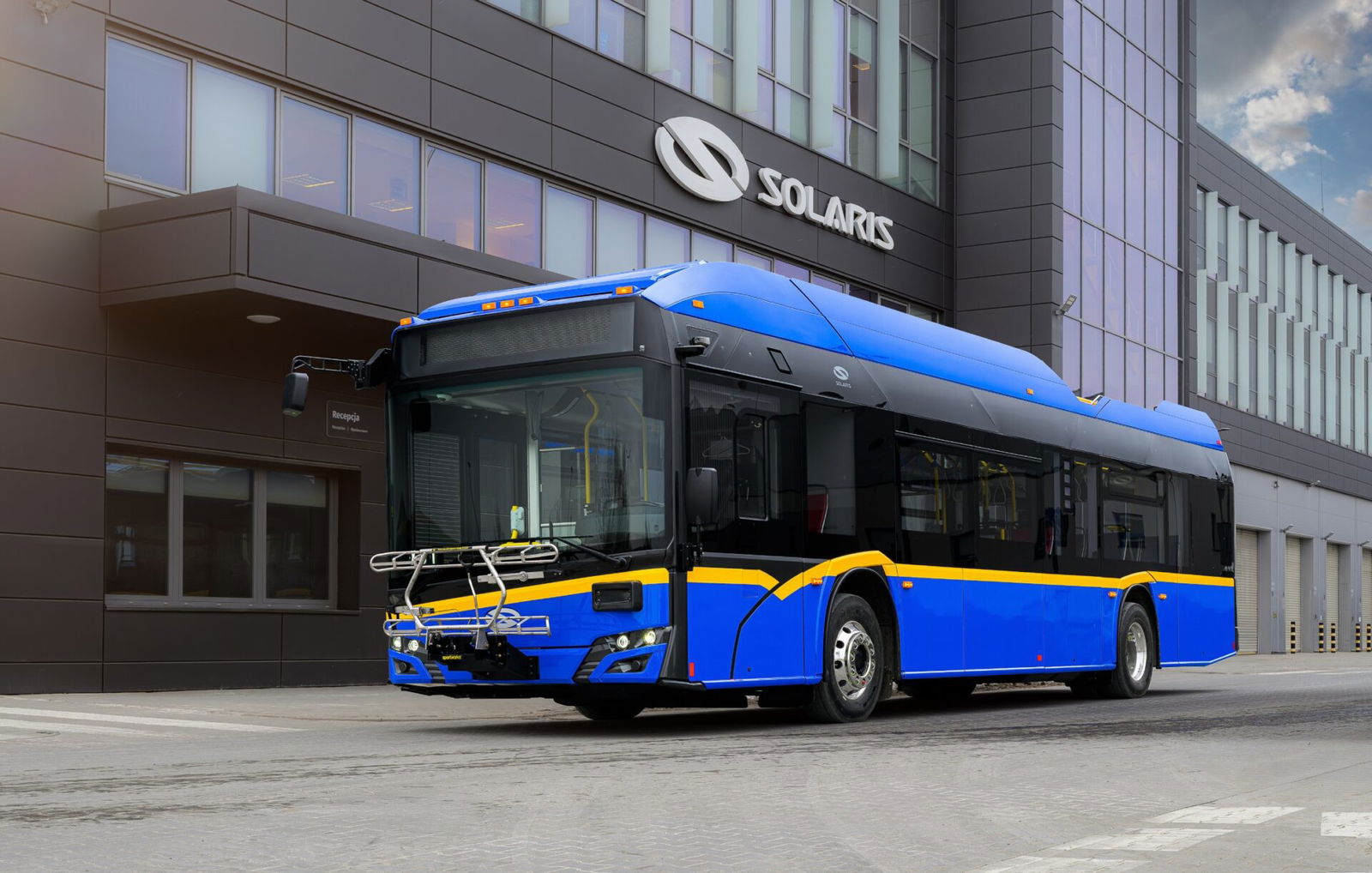
Solaris has also entered the North American market with more than just battery-electric buses. The company won the first North American trolleybus order in its history when Vancouver’s transport authority, TransLink, concluded a framework agreement with the manufacturer for the delivery of up to 512 trolleybuses. Under the programme, the transport authority has so far already called off more than 270 vehicles, meaning that Solaris may also enter the North American market as the supplier for one of the continent’s largest trolleybus procurements.
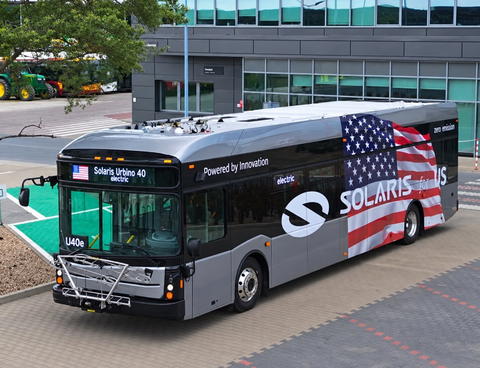
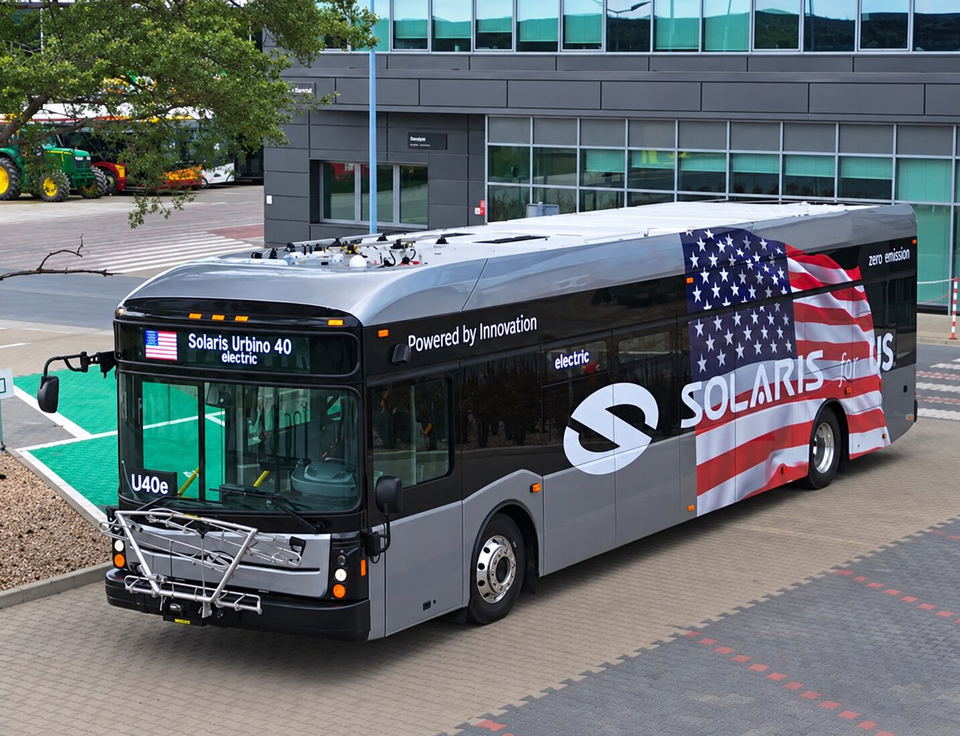
While orders received from the United States remain relatively modest in volume, their significance extends far beyond the number of vehicles. Solaris is entering the US market with a completely new electric bus platform developed specifically for North America. According to the company, the design fully complies with North American market requirements, including the vehicle safety regulations applied in the United States under FMVSS (Federal Motor Vehicle Safety Standards) and in Canada under CMVSS (Canadian Motor Vehicle Safety Standards), as well as accessibility requirements under the ADA (Americans with Disabilities Act). These regulations include requirements relating to the vehicles’ structural safety, braking systems, emergency-exit design, lighting equipment and accessibility for passengers with reduced mobility. However, the platform is not built entirely from scratch: during development, Solaris also adopted a number of technological solutions already proven in Europe, including the electric drivetrain, battery technology, and advanced diagnostic, remote monitoring and telematics systems.
The first vehicles being built for Seattle and San Francisco will still be manufactured in Poland. This is because these contracts are not subject to Buy America requirements applied to federally funded transport projects. US regulations currently require at least 70% domestic content for buses sold to state-owned or publicly funded transport operators, while the steel and iron used as raw materials must originate entirely from the United States. As a result, in the longer term, establishing local assembly or manufacturing is virtually unavoidable for those seeking to secure a meaningful share of public procurement contracts in the US market.
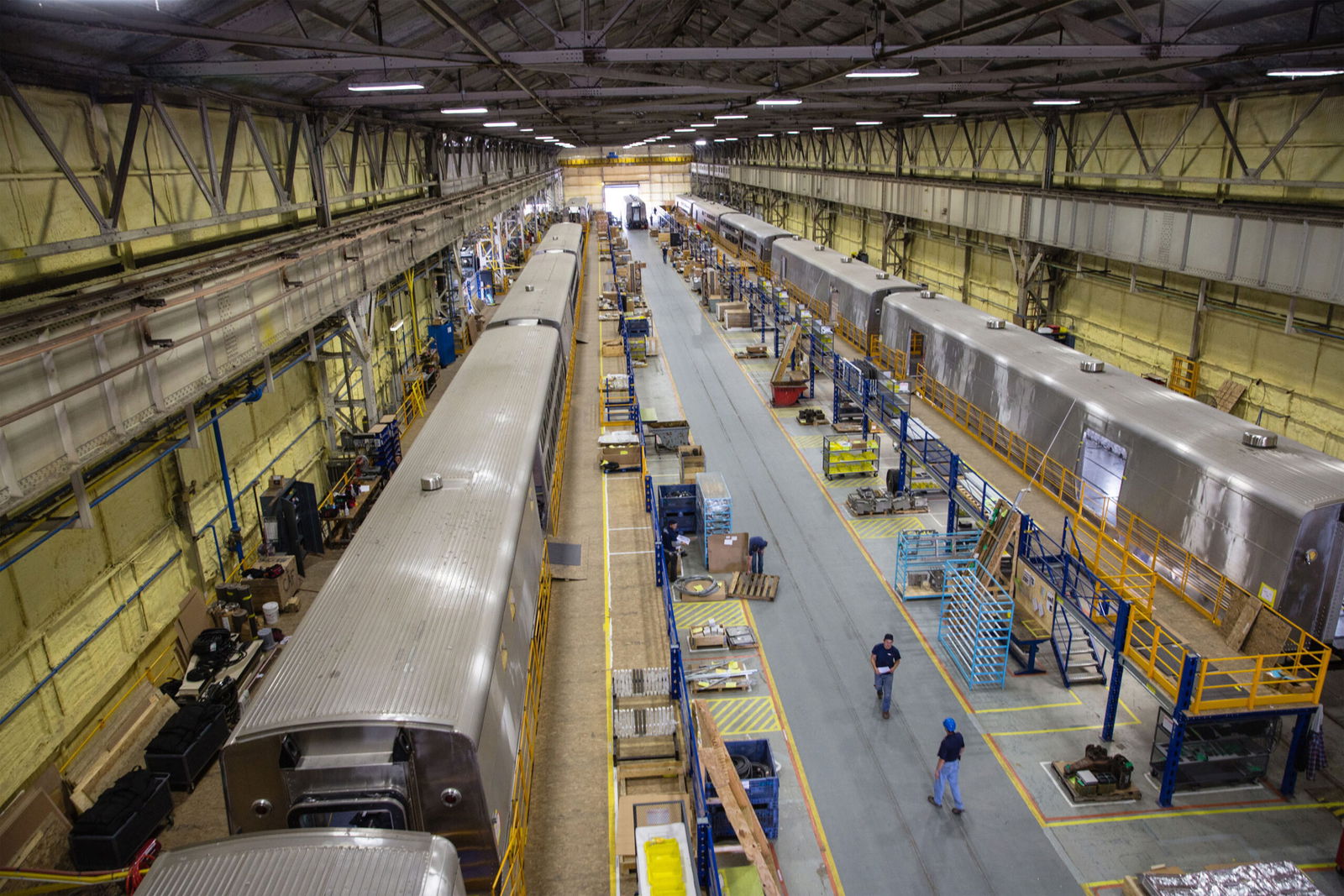
According to the company’s plans, a key role in this could be played by CAF’s existing factory in Elmira, New York State, which currently assembles rail vehicles. The infrastructure and industrial base available there could provide a suitable foundation for Solaris to meet US public-procurement requirements in future through local manufacturing or assembly. Establishing such capacity may be important not only for projects targeted in the United States. Although Canada has no nationwide domestic-content requirement comparable to the US Buy America system, the Elmira plant’s geographical location and the closely integrated economic relationship between the two countries could also give it a role in serving future Canadian orders.
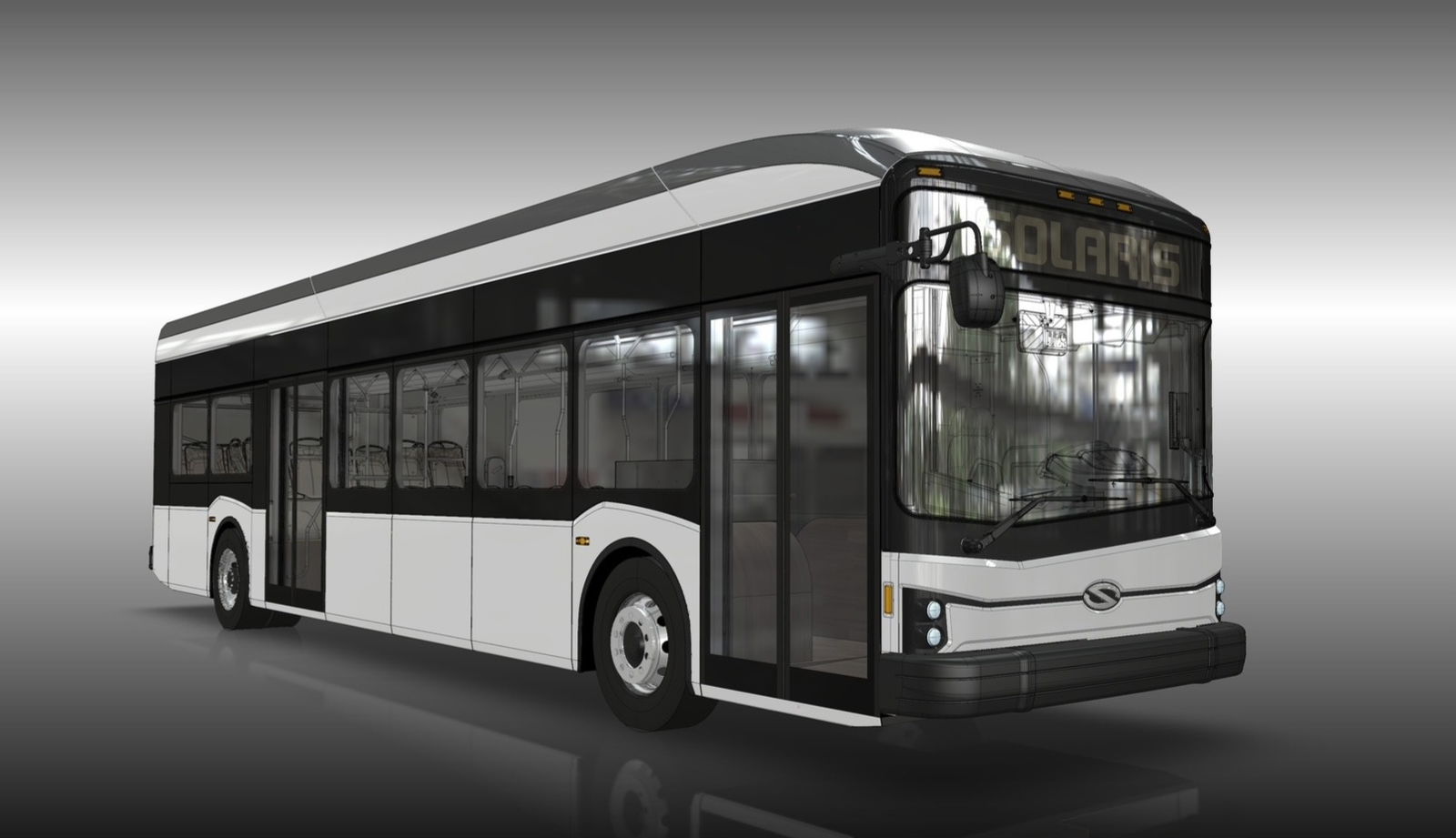
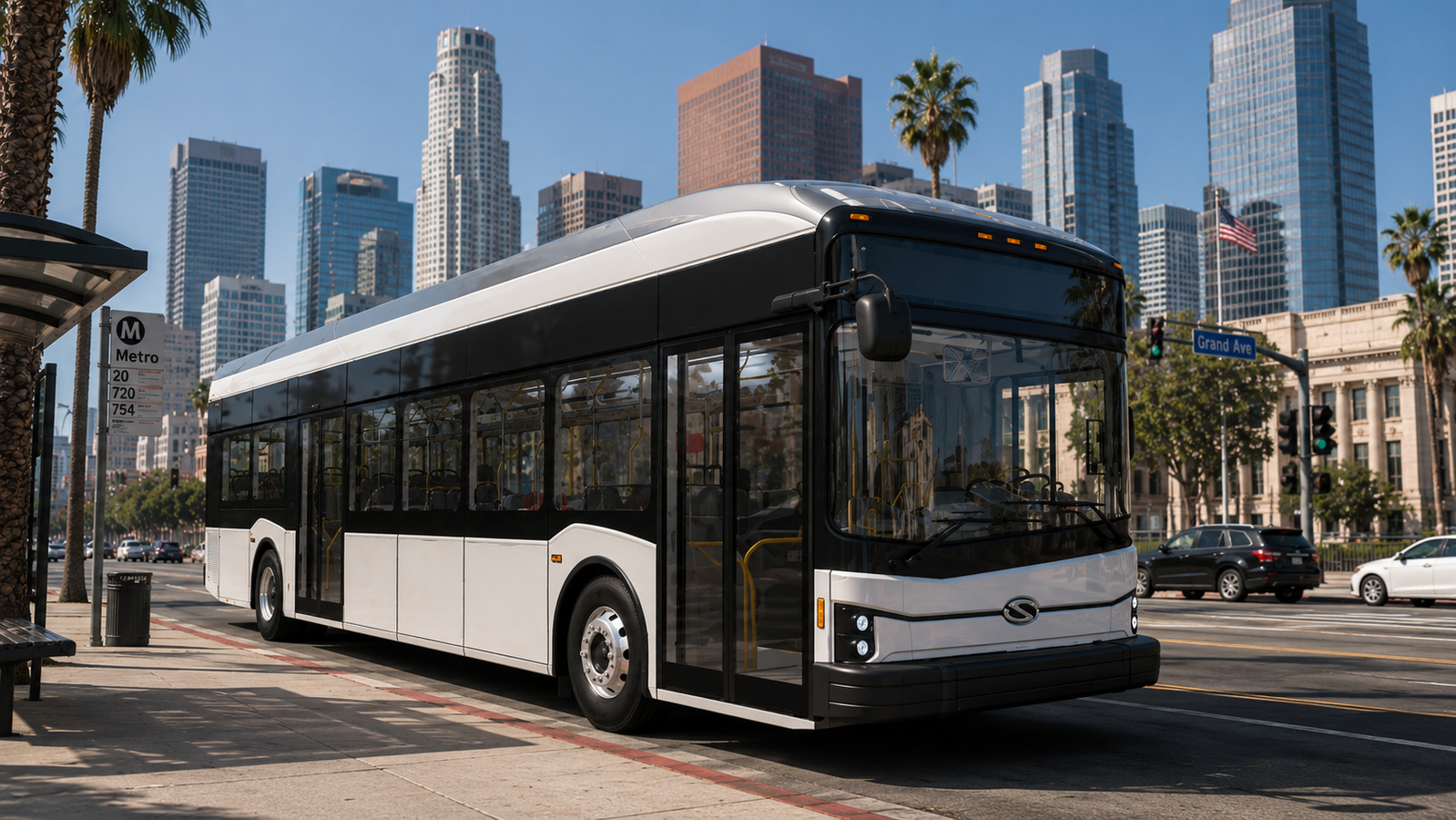
The first Solaris bus developed for the North American market will be officially unveiled on 5 October 2026 at the APTA Expo trade fair in Chicago. The manufacturer will publicly present its new 40-foot electric bus there for the first time; it previously appeared in public procurement documents under the name Urbino NAe40. It is not yet known whether this designation will become the model’s final commercial name or is merely an internal designation used during the development and documentation stages. The unveiling can nevertheless be regarded as a milestone in the company’s history, as it will be the first Solaris bus developed specifically for the needs and regulatory environment of the North American market.
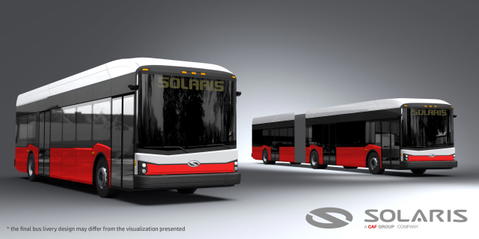
The cover image is an illustration.