![Magyarbusz [Info]](/mbi/header-logo.png)
New-generation Volvo 9800 coach makes its debut
Expo Foro Movilidad 2026, held between March 4 and 6 and regarded as one of the Latin American region’s most important bus industry showcases, with growing significance on a global scale, opened its doors in Mexico City on Wednesday. One of the biggest attractions of this year’s event is the new generation of the Volvo 9800 coach, which, like its predecessor launched in 2015, acts as something of a design forerunner, introducing styling cues not previously seen in Volvo Buses’ long-distance range. Although this is a model reserved specifically for the Mexican market, it is also worth watching from this side of the Atlantic, as based on what we have seen so far it is quite conceivable that many of its solutions will reappear on the European-market Volvo 9700, which from this year will also be built in Mexico.
The Volvo 9800 is a genuine success story on the Mexican market: during a career spanning just over a decade, almost 5,000 units of the type have been produced so far, meaning the task of the newly unveiled generation can hardly be anything other than to carry forward the success of its predecessor. It was therefore no coincidence that, alongside the management of Volvo Buses Mexico, the company’s global leadership was also represented at the world premiere. At the presentation, Anna Westerberg, president of Volvo Buses, also made another important announcement: series production of the European-market Volvo 9700 family, previously manufactured in Poland, will shortly begin at the company’s Mexican plant – information that Volvo had in fact first shared earlier in response to an enquiry from our portal. The company believes there is currently significant demand in Europe for new coaches, partly due to the shortage of manufacturing capacity that has developed in recent years and to extended delivery times. According to Volvo, the Mexican production base creates an opportunity for the company to respond flexibly to growing demand in the European market. To this end, several developments have been carried out at the plant in Tultitlán: the transformation of production lines, the procurement of new tools, technology transfer, employee training and the introduction of production processes adapted to European specifications were all part of the investments. All this may also affect production volume: the facility currently builds approximately three buses a day, so manufacturing around 200 additional export vehicles annually effectively increases output by one more unit per day, representing a 25% capacity increase compared with the previous level. Exports of the Mexico-built 9700s are expected by the manufacturer to begin as early as this year, initially with around 30 buses, before gradually rising to the planned roughly 200 units per year. The main target markets for the vehicles will be Italy, France, the United Kingdom and the Scandinavian countries.
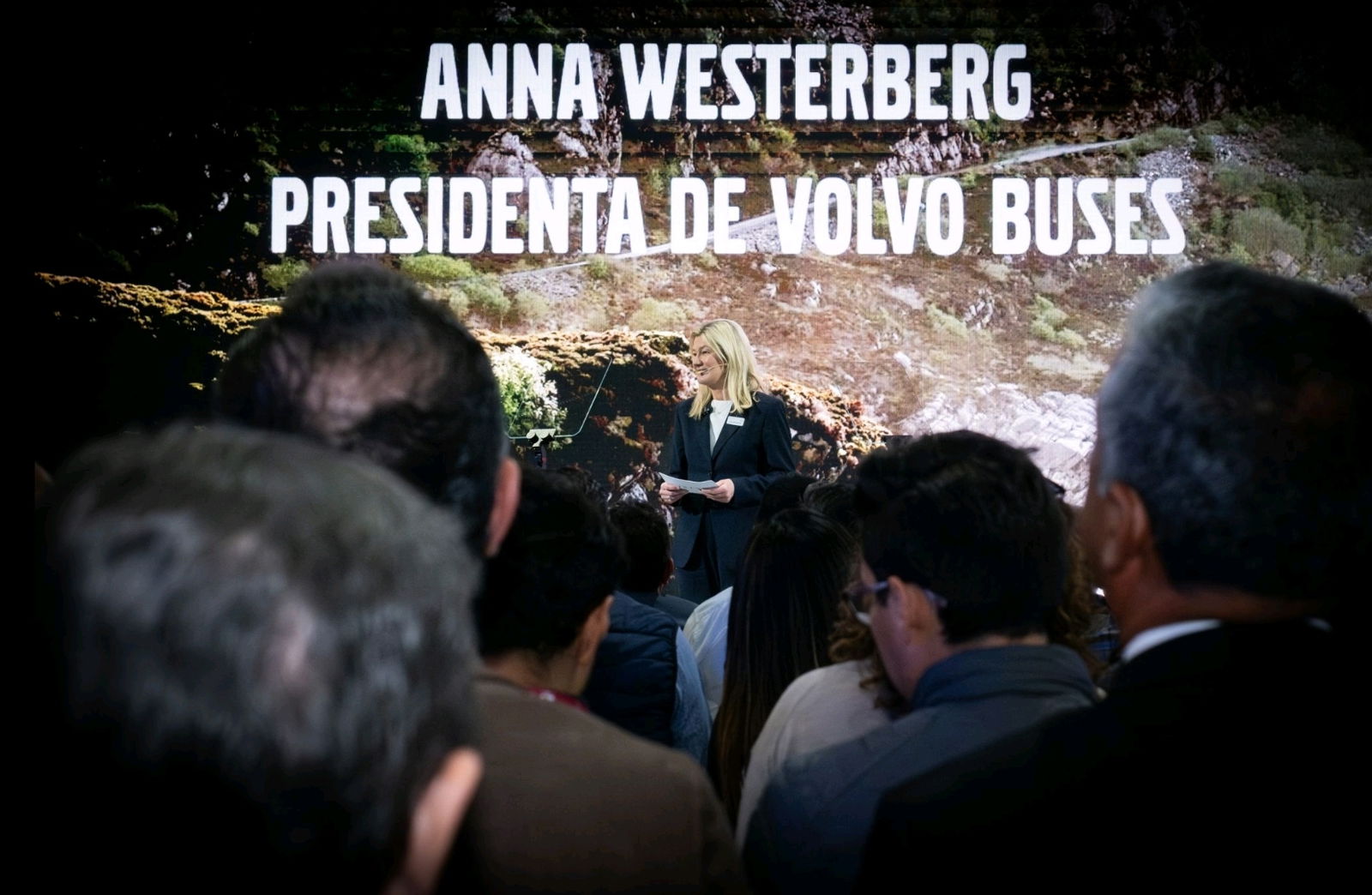
The presentation of the new 9800 is also significant from the perspective of the European market, as its outgoing edition also served as the design and engineering basis for the third-generation Volvo 9700/9900 model pair unveiled in 2018. With the launch of Mexican series production, it is therefore quite conceivable – although this was not mentioned at the presentation – that the model tailored to European requirements will also return to the market of the old continent in a renewed form.
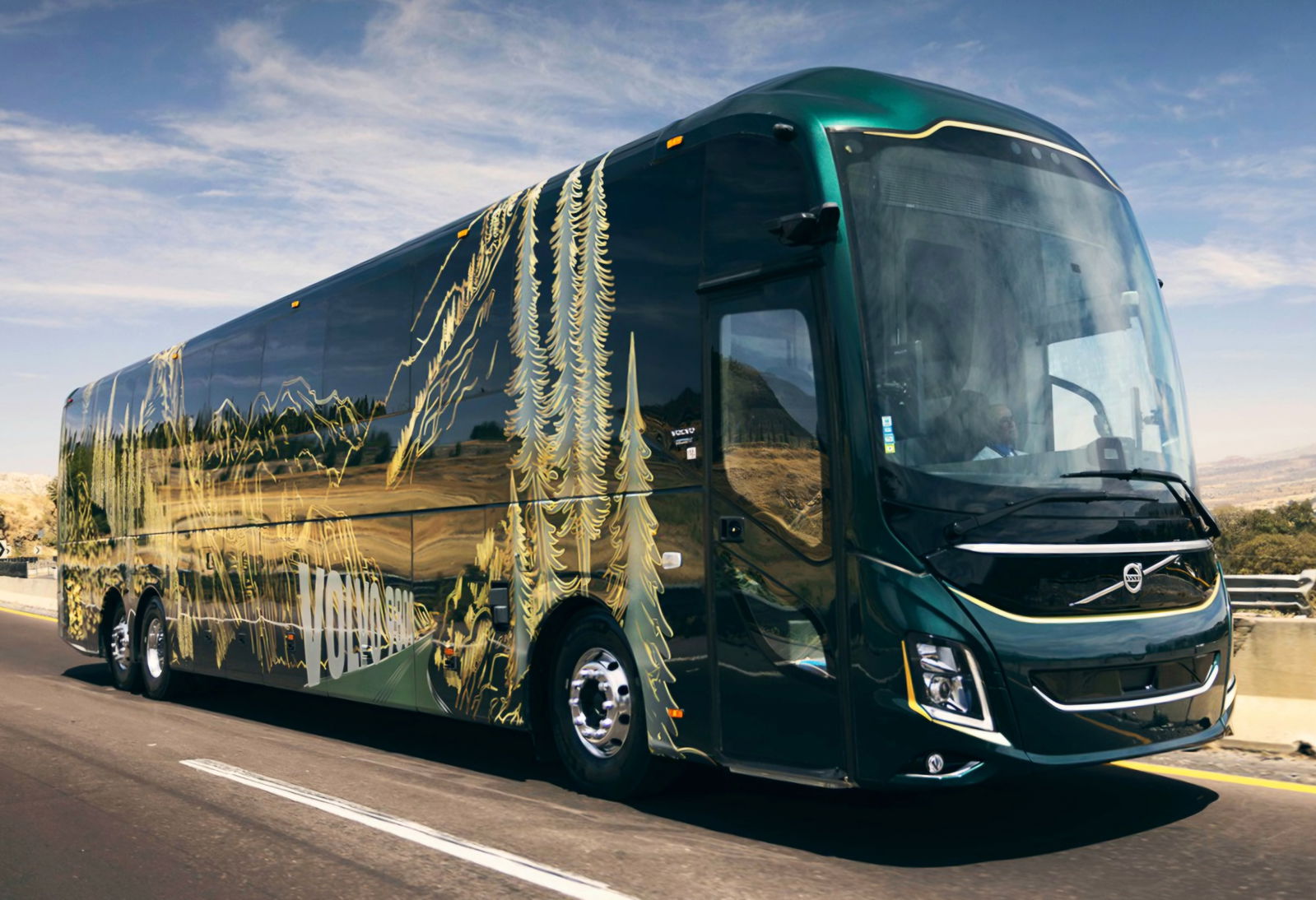
This scenario seems all the more logical because the 9700, introduced almost eight years ago, is already approaching the stage of the model cycle typical of Volvo coaches when the type usually undergoes a more substantial facelift. The possibility is further strengthened by the fact that the 9800 and 9700 will in future be built on the same production line, which points to a further increase in component and structural commonality between the two types.
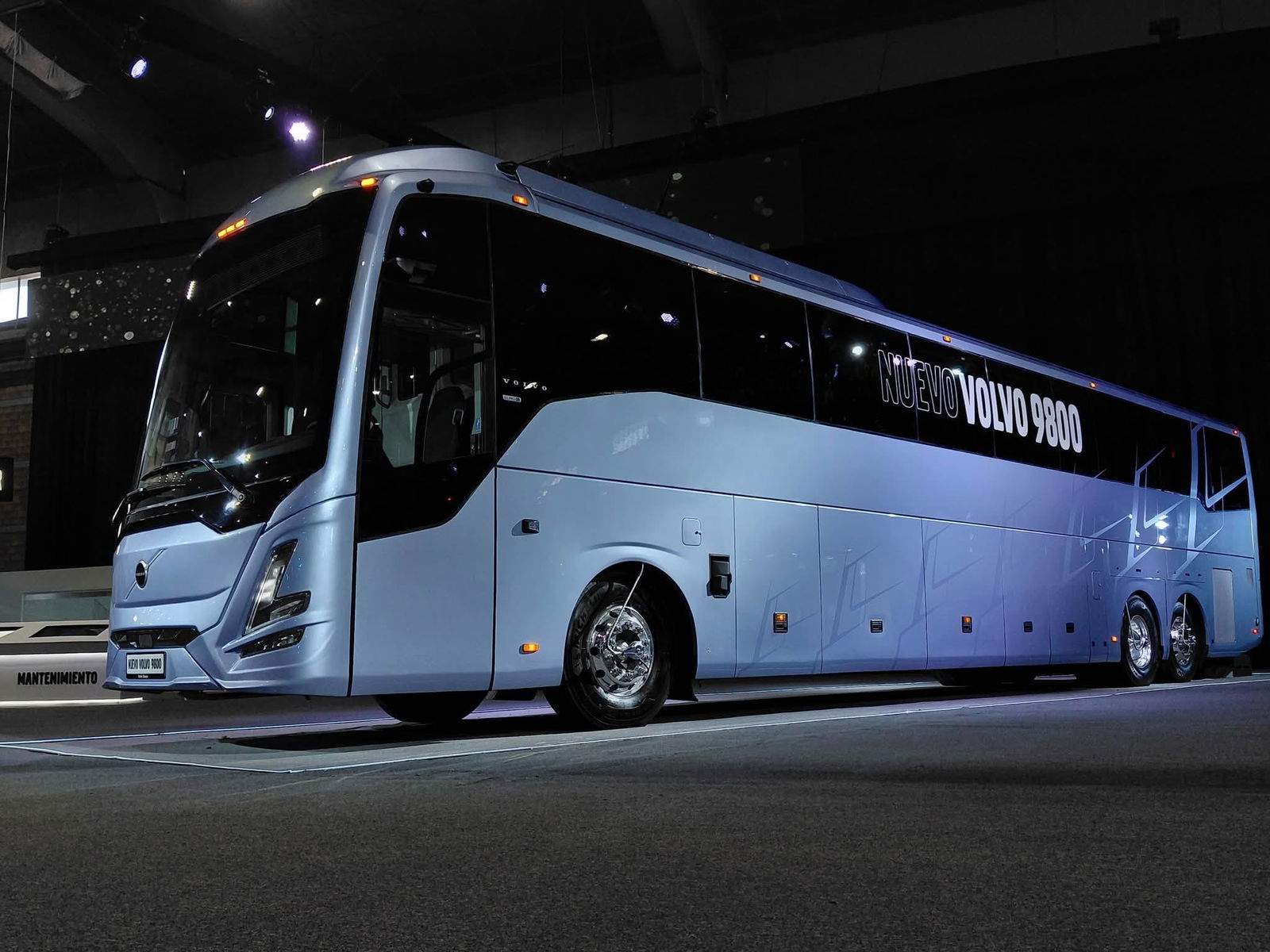
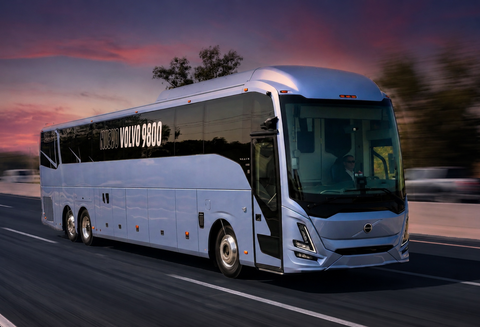
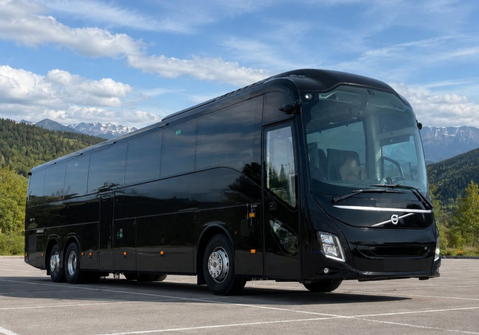
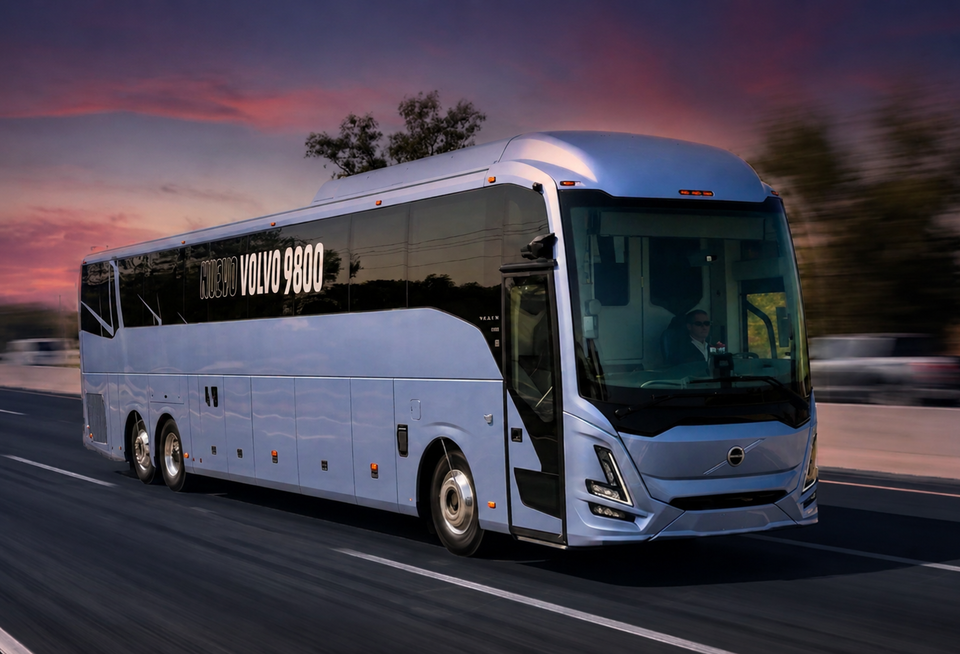
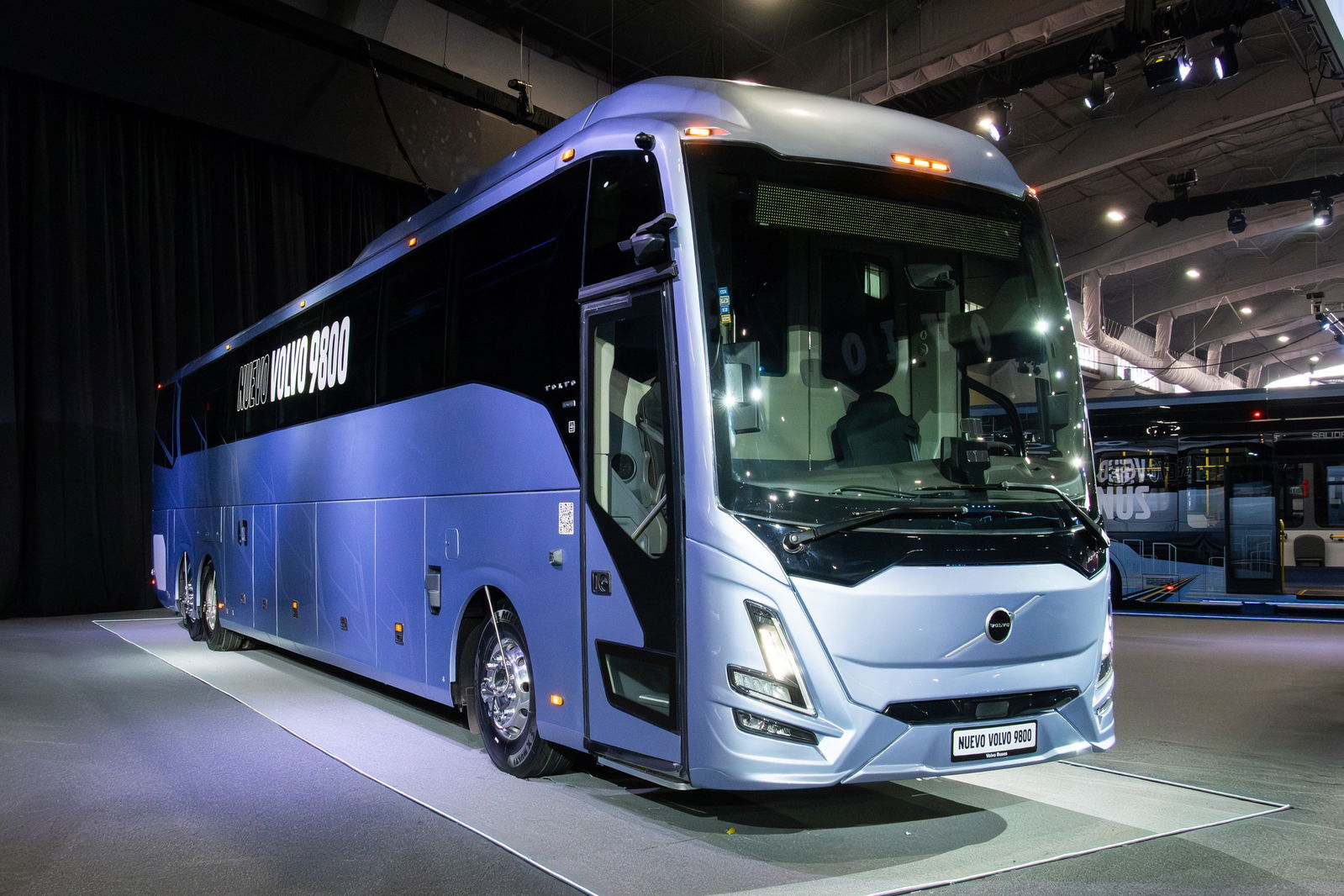
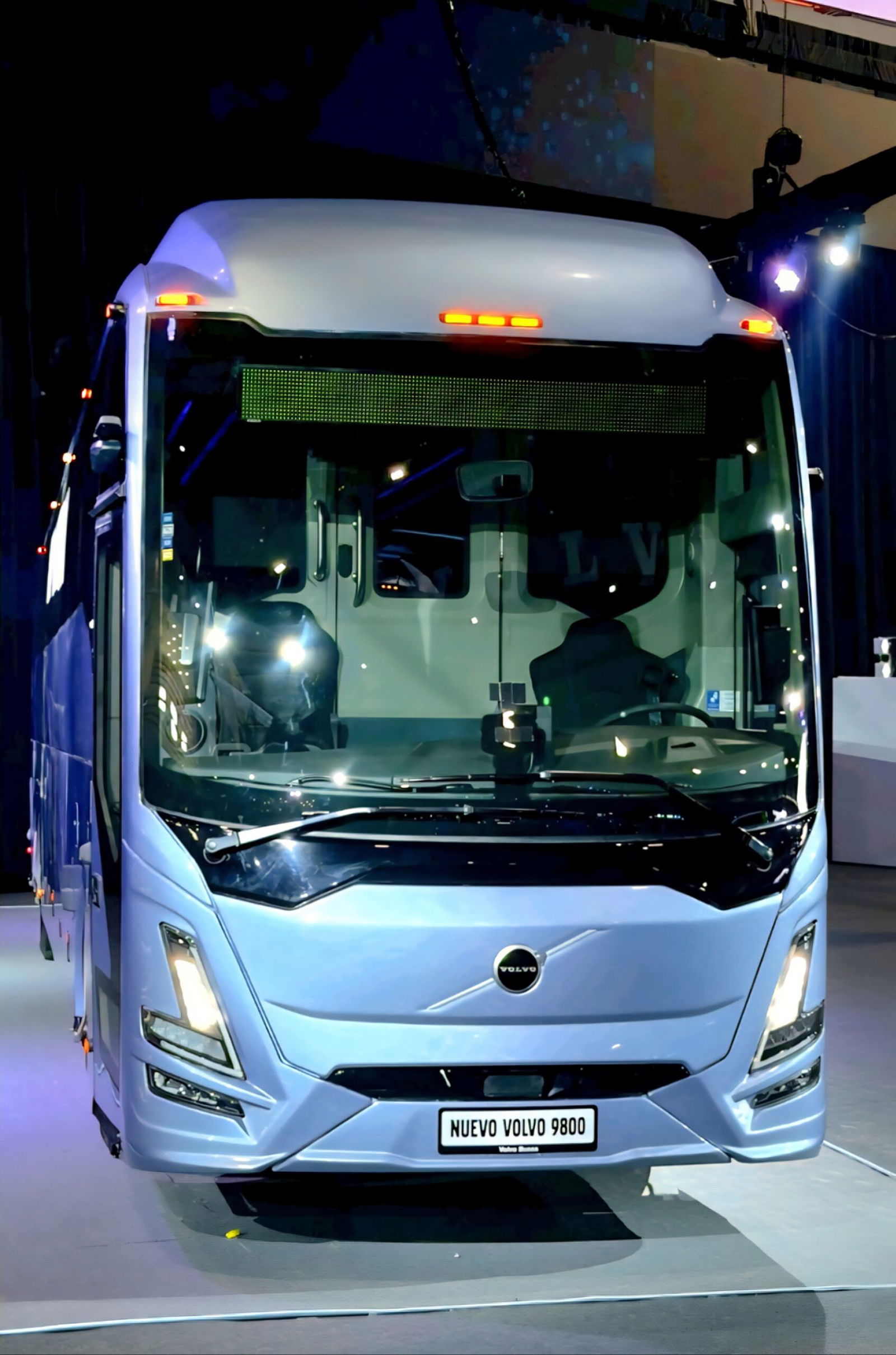
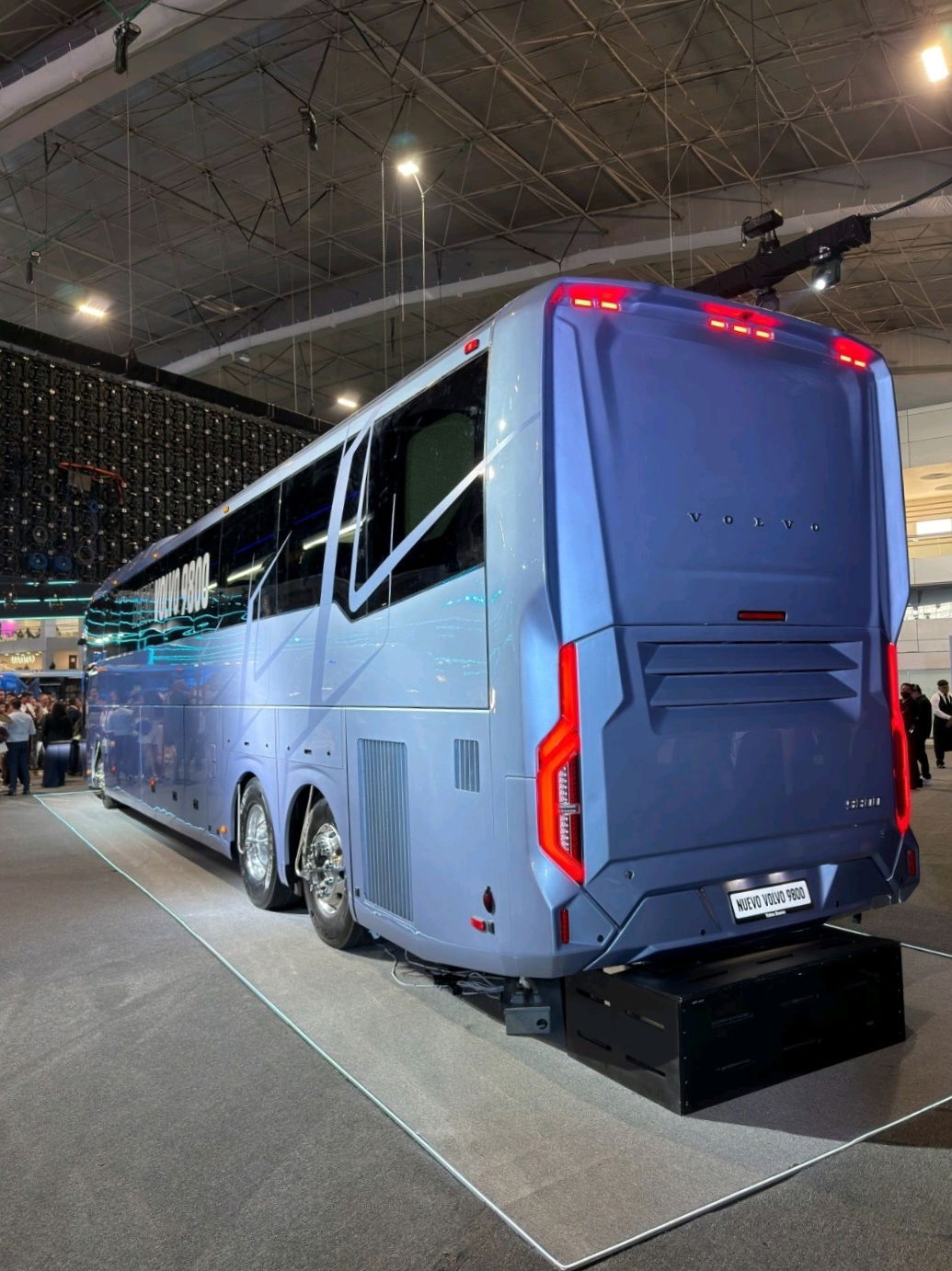
Returning to the 9800, the styling of the new generation has a more angular character than that of its predecessor, with several pronounced break lines and emphatic surfaces. On the front end, which appears more substantial due to the visually higher beltline, Volvo’s latest-generation heavy trucks have lent their boomerang-shaped LED headlamps edged by daytime running lights, clearly aligning the vehicle with the brand’s latest design language. This style has essentially already been seen on the recently renewed 7900 and 8900 series , as well as on the Mexican-speciality 7800, offered in articulated or bi-articulated versions, although in terms of the lights only the shape is similar there; the light units themselves are simpler spot lamps integrated into plastic lamp housings. In side view, the newcomer most closely resembles its predecessor, although the beltline that previously formed a single arc is now broken up by subtle kinks in line with the current brand identity – the visual lowering of the last side window may also be familiar from the double-deck 9700 DD, while similar solutions can also be seen on some competing models. In designing the rear end, the stylists clearly seem to have been given free rein: while the aerodynamic character is defined by a continuous spoiler extending down below the beltline – intended here primarily to reduce the low-pressure area behind the vehicle that exerts a force opposite to the direction of travel, thereby increasing efficiency – the shapes of the main rear plastic element, the engine compartment door and the rear bumper are distinctly complex, with sharp break lines and sculptural surfaces. The more eye-catching exterior is accompanied by practicality, as the redesigned engine compartment door provides better ventilation than before. The vehicle has received new, individually designed rear lamps that carry forward the formal heritage of the previous generation; given their significant development cost, it is almost inconceivable that we will not see them again later on models intended for the European market as well.
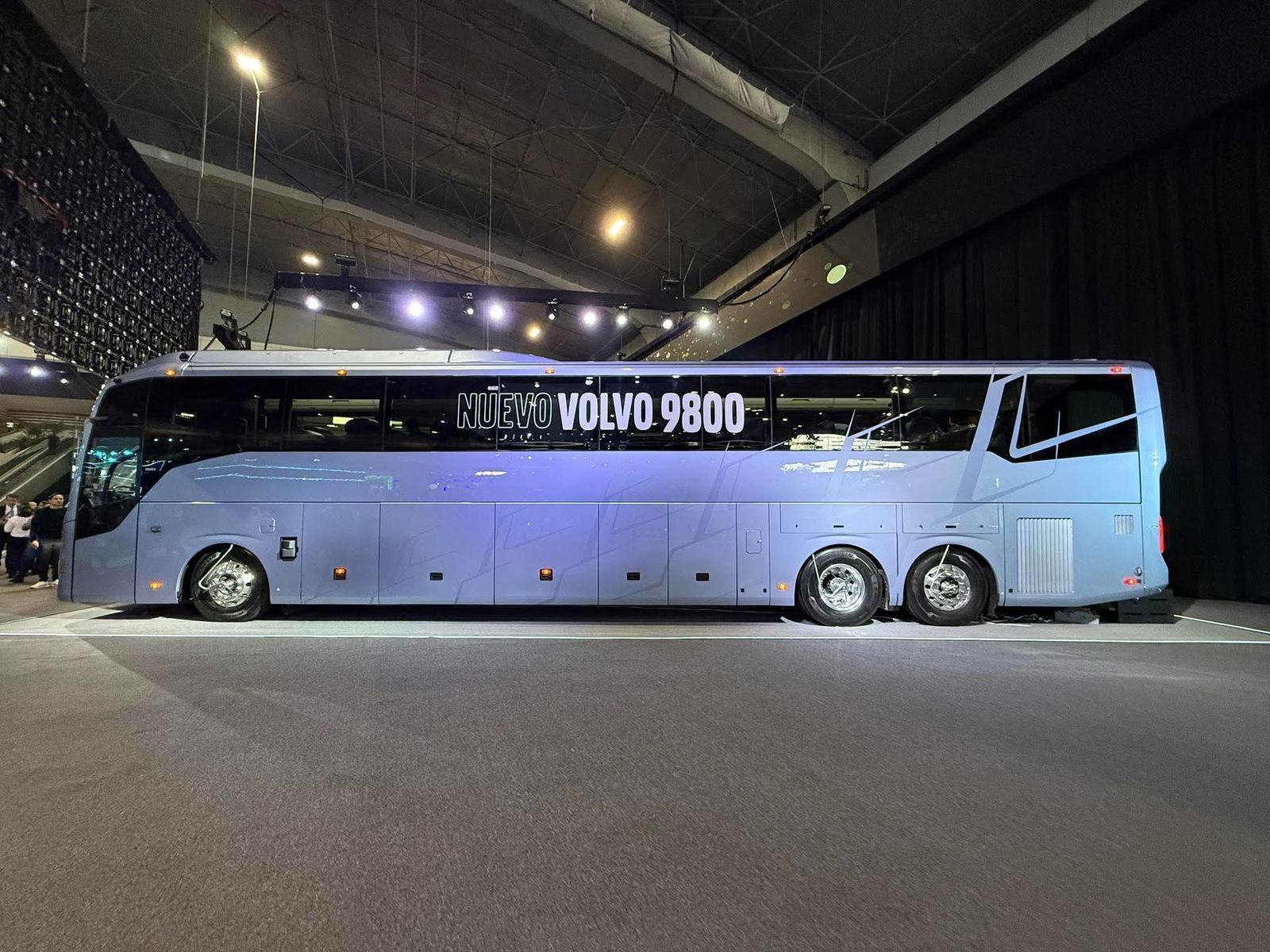
Built on the Volvo B13R global coach platform, the newcomer will be available in three length variants, with bodywork measuring 13.2, 14 or 15 metres, the latter two versions featuring a three-axle layout. In the standard versions, the number of seats ranges from 46 to 54 depending on the length configuration. Alongside the 2,600 mm width customary overseas, the vehicle also features several solutions specifically characteristic of the Mexican market: these include a driver’s area separated from the passenger compartment across the full width of the body, the absence of a rear windscreen, seats with distinctively thick padding, a toilet compartment located at floor level at the rear of the passenger compartment, and orange clearance lights above the windscreen and side-window band in line with local regulations. In Mexico the type is also frequently used on scheduled services, and this segment is expected to remain crucial for the new generation as well, as indicated by the fact that even the demonstrator has been fitted with an electronic front destination display.
The vehicle’s unladen weight has been reduced by 650 kilograms compared with the previous generation. In the three-axle versions, a major role in this is played by the newly developed electro-hydraulically steered tag axle, which according to Volvo not only delivers a substantial weight reduction but, thanks to its simpler construction, also reduces servicing time and improves maintainability. Thanks to the optimised aerodynamic design, the vehicle’s drag coefficient has improved by 11%, which together with the weight reduction results in fuel savings of around 4%, according to the manufacturer. Propulsion is provided by a 13-litre diesel engine meeting the Euro VI emissions standard, which in the new 9800 is available with power outputs of 460 or 500 hp (338 and 368 kW respectively) and is also capable of running on hydrotreated vegetable oil (HVO). Power transmission is handled by a Volvo I-Shift automated gearbox.
As part of the active safety equipment, Volvo’s third-generation driver assistance systems also appear on the updated type, while the options list also includes, among other features, reversing sensors and a digital camera system replacing the conventional exterior rear-view mirrors, reducing blind spots and improving visibility around the vehicle. The safety arsenal also includes a side radar collision avoidance system, which monitors the area alongside the vehicle when turning and changing lanes, as well as obstacle detection operating with front radar and camera systems. Although Mexico is not part of the European Union, some of the systems are identical to the advanced driver assistance solutions used by Volvo Buses on its buses intended for the European market, partly in line with the requirements of the EU’s General Safety Regulation (GSR).
Series production of the new Volvo 9800 will begin in Mexico in the coming months, and it will soon be joined by its sibling intended for Europe, the 9700. At the Expo Foro Movilidad 2026 exhibition, in addition to the world-premiere newcomer, visitors to the Volvo Buses stand can also view two examples of the Luminus urban solo electric bus, likewise offered exclusively on the Mexican market and available in low-floor, low-entry and normal-floor versions, as well as the 7800 Electric model mentioned above, this time in a standard articulated version.
Photos: Volvo Buses, Alejandro Parada