![Magyarbusz [Info]](/mbi/header-logo.png)
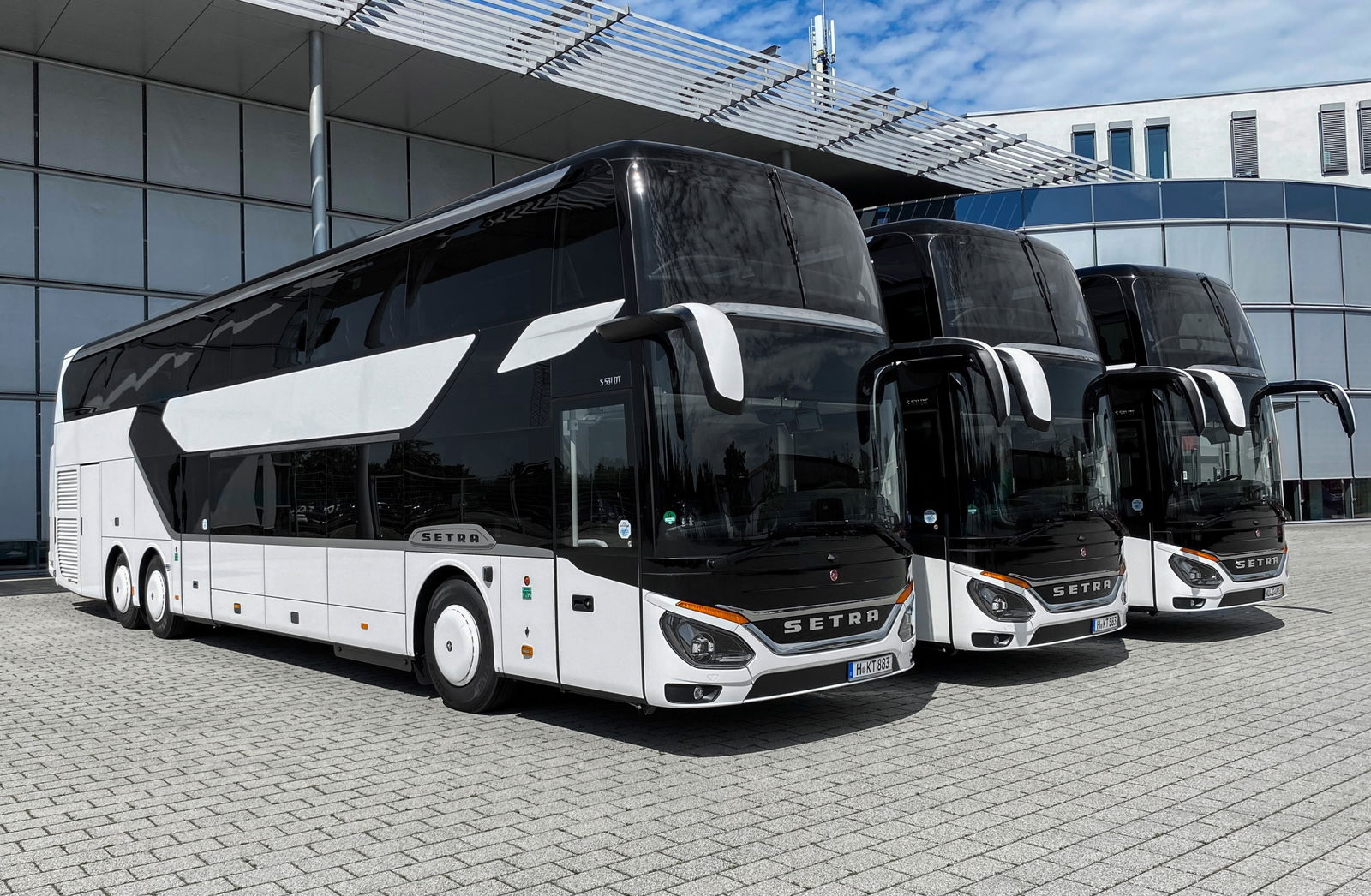
Where craftsmanship meets innovation and commitment: Setra’s Neu-Ulm plant
At the mention of the Setra name, everyone in the bus industry immediately thinks of quality, aesthetics and engineering precision. The brand’s founder, Otto Kässbohrer, set out to create vehicles that were among the most advanced of their time, and the manufacturer continues to follow this philosophy to this day. The coaches and buses built at Daimler Buses’ Neu-Ulm plant represent a high standard of design, comfort, safety and innovation, while every detail of the production process is geared towards delivering the perfect experience for drivers and passengers. A Setra always remains a Setra – as everyone familiar with the brand knows.
Today, Setra operates as a subsidiary of Daimler Buses, but its history is closely intertwined with the family business founded by Karl Kässbohrer in the late 19th century. By the middle of the 20th century, the Kässbohrer brand was regarded as a technological pioneer in West German coachbuilding, and in the 1960s and 1970s it secured a market-leading position in its home market. The economic downturn of the 1980s, followed by intensifying international competition, gradually undermined the company’s strength, and although business began to recover after German reunification, Kässbohrer Setra was no longer able to regain its former position. Its liquidity problems were further aggravated by the construction of the Neu-Ulm plant, which, although a major step towards modern production technology, ultimately exceeded the company’s financial capabilities with an investment cost of 175 million marks – equivalent to more than HUF 100 billion at today’s value.
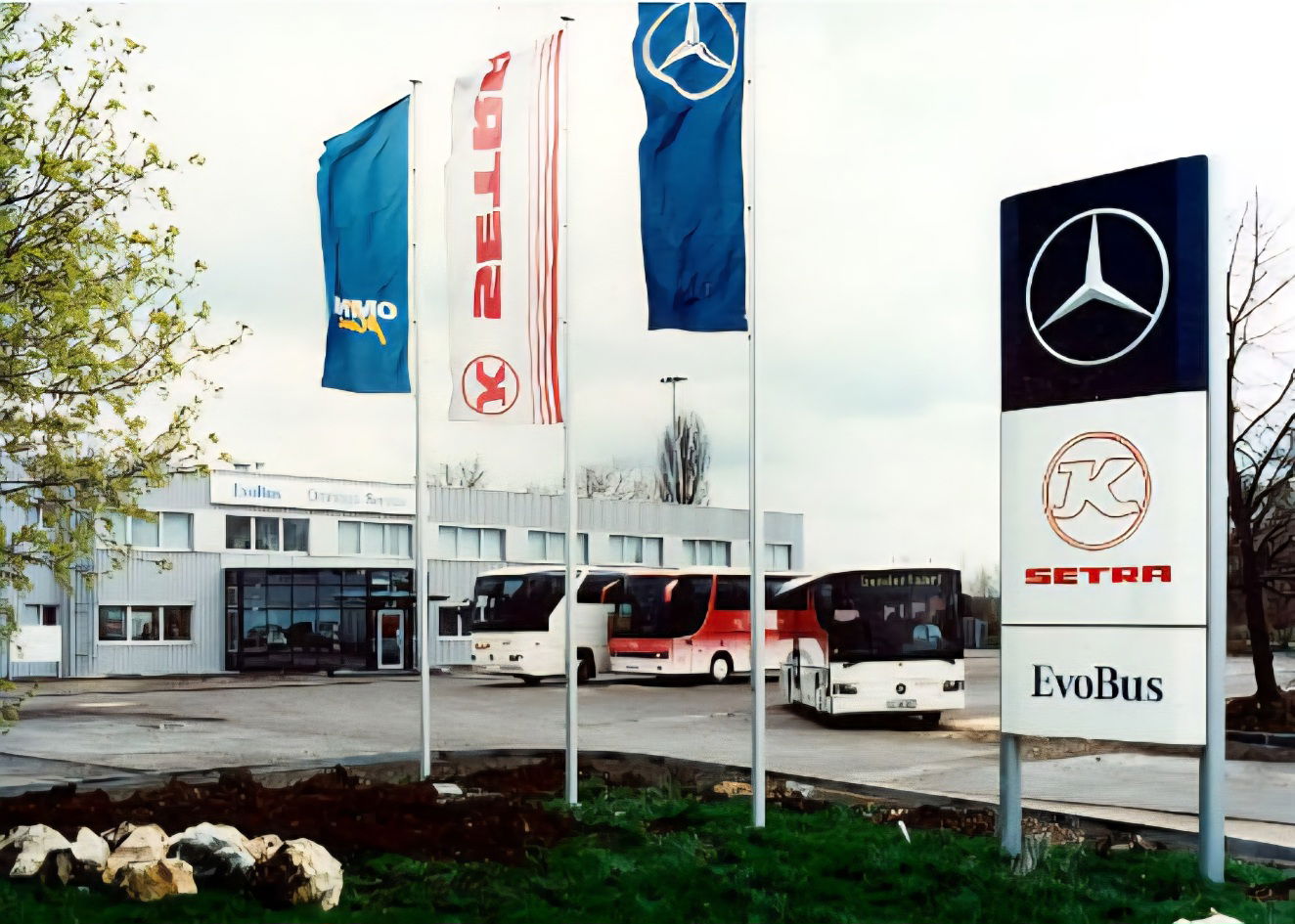
In the early 1990s, the family was therefore forced to part with the bus business, which was taken over by Mercedes-Benz AG, while the Kässbohrer group was finally dissolved in 1995. Since then, the bus division has operated under the aegis of EvoBus, now Daimler Buses, preserving the legacy of the Setra brand name and the commitment to innovation that has defined the brand’s spirit from the very beginning. Daimler not only carried forward the technological foundations, but also ensured that Setra retained its own distinctive appearance, identity and premium position in the market – meaning the brand still represents the same values today that made it recognised around the world.
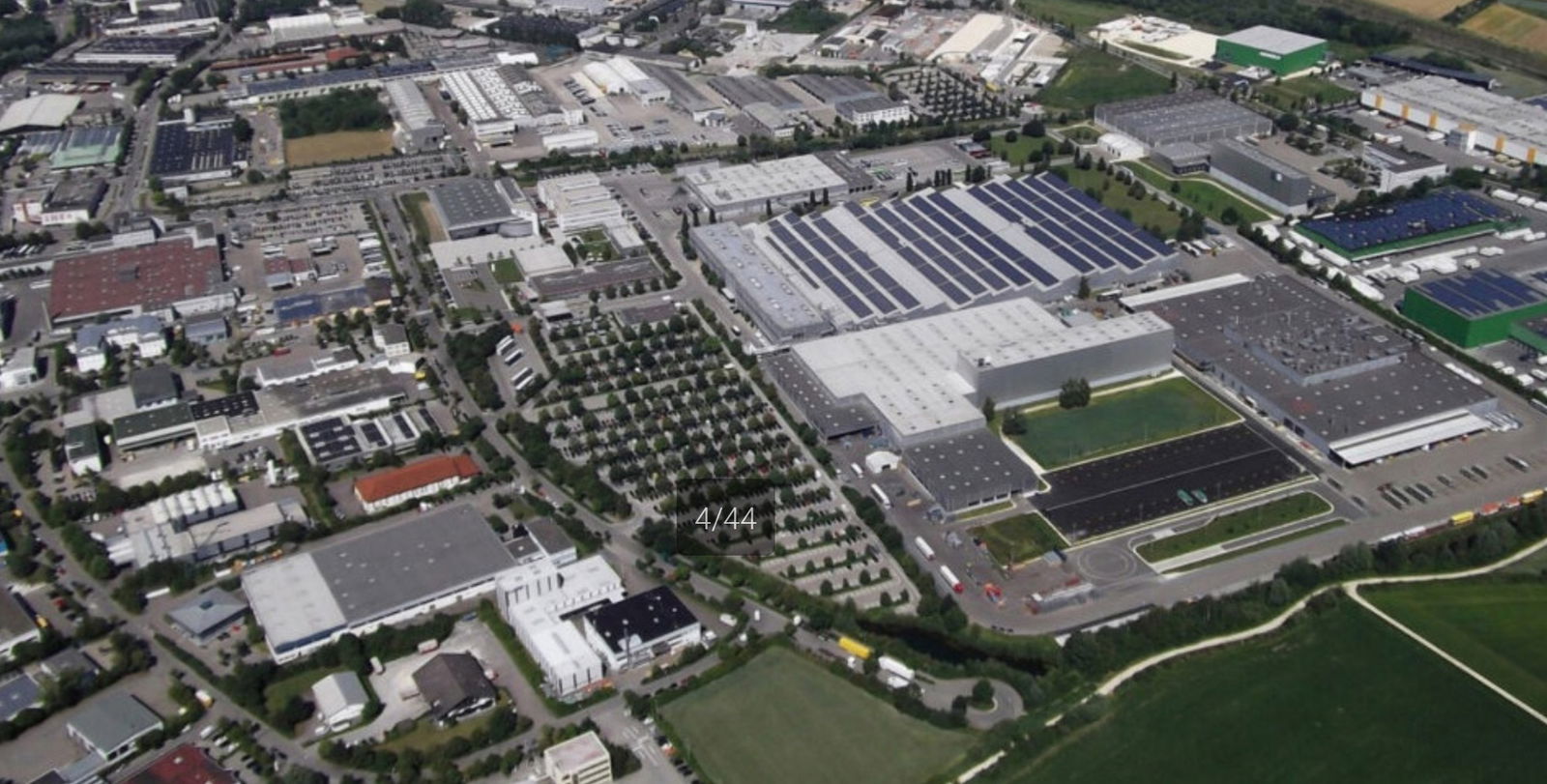
Karl Kässbohrer Fahrzeugwerke GmbH had already begun planning a new, state-of-the-art bus plant in 1983, intended to lay the foundations for the production structure of the future. As a first step, the company purchased a 100,000 m² site on the outskirts of Neu-Ulm in 1973 – around one third of the area occupied by today’s plant. One of the main reasons for building the new facility was that the cramped and outdated conditions at the old plant in Ulm’s Weststadt district no longer allowed for expansion. At the same time, the enormous financial effort required to build the new complex clearly forced the company to proceed gradually; Kässbohrer could only move step by step from land acquisition through planning to actual construction.
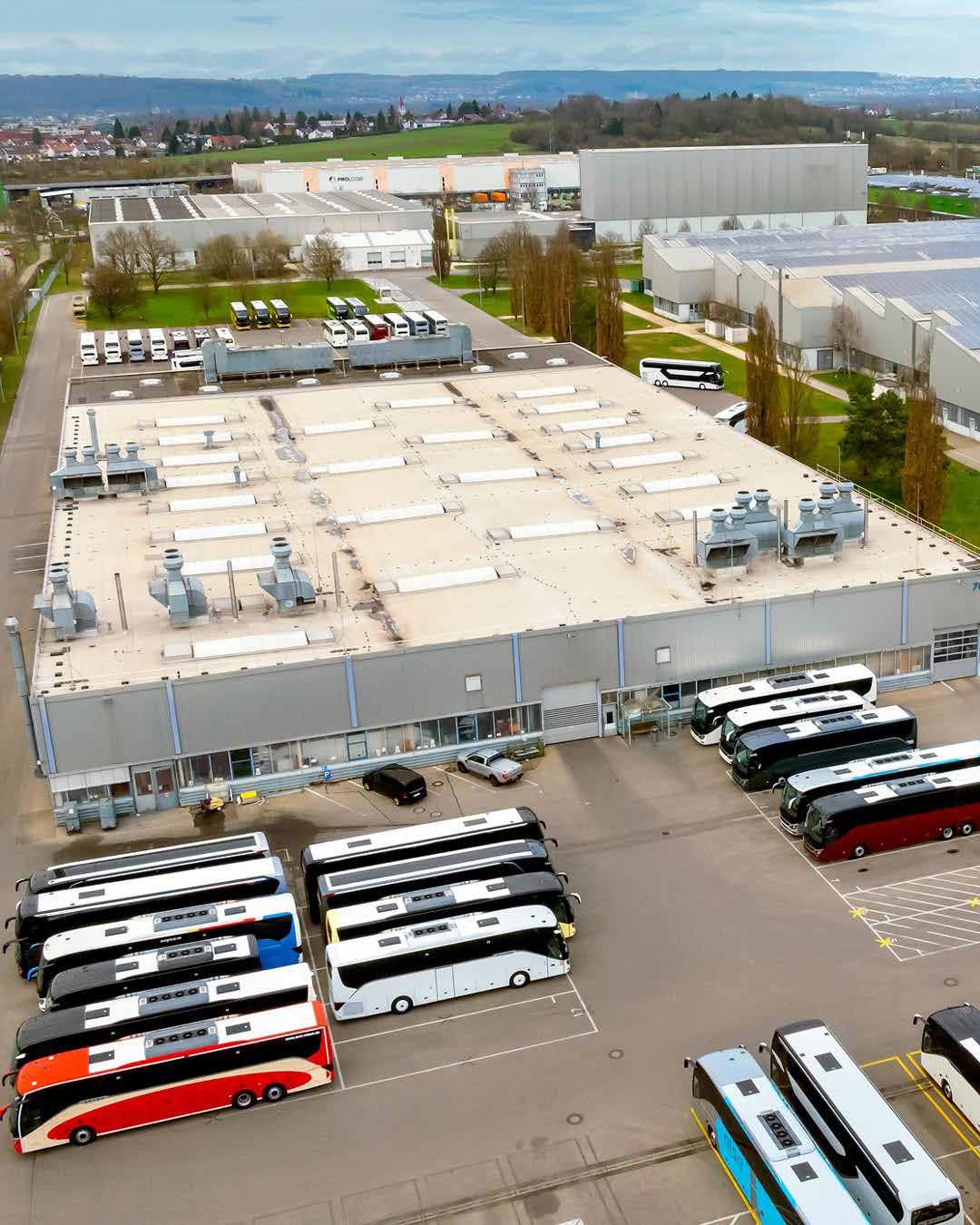
Actual construction began in August 1990, and the plant opened its doors in 1992. After two years of work, series production started at the new facility in October 1992, with the first production vehicle being a Setra S 315 HD touring coach. Although the investment proved forward-looking in technological terms, it was ultimately this huge project that contributed to the company’s financial instability. The innovative approach behind the investment is reflected in the fact that the infrastructure – lighting, ventilation, water and heating – was routed entirely beneath the ceiling, providing exceptional flexibility for production processes, as lines and workstations can be easily rearranged to meet current requirements. Since the takeover, Daimler Buses has invested several hundred million euros in developing the site, ensuring that the plant remains one of the most modern centres of the international bus industry.
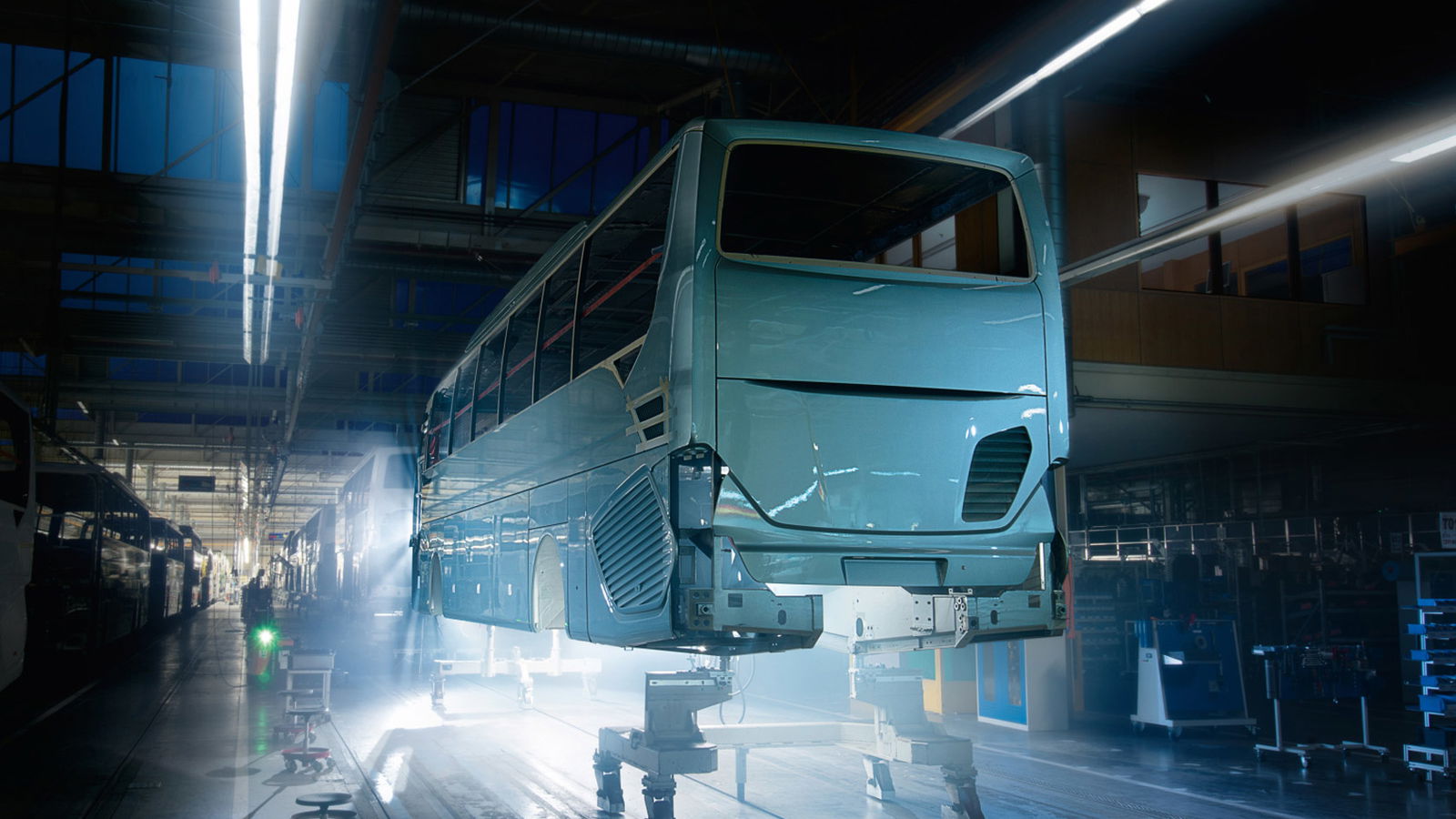
The Neu-Ulm plant occupies a special place in European bus manufacturing, as it both preserves craft-based, manufactory-style traditions and operates as an efficient industrial-scale production centre. On the 640,000-square-metre site, of which 216,000 square metres is covered production space, more than 3,300 employees work to ensure that Setra buses meet the highest quality expectations. The Neu-Ulm plant has an annual capacity of around 1,500 buses. The size of the site and its logistics capacity make it possible to handle a very large number of vehicles simultaneously at different stages of production, ensuring flexible coordination between volume output and individual configurations. It is particularly noteworthy that Neu-Ulm is also home to Daimler Buses’ only in-house seat production department, a facility unique in Germany and matched in Europe only by a similar unit at Iveco’s plant in the Czech Republic.
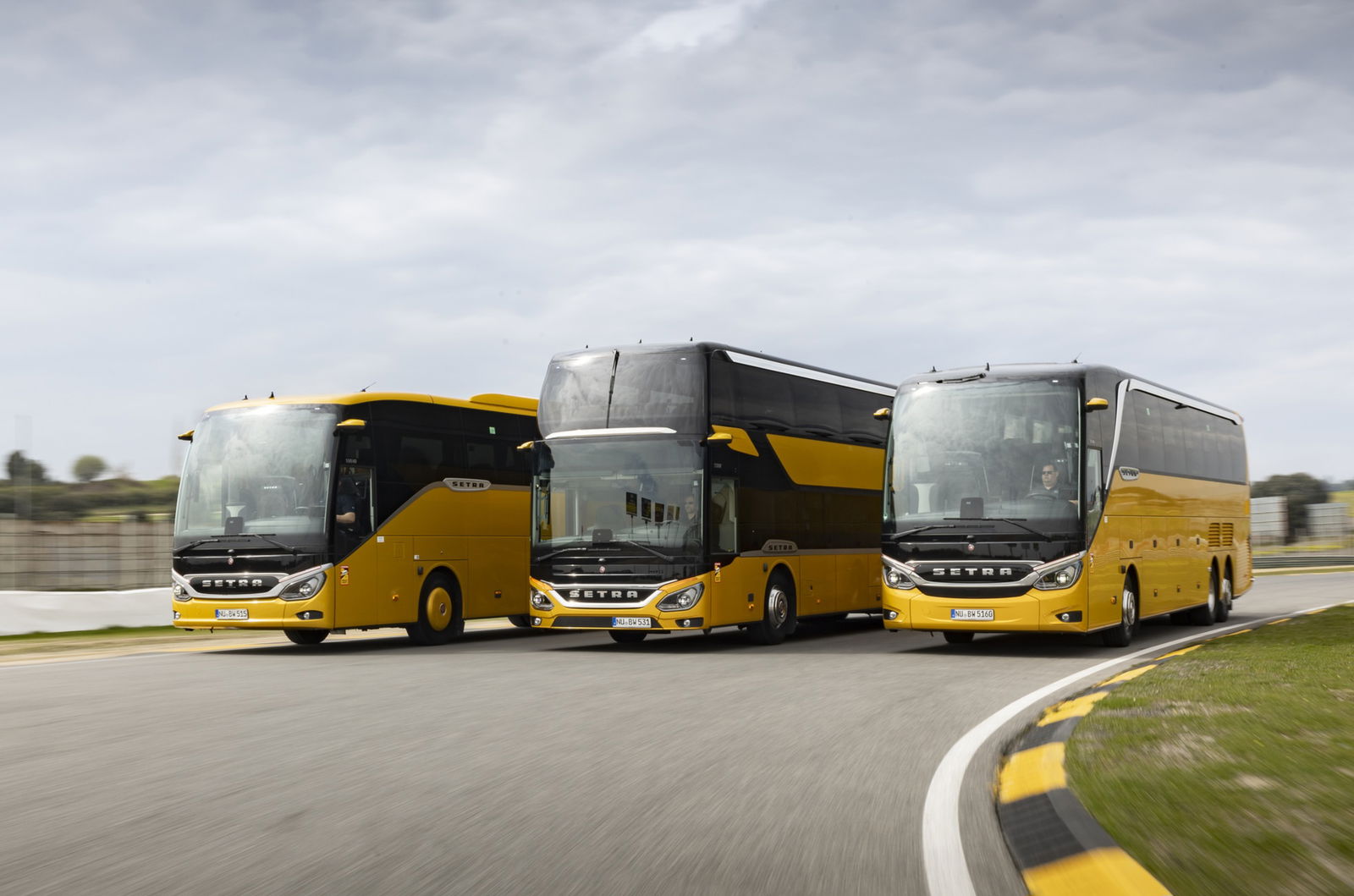
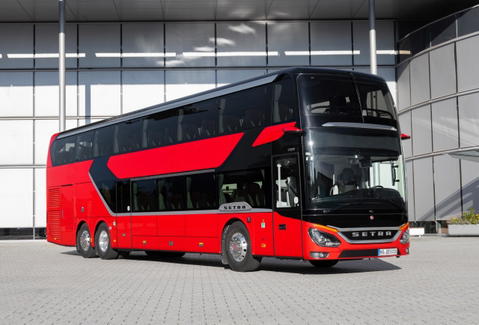
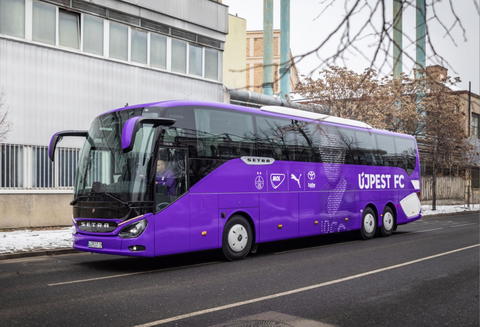
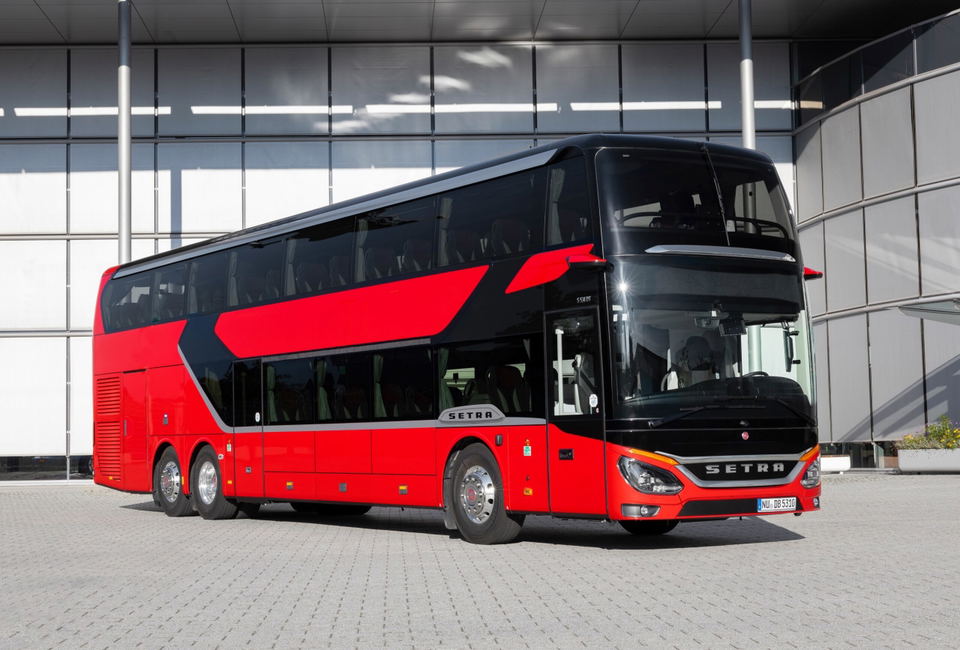
The plant primarily builds Setra’s premium touring coaches, as well as the MultiClass series intended for Western European markets. It also produces special versions tailored to individual requirements, including vehicles that call for distinctive interior layouts or specific equipment.
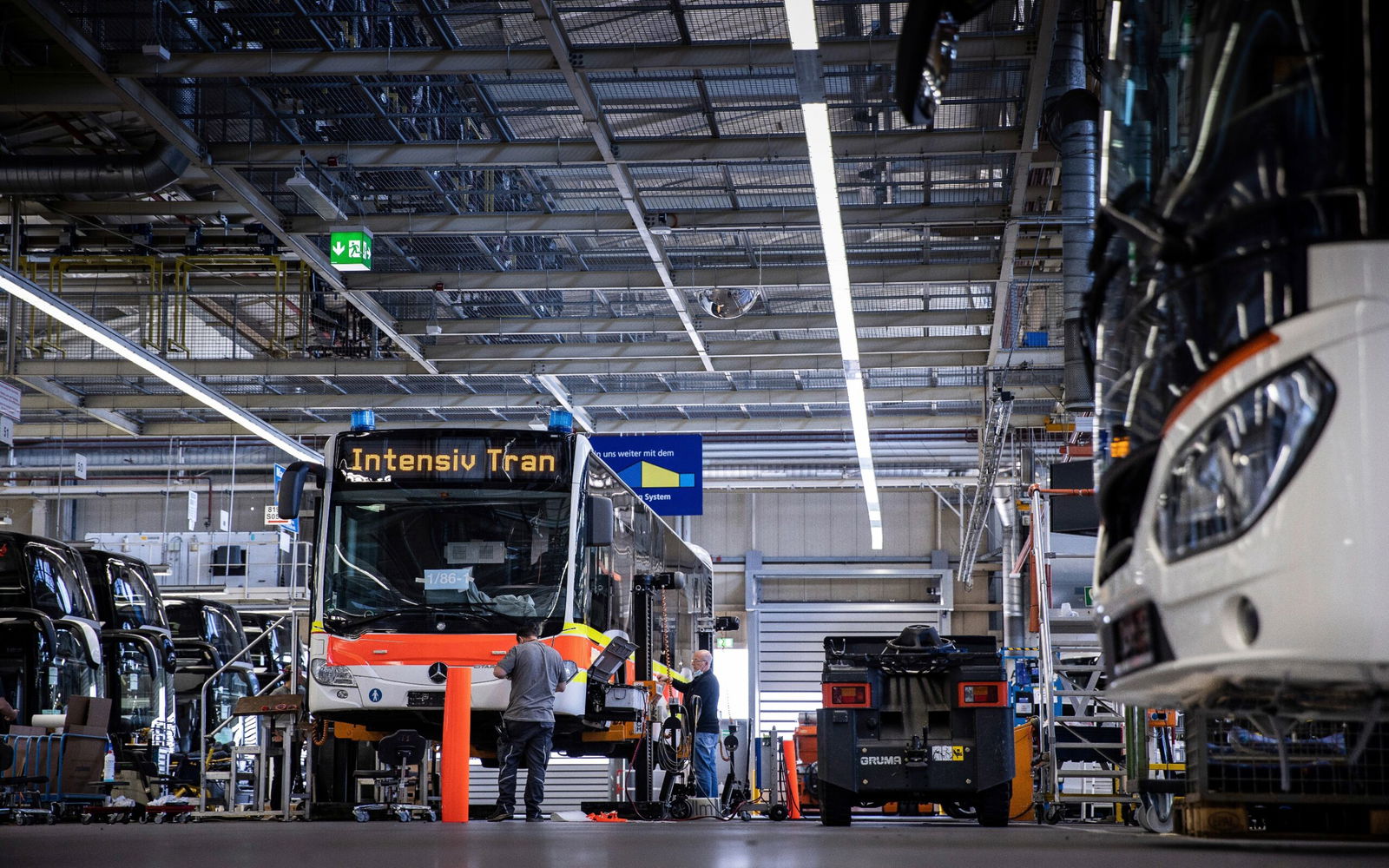
The Neu-Ulm site also includes the prototype and experimental department, where prototypes and bespoke sample vehicles are built. This is where new developments are put into practice and series production is prepared; every new design is first built here before being transferred to the main assembly line. Mannheim is the centre for series production of electric buses, but Neu-Ulm is also involved in electromobility developments, primarily by producing prototypes, test vehicles and individually specified electric vehicles.

The department has its own test benches and an internal test track, where system-level and vehicle-level testing is carried out. The engineers working here are not only responsible for realising new models, but also for continuously supporting production, ensuring that new designs are integrated into the series production process without faults.
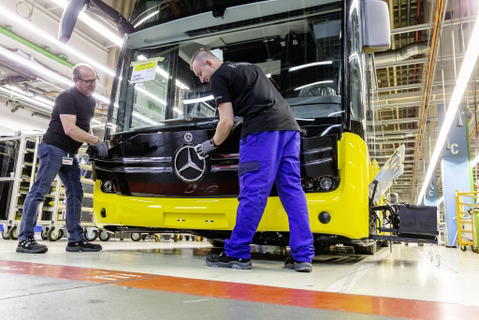
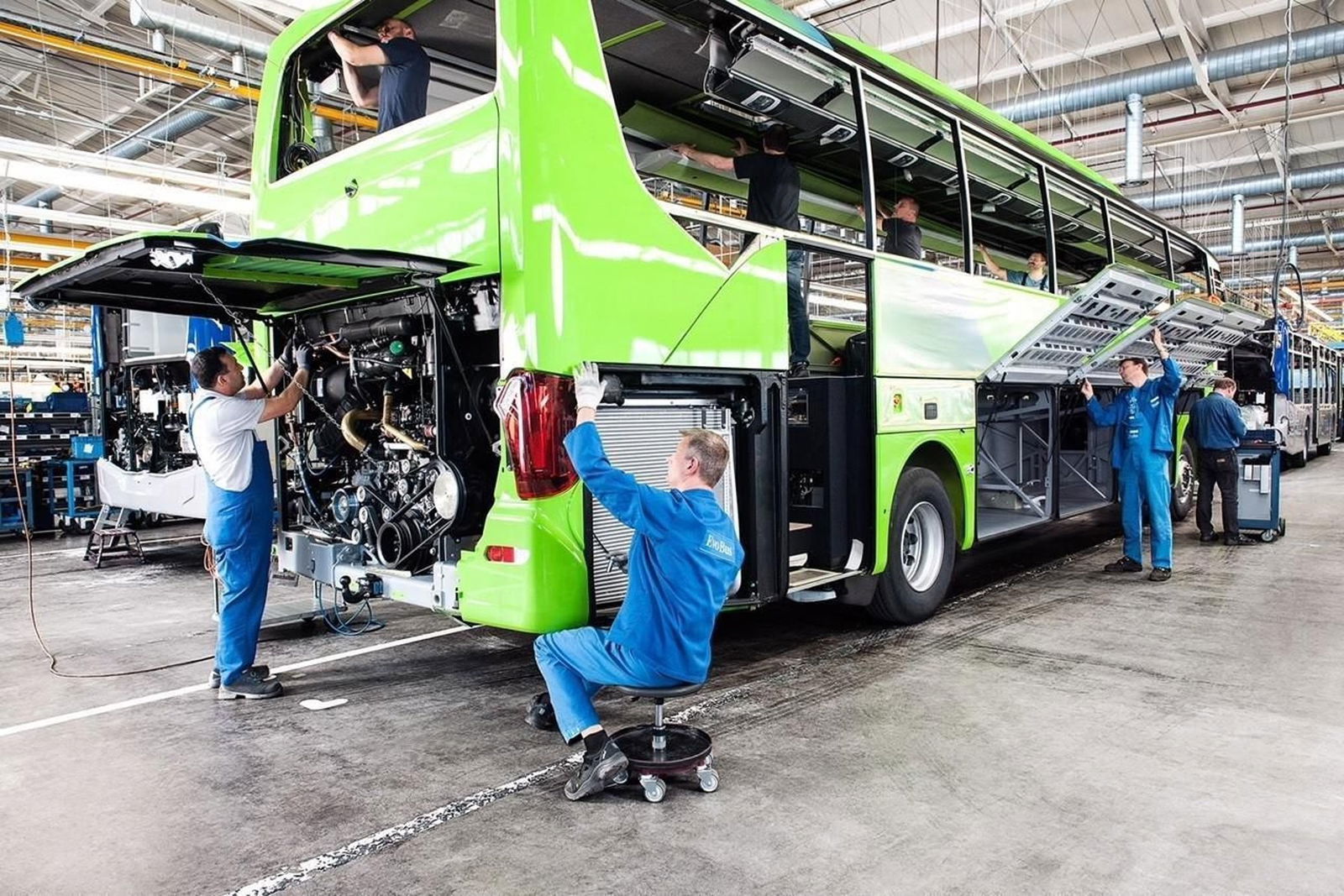
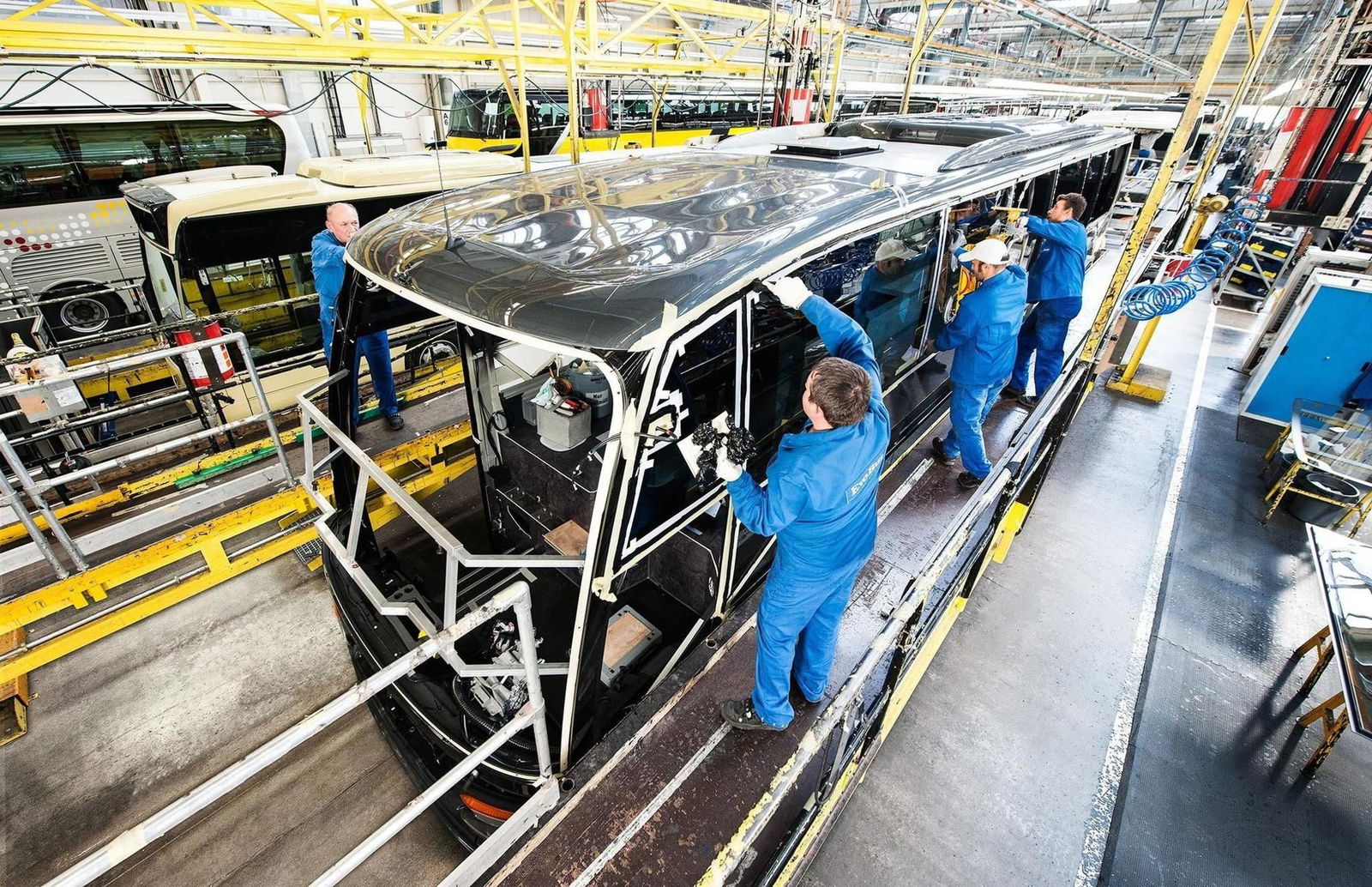
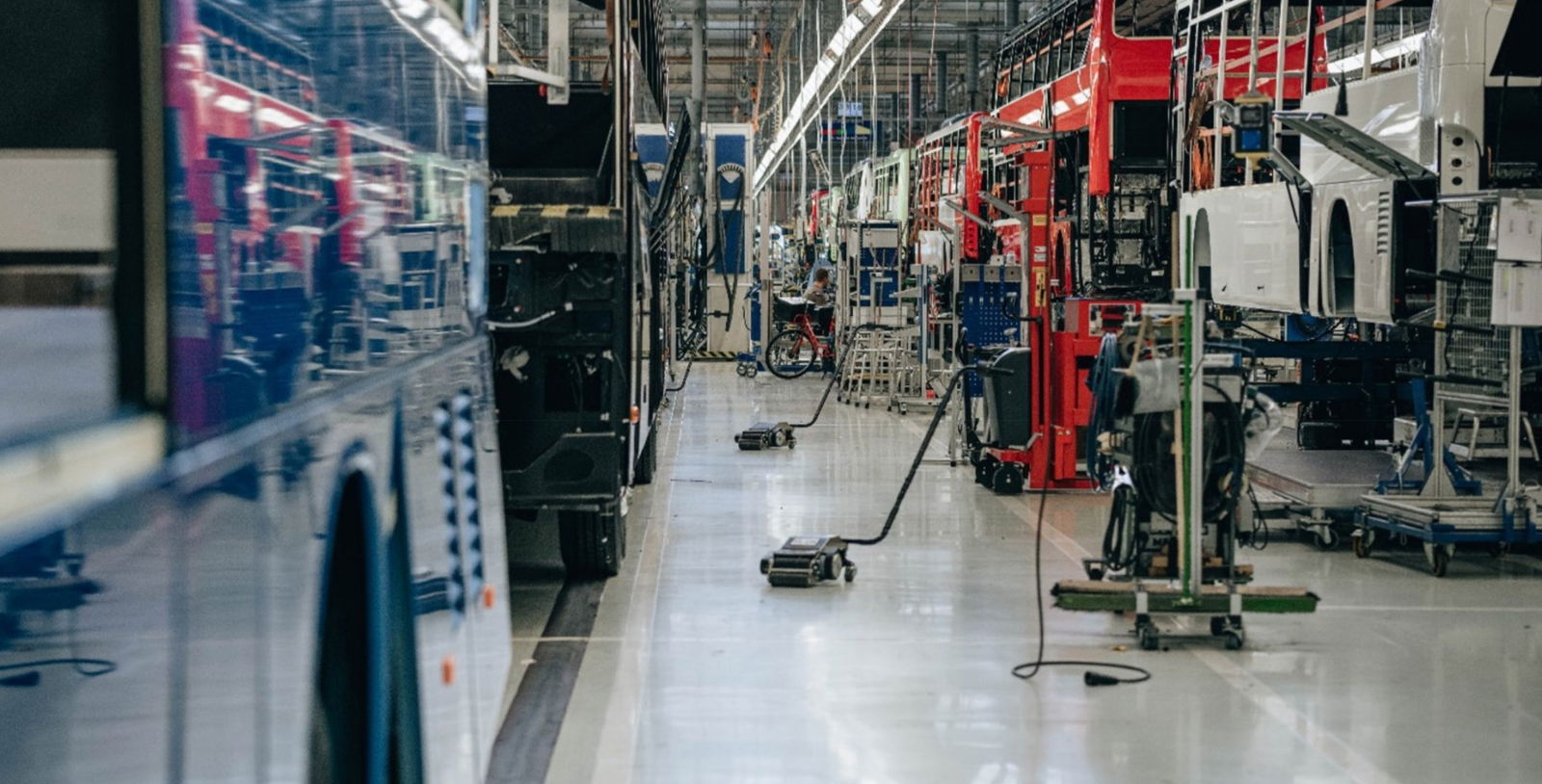
Final assembly takes place on an assembly line almost one and a half kilometres long, where different types and specifications can be built side by side. The buses pass through roughly fifty workstations, with around three quarters of an hour available at each station to complete the relevant task. This is where the driveline, electrical systems, heating and air-conditioning equipment are installed, and where the windows, flooring and driver’s area are also fitted. The work is performed with craft-level precision, while every process is clearly regulated and accompanied by quality assurance. So-called “quality gates” operate between the stations, where the level of completion and absence of defects are continuously checked.
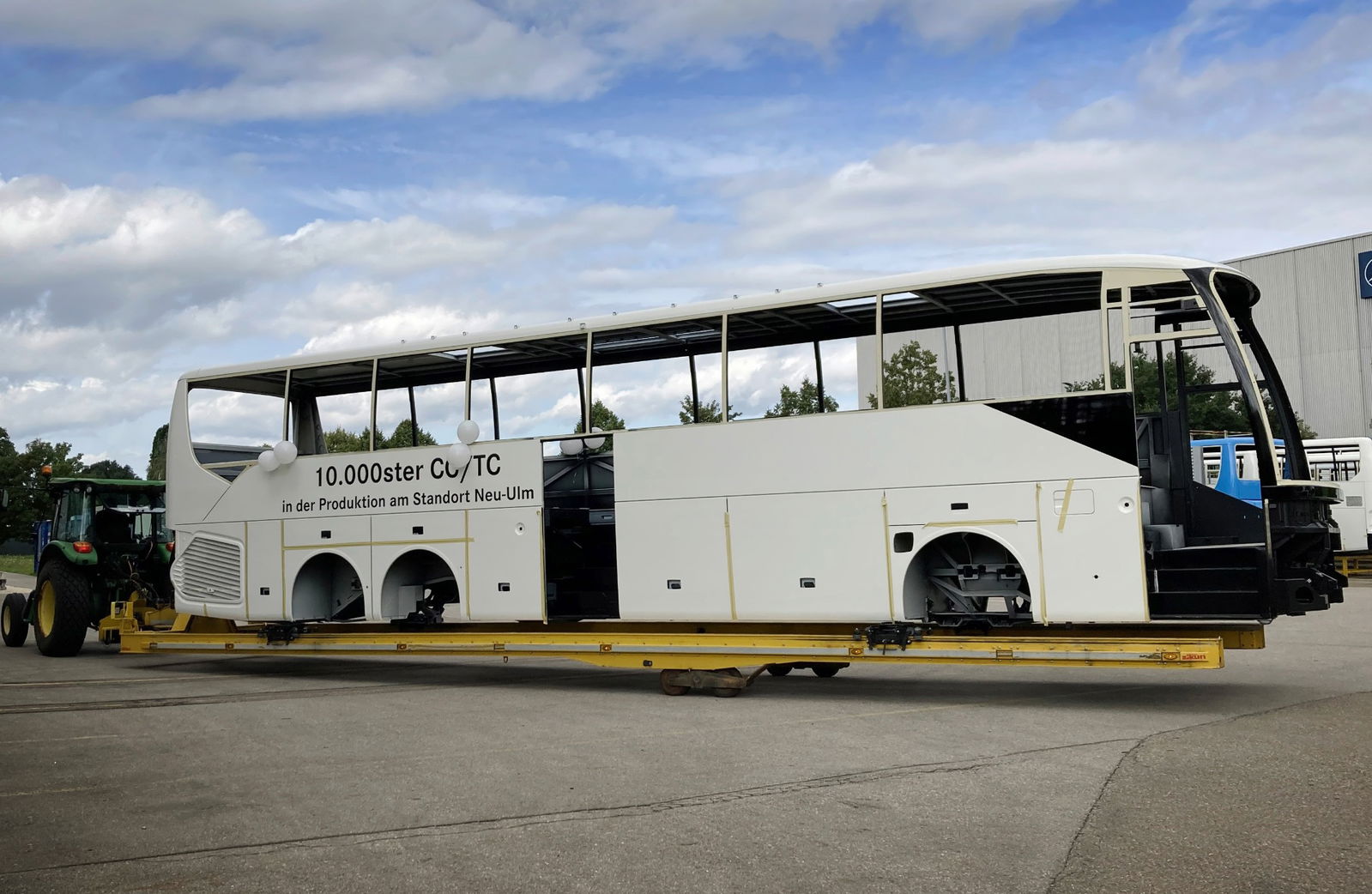
It is important to note that the Neu-Ulm plant does not carry out body-frame production; this takes place at Daimler Buses’ Holýšov plant in the Czech Republic, which is also part of the Kässbohrer industrial heritage. The body frames arrive on the Neu-Ulm assembly line already completed in Holýšov, and it is here that the full final assembly process is carried out – in other words, where the buses are truly “brought to life”. From the preparation stage, it takes an average of six and a half days for a painted frame to become a fully fledged bus, after which it undergoes quality inspection.
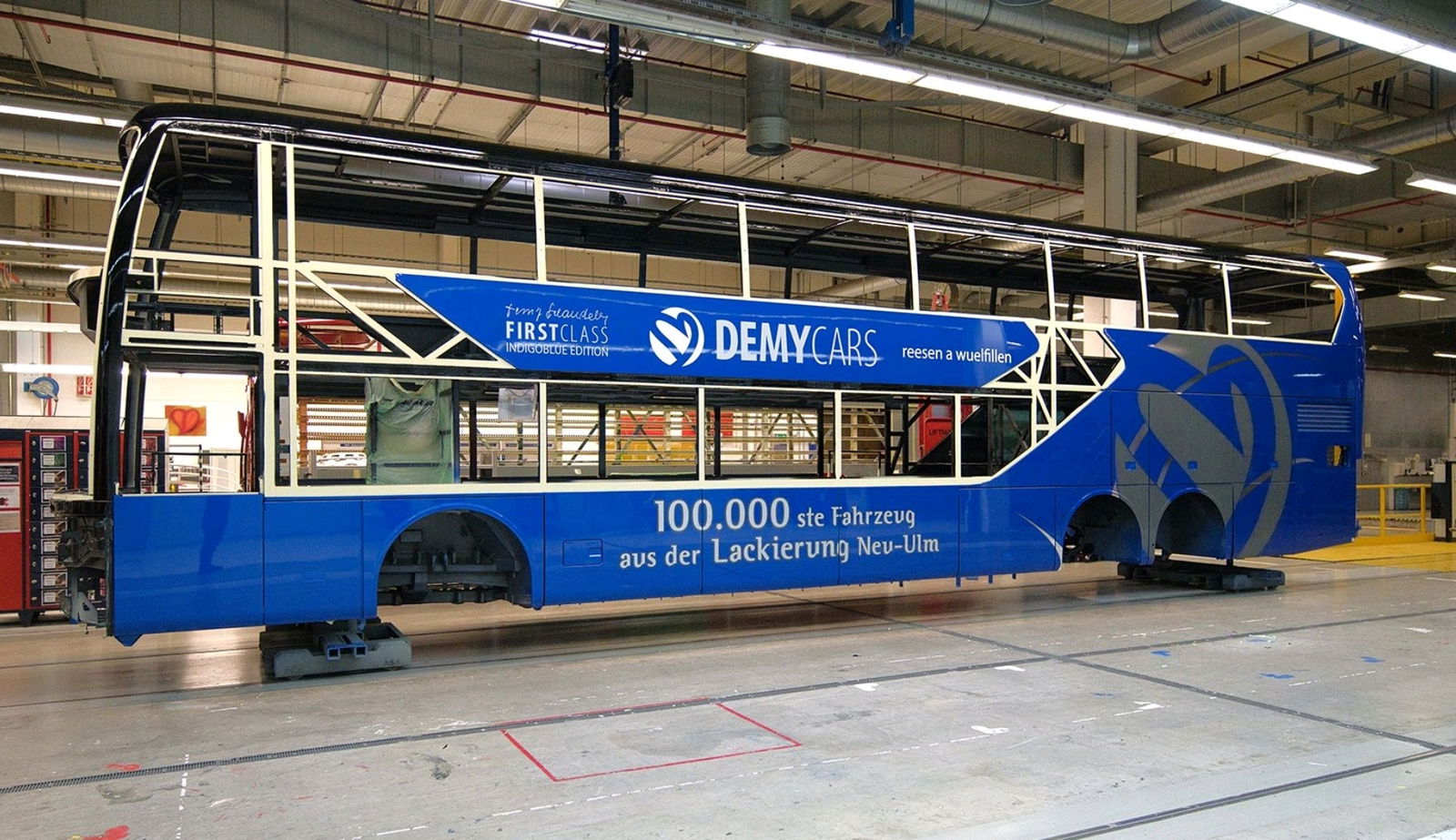
Neu-Ulm’s paint shop is one of the most modern facilities of its kind in Europe. Four of its ten paint booths are fully automated robotic systems, delivering consistent, homogeneous quality while using significantly less material than manual methods. Annual capacity reaches 8,000 bodies, meaning the unit also serves the Mannheim and French plants. The work of the robots is supervised by specialists at every stage, while special graphics, individual motifs and bespoke orders continue to be produced by experienced master craftsmen, keeping the craft-based and industrial character closely united.
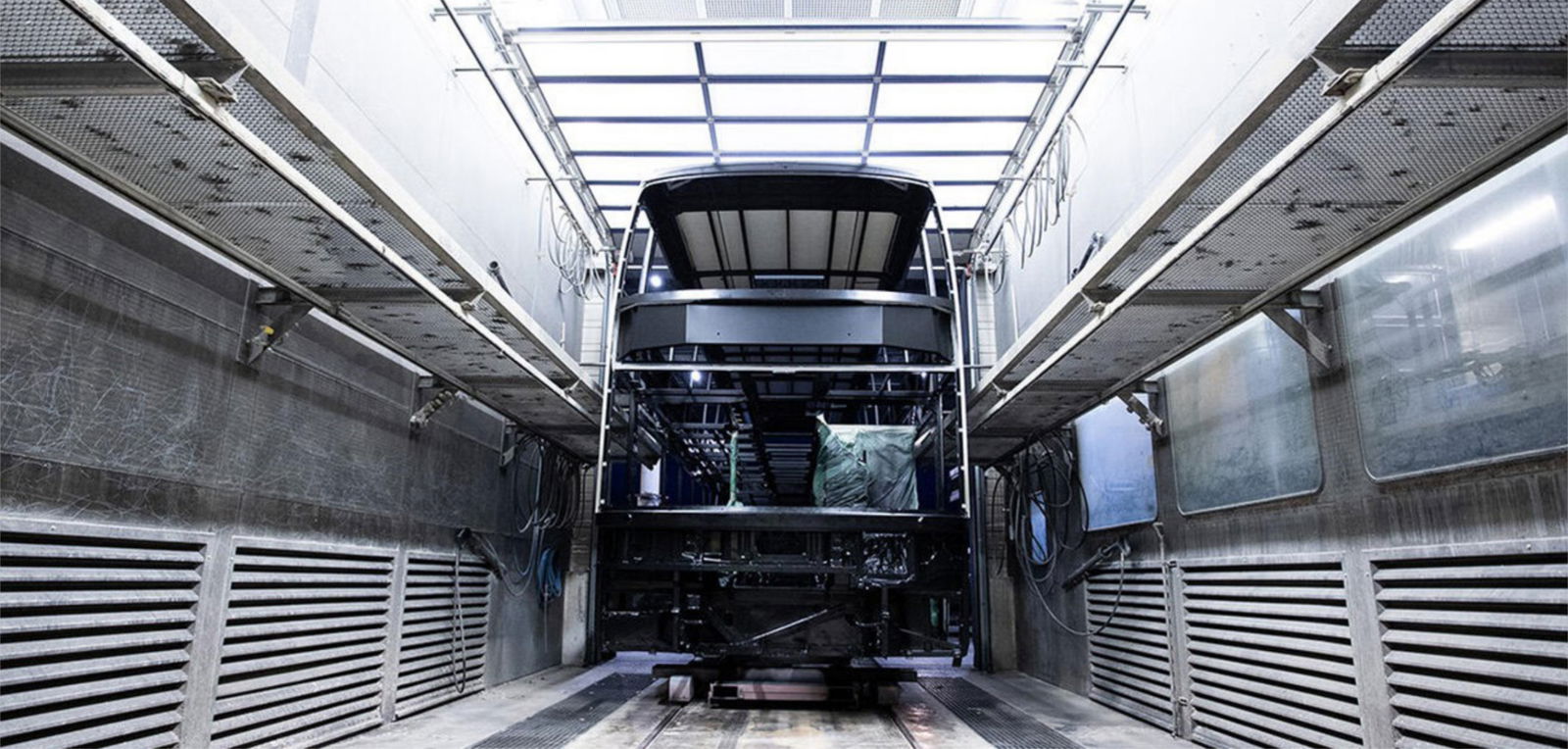
The plant recently introduced “Nass-in-Nass” wet-on-wet painting technology, in which the primer, colour and clearcoat layers are applied on top of one another before drying, with curing then carried out in a single step. Compared with conventional methods, this process significantly shortens process times while delivering tangible savings. According to the plant’s calculations, it saves around 2,000 MWh of energy, 600 tonnes of carbon dioxide, 19,000 kilograms of solvent-related VOC emissions, 700 cubic metres of water and 31,000 kilograms of waste each year. The technology therefore both improves productivity and reduces the plant’s environmental footprint.
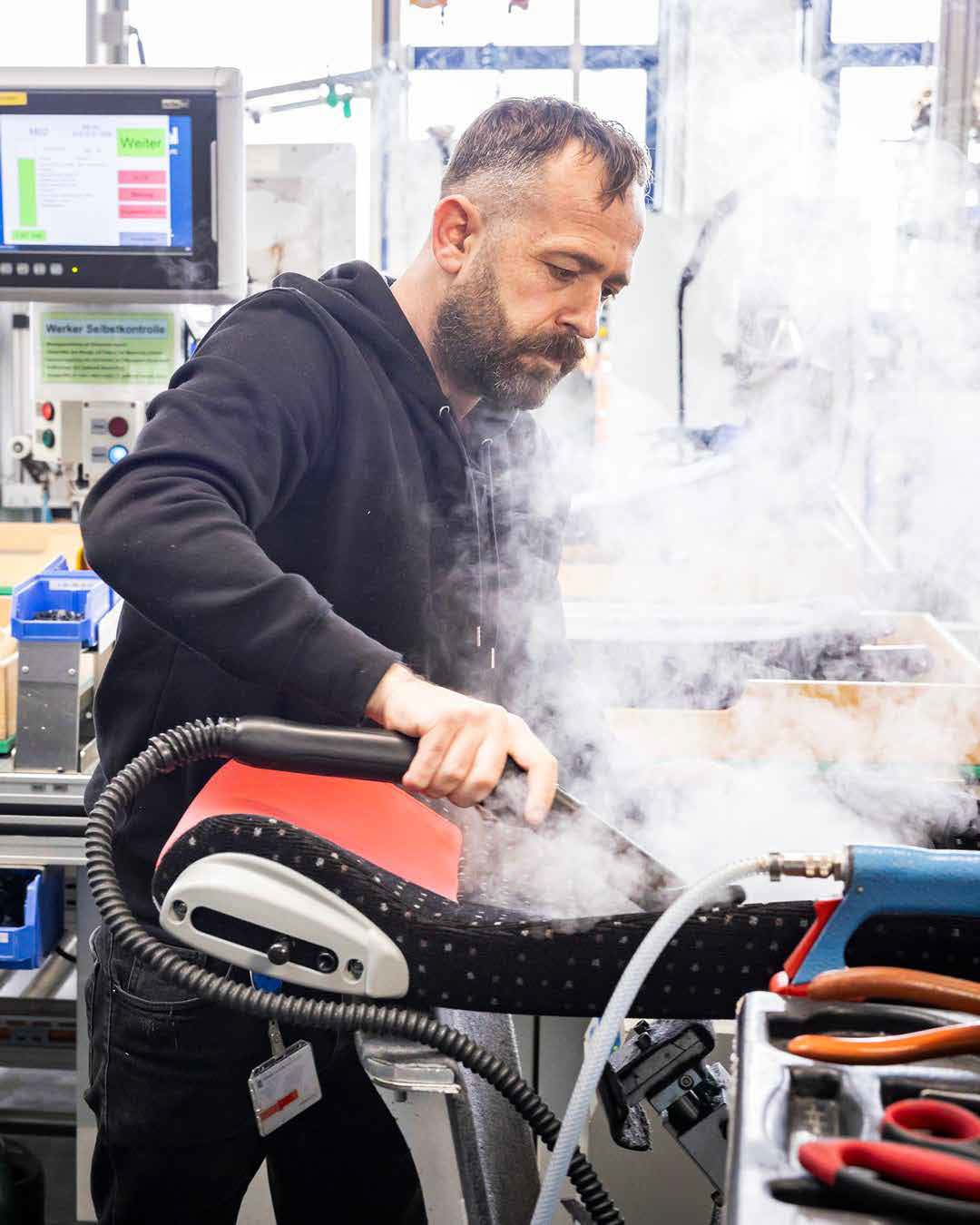
As already mentioned, one of the special features of the Neu-Ulm plant is that it houses Daimler Buses’ only in-house seat production department. The process takes place entirely in-house; the same unit carries out the forming of the metal frames, the processing of foam and upholstery, and final assembly. Durability and safety are guaranteed by strict internal standards, while the expertise of the craftsmen is evident even in the smallest details – such as the choice of materials used or the quality of the stitching. As a result, passengers encounter seats that are comfortable, durable and safe in equal measure.

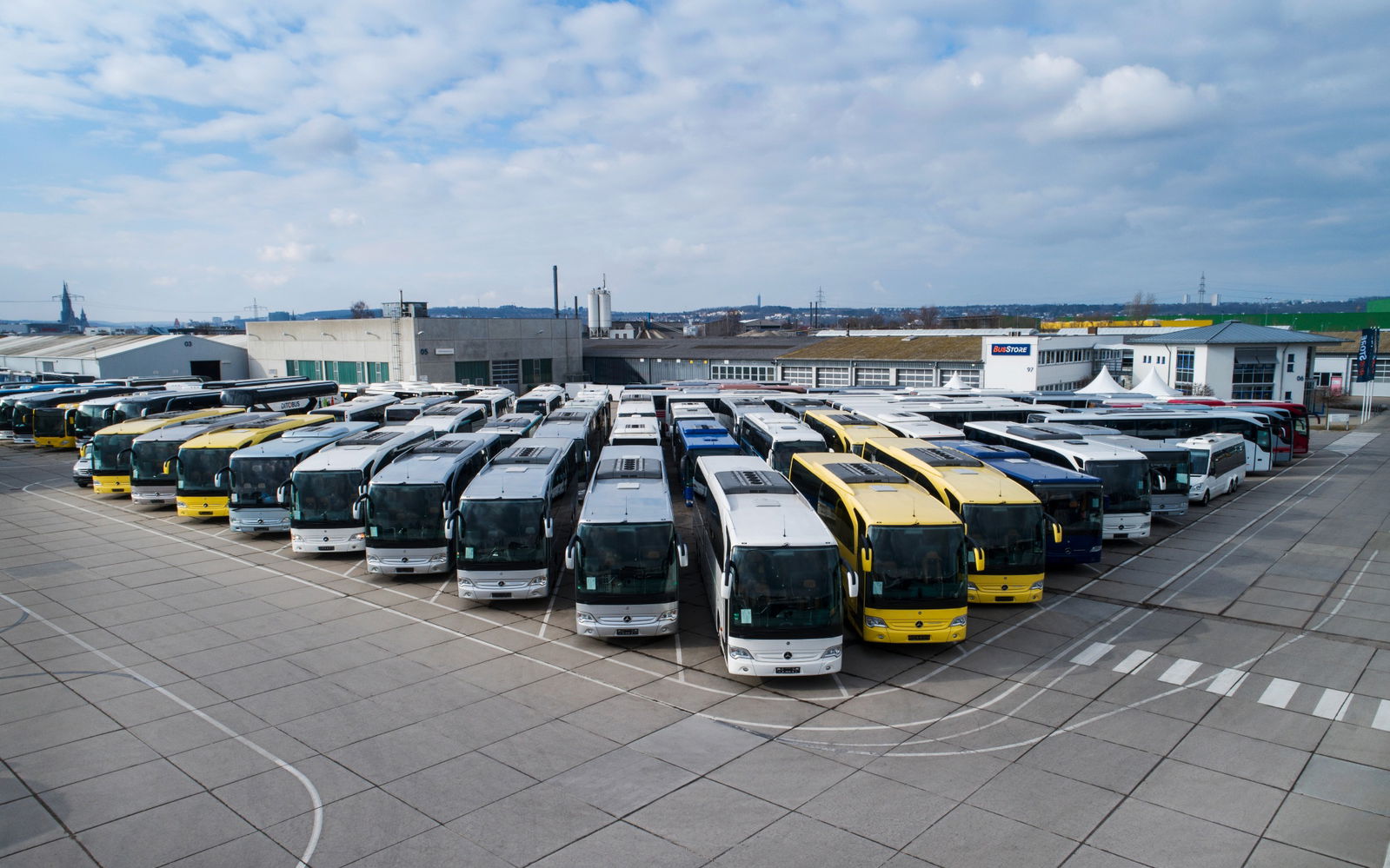
The plant is linked to a parts logistics centre covering 9 hectares and 30,000 square metres of floor space, which ensures the worldwide supply of spare parts for Mercedes-Benz and Setra buses. Germany’s largest bus service centre also operates here, capable of carrying out all kinds of repairs, from the driveline through the bodywork and electrical systems to paintwork. The BusStore used-bus centre handles the sale of around 700 vehicles a year, while up to 200 buses can be stored in the yard at any one time. Refurbishments and accident repairs are also carried out in its own workshop.
Training the next generation is also an important part of operations: more than 150 apprentices and 30 dual-study students take part in programmes at the training centre, in both technical and business fields, in cooperation with the region’s universities of applied sciences.
Environmental considerations run through the entire operation. The energy supply comes 100% from green electricity, supplemented by the plant’s own combined heat and power units with an output of 1.95 megawatts. Annual energy consumption exceeds 55,000 megawatt-hours, while water use is close to 40,000 cubic metres, kept under control by closed-loop systems. CO₂ emissions exceed 7,000 tonnes, mainly from gas heating, although electricity use is entirely CO₂-neutral. Annual waste volumes exceed 5,000 tonnes, 97% of which is recycled either as material or for energy recovery.
The Neu-Ulm plant’s place in the European bus industry is distinctive in several respects. It is both a production site and an organisational centre, where craft manufacturing experience and the discipline of industrial systems are equally decisive. The structure of the processes clearly reflects the view that vehicle production is not merely a chain of repetitive work stages, but a complex system divided by checks and feedback loops, in which every step serves the quality of the final result. The assembly line, paint shop, seat production and parts logistics together form a structure in which manufacturing, repair and supply operate in close interconnection.
At the same time, the site’s role cannot be reduced to the manufacture of finished products. The development and engineering work carried out here, together with spare-parts distribution and service activities, all help make Neu-Ulm one of the key pillars of Daimler Buses’ organisational backbone. The plant is significant not only because of physical production, but also because it integrates the various functions that together ensure full coverage of the buses’ lifecycle. It is this kind of complexity that distinguishes Neu-Ulm from many other vehicle-industry sites.