![Magyarbusz [Info]](/mbi/header-logo.png)
Beyond tenders: could a CATP-like model work in Hungary too?
Procurement of public transport vehicles is one of the most complex areas of public procurement, not only from a technical perspective, but also in legal and administrative terms. Hungary is no stranger to the phenomenon of tenders dragging on for months at a time – due to requests for additional documentation, legal remedies and restarted procedures, the conclusion of a bus procurement process can take more than a year. This is not a uniquely Hungarian issue: similarly protracted processes also occur in other European countries.
In such circumstances, the question arises as to how centralised, pre-tendered procurement models – such as France’s CATP system – could be applied in Hungarian conditions. This could be particularly relevant in cases where municipalities or transport authorities are under pressure from funding deadlines, for example under the Green Bus Programme. In recent years, the latter has typically enabled vehicle purchases of only a few units at a time, meaning that tendering costs and administrative burdens can represent a disproportionately heavy load for those involved. Although Hungary’s regulatory and institutional environment differs significantly, the French example is certainly interesting in terms of how administrative burdens and the time required for procedures can be reduced.
For more than a decade, France has operated a model designed to give small and medium-sized municipalities faster, simpler, yet fully compliant access to public transport vehicles and related services. This is the CATP, or Centrale d’Achat du Transport Public, a state-approved central purchasing body.
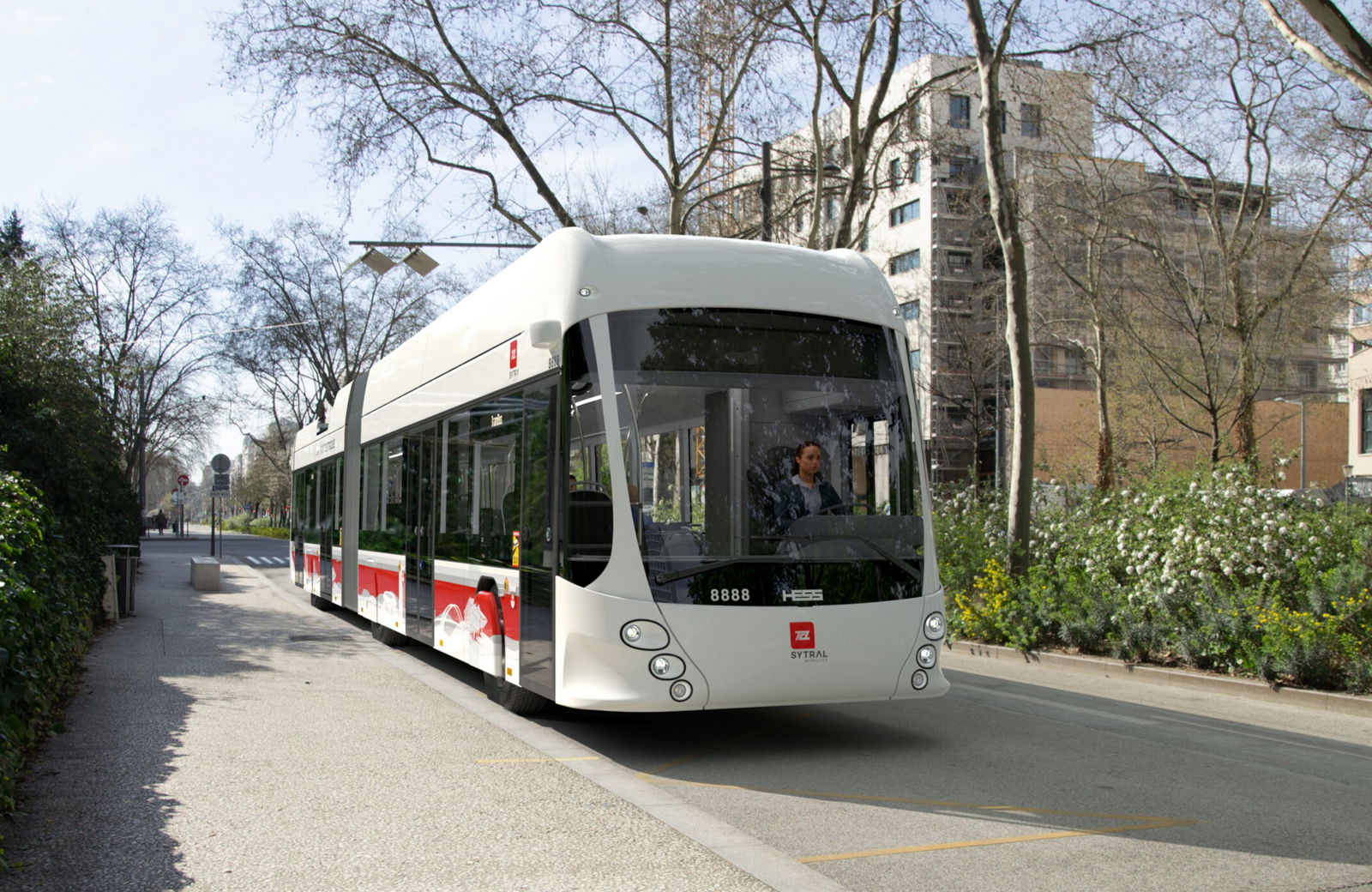
The operation of the CATP is essentially based on public procurement framework agreements that have been announced and conducted in advance. Under these agreements, the central body has already selected the suppliers and vehicle types from which member municipalities can later order directly, without running their own separate public procurement procedures. The system therefore saves not only time, but to some extent money as well, since the terms negotiated for large volumes apply uniformly to all participants.
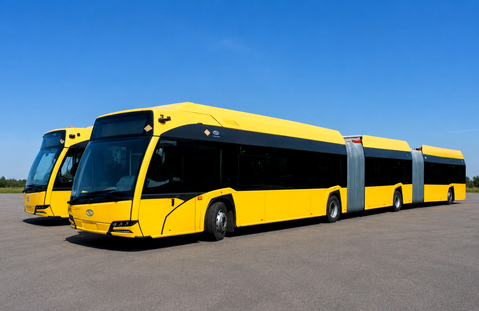
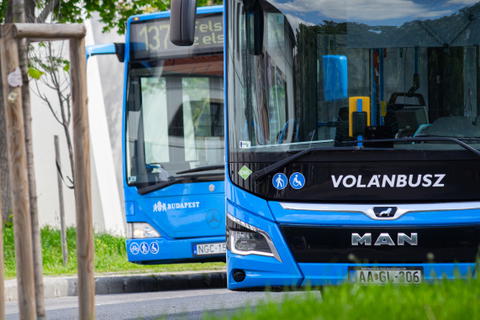
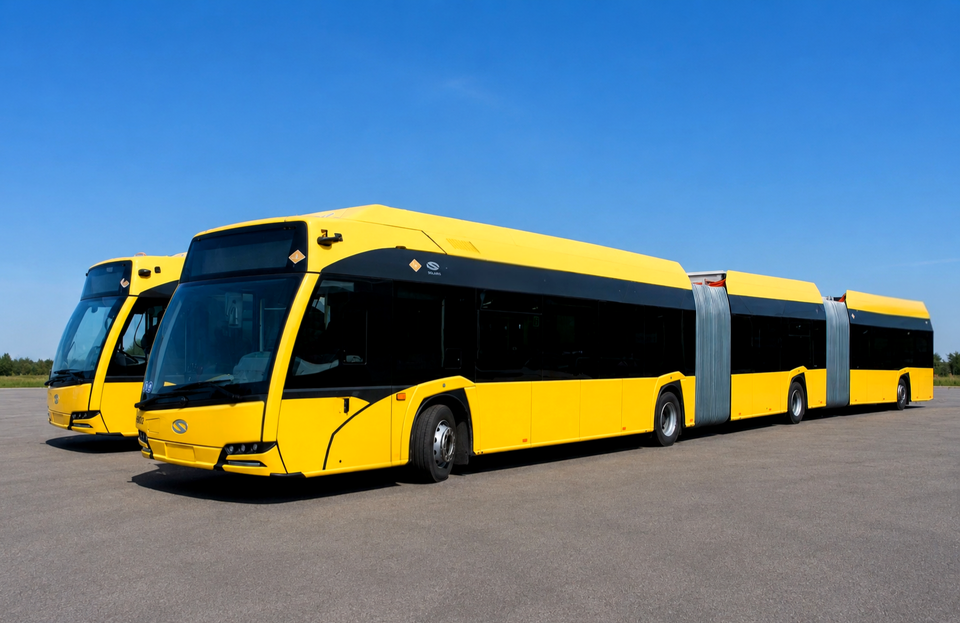
The CATP catalogue currently includes dozens of bus manufacturers and service providers, both international and French companies, such as Solaris, MAN, Irizar, Iveco, Heuliez, Safra, Daimler Buses, Hess, Otokar, Isuzu, CaetanoBus, Volvo Buses, Scania and Bluebus. The range includes diesel, gas-powered, hybrid, fuel-cell and battery-electric buses, as well as trolleybuses – from the midi category all the way up to bi-articulated models. The system covers not only urban vehicles, but also suburban, interurban and long-distance buses.
Moreover, even within a given propulsion category, customers can choose from the offers of several manufacturers, meaning the system does not force the use of a single supplier or vehicle type. Participating municipalities and transport authorities can decide for themselves which of the available types best meets their own needs and operating environment.

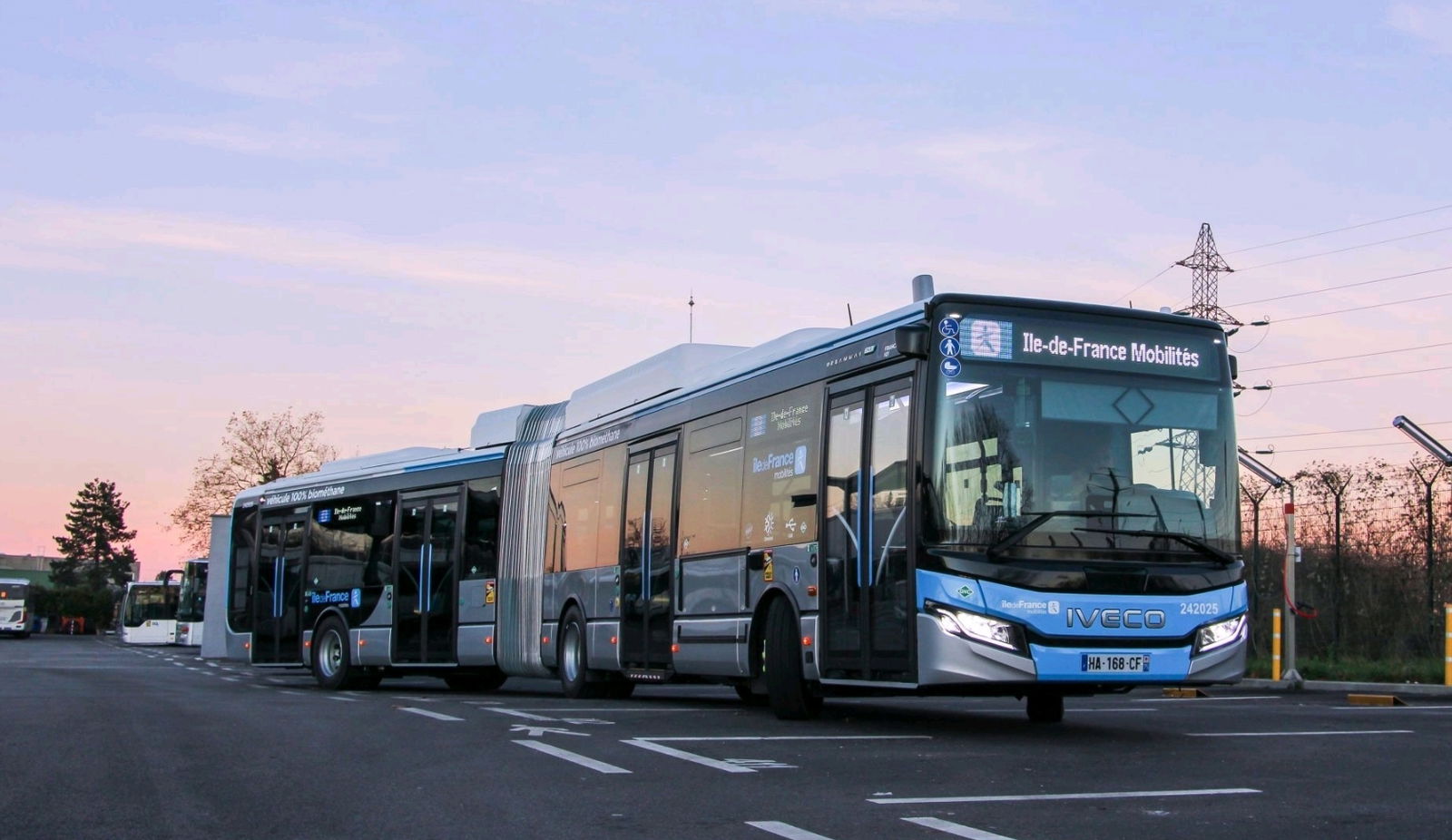
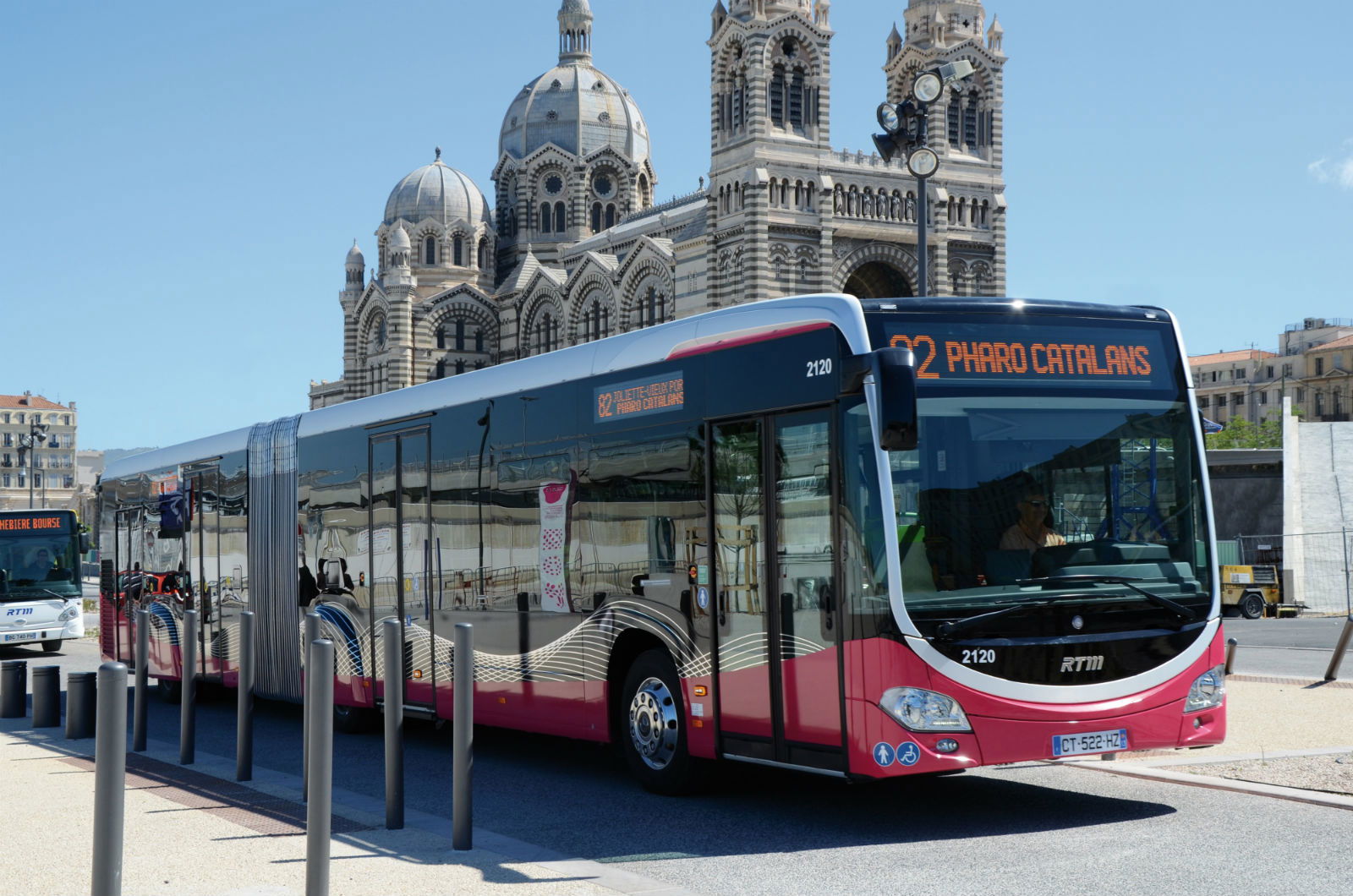
The system is currently used by more than 550 municipalities and transport authorities, including the transport companies of major cities such as Toulouse (Tisséo), Marseille (RTM), Grenoble (SEMITAG), Poitiers (Vitalis), Lyon (SYTRAL) and the Paris region (Île-de-France Mobilités). The latter is regarded as a particularly active customer: last year, for example, the CATP received an order from Île-de-France Mobilités for around 3,500 environmentally friendly, clean-driveline buses – a figure that in itself clearly illustrates the system’s economies of scale and its role in supporting fleet electrification.
It is important to note that even in France, the CATP does not replace conventional public procurement in every case, and use of the system is possible only under certain conditions. At the same time, it is a good example of how, if supported by the regulatory environment, a centralised procurement structure can accelerate processes – especially when the time factor is particularly important, for example because of EU funding deadlines.
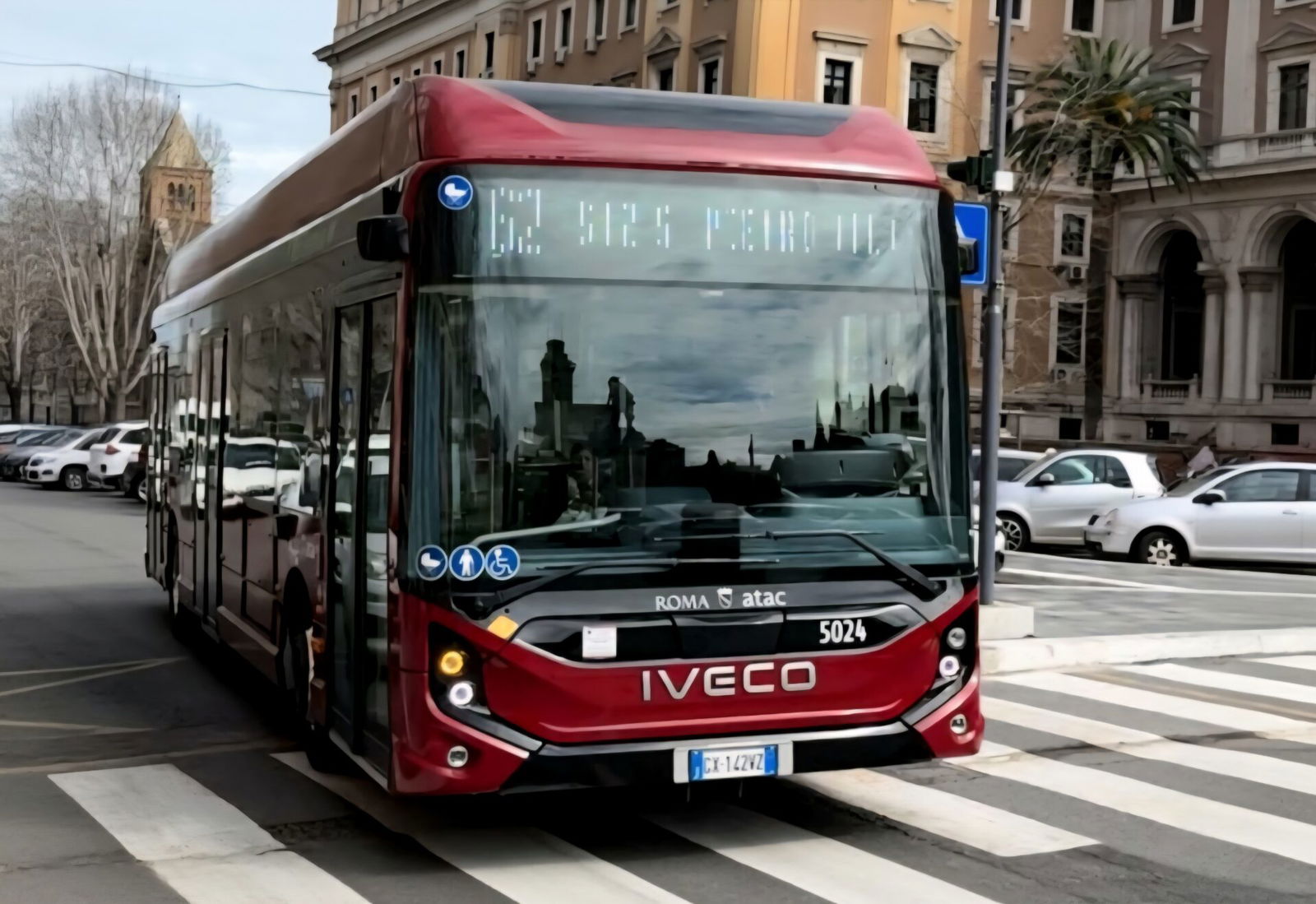
It is also worth stressing that the CATP is not a unique European phenomenon. Although the French system operates in a form specialised for public transport, central procurement schemes organised along similar principles can be found in several countries. One of the best-known examples is Italy’s Consip, which, as a state-owned central purchasing body, plays a key role in many areas of the public sector, including bus procurement.
The framework agreements established by Consip allow Italian transport operators to purchase new vehicles under pre-tendered conditions through direct call-offs. The system’s operating logic resembles the CATP practice in several respects: the central body conducts the procurement procedure, selects the suppliers, defines the technical and contractual conditions, and then, during the term of the framework agreement, eligible operators can place orders from within it. In certain cases, however, it is also possible to hold a so-called mini-competition or simplified competitive procedure among the successful participants in the given framework agreement if the operator wishes to apply specific technical or operational requirements.
In practice, this means that an urban or regional transport company does not necessarily have to launch a standalone, full-scale public procurement procedure for every single vehicle purchase. Instead, it can choose from an already tendered framework, while still retaining a certain degree of flexibility in defining the specific technical content or delivery conditions. The model thus seeks both to exploit the economies of scale offered by high-volume joint procurement and to preserve consideration of the specific needs of individual customers.
Schemes of this kind therefore partly relieve municipal players of the burden, while reducing the risk that a transport development project will fail because of administrative obstacles. Although they could not be transposed one-to-one in every country, the French and Italian examples clearly show that simplifying public procurement mechanisms does not necessarily have to come at the expense of legality or transparency.