Built for America – the story of the Ikarus 286s produced in cooperation with Crown Coach
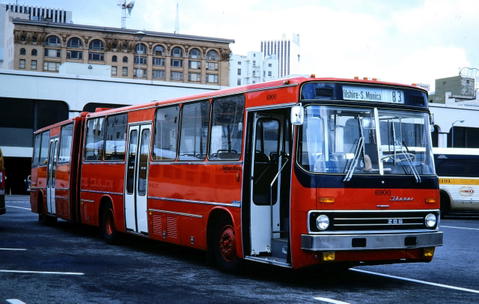
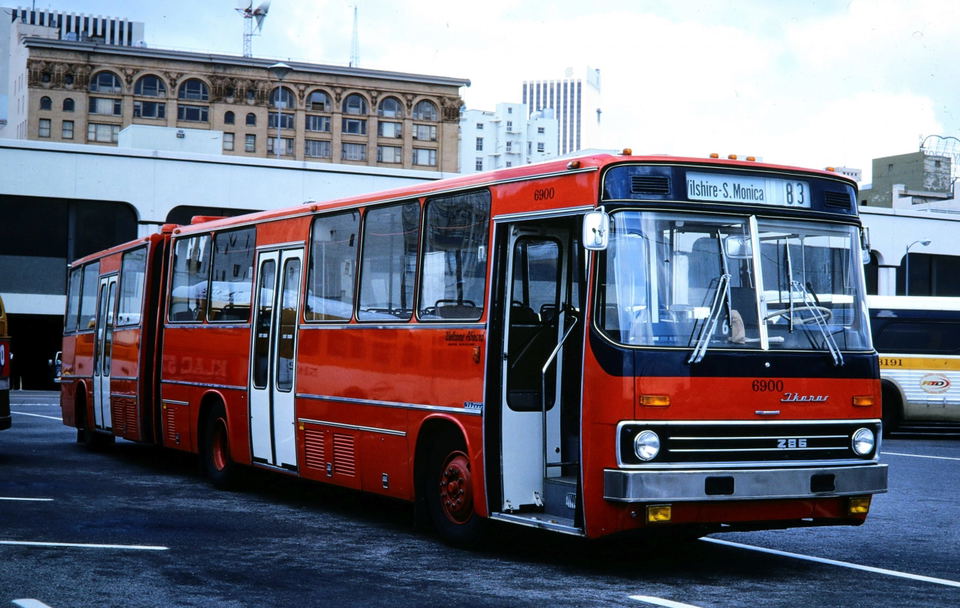
During its heyday in the 1980s, Ikarus – with the involvement of American strategic partners – delivered a total of 246 60-foot articulated Ikarus 286 buses to the United States. This programme marked a milestone in the history of the Hungarian vehicle industry, as it not only secured the domestic bus industry’s first significant presence in North America, but also laid the foundations for the success across the Atlantic of the overseas-market models of the later Ikarus 400 series and of NABI products.
Landing on American shores
The project’s origins date back to the mid-1970s, when the American aircraft manufacturer McDonnell Douglas sought a Hungarian partner for the commercial cooperation it had initiated. The company, which later became part of Boeing, wished to sell MALÉV a substantial number of its then highly popular DC-10 wide-body airliners, and sought a Hungarian industry capable of participating in the financing through commodity-based compensation in order to provide the financial backing for the transaction. With its considerable export-market experience and advanced manufacturing capacity, Ikarus proved to be an ideal partner.
The American public transport market was undergoing significant transformation at the time. The long-produced models of General Motors and Flxible – which had been the defining vehicles of public transport in American cities – had by then become technologically outdated, while production of the models familiar to local operators ceased in the 1970s. The resulting market vacuum was particularly evident in the case of high-capacity articulated vehicles, for which demand was growing as passenger numbers increased, while American industry had no modern types in this category. In this environment, Ikarus offered a technologically mature solution, as by then the company had already accumulated decades of experience in the development and manufacture of articulated buses.
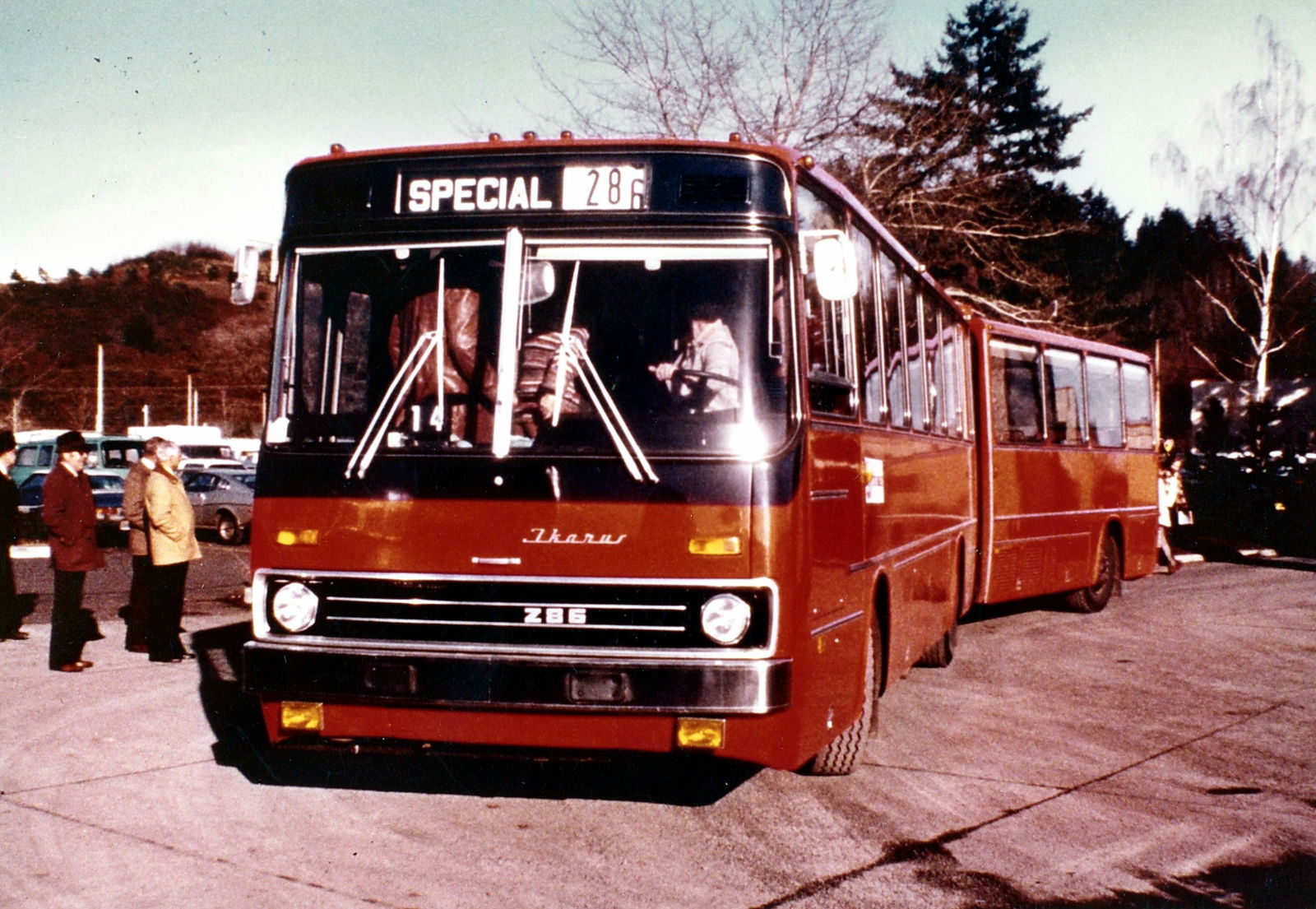
Although the planned aircraft purchase for MALÉV ultimately did not materialise, Ikarus’s entry into the United States nevertheless gained momentum with the involvement of McDonnell Douglas. Following the initial contact, the 286.K1 prototype, nicknamed “Big Red” because of its cherry-red paintwork, was completed in 1977 under the direction of chief designer Anna László. We have previously covered the circumstances surrounding the vehicle’s creation, the design process, the details of its technical configuration and the story of its American demonstration appearances in a separate article, which is available by clicking here.
The North American market imposed specific requirements, as transport regulations and the associated technical requirements differed considerably from those in Europe. Bus types overseas, for example, remain generally wider than their European counterparts to this day, while the regulations included stringent requirements concerning the service life of major components, operating conditions, maintenance protocols, the reliability of spare-parts supply and, above all, passenger safety.
During the detailed market research and technical preparation phase, project leader Anna László concluded that the vehicle concept was technologically feasible provided that certain design elements of the Ikarus 200 family were adapted. Experience gained during production of the Ikarus 282, of which only a few examples were built, confirmed that an 18-metre articulated bus could also be developed using the existing technological basis. However, American market requirements called for modifications in several respects: the permitted maximum vehicle width in the United States was 102 inches (2591 mm), compared with 2500 mm under the European regulations of the time, making an increase in body width essential. In addition, under the statutory provisions of the Buy America Act in force at the time, vehicles procured by state-owned transport companies had to consist of at least 50% American-made components, presenting a major challenge in terms of redesigning the supplier structure and assembly processes. (Today, this proportion has been raised to over 70%, while all steel must be sourced entirely from the United States, effectively making foreign production of urban buses intended for the US market impossible.)
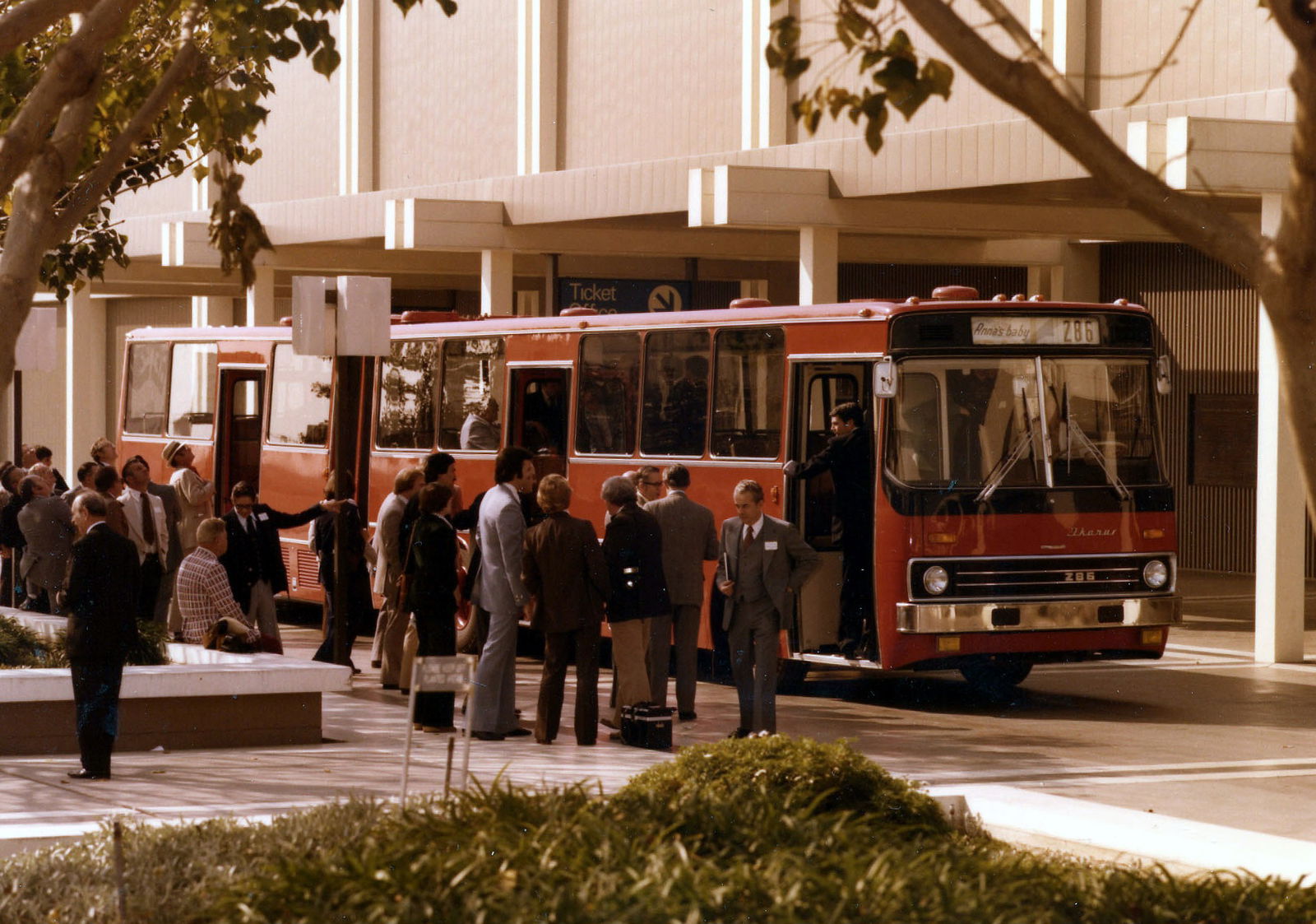
McDonnell Douglas also organised the West Coast test tour of the Ikarus 286 prototype, during certain stages of which the 18-metre articulated bus was driven by its chief designer, Anna László herself. The demonstration tour began in Los Angeles in early 1978 and visited numerous major North American cities, including Portland, San Mateo, San Francisco, Denver, Phoenix, Long Beach and Honolulu. At several locations, the vehicle took part in 30-day trial operations, during which not only its passenger-service characteristics were assessed, but valuable operator feedback was also received regarding its design and suitability for use.
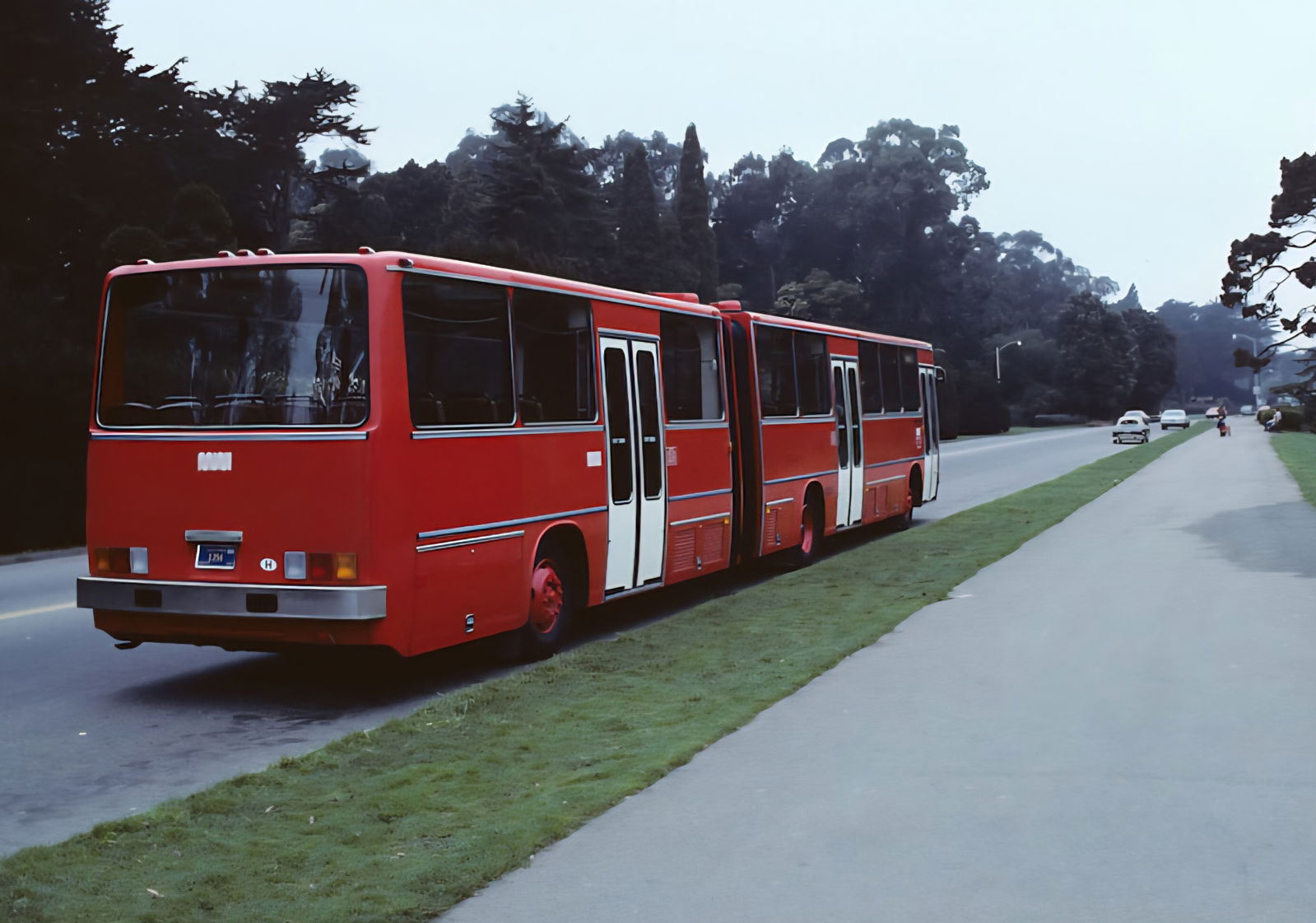
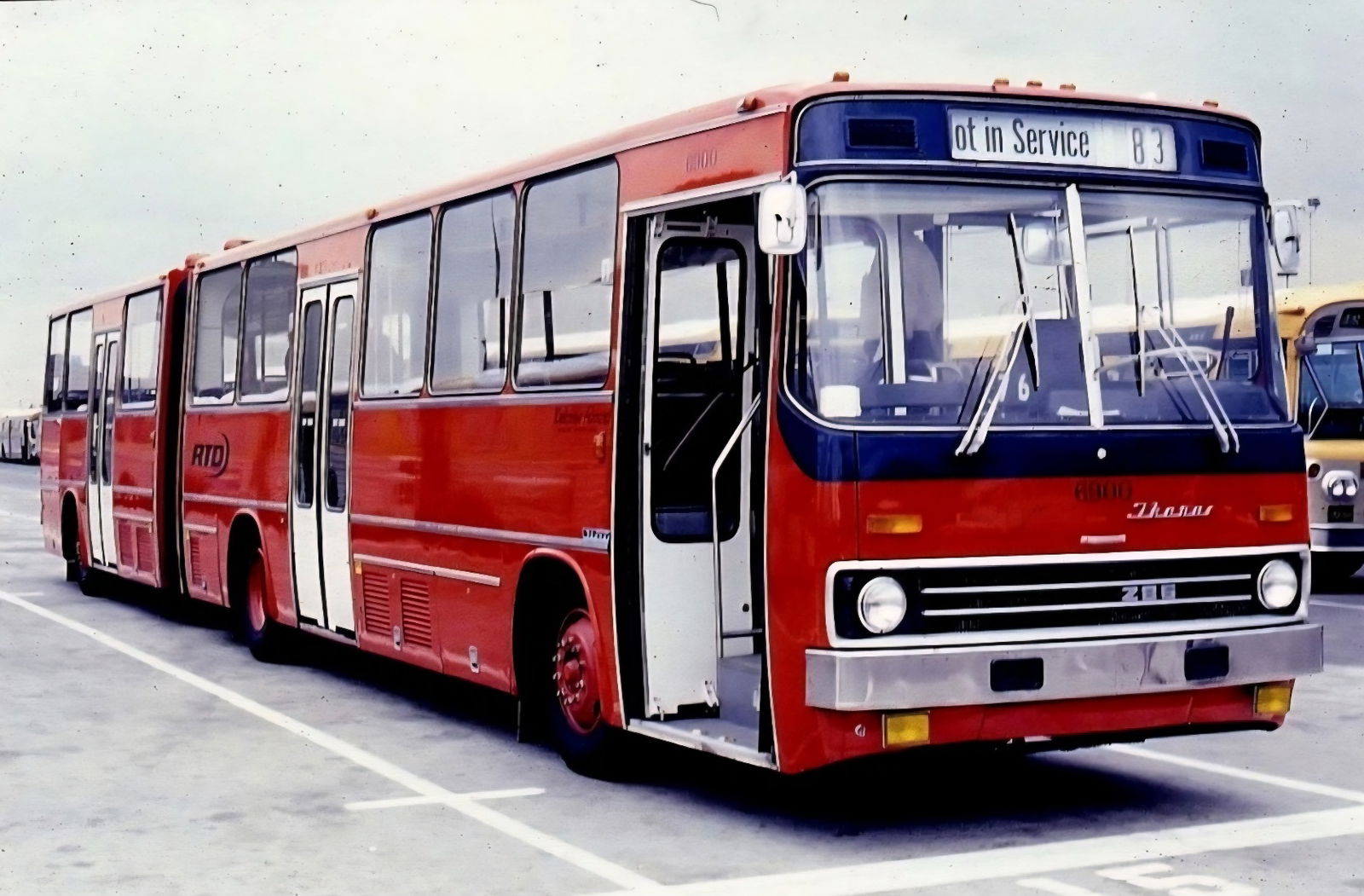
Before entering service, numerous modifications were made to the prototype in line with American regulations and operator expectations. These included the installation of a radio transceiver and antenna, the provision of fire extinguishers, the fitting of destination signs, additional handrails around the doors, and passenger-compartment protective panels at the articulation. Regular feedback was also collected during the two 30-day trial operations, with questionnaires used to measure the satisfaction of passengers and drivers. The results were extremely favourable: in response to one question concerning procurement of the vehicle, for example, 84% of passengers supported the introduction of the Ikarus 286, only 5% rejected it, while 11% abstained from answering.
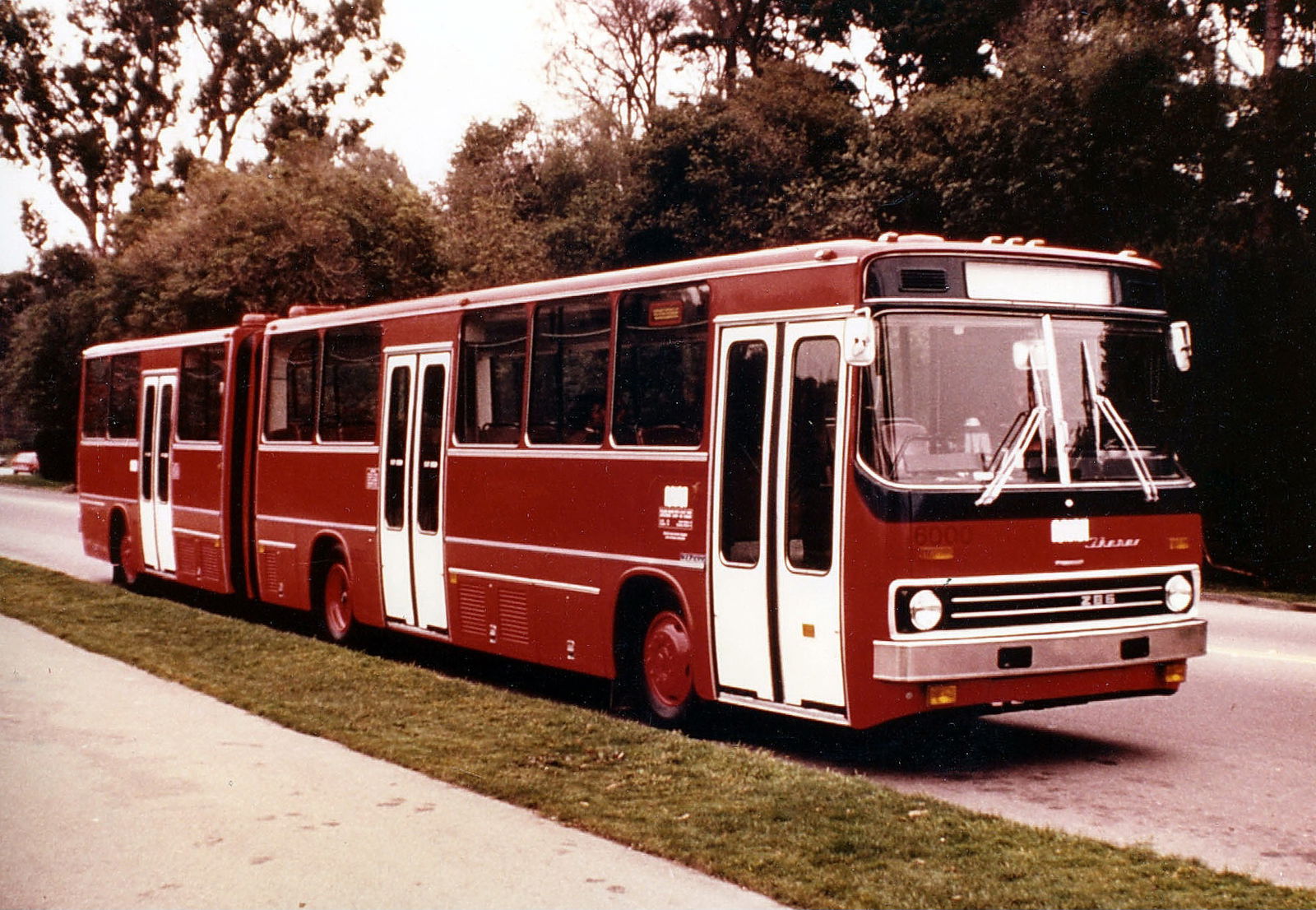
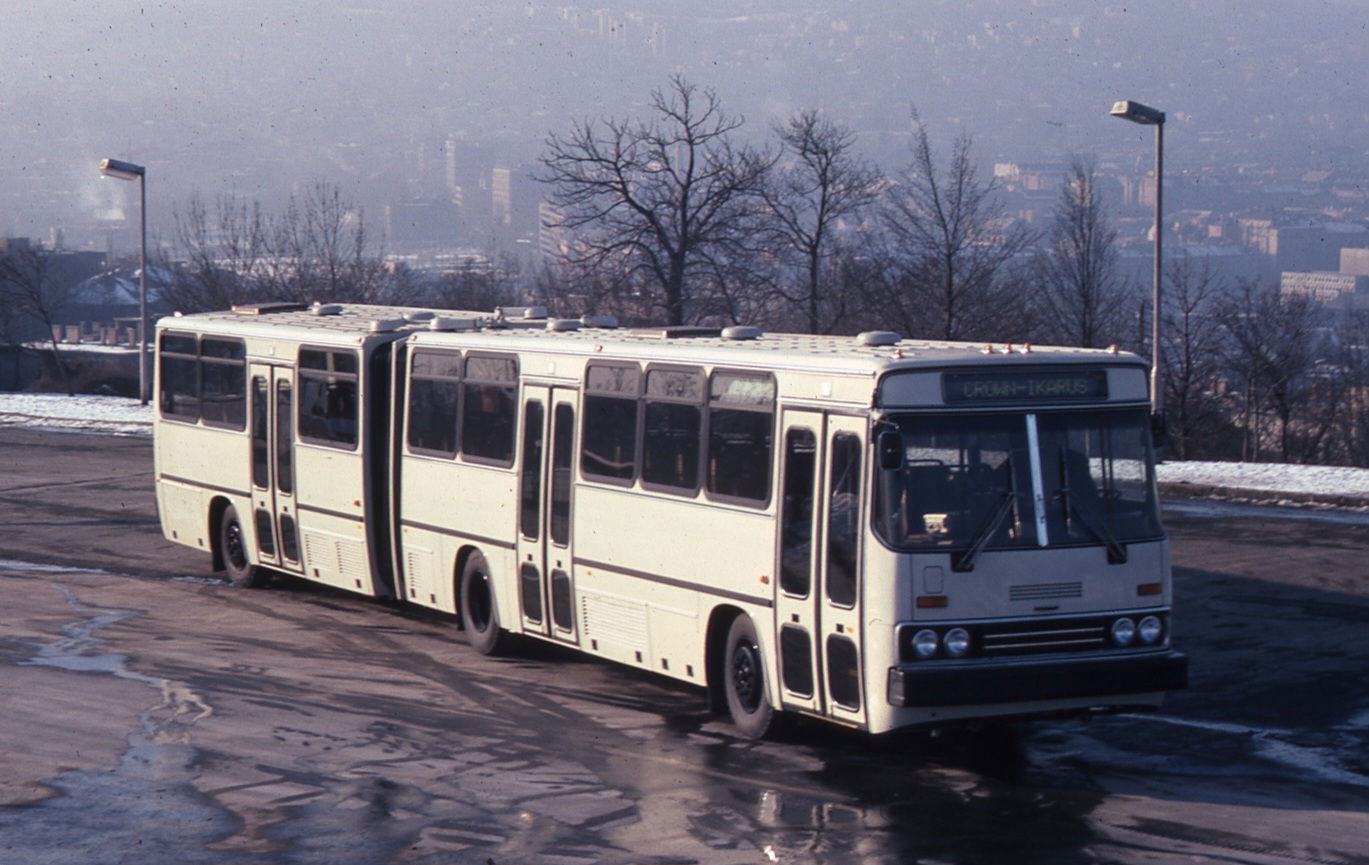
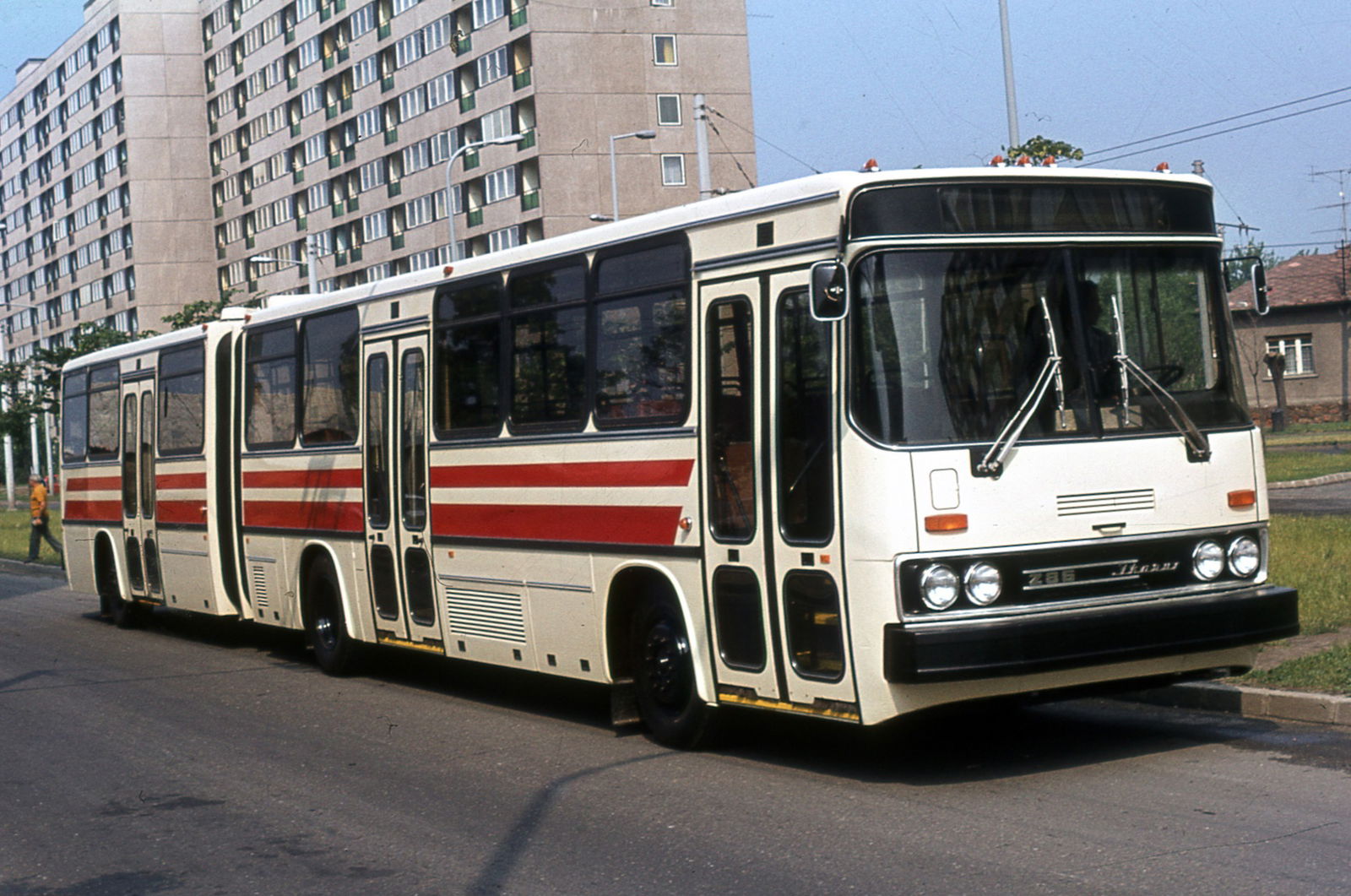
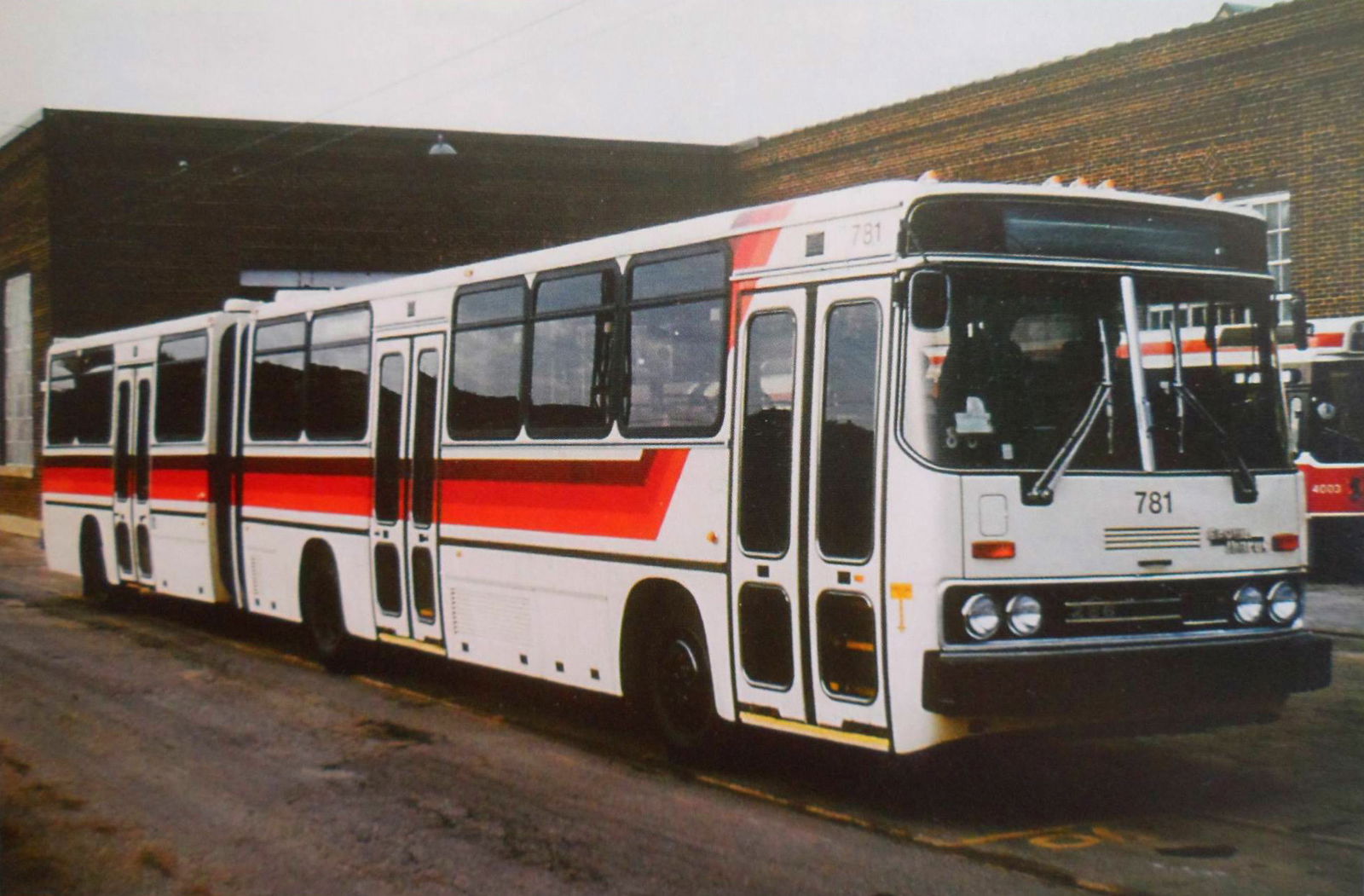
Following its Los Angeles debut, the Ikarus 286 prototype was tested for a further year in various cities across the United States. Although the quantity and depth of operating experience at that point did not yet permit the immediate launch of series production, valuable feedback on the vehicle’s design and functionality was received by Ikarus’s development team. On the basis of the technical shortcomings identified during American trial operation and a thorough analysis of potential customers’ requirements, the improved second prototype, the near-production 286.K2 version, was completed in 1980. This vehicle was finished in off-white and fitted with three outward-opening double-leaf swing doors, in line with the specifications expected by American transport authorities. This prototype never entered scheduled service: it was used for demonstration purposes in several American cities, including San Mateo, San Francisco and New York, between 1980 and 1981 in the colours of Portland’s Tri-County Metropolitan Transportation District of Oregon transport company (the company has abbreviated its name as TriMet since 2002, but in this article we use the contemporary Tri-Met spelling). Following the demonstrations, the vehicle was sold to the city of Milwaukee, where it was kept exclusively as a reserve vehicle.
The first commercial agreements were concluded as early as November 1979, during the American trial operation of the first K1 prototype – thus before the completion in 1980 of the K2 version, which was close to the production specification. As a result of favourable feedback received during the trials, the keen interest of American transport companies and successfully completed public procurement procedures, Ikarus committed to manufacturing and delivering a total of 102 vehicles for Louisville, San Mateo and Portland. This early customer demand, however, placed considerable pressure on the company, as the delivery deadline fell in 1980 – at a time when the type was still under development.
The structural design of the production Ikarus 286s was substantially revised compared with the first prototype (286.K1), in order to ensure that the type fully complied with American standards and operating requirements, particularly with regard to body construction. The most important changes were prompted by the use of standardised, locally manufactured side windows conforming to American regulations, as their different dimensions and fitting technology made a complete redesign necessary. The previously rubber-mounted toughened-glass panes were replaced by outward-opening emergency-exit windows and tinted, bonded tilt or sliding panels.
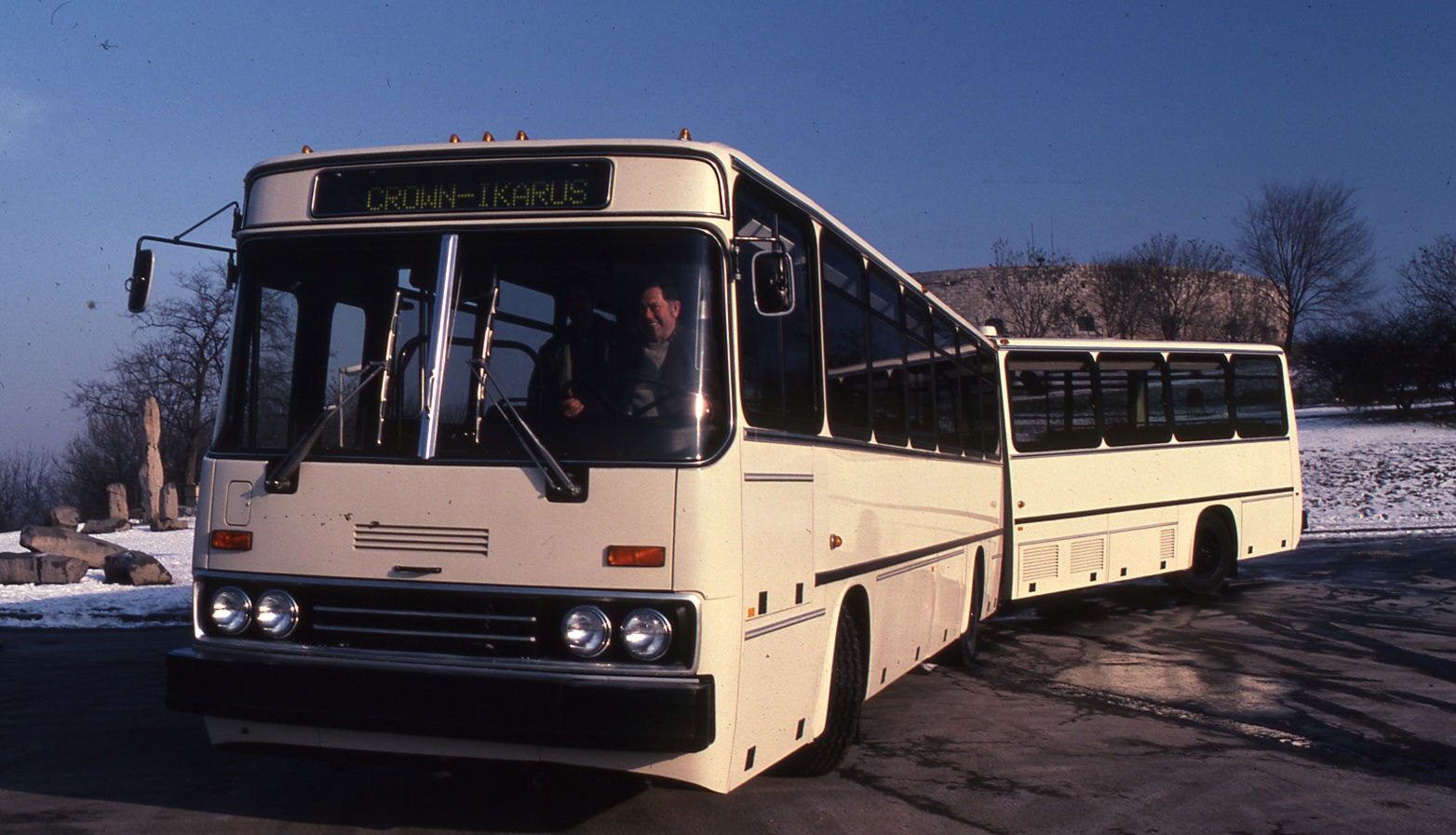
The body of the first prototype measured 17 930 mm in length without bumpers, while this figure increased to 17 960 mm on the production vehicles. The 30 mm increase resulted from a rearrangement of the vehicle’s sections: the driven front section was shortened by 20 mm, while the rear, towed section was lengthened by 50 mm. Although these differences are barely discernible to the naked eye, the altered proportions necessitated a redesign of the entire body structure, resulting in considerable production delays for the first production vehicles. The design modifications also included the redesign and replacement of several major components, as well as the installation of additional safety features intended to raise the level of passenger safety.
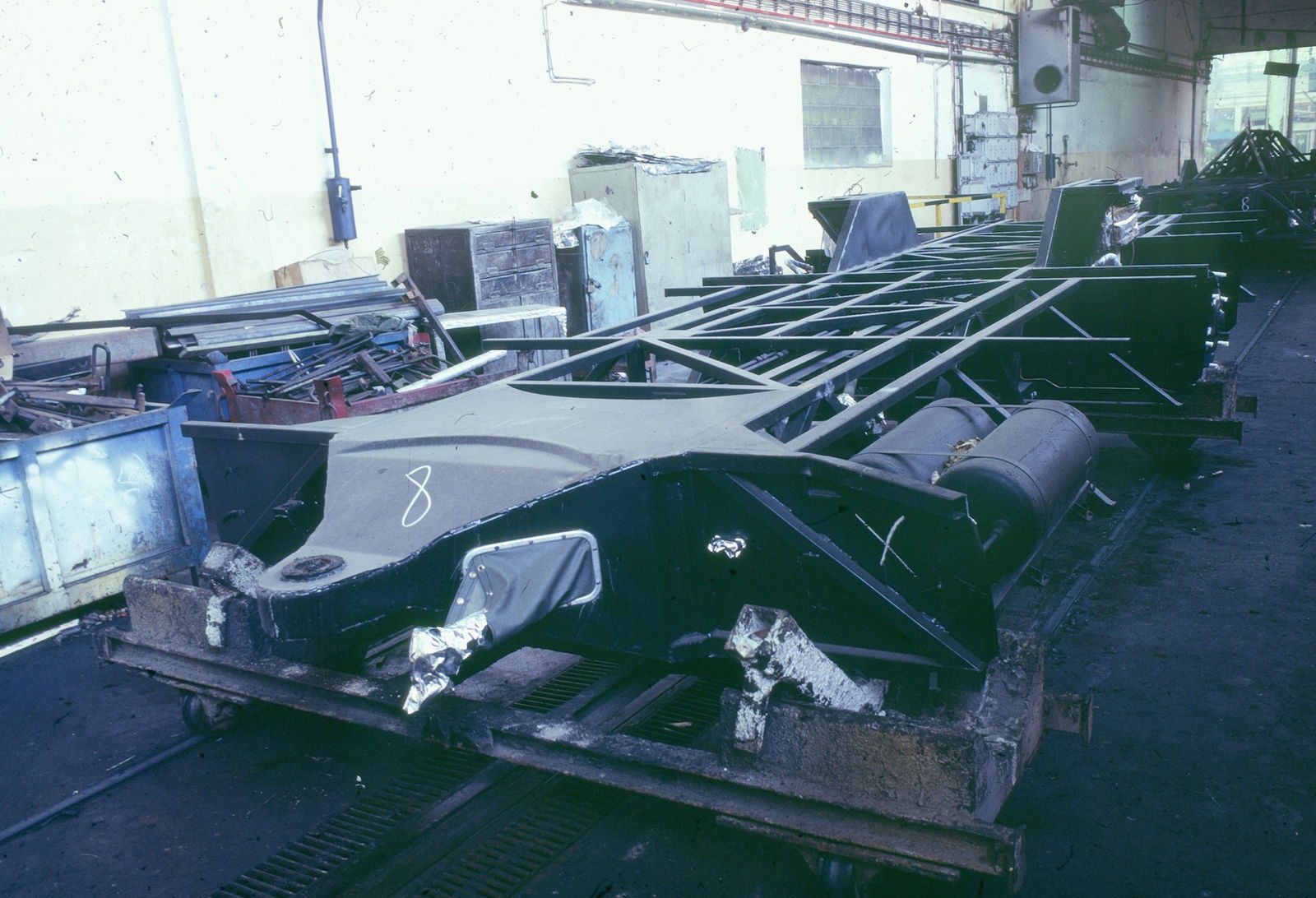
One of the most important modifications concerned the bumper design. The conventional sheet-metal bumper was replaced with a three-part safety bumper capable of absorbing impact energy in a collision at 8–10 km/h without damage to the vehicle body, thereby complying with the relevant American regulations.
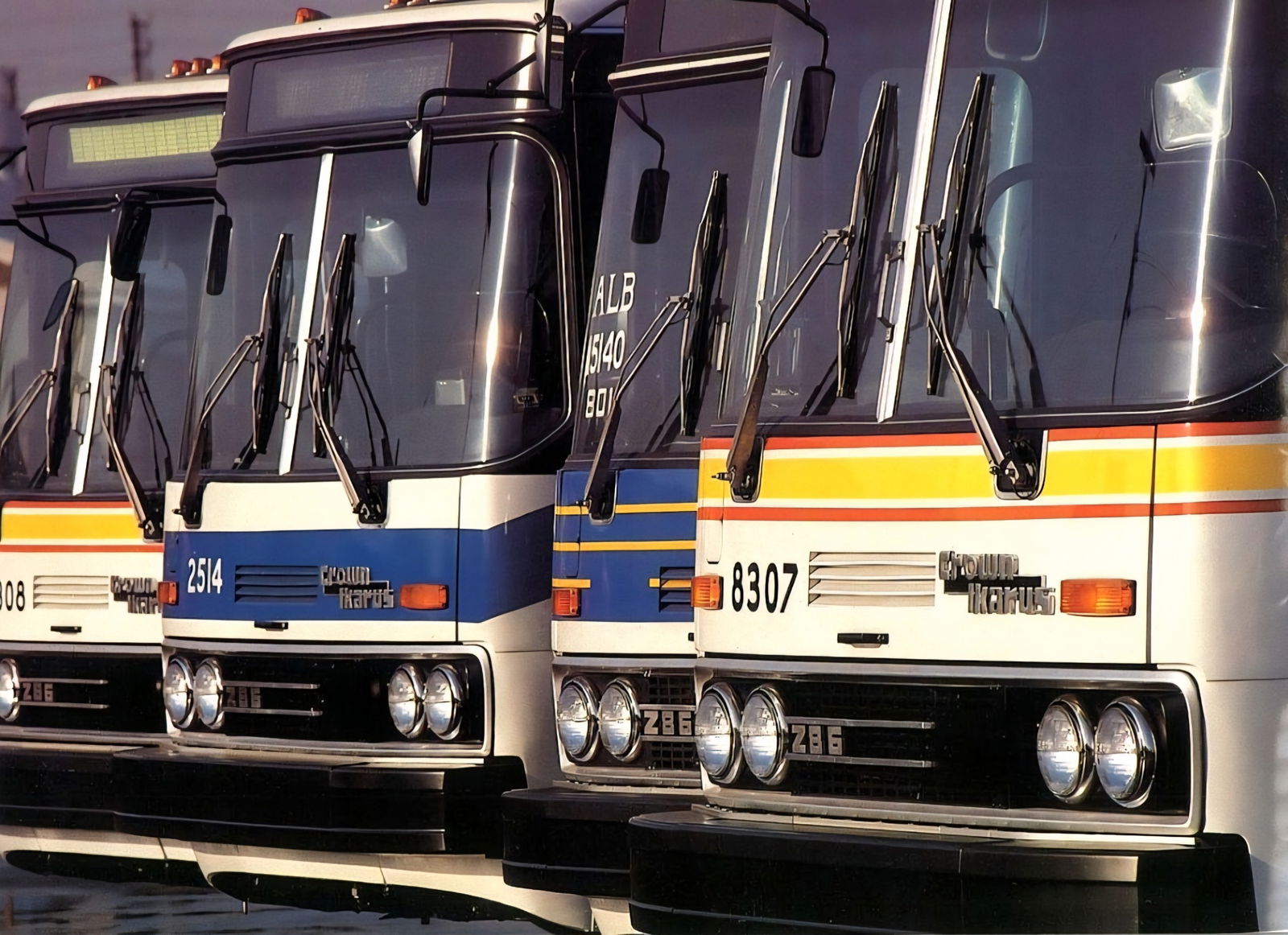
Substantial changes were also made to the passenger compartment. In keeping with the 286’s intended destination, it received American-standard urban and suburban seats. The production version was fitted with a new type of pneumatically operated windscreen-wiper system, the arms of which were not mounted on the front service door but fixed directly to the body, meaning that there was no need to fold down the wipers when opening the door, unlike the solution familiar from the 200 series. In addition, supplementary protective panels were fitted around the articulation and the door-operating mechanism.
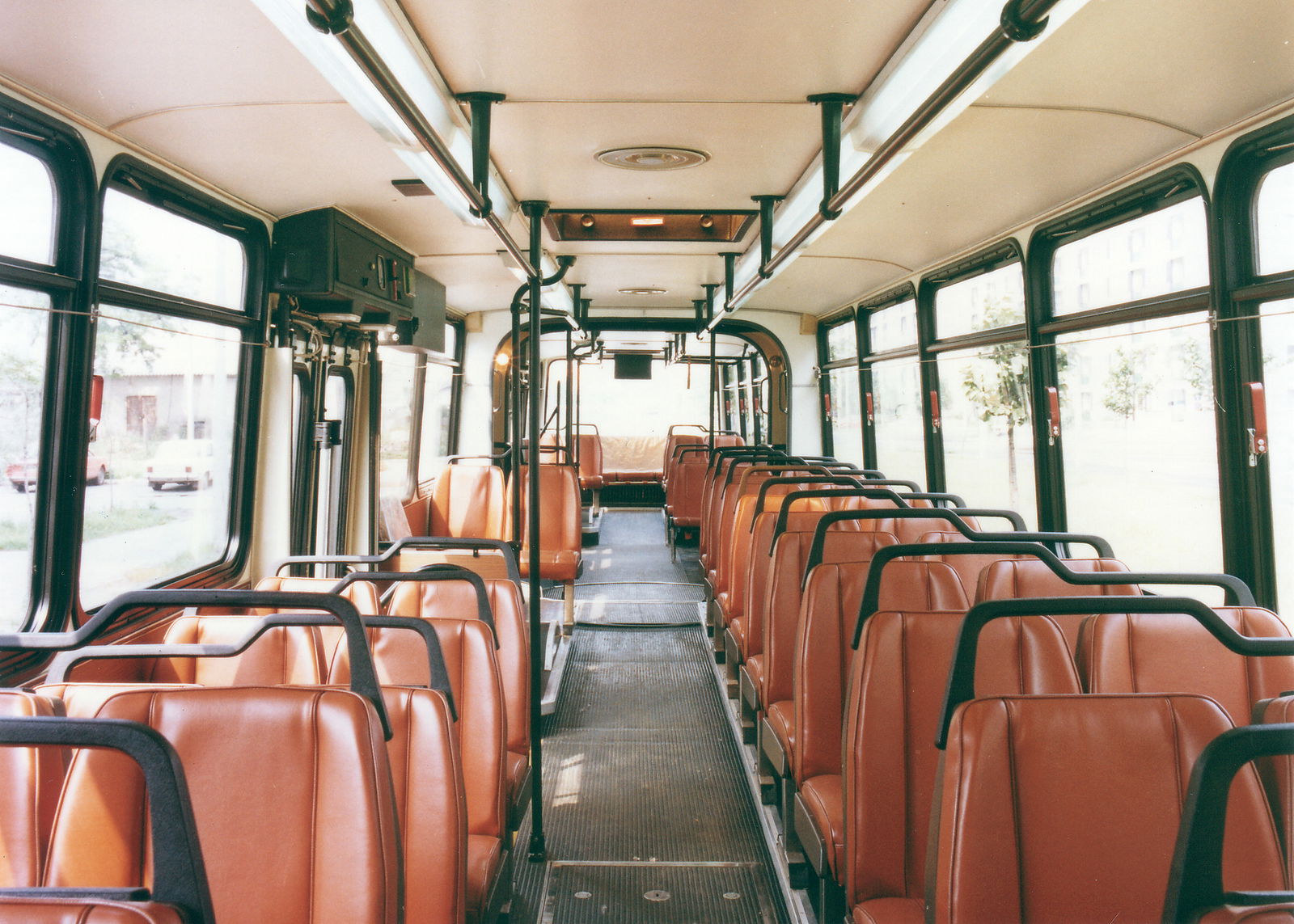
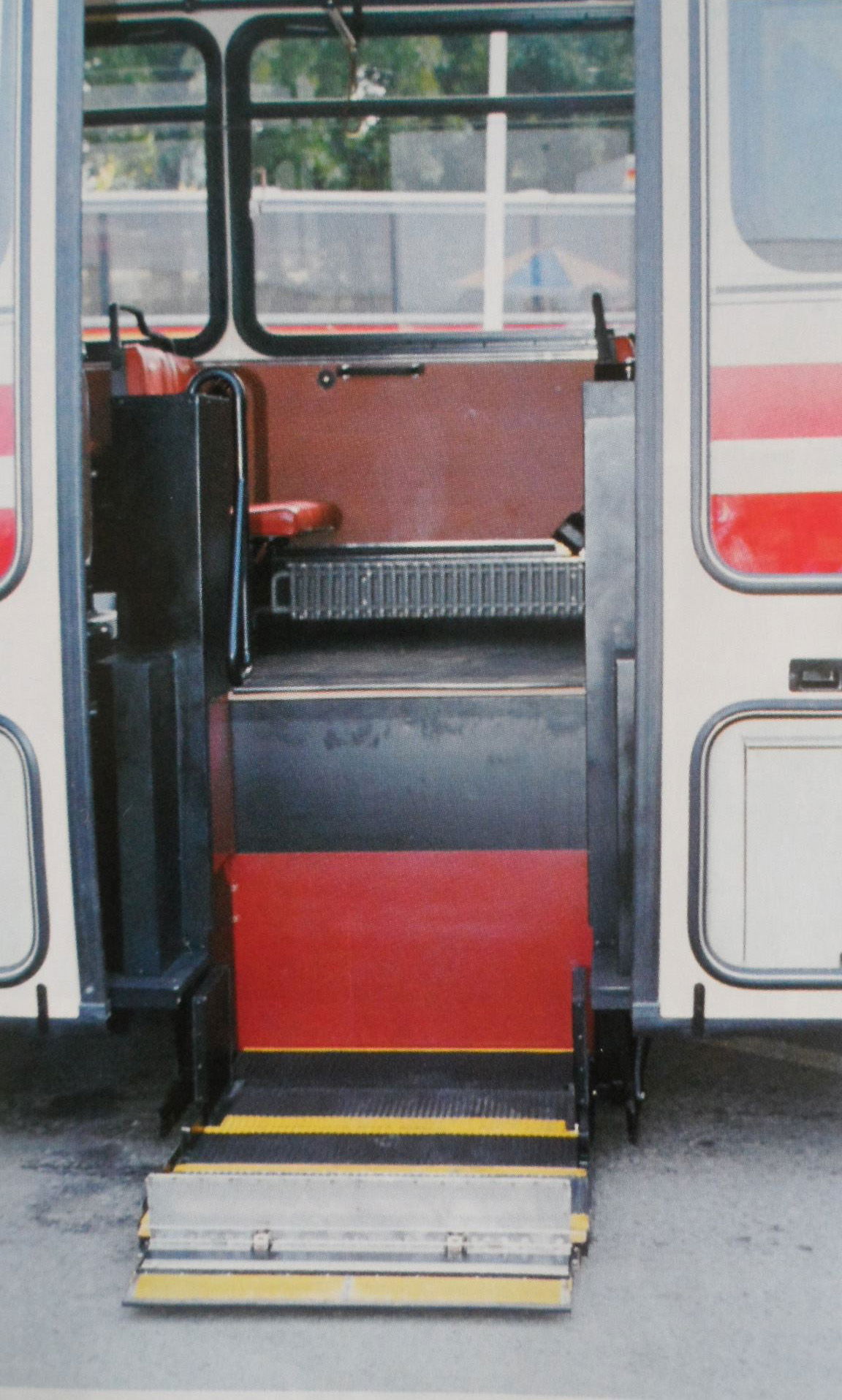
Stop-request cords were installed on both sides of the interior of the production vehicles – a basic requirement in North American bus culture. In terms of door configurations, customers could choose between inward-opening plug doors and outward-opening swing doors, in two- or three-door versions. On two-door vehicles, the remotely operated hydraulic wheelchair lift could be installed at the front door, while on three-door versions it could be installed at either the front or rear door. A photocell door-closing sensor could also be specified to ensure safe operation. On the rear section, the passenger door was positioned ahead of the trailer axle – an arrangement that complied with the requirements of American transport authorities.
The mechanical configuration was tailored to operators’ specific requirements, so combinations of engines and transmissions with different outputs were available. As standard, Ikarus 286s were fitted with a horizontally mounted, inline six-cylinder, turbocharged 290 hp Cummins NHHTC-290 diesel engine, replaced from 1983 by the 300 hp NHHTC-300 version. The 350 hp Cummins NHHTC-350 was also available as an option, providing increased power for vehicles operating in more demanding environments. In most cases, power was transmitted by a four-speed Allison HT-740D hydromechanical automatic transmission, likewise selected in line with the expectations of the American market. However, examples delivered to Honolulu, the capital of Hawaii, were fitted with Voith DIWA D864.2 automatic transmissions, while several vehicles built for Milwaukee and Houston also received this drivetrain unit.
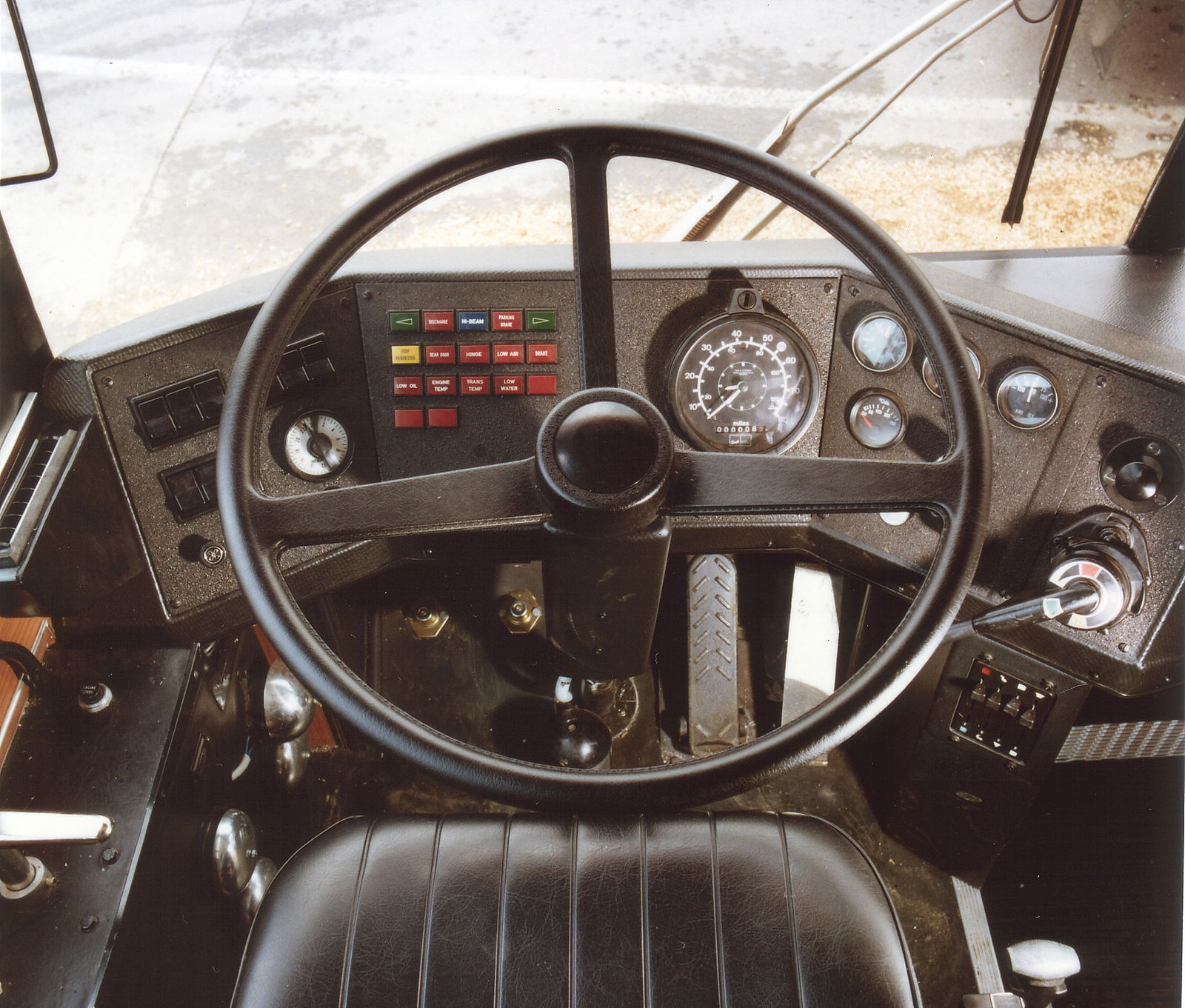
In the Ikarus 286 passenger compartment, some of the seats were raised onto platforms in order to accommodate high-capacity auxiliary equipment and improve comfort and visibility. This arrangement extended along the full length of the left side of the powered vehicle section, and on the right side above the A axle, as well as in the sections ahead of the B axle and behind the C axle. Although Rába supplied substantial numbers of axles to Rockwell, Ikarus 286 vehicles were fitted with the American company’s original components: the rigid-beam front and rear – trailer – axles were Rockwell FL931 units, while the driven centre axle carried the type designation 59742W.
Air conditioning was provided by two separate Thermo King air-conditioning units. One unit was connected to the main engine, while the other was driven by a separate four-cylinder diesel auxiliary unit. The advantage of the system was that in the event of a failure of one unit, the other could still cool the passenger compartment at 50% capacity. The heating system was tailored to the bus’s sectional layout: the powered section used a hot-water radiator system, while the trailer section was equipped with Webasto warm-air heating. A hot-water radiator system covering the entire vehicle was also available on request.
The Ikarus 286 measured 18 170 mm in overall length including bumpers, 2591 mm in width and 3131 mm in height. Its unladen weight was 16 570 kg and its permissible gross weight 23 602 kg, of which the maximum payload was 7032 kg. The vehicle had a top speed of 63 mph (approx. 100 km/h) and a turning-circle diameter of 24 metres. Depending on the seating and door layout, the vehicles could carry 63–75 seated and 35–47 standing passengers.
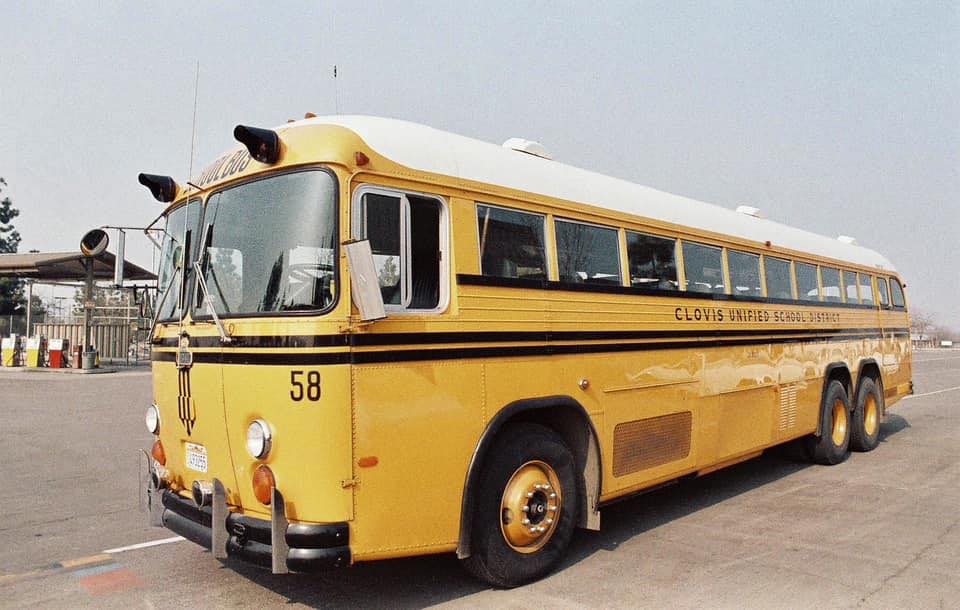
Under the United States’ stringent supplier requirements, the country allowed only imported products containing at least 50% locally manufactured major components onto its market. Ikarus initially incorporated Hungarian-made components into the vehicles at a higher proportion than this, but the practice was subject to ongoing negotiations. A local strategic partner was needed to strengthen its presence on the American market, and this was found in the form of California’s Crown Coach Corporation – once again with the assistance of McDonnell Douglas, during the K1 prototype’s demonstration tour. Crown was an American manufacturer with more than 70 years of experience at the time, specialising in long-distance and school buses as well as special-purpose vehicles, and also possessing considerable expertise in the use of horizontally mounted underfloor Cummins engines, which facilitated technological cooperation. However, the company, which remained in the founding family’s ownership until 1979, was no longer in as sound a financial position in the 1980s as it had previously been, so its management hoped that cooperation with Ikarus would improve this situation and enable it to gain a foothold in the urban segment, which had until then been unfamiliar territory. Under the agreement, Ikarus and Crown Coach jointly manufactured and marketed the articulated buses in the United States under the Crown-Ikarus 286 designation. (Available documents suggest that there were later plans to extend the cooperation to trolleybus production as well, but this idea was ultimately not realised.) Crown also took responsibility for conducting tenders ahead of vehicle procurements and for after-sales customer service tasks.
American dream
Throughout the 1980s, the MOGÜRT foreign trade company, which also represented Ikarus, regularly participated in bus procurement tenders issued by public transport operators in major American cities, and was successful on numerous occasions. At the time, the Crown-Ikarus 286 was offered on the American market for around $230,000, equivalent to approximately $900,000 in today’s money. The type secured orders in a total of nine locations, resulting in nine principal subtypes during its United States career; naturally, these displayed minor and major technical and styling differences in line with the varying customer and operating requirements of the individual cities. The 1983 public procurement in Detroit was an interesting and instructive episode: MOGÜRT submitted the most favourable bid in the tender for 20 articulated buses, outperforming several competitors – including American manufacturers and MAN. During the evaluation of the bids, the offered Crown-Ikarus 286 was selected as the winner, but the decision was subsequently annulled. According to the official justification, it would have been politically sensitive in that environment for public transport to be operated with non-domestically manufactured buses in Detroit of all places – the stronghold of the American automotive industry. The fact that General Motors’ bus manufacturing plant was operating at reduced capacity in those years may also have played a role in the decision. Despite the missed opportunity, MOGÜRT and the Crown-Ikarus partnership soon recorded another market success, winning the order for 50 vehicles for Houston.
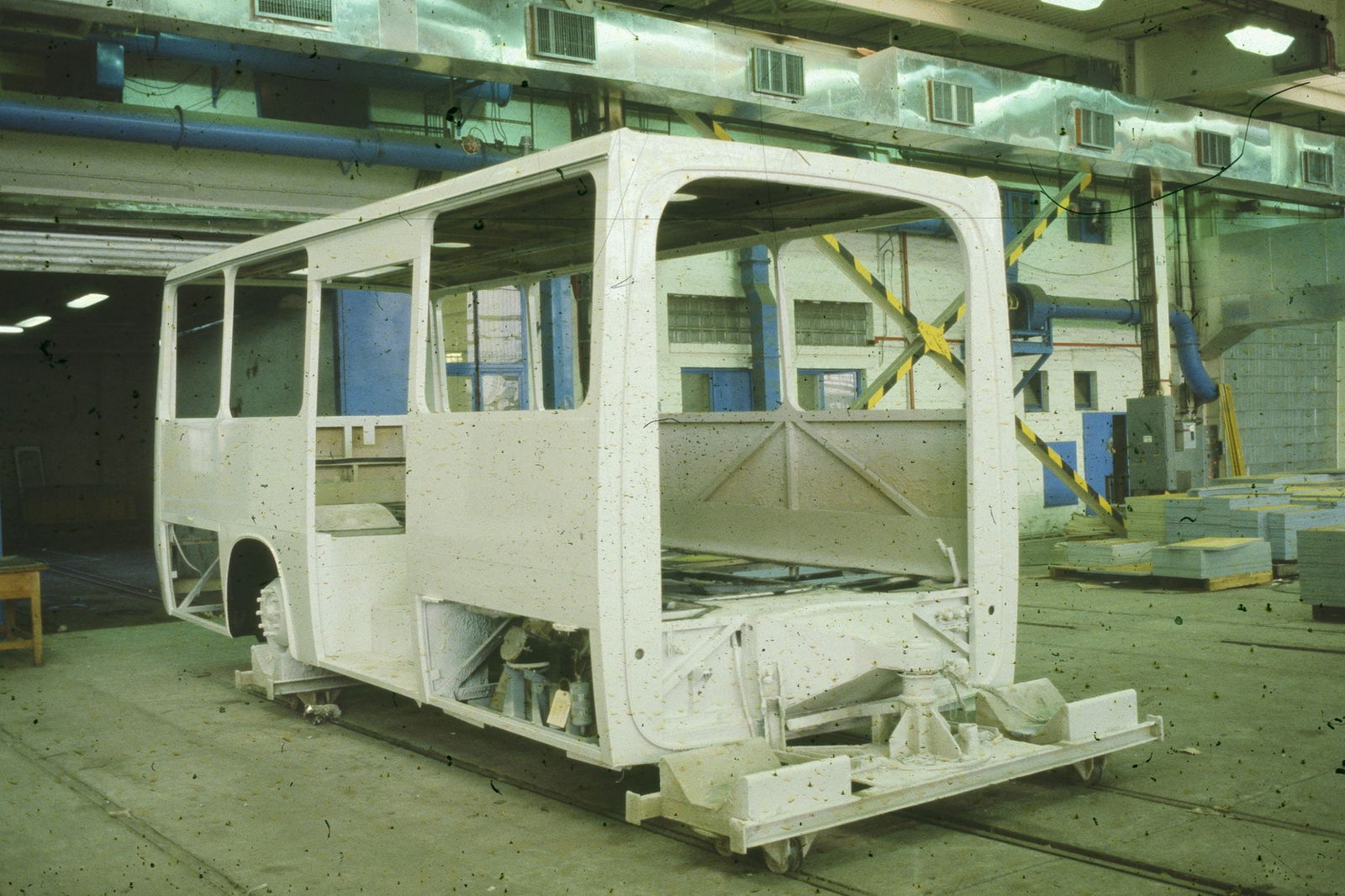
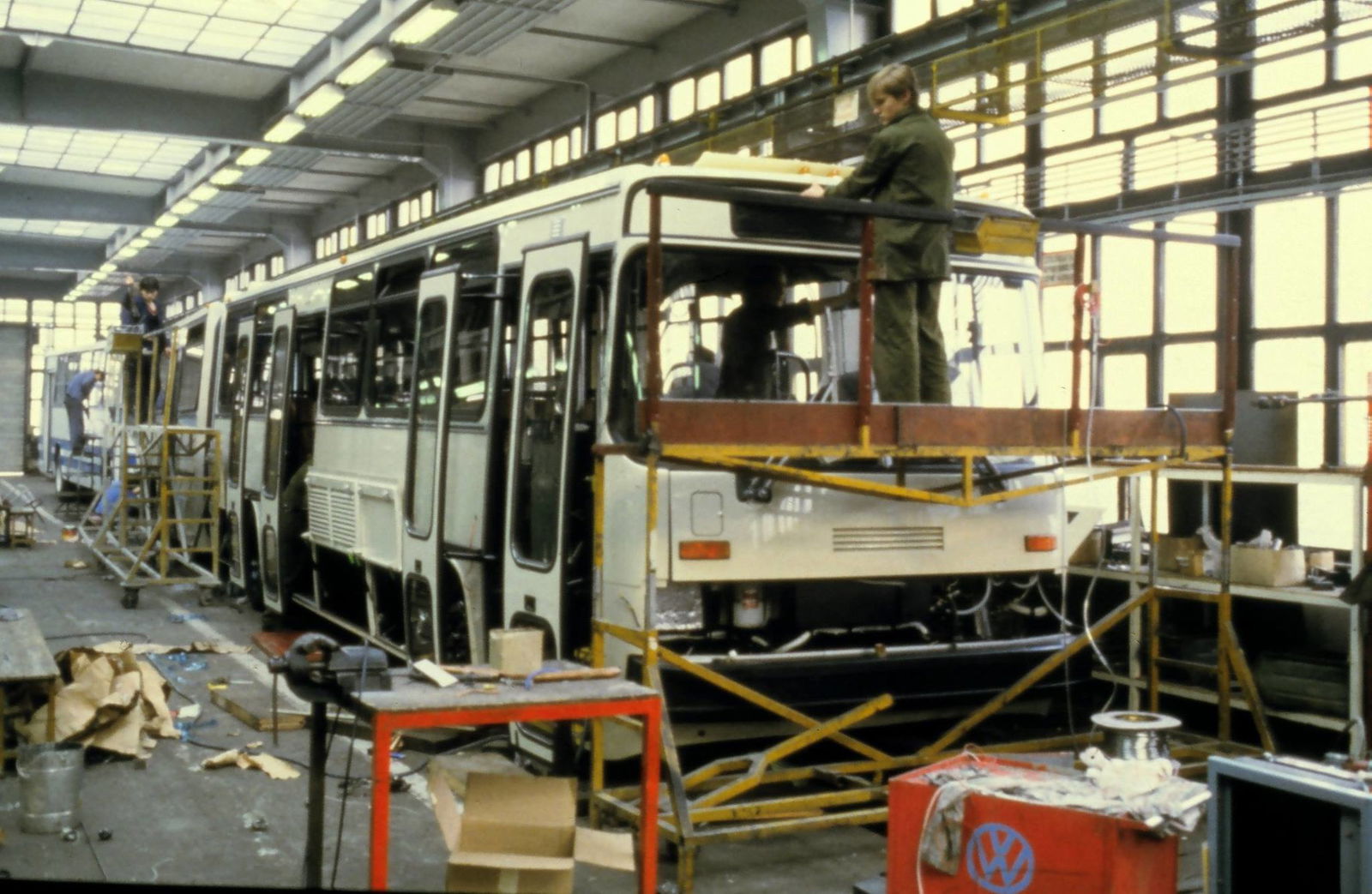
The Hungarian phase of Ikarus 286 production did not take place on a conventional assembly line, as the type’s dimensions, structural characteristics and limited series-production capacity precluded large-scale manufacturing. Although it was fundamentally based on components from the 200 series and resembled the other members of the model family in outward appearance, it in fact represented an entirely different design and incorporated numerous significant technical differences. The 286 received a wider body than was customary in Europe, while its ground clearance, engine compartment design, passenger compartment layout and interior height were also modified — differences that effectively ruled out production of the type on Ikarus’s main assembly lines, which were primarily optimised for the rapid and efficient assembly of high-volume models. The task was therefore assigned to Ikarus’s Mátyásföld Special Production Unit, which had less manufacturing capacity but considerably greater flexibility, and was chiefly responsible for assembling and basic fitting-out of the bodies.
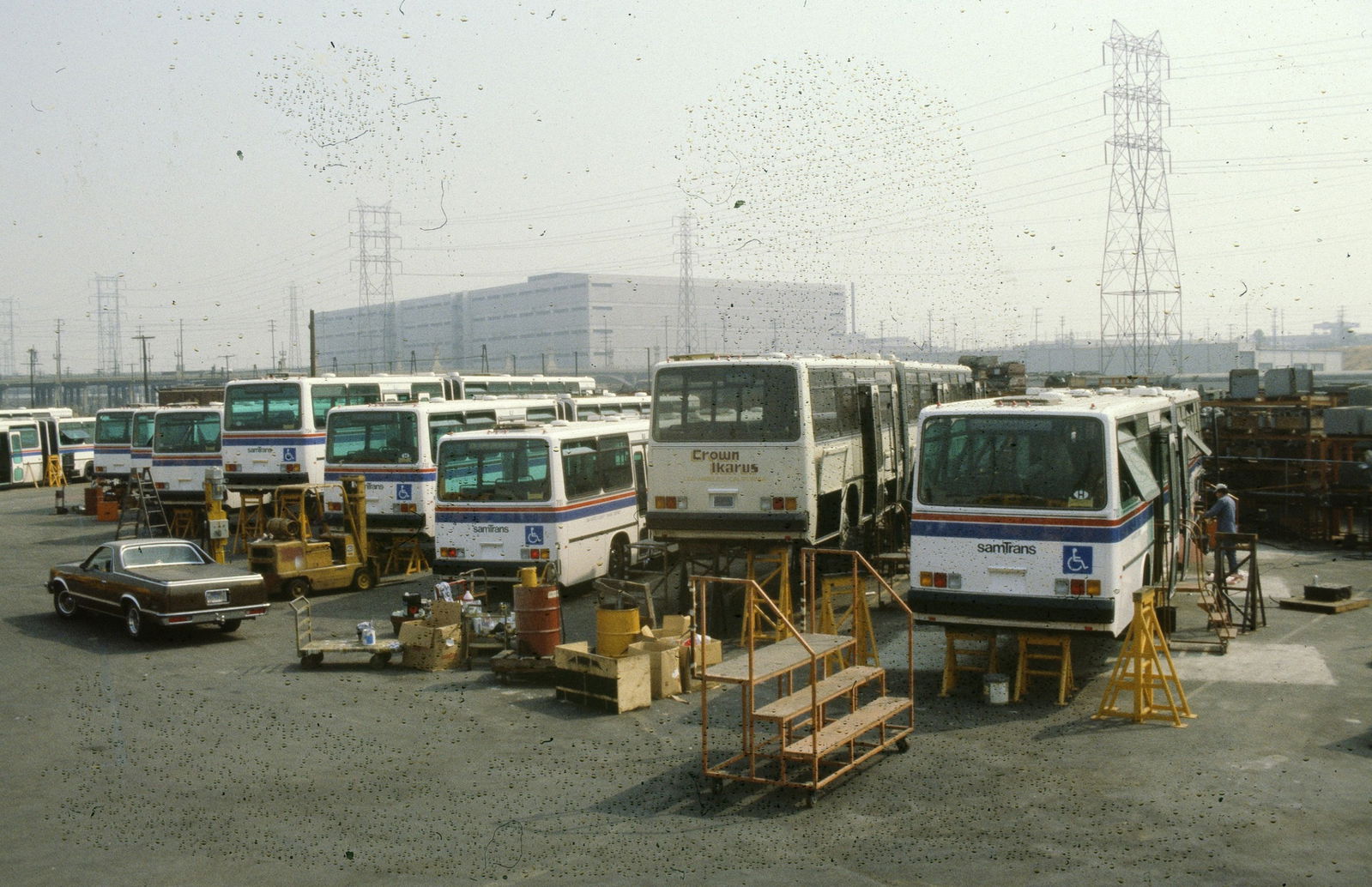
As American cooperation deepened, the proportion of local involvement in the production process also gradually increased. According to official data, the second and subsequent consignments arrived in the United States without windows, which were installed overseas during final assembly. The window openings were protected during transport by plywood panels. Passenger seats and certain customer-specific equipment were also absent, and these too were fitted locally. Final assembly of the Ikarus bodies delivered to the Crown Coach factory also posed a logistical challenge, as the vehicles’ nearly 18.2-metre length meant they could not physically fit into several of the production halls. Some of the work was therefore carried out outdoors, although the necessary technical infrastructure – such as lifting equipment, electrical connections, and water and compressed-air networks – was also available in the factory yard.
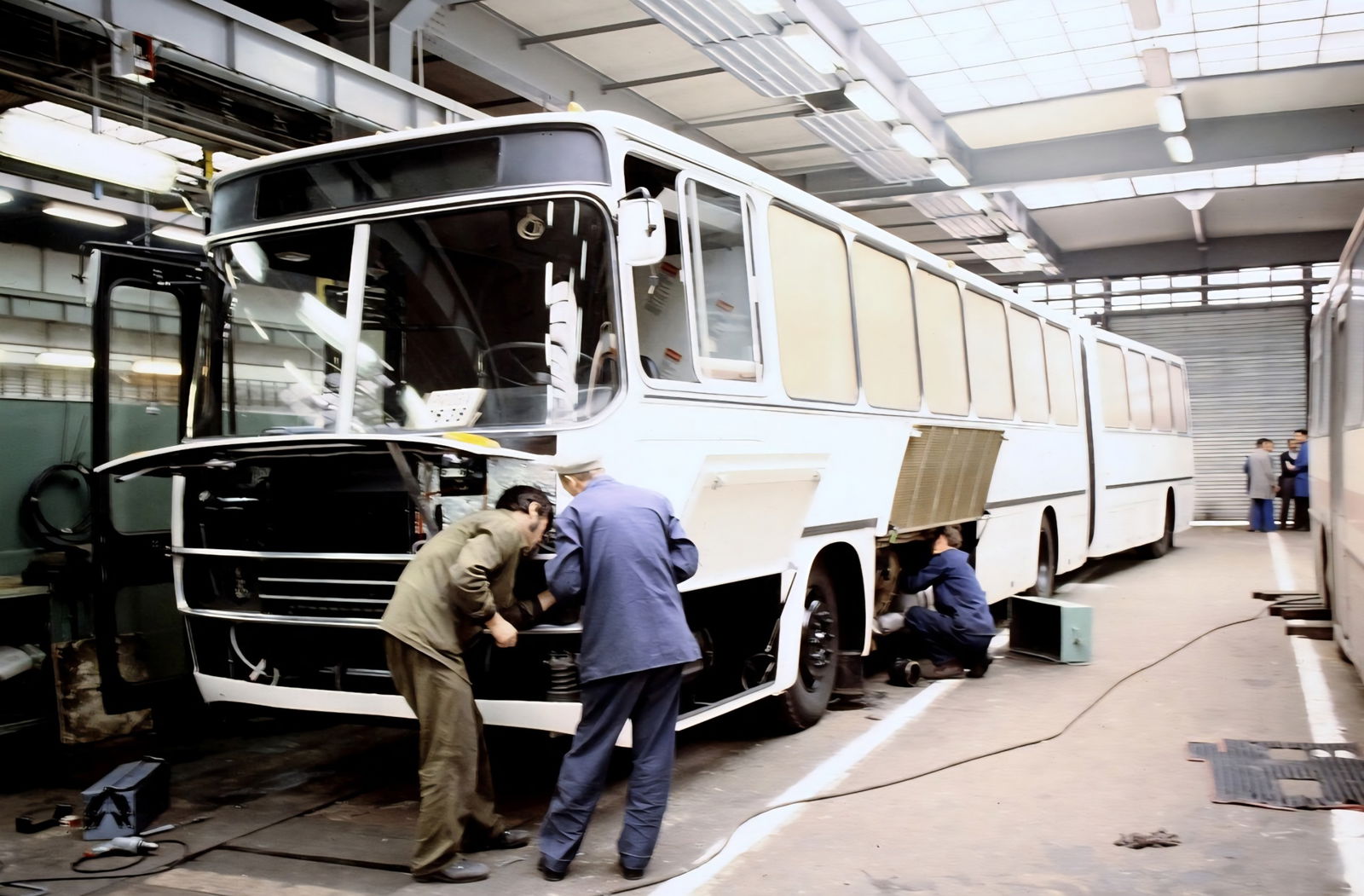
In the case of certain batches, the buses left Hungary virtually ready for service and were capable of travelling on public roads under their own power, but there were also series transported by trailer from American ports to Crown’s California facility. During the years of series production, the vehicles’ appearance changed slightly; for example, the louvres of the engine-cooling vent located on the right-hand side behind the front axle were modified.
The first batch, built for the Louisville order – a total of 15 Ikarus 286.00 vehicles – was still produced entirely in Hungary in 1980, at the Mátyásföld plant of the Special Production Unit. This decision was prompted by extremely tight delivery deadlines, as well as the American partner’s lack of experience and technical preparedness, which ruled out on-site assembly. While this expedient made it possible to meet the agreed deadlines, it significantly increased logistics and export costs, while further reinforcing the key role of the Mátyásföld special-production capacity in the successful execution of the project.
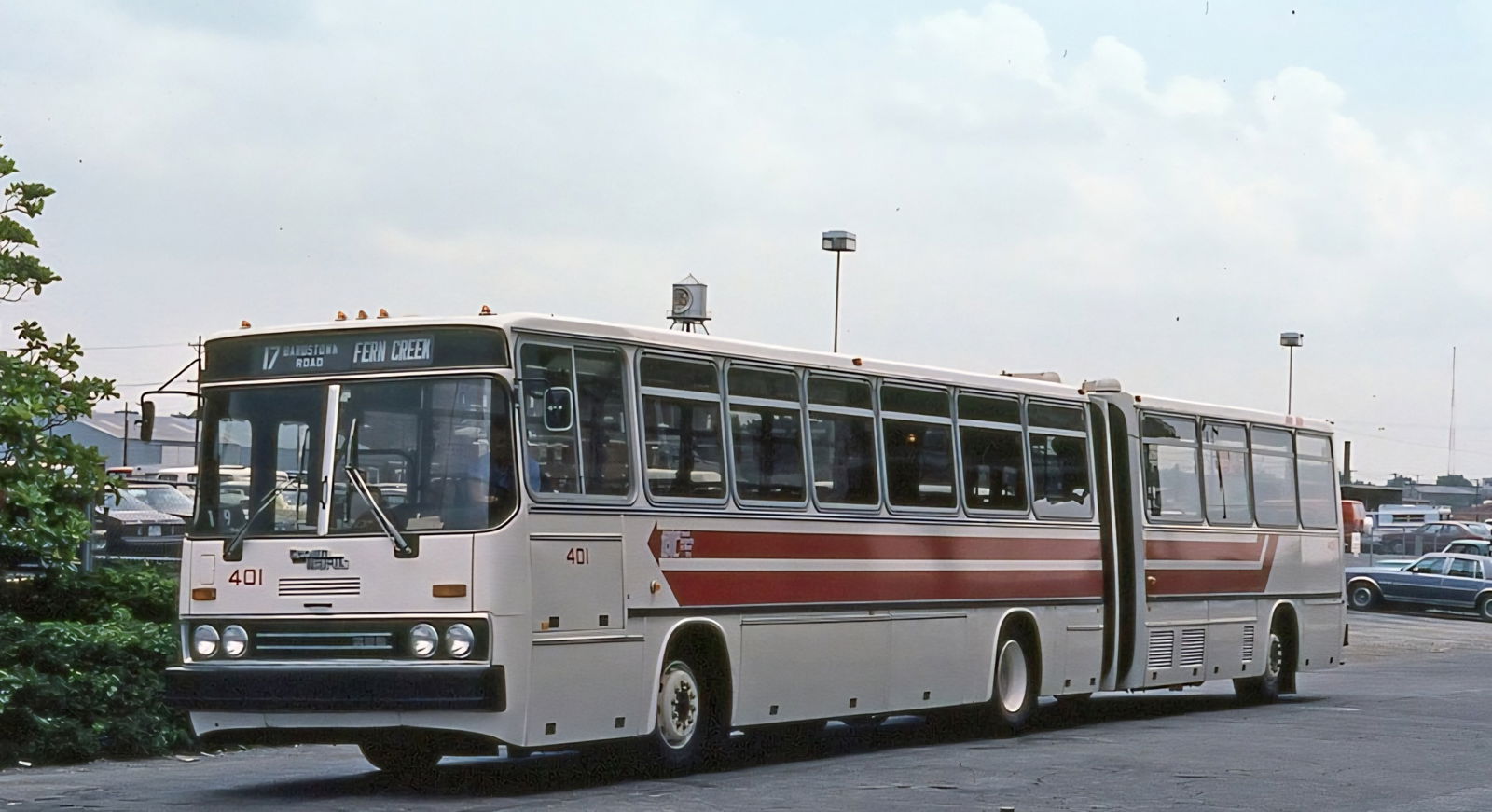
The buses were equipped with Cummins NHHTC-290 diesel engines and Allison HT-740D automatic transmissions, and were uniformly finished in white. The fact that the same power unit was fitted to Crown Supercoach school buses also played an important role in the selection of the drivetrain, saving development costs. The vehicles reached the United States fully fitted-out by ship, from where they were driven under their own power to the fleet of the ordering River City Transit Authority. Before entering service locally, they received the Kentucky transport operator’s official fleet livery, and then operated in Louisville until 1994. At that point, the fleet, still in good technical condition, was transferred for secondary use to Champaign, Illinois, where it remained in service for a further eight years, until being withdrawn in 2002.
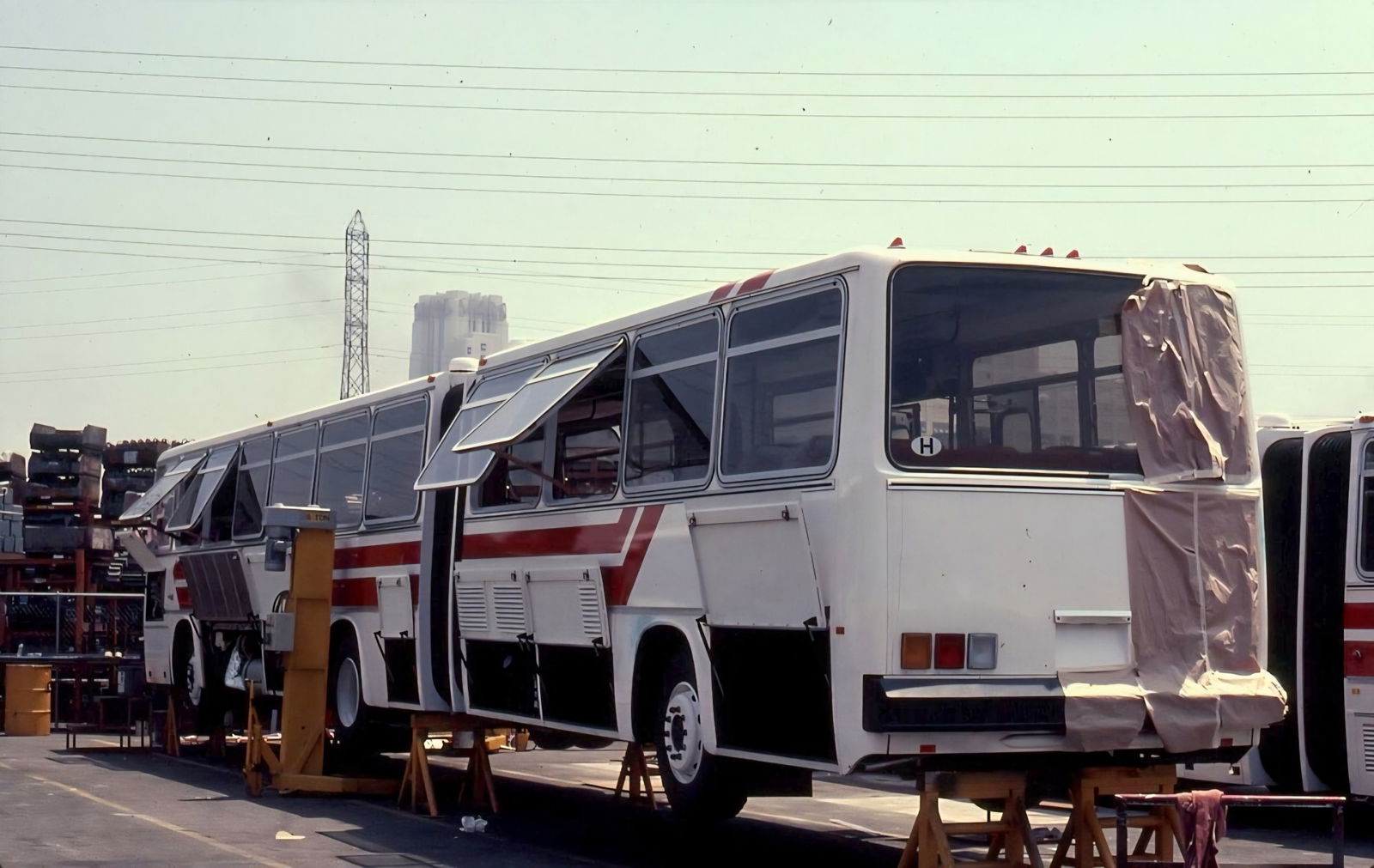
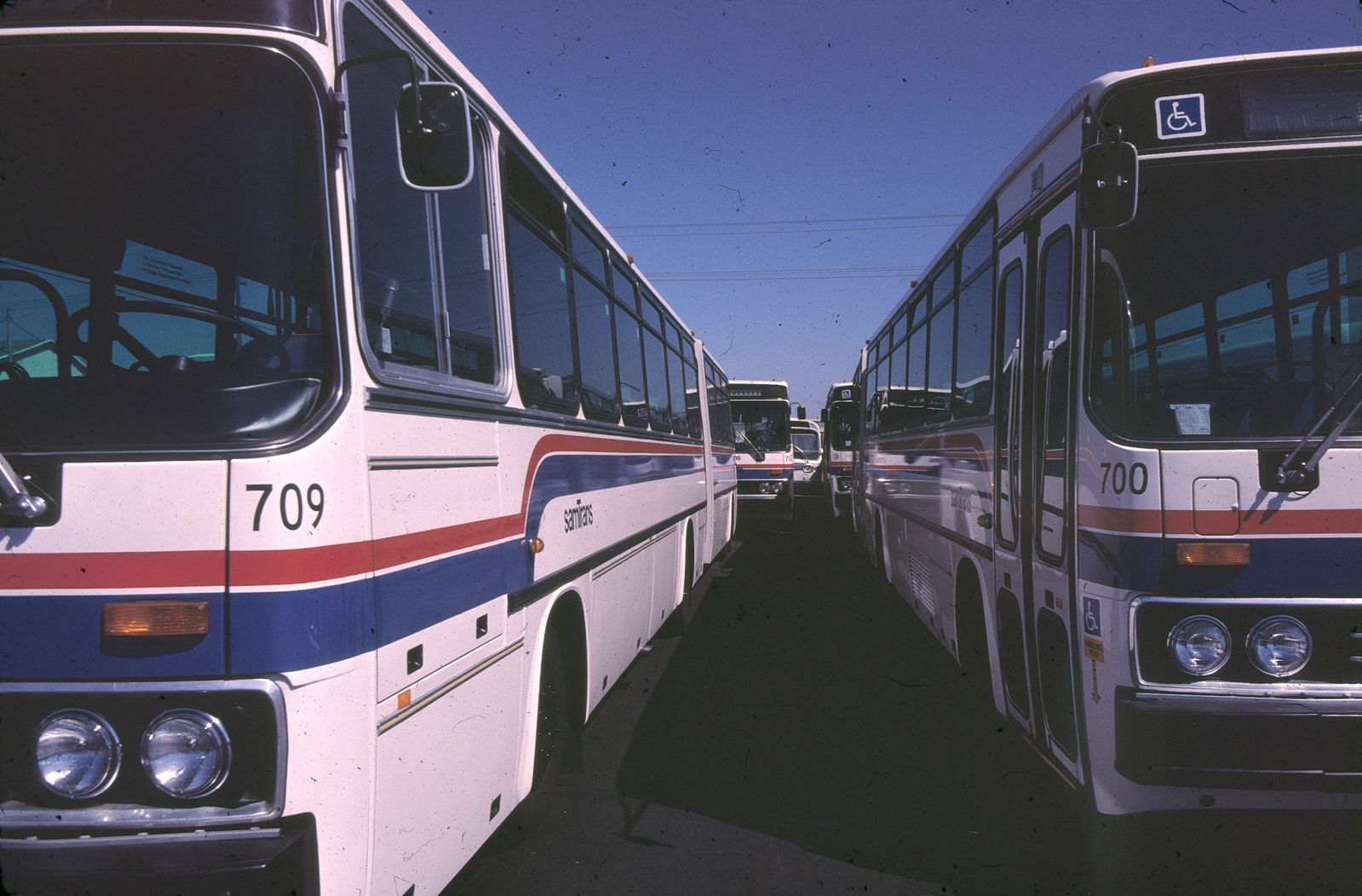
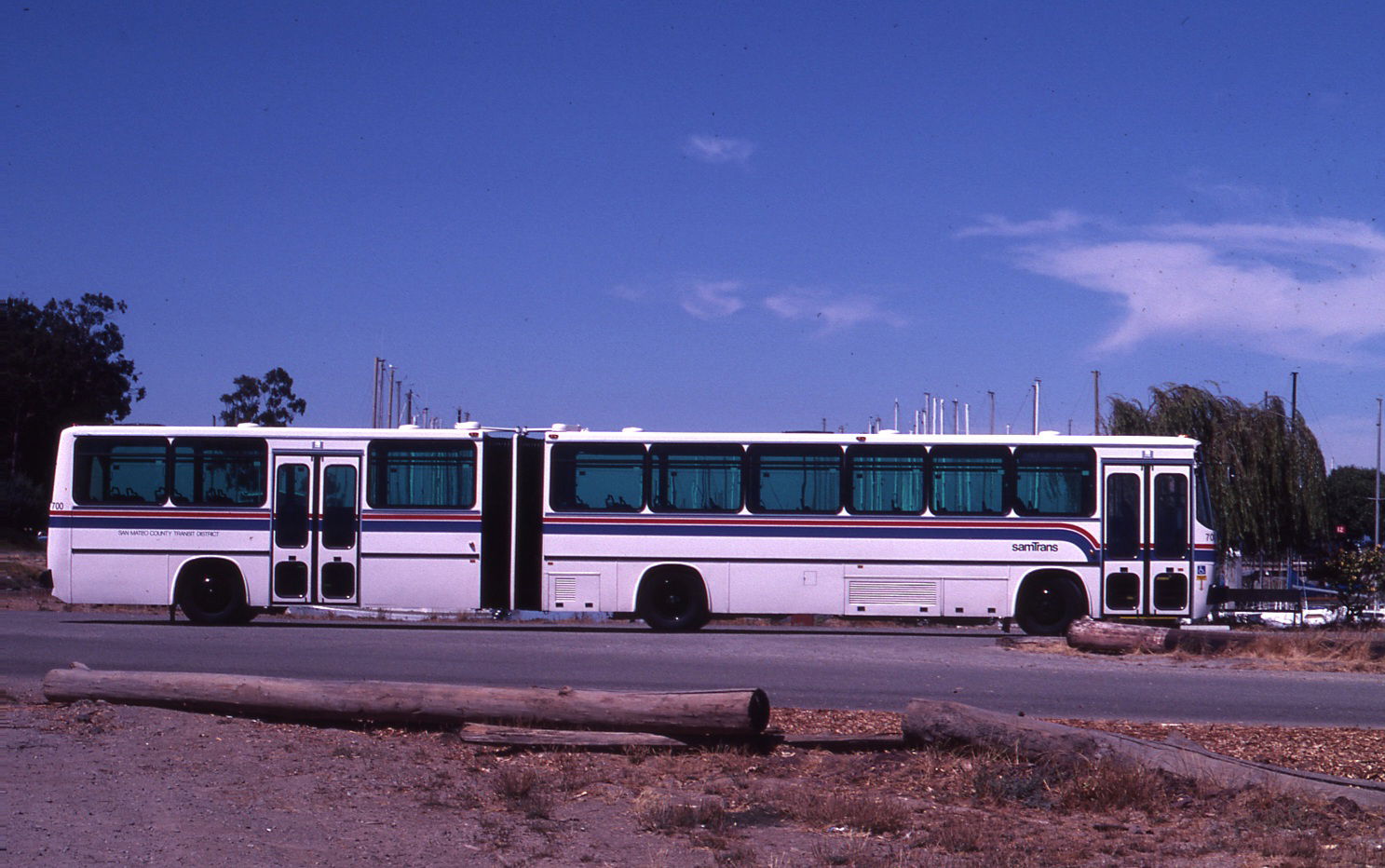
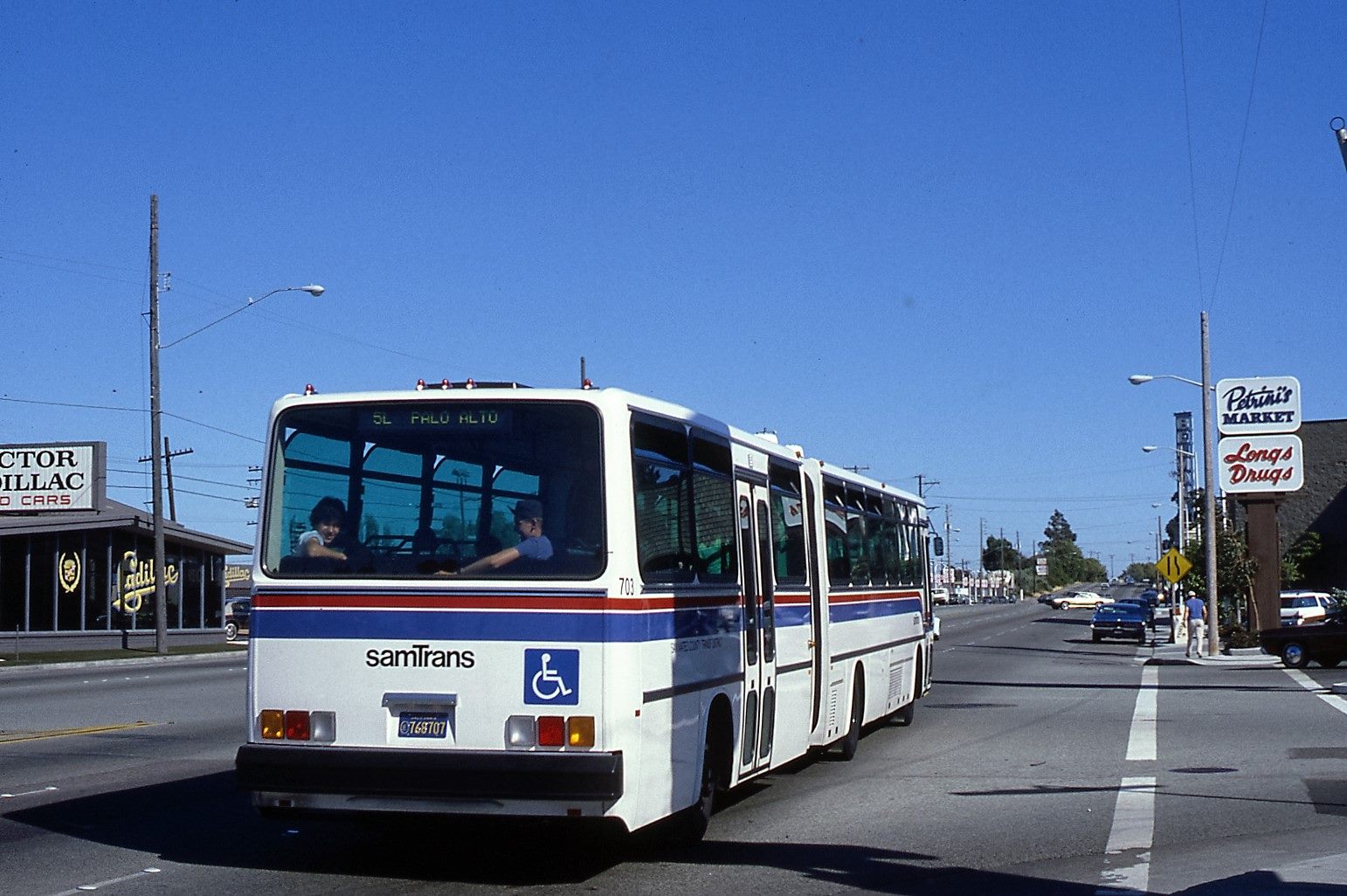
The San Mateo County Transit District (SamTrans) received the second batch of 10 vehicles, also built in 1980 but already belonging to the 286.02 subtype. Although the basic vehicles were built in Hungary, Crown Coach now took an active role in final assembly. The vehicles arrived in the United States in 1981, where additional equipment was installed and final adjustments made in accordance with operator requirements – including adjustment of the door system, installation of accessibility features and finalisation of certain interior elements. In technical terms, this version closely followed the basic type (286.00), but was fitted with the more powerful 350 hp Cummins NHHTCC-350 diesel engine and had no air-conditioning system.
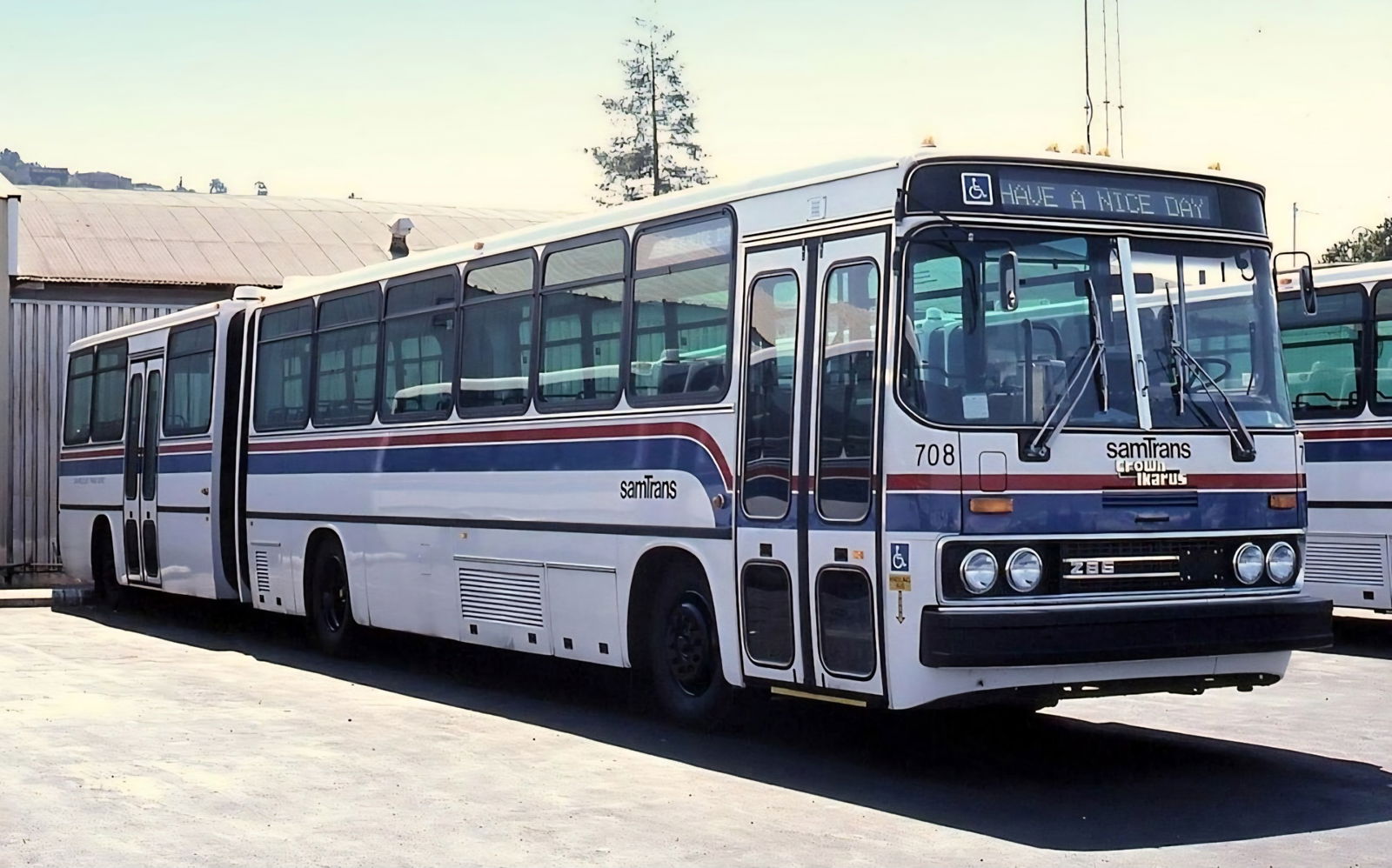
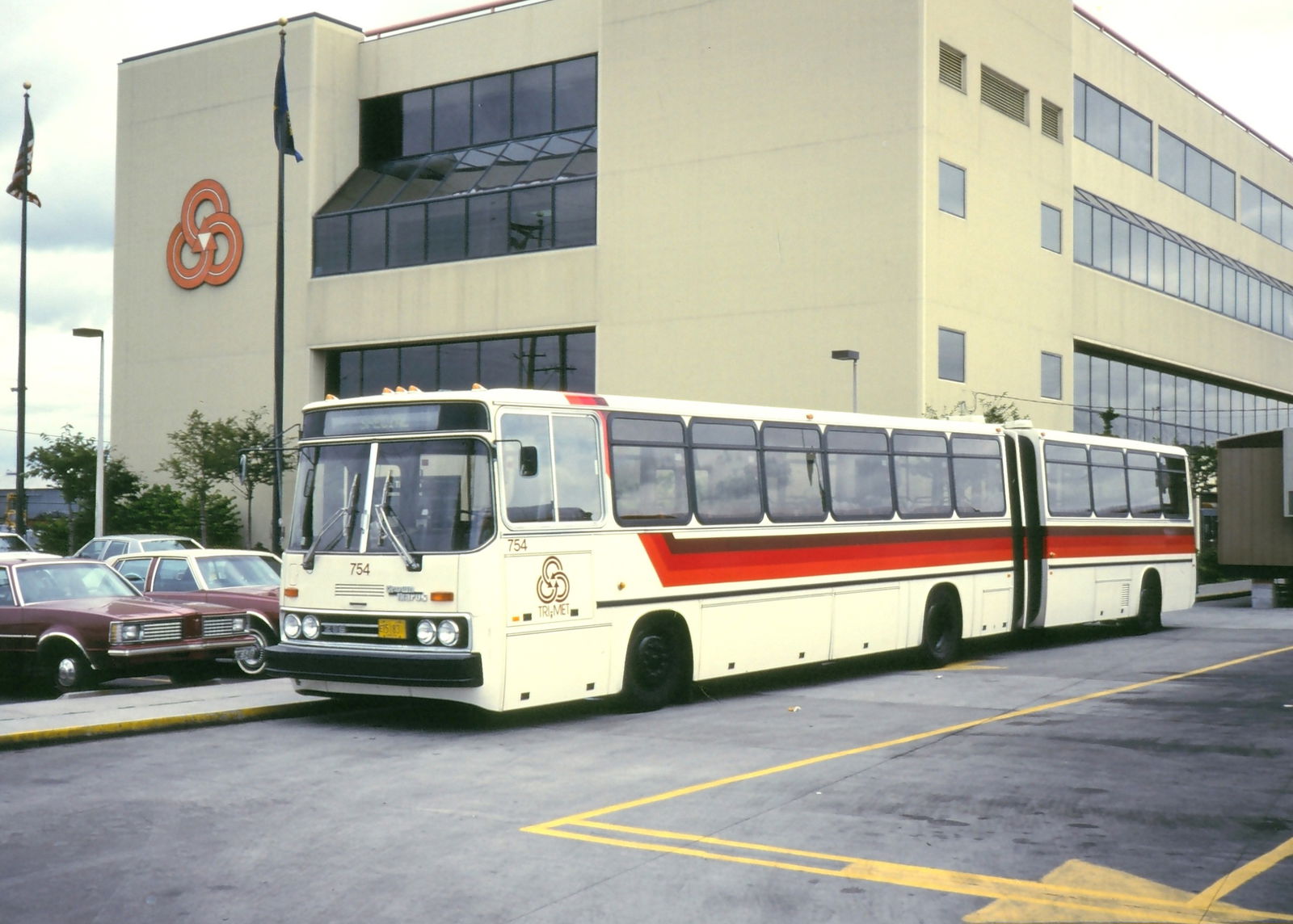
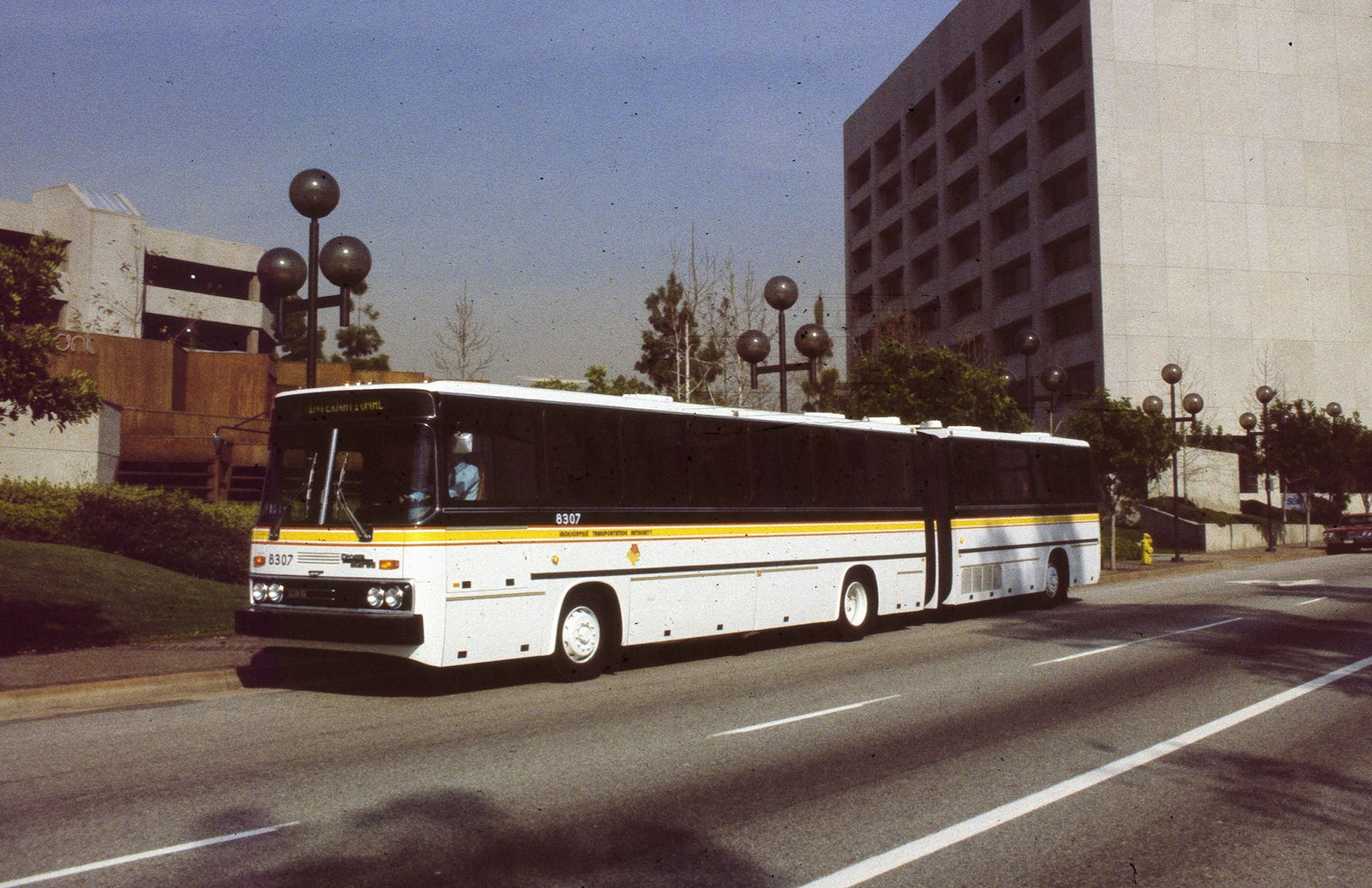
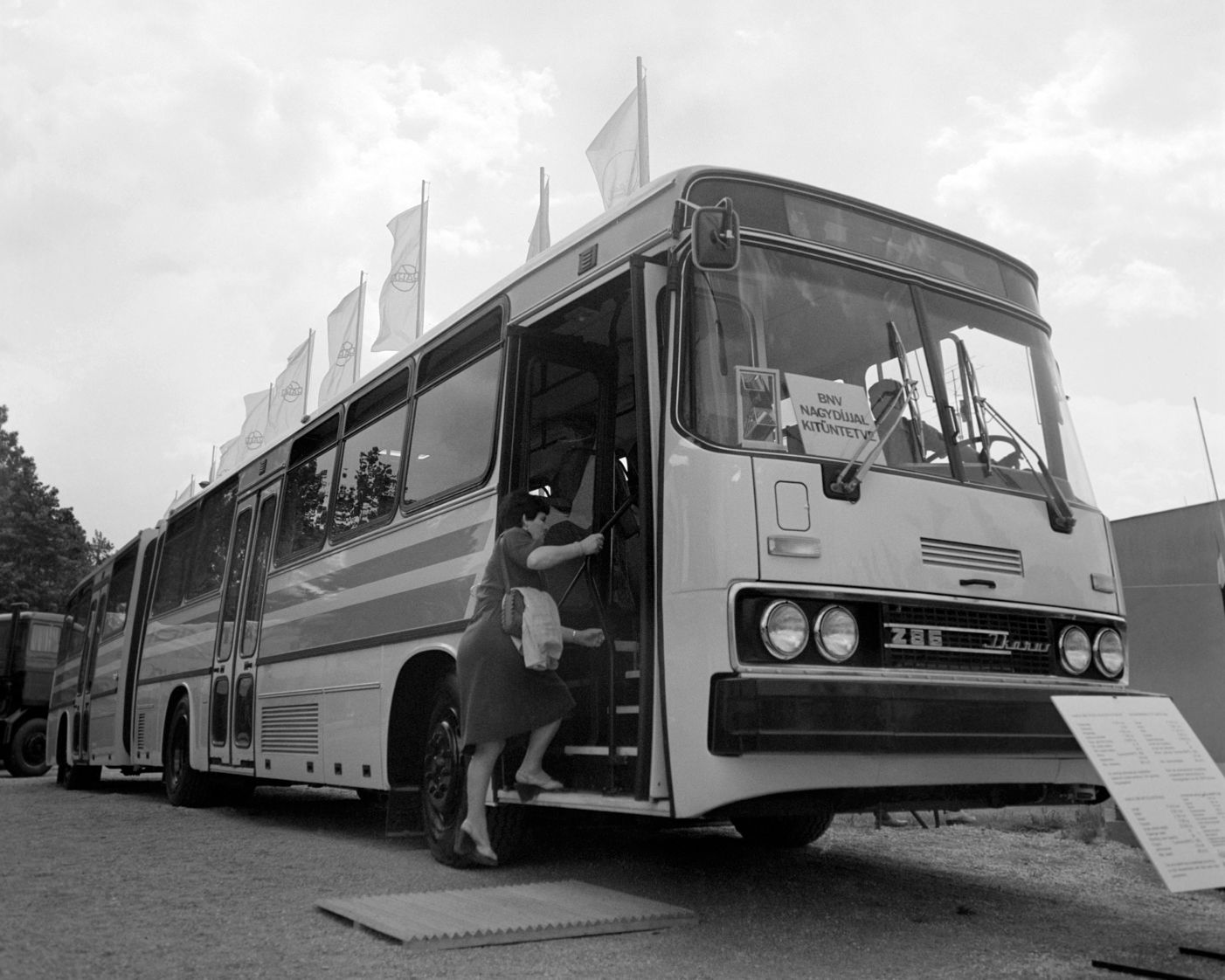
The largest batch of Ikarus 286s delivered to the United States was ordered by Portland’s Tri-Met transport company, mentioned earlier: a total of 87 examples of the 286.02 version. The vehicles were delivered during 1981–1982. Despite being the same subtype as the San Mateo vehicles, these buses were fitted with Cummins NHHTC-290 diesel engines and Allison HT-740 automatic transmissions. This was the only American-market version built with three doors; air-conditioning was not fitted in this case either. Interestingly, one example from this batch was also displayed at the 1981 spring Budapest International Fair (BNV), where it won the exhibition’s grand prize.
Several Portland vehicles were also fitted with wheelchair lifts, but these devices were removed in 1989. In one vehicle, the original power unit was later replaced with a Detroit Diesel 6L71TA two-stroke diesel engine. In the mid-1990s, the fleet was supplemented with external bicycle racks in response to changing passenger needs. The last vehicle in the fleet was withdrawn from service in March 1999, shortly after the opening of the Westside MAX light rail line, which significantly reduced the role of articulated buses in the city’s public transport.
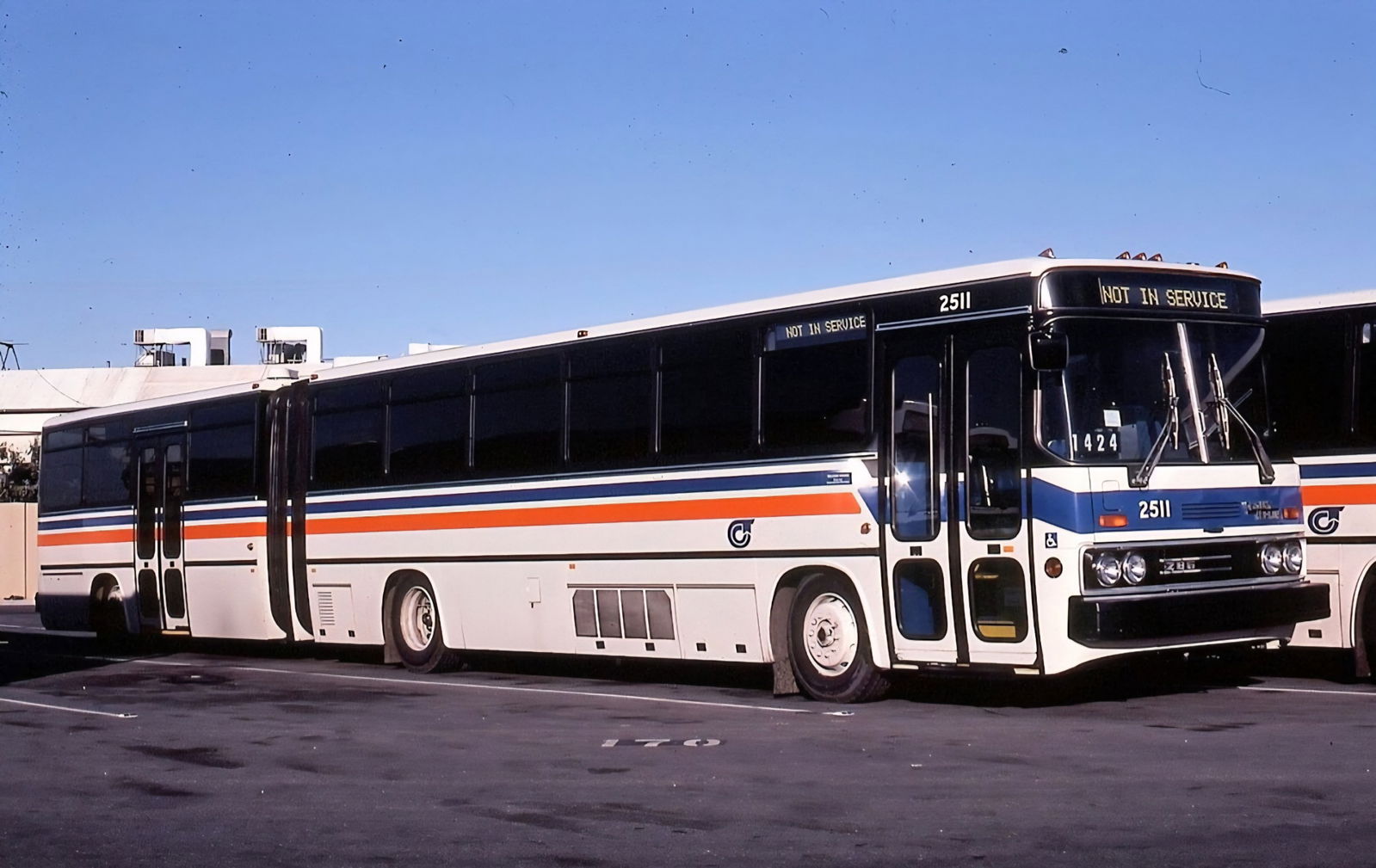
A batch of 15 examples of the Ikarus 286.03 version was produced in 1983 and finalised in the United States in the same year. The type’s drivetrain comprised a 300 hp Cummins NHHTC-300 diesel engine and an Allison HT-740 automatic hydromechanical transmission. In terms of design and equipment, this version was also close to the Ikarus 286.00 basic variant, but both passenger doors were of the plug-door type, and these buses were already air-conditioned. Another special feature was that this was the only batch in which the wheelchair lift incorporated into the front door could be controlled not only from the driver’s cab but also externally. In addition, this was the only design in which the lifting system was combined with plug doors, requiring significant redesign work by Ikarus with regard to the lift mechanism and door-leaf design. The vehicles’ original operator was the Santa Clara County Transit District (SCCTD), operating in the San José and Santa Clara area. In 1988, the transport operator – for unknown reasons – discontinued the use of articulated buses and sold all of its Ikarus vehicles, along with its articulated MAN buses, to the Alameda-Contra Costa Transit District (AC Transit).
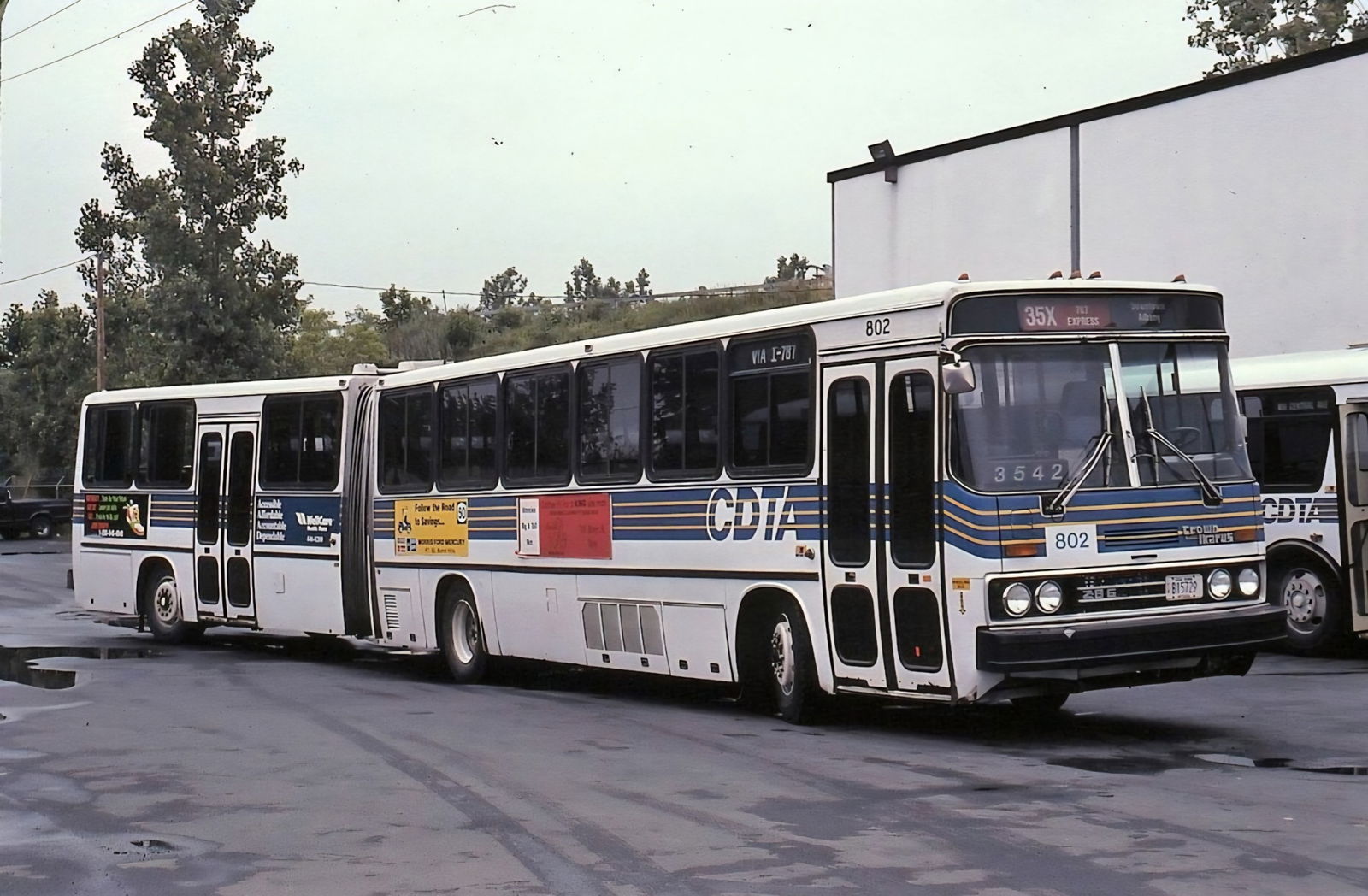
The 286.06 batch was built for Albany, New York, in 1983, comprised eight buses, and was completed in the United States in 1984. A special feature of the vehicles was that all side windows were designed identically to the driver’s cab window, meaning that they were sliding rather than top-hinged. This subtype also received Cummins NHHTC-300 diesel engines and Allison HT-740 hydromechanical automatic transmissions. It had neither wheelchair lifts nor air-conditioning, and was operated by the Capital District Transportation Authority (CDTA). The buses entered service in April 1984 and operated until 1999.
The 10-vehicle 286.07 batch was built in Hungary in 1983, with final assembly taking place in the United States in 1984. This series was likewise fitted with Cummins NHHTC-300 engines and Allison HT-740 automatic transmissions. Their design was close to that of the 286.03 variant, but they had no wheelchair lifts. These were Florida’s first articulated buses, operated by the Jacksonville Transportation Authority (JTA) – interestingly, the transport operator had neither previously nor subsequently operated articulated buses. Jacksonville’s 286s remained in service until 2001, when they were replaced by Nova Bus RTS-06 single-deck buses.
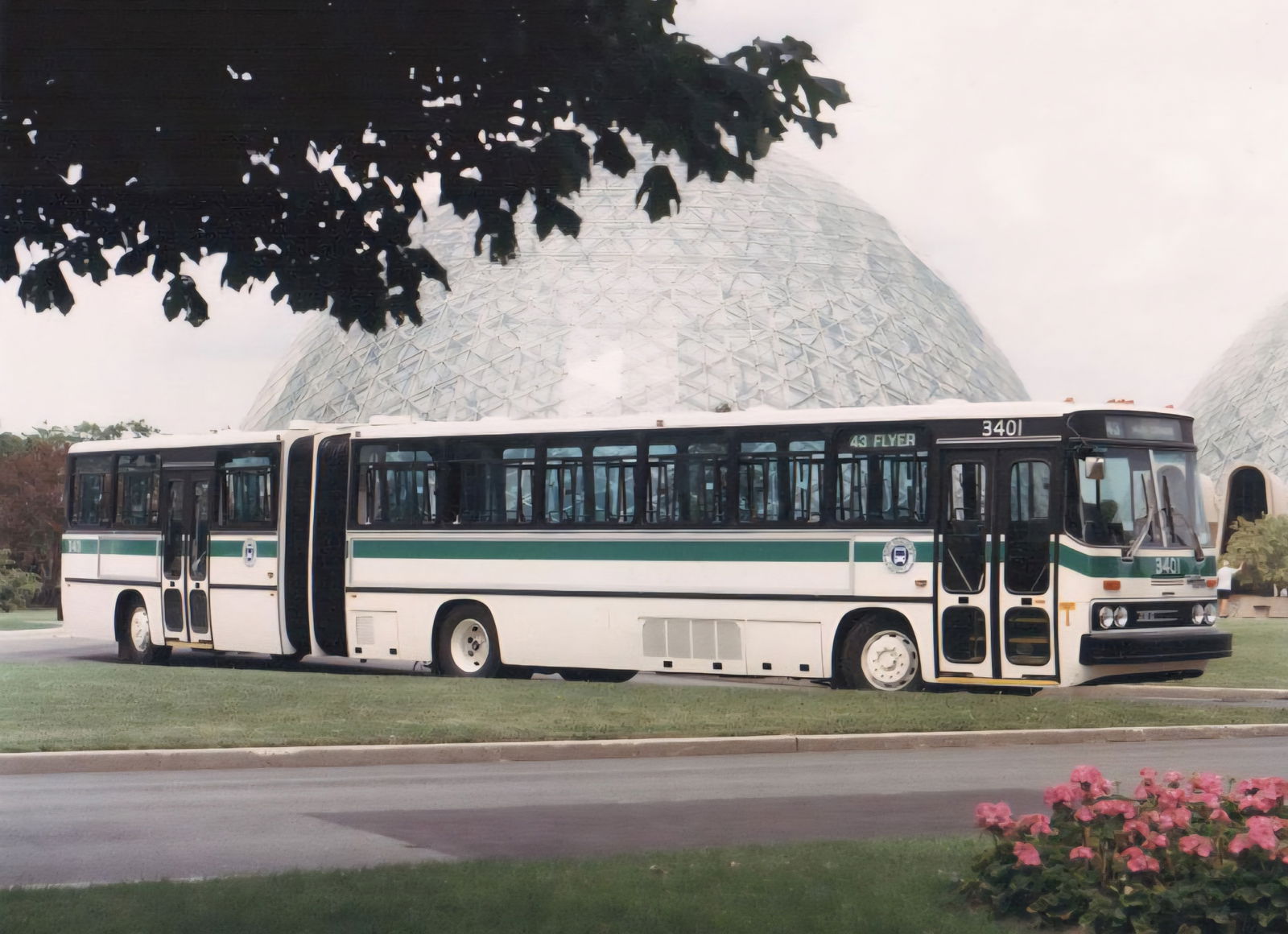
The 286.04 version was built by Ikarus for Milwaukee, Wisconsin, in 1984. The order was originally for 40 examples, but two vehicles were damaged during transport, so 42 examples of this subtype were ultimately built. The vehicles were completed at Crown in 1985, with Cummins NHHTC-300 diesel engines and Voith D864.2 automatic transmissions. They were not equipped with wheelchair lifts or air-conditioning. The design of the windows and the driver’s cab glazing was modified, and this solution was also adopted by later batches. The passenger seating layout resembled that of the later Canadian Ikarus 286s. These buses were operated by the Milwaukee County Transit System and withdrawn from service in 2000.
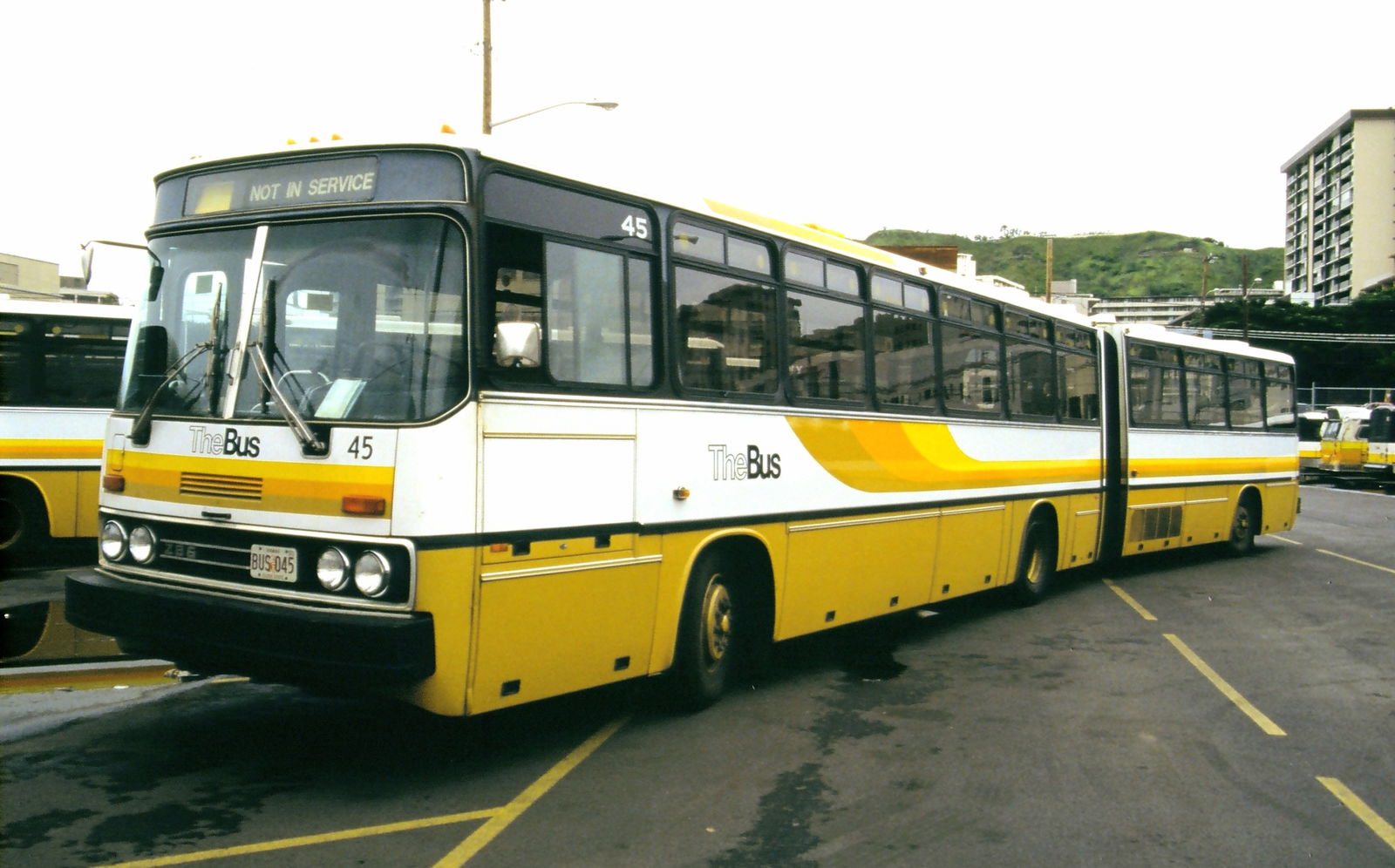
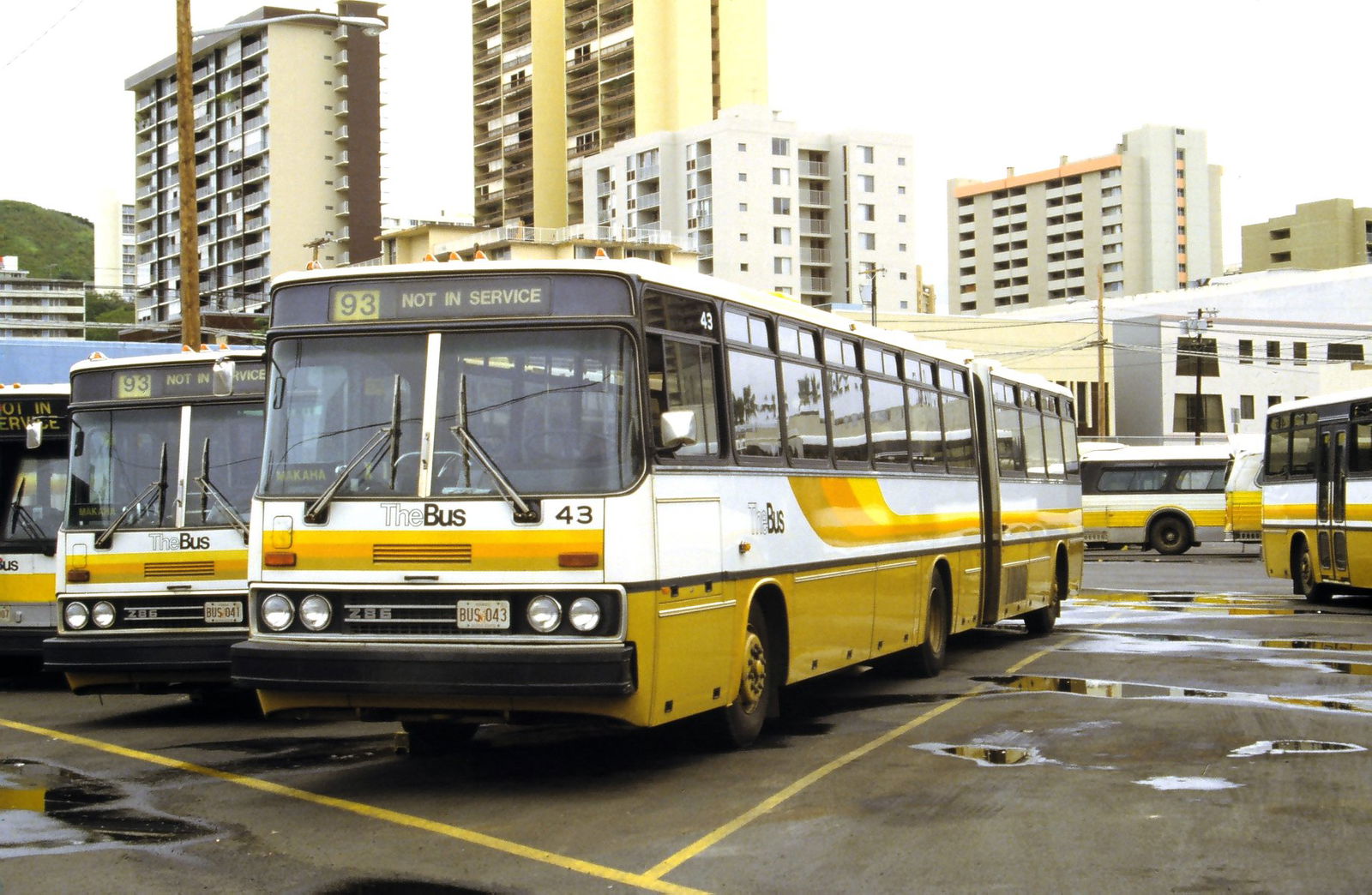
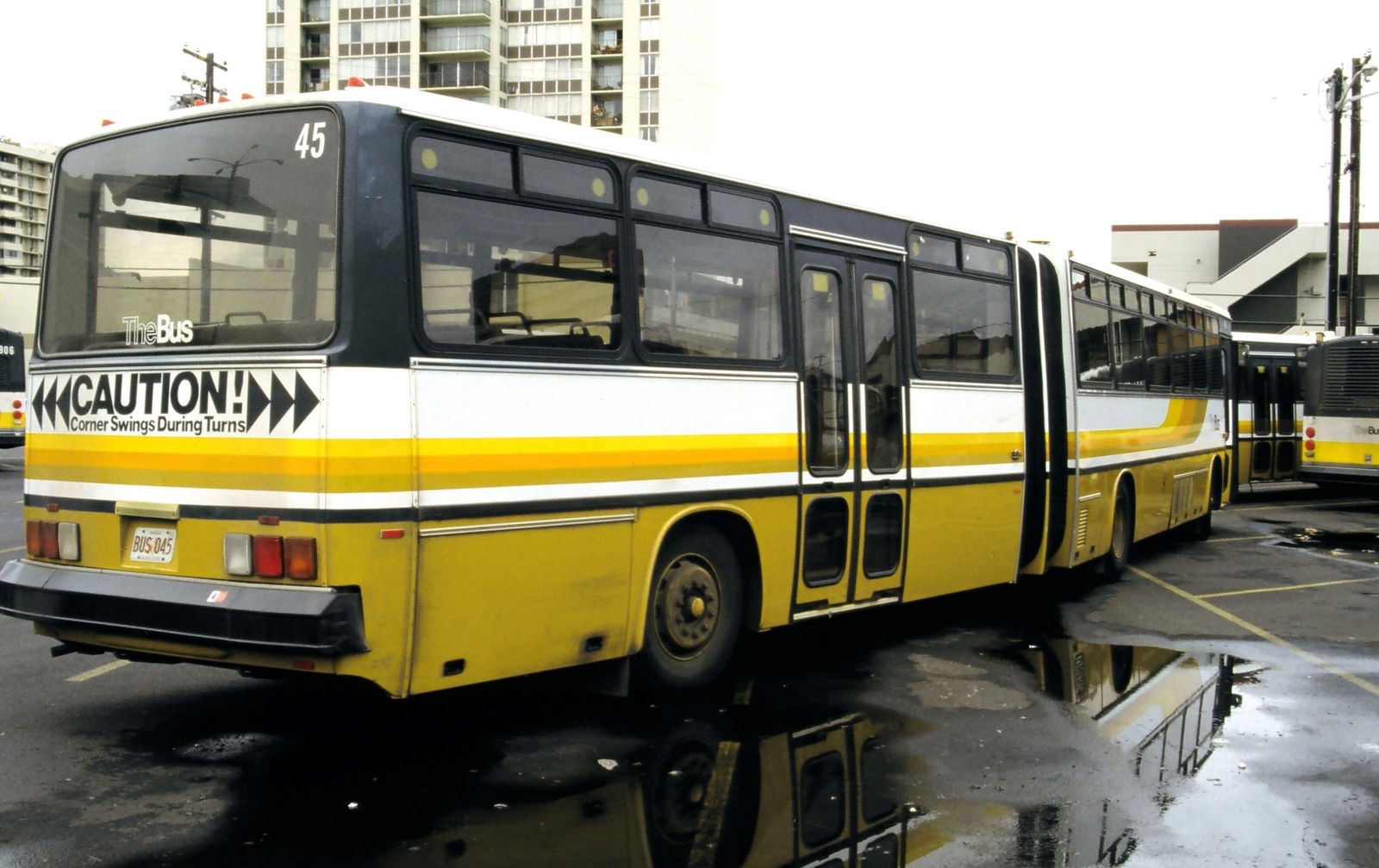
The Ikarus 286.05 subtype was built in 1984 for Honolulu’s TheBus. This small batch of just eight vehicles was probably assembled entirely in Hungary and delivered directly to Hawaii, as there is no written record of final assembly in the United States. The buses were built with Cummins NHHTC-300 engines and Voith D864.2 automatic transmissions. They did not have wheelchair lifts, but were air-conditioned. The seat design was identical to that of the Milwaukee version. The vehicles were withdrawn in 1998 and replaced by Gillig Phantom buses.
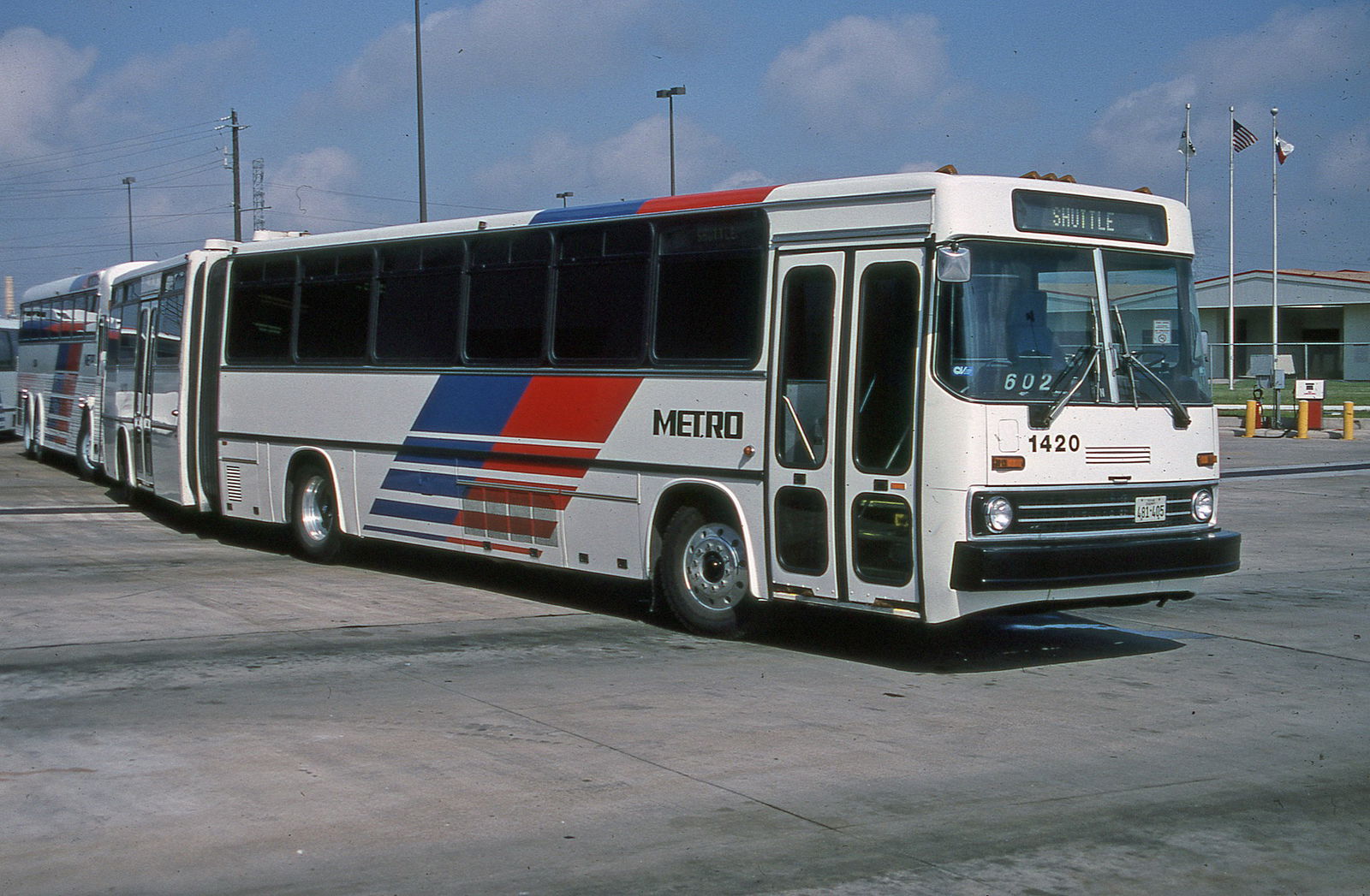
The Houston-bound Ikarus 286.08 version represented the type’s final consignment to the United States. This 50-vehicle batch was built in Hungary in 1984, with final assembly completed in 1985, but already at the Union City Body Company (UCBC) plant in Indiana. By the mid-1980s, Ikarus had been forced to seek a new partner in the United States due to Crown Coach’s increasingly serious financial difficulties – caused mainly by the obsolescence of the company’s own product range and declining school-bus sales. It is presumed that, for this reason, these buses did not carry the Crown-Ikarus badge either, despite being recorded as “Crown-Ikarus” in the same way as the subtypes listed above.
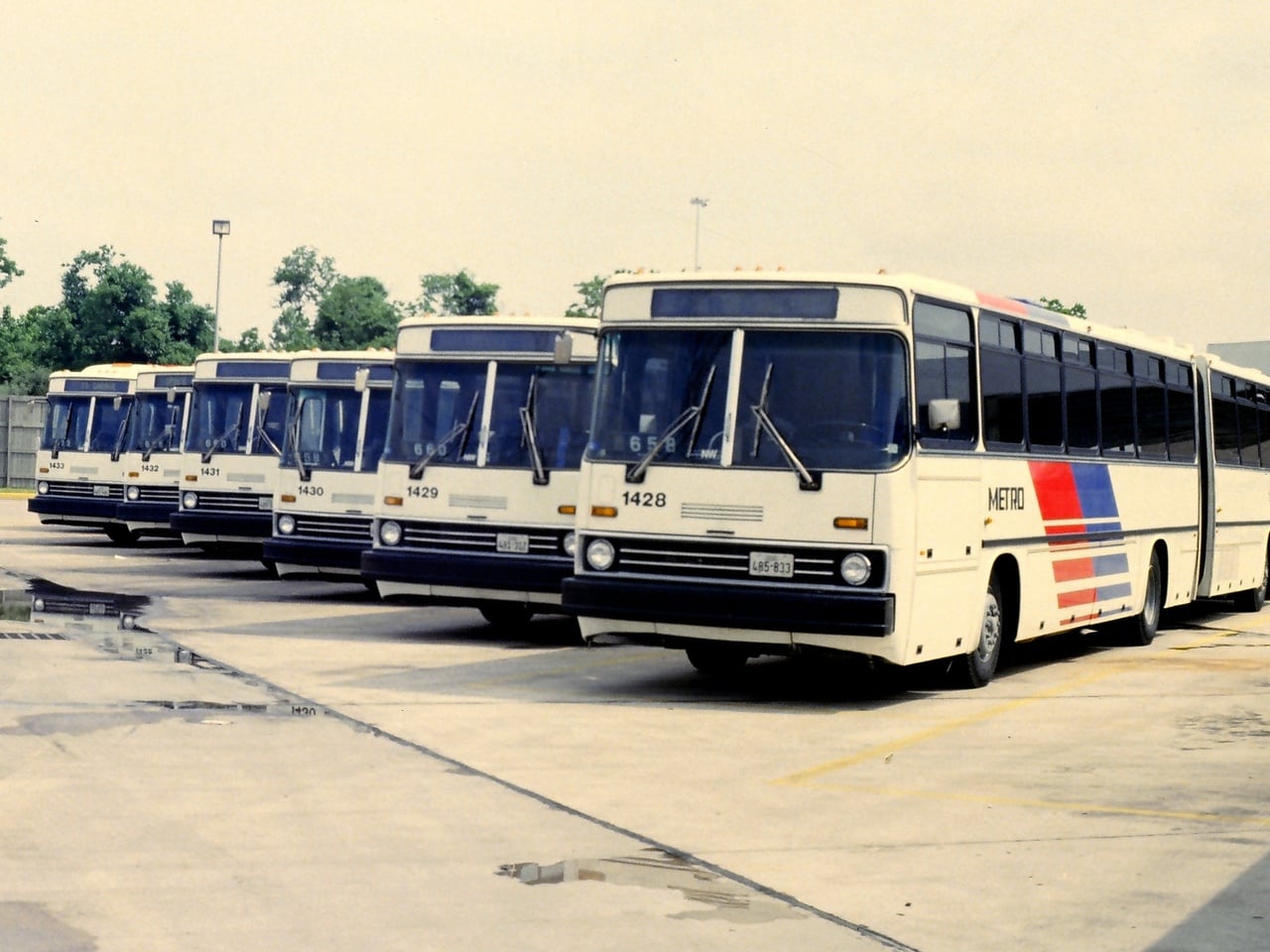
Another interesting detail is that the Houston vehicles, with a slightly different front end from the earlier ones, used single headlamps instead of twin units, while the front destination display had a white background. The Houston METRO (Metropolitan Transit Authority of Harris County)-operated buses were powered by Cummins NHHTC-300 diesel engines, paired with Allison HT-740 automatic transmissions in 45 vehicles and Voith D864.2 automatic transmissions in the remaining five. The latter also differed in terms of passenger compartment layout, having 61 suburban passenger seats, compared with the 70-seat urban configuration of the other members of the batch. The vehicles were withdrawn from service in 1997.
Later history
According to final-assembly records, 243 Ikarus 286s entered service in the United States. However, if the second prototype (K2) and the two vehicles damaged during transport and subsequently scrapped are also taken into account, a total of 246 Ikarus 286s reached the American market. Most of the buses produced remained in service in various US cities until the end of the 1990s or the early 2000s.
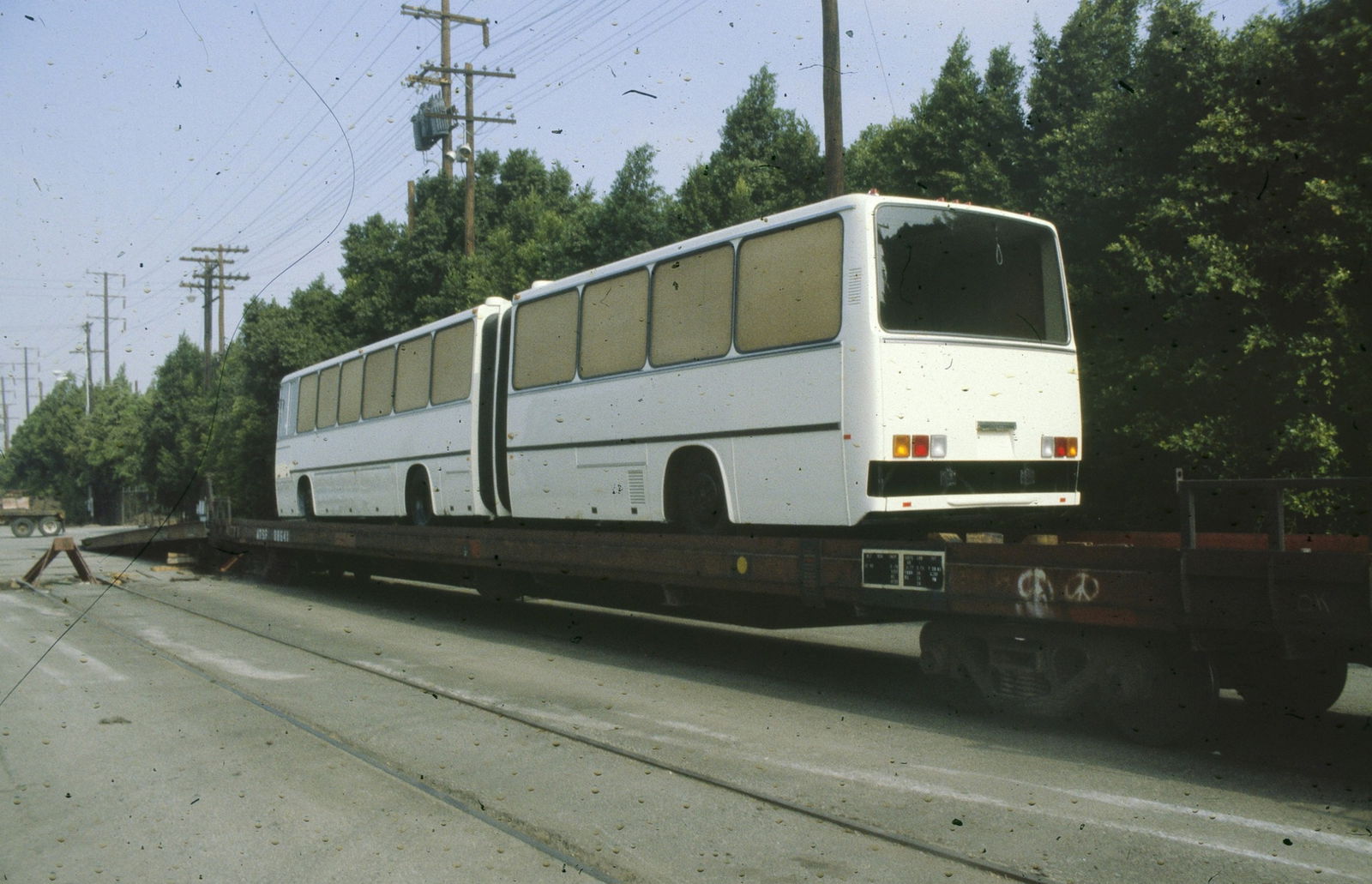
Overseas transport of Ikarus buses always required thorough preparation and particular care. No accidents ever occurred during rail dispatch from the factory, but the sea route involved considerably greater risks – especially during loading operations and ocean freight transport. At this stage, responsibility rested with the logistics staff at ports in Germany (Bremenhaven, Hamburg) or Italy (Trieste).
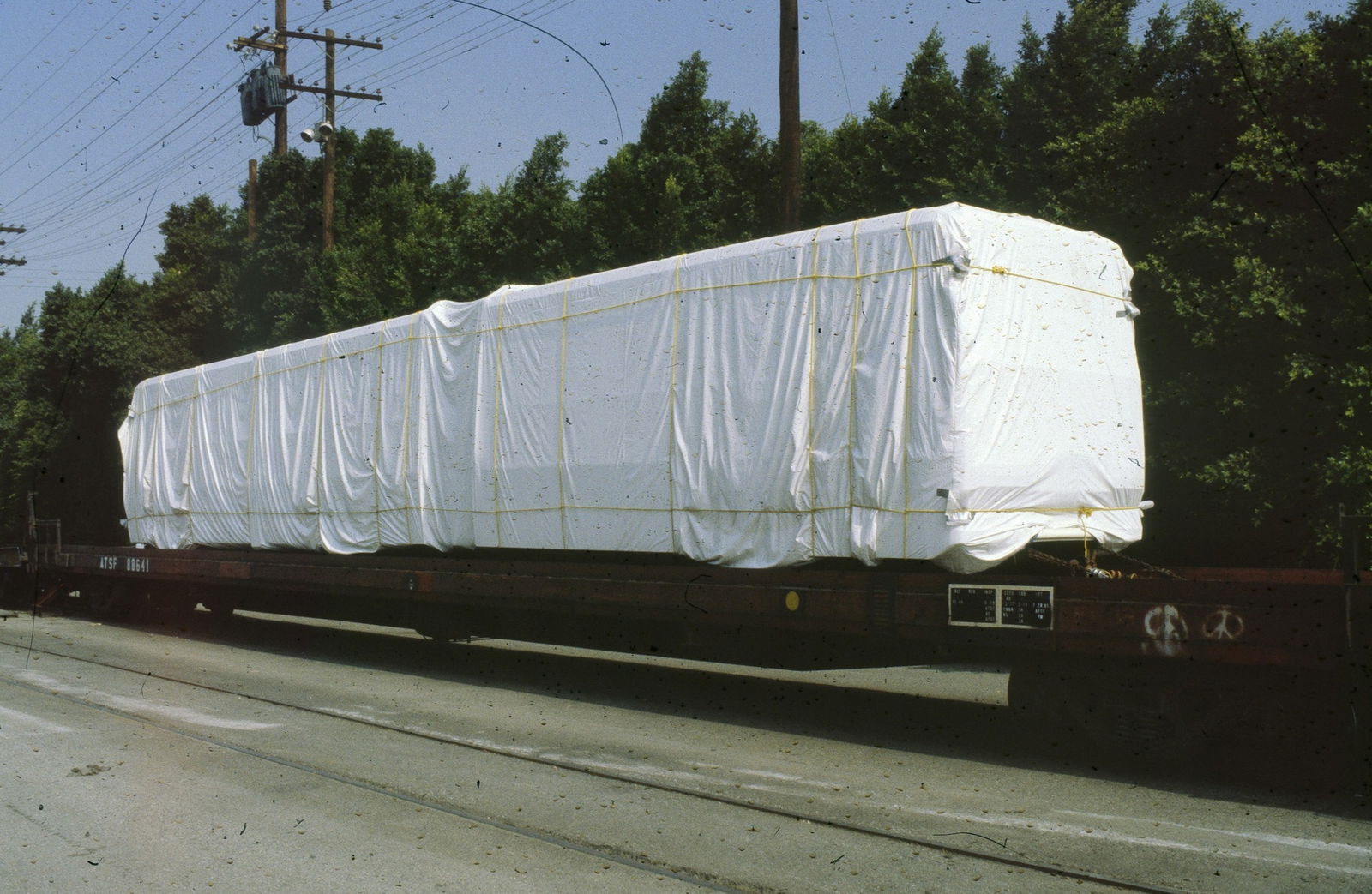
A 1984 consignment dealt the programme a severe blow: the fleet of 40 vehicles built for Milwaukee departed from Bremenhaven for the United States but encountered a storm in the Atlantic. Two buses in the ship’s below-deck cargo hold had not been secured properly, causing them to collide with each other in the heavy seas and sustain damage so extensive that repairs were impossible. The two vehicles were used as a source of spare parts, their value was reimbursed by the insurer, and Ikarus supplied the customer with two new buses as replacements.
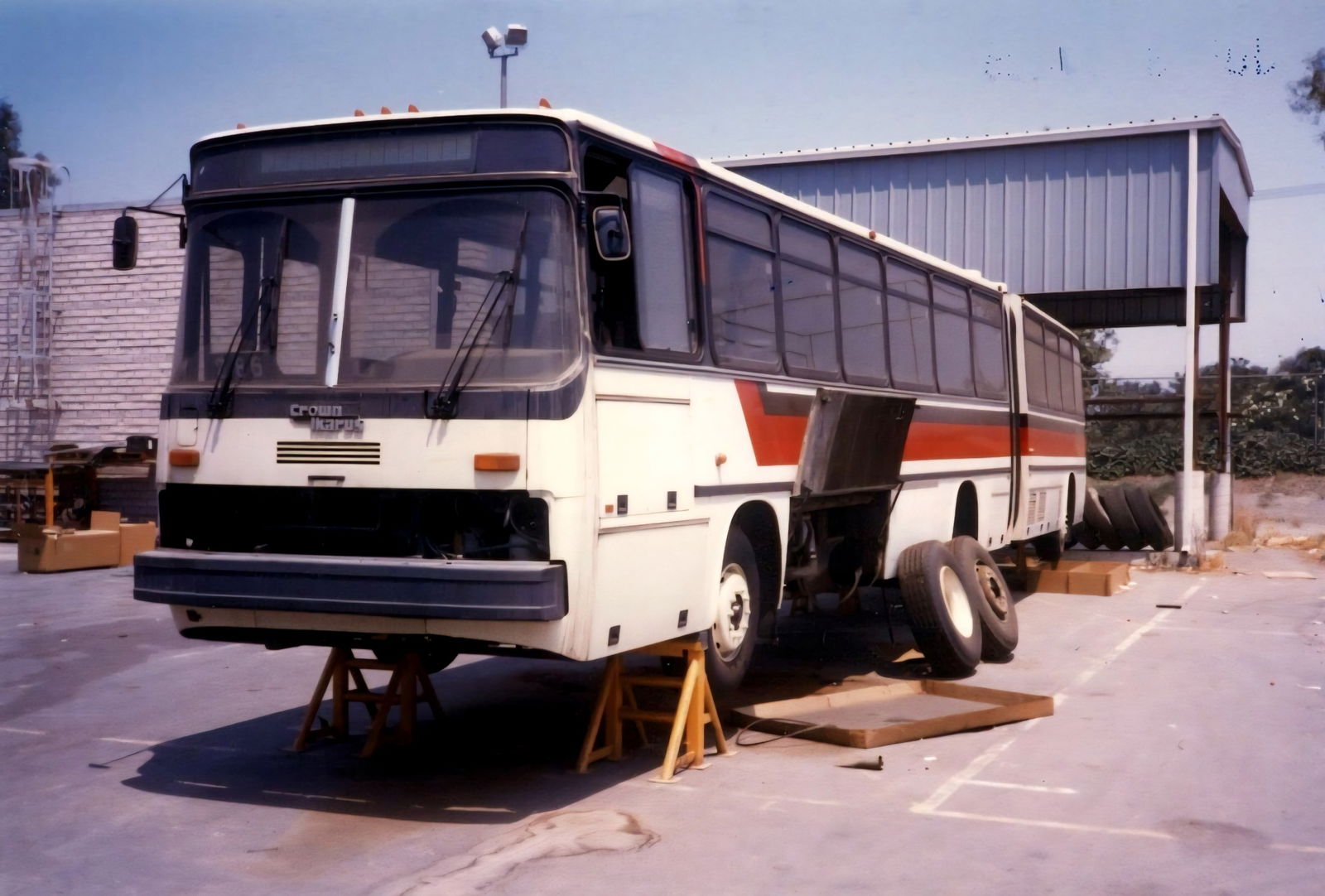
The K2 prototype, finished in the livery of Portland operator Tri-Met, met a similar fate. The vehicle took part in several demonstrations, including one at the depot of New York’s QTC (Queens Transit Corporation) on 23 November 1981, but despite the trial operation, no order was ultimately placed there. As mentioned earlier, the demonstrator bus, which also visited Canada, eventually ended up in Milwaukee, where it served as a donor vehicle to support the maintenance of the other buses.
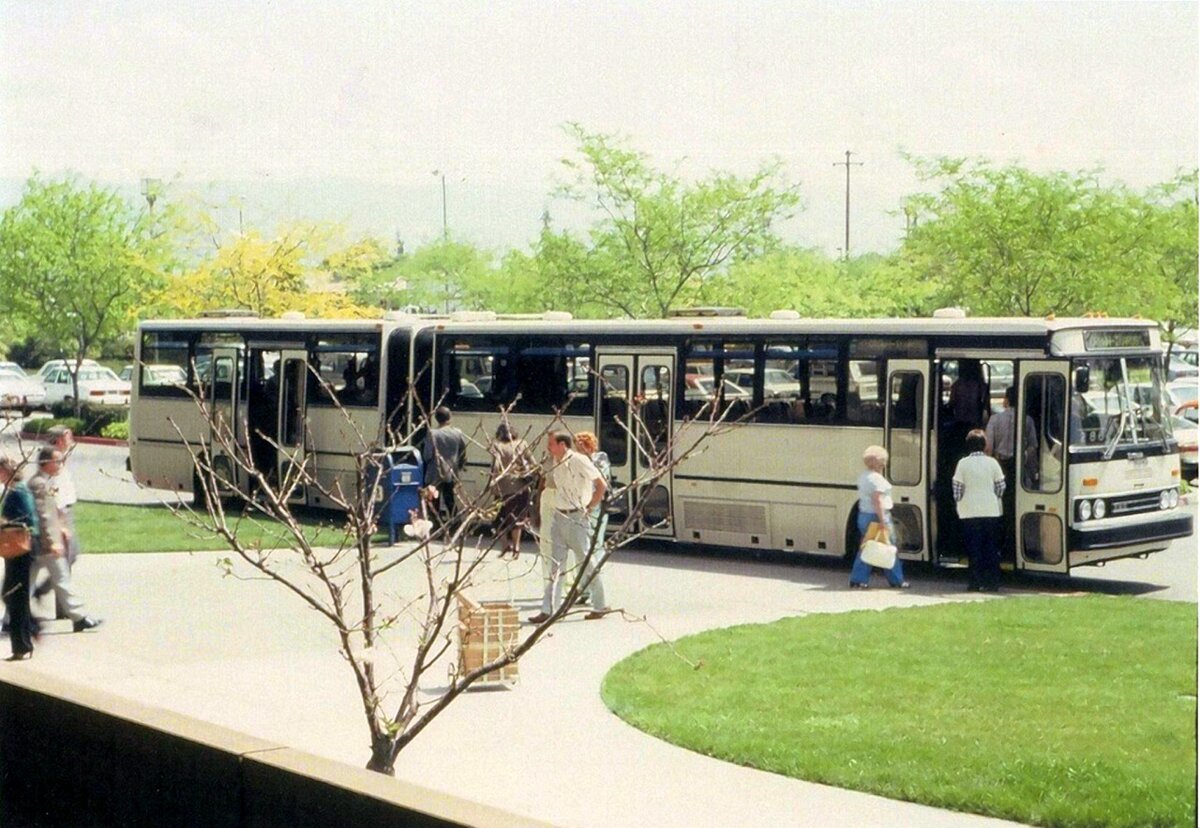
Operation of the Ikarus 286s in the United States did not run smoothly everywhere. Operational experience showed that faults occurred in several cases, but these were typically attributable not to the Hungarian-made components, but primarily to the major assemblies finally fitted by Crown Coach; indeed, recollections suggest that the driving style of American bus drivers also played a role in the emergence of certain problems.
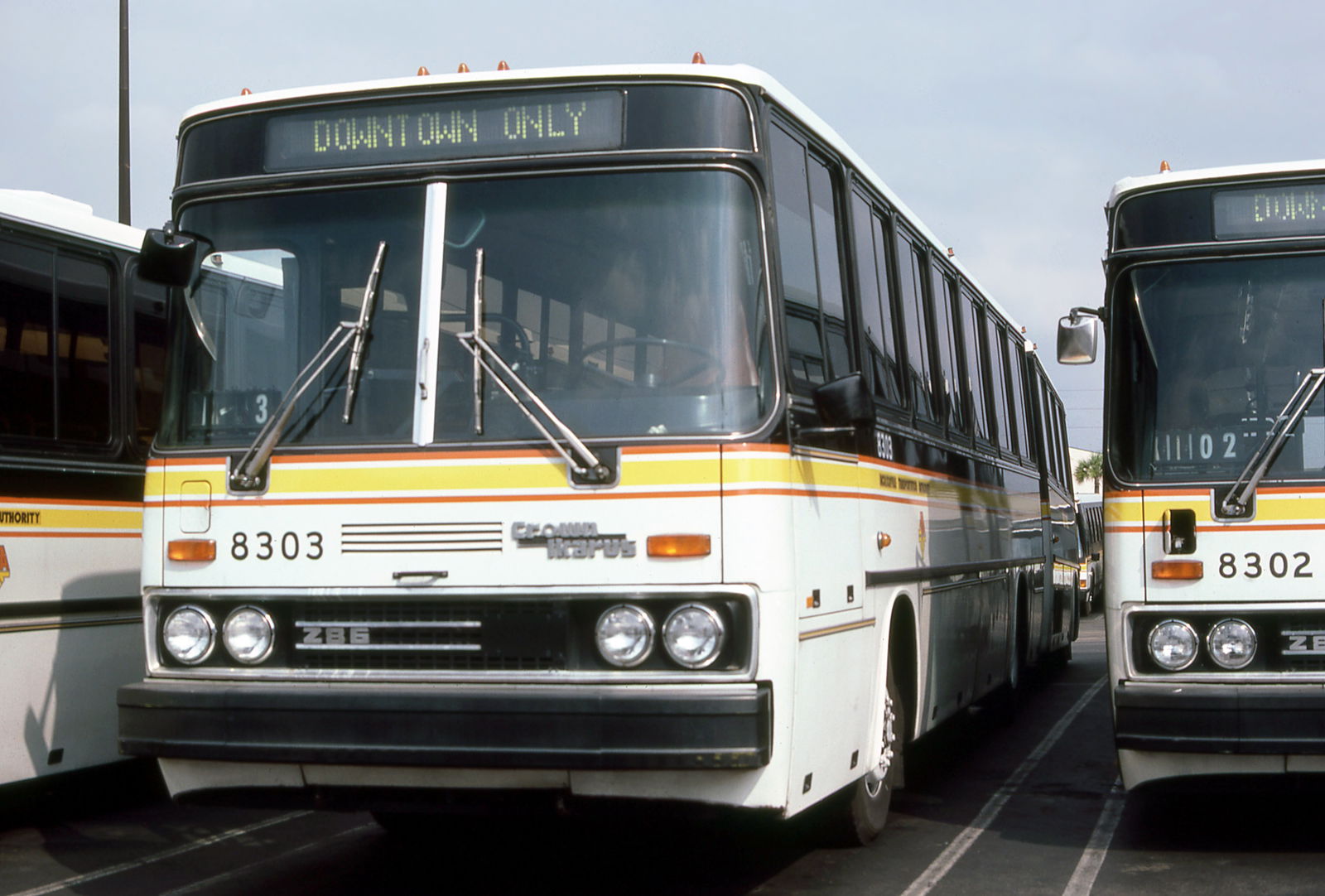
The case of Portland operator Tri-Met generated the greatest attention of all, as operating the Crown-Ikarus buses posed serious challenges for the company. While also planning the construction of its first light rail line, Tri-Met was seeking a solution to increase capacity on its main regional bus routes. By then, the use of articulated buses in urban transport was already widespread in Europe, but it was still a novelty in the United States. Two European manufacturers, Ikarus and MAN, therefore submitted bids for the procurement tender. Although the company would have preferred MAN’s design on professional grounds, federal procurement rules required it to accept the lowest valid bid – which came from the Crown-Ikarus consortium.
The first Crown-Ikarus 286s entered service in Portland in January 1982, but the initial experience was unfavourable. There were particular problems with the operation of the doors and windows, attributed to insufficiently coordinated integration of the Hungarian bodywork and American components. The faults were rectified partly by the manufacturers and partly by the operator itself. In 1985, Tri-Met lodged an official complaint with the manufacturers, accusing Crown-Ikarus of failing to meet its warranty obligations. Because of the faults, several buses were at times unable to enter service for days. Although the company also threatened legal action, an out-of-court settlement was ultimately reached after a 17-month negotiation process, under which the manufacturers undertook to extend the warranty period.
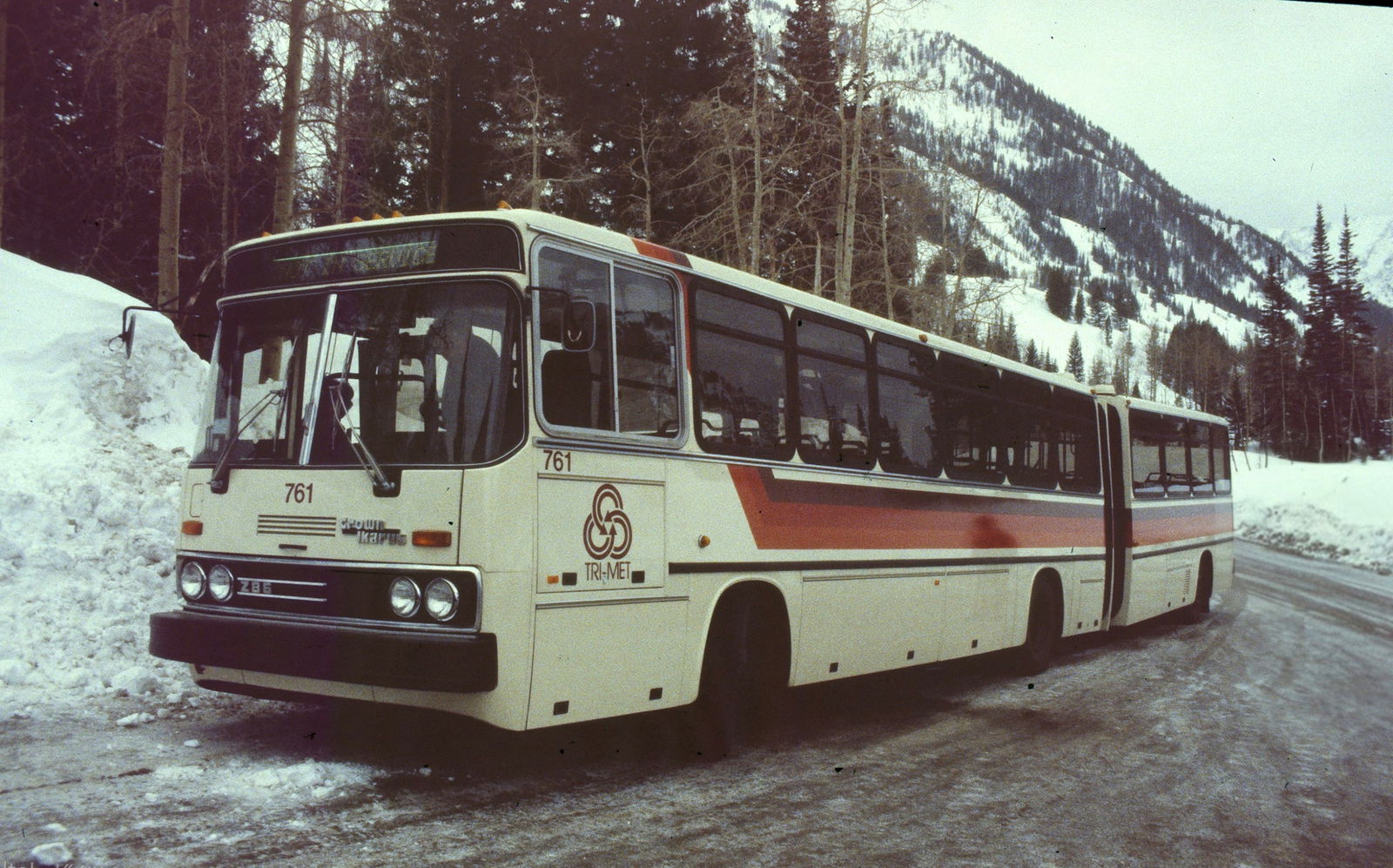
With regard to Portland, it is worth noting that in the final years of operation, both Ikarus and NABI received a study from Tri-Met’s specialists detailing the repairs, refurbishments and potential modernisation required for continued operation – all with the aim of retaining the previous low-cost operation requiring minimal maintenance. NABI prepared a detailed proposal, and together with the operator began the conversion and refurbishment of one vehicle. One example was completed and another was under preparation, but owing to the high costs – major assemblies were also replaced, among other work – the total cost of modernisation approached the price of a new vehicle. It was therefore decided not to continue the programme and to phase out the type in the United States.
Despite minor setbacks, the Ikarus 286’s American career represented a significant milestone not only in the history of Hungarian bus manufacturing, but also for the country’s vehicle industry as a whole. During the project, Ikarus engineers not only created a high-capacity articulated vehicle, but also successfully adapted to the different technical, regulatory and business environment of the North American market. The Ikarus 286 was a novelty overseas, and although American passengers initially criticised its high floor level – reflecting the ergonomic compromises of the 200 series’ 1960s design – Ikarus nevertheless successfully positioned itself as a viable alternative for transport operators seeking modernisation.
Although the Crown-Ikarus collaboration lasted only a few years, strategically it laid the foundations for the Hungarian manufacturer’s presence overseas and provided valuable experience for later production in the form of the American joint venture NABI. While Crown Coach’s financial difficulties, production and operational challenges, and the market’s technological and commercial transformation all played a part in ending the partnership, the legacy of the Ikarus 286 is indisputable. Moreover, the type’s North American story did not end in the United States: its career continued in Canada, opening another chapter in the Hungarian vehicle industry’s presence in foreign markets.