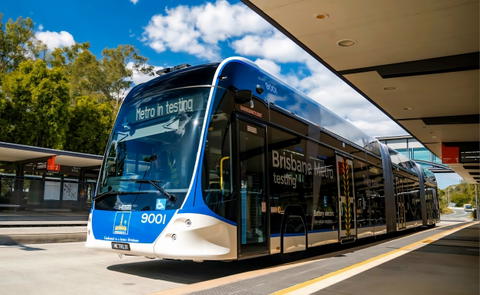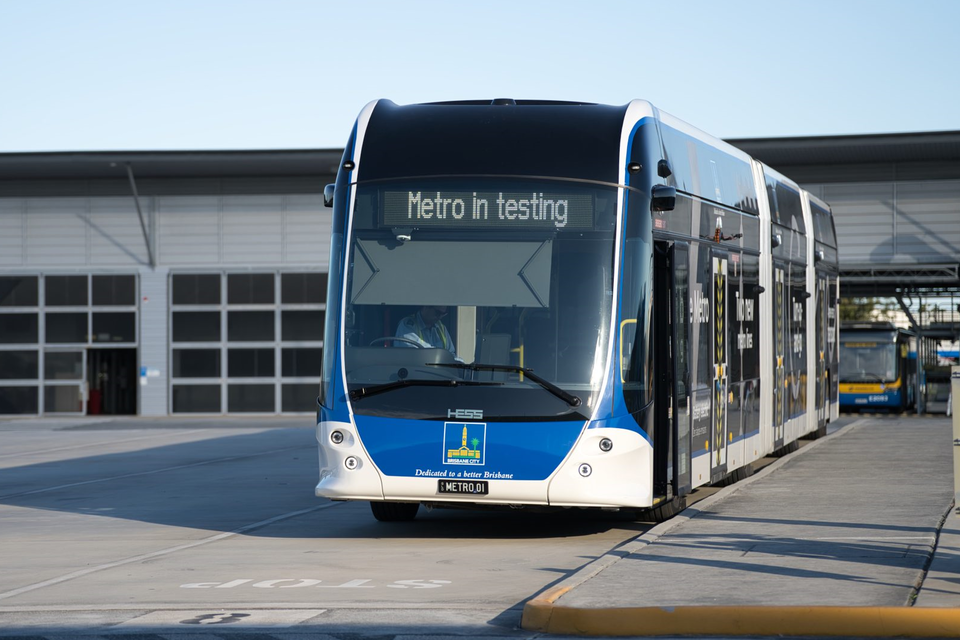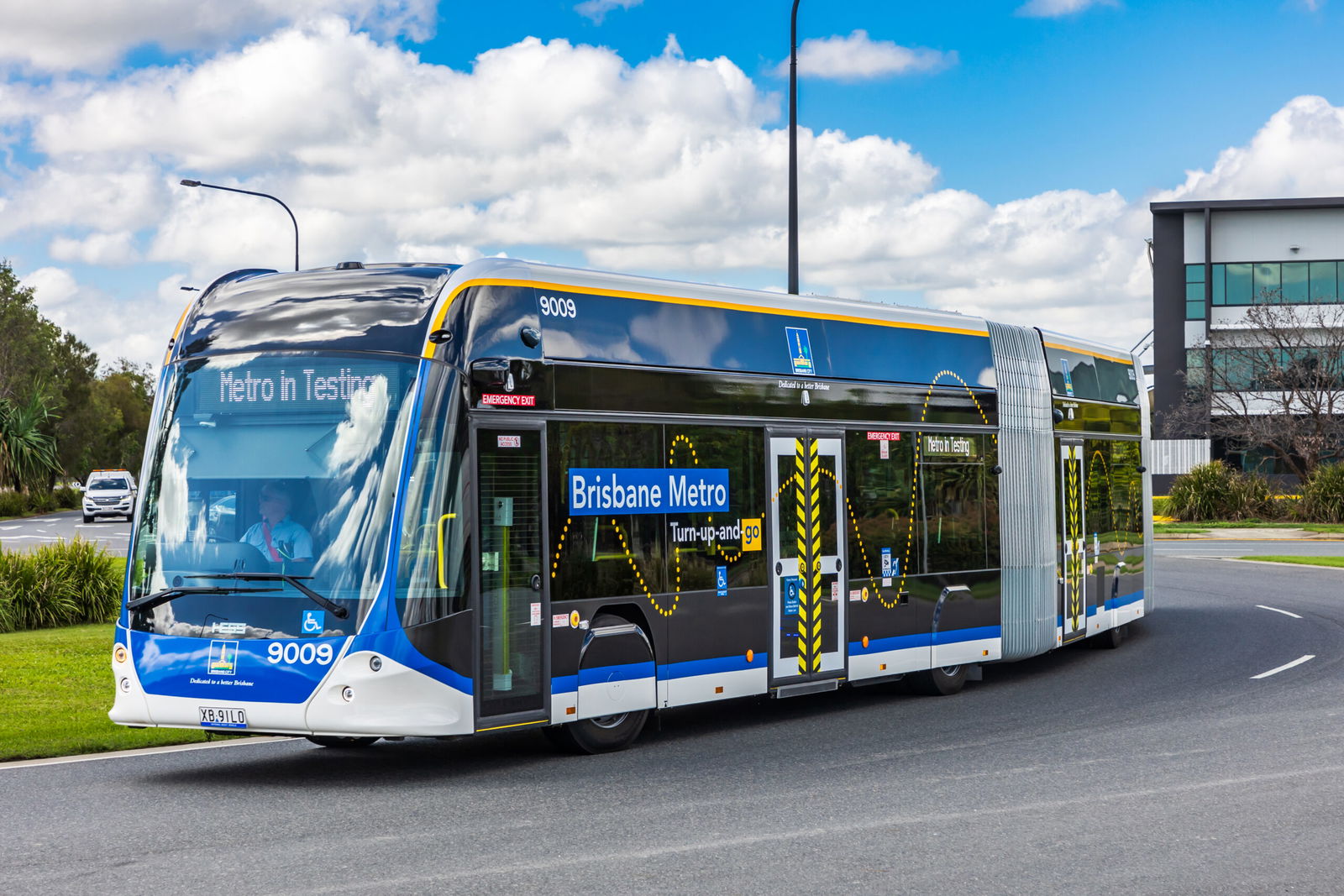
Brisbane, Australia, to launch metrobus service with double-articulated Hess electric buses
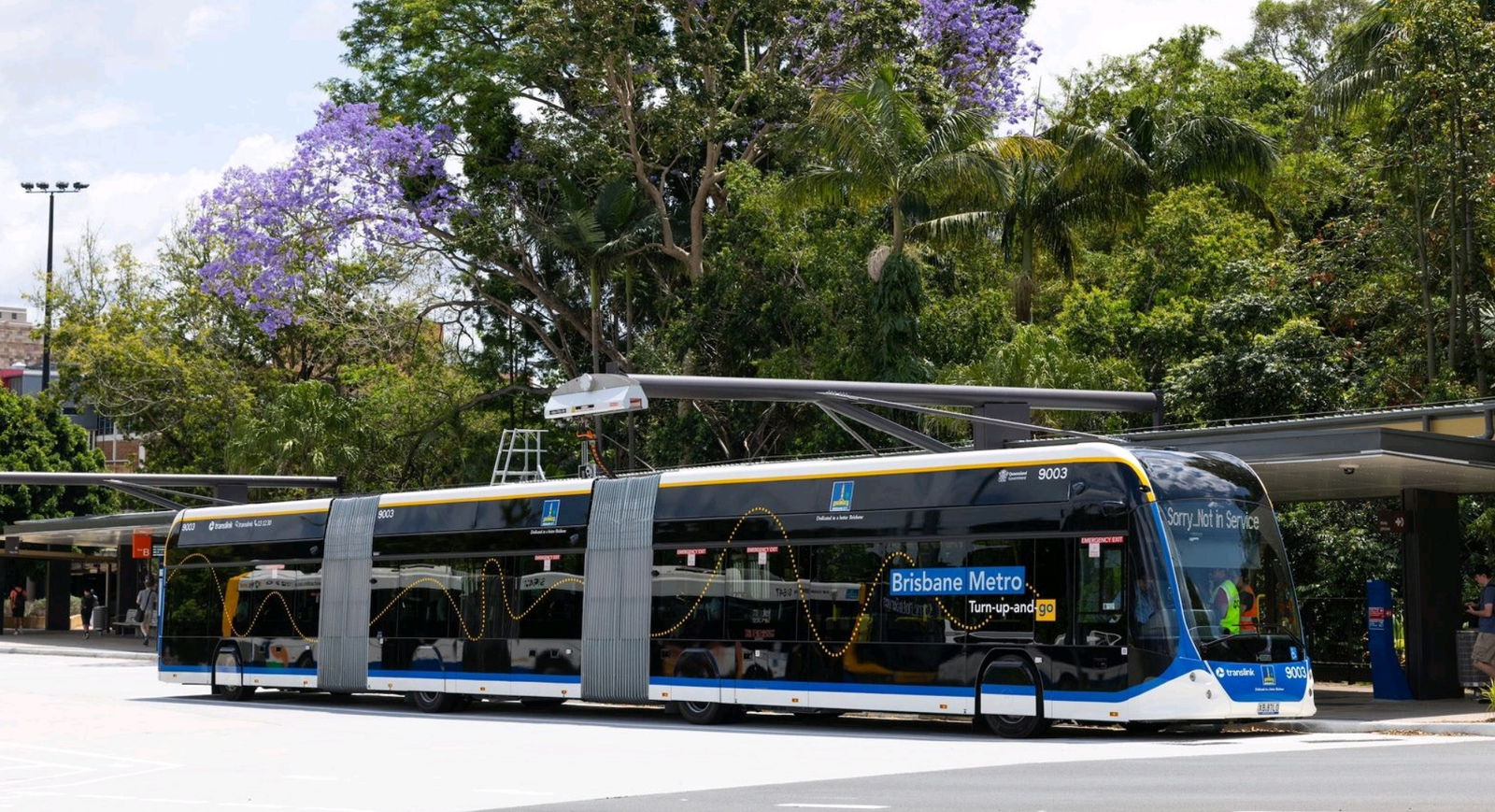
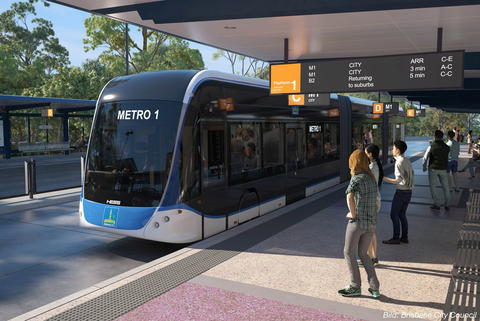
More than 16,300 kilometres from the Swiss headquarters of Hess, in the Australian city of Brisbane, within weeks sixty super-long Hess lighTram 25 electric buses will enter service on the newly established BRT network in the city of 2.5 million inhabitants. From late 2024, the vehicles will operate in bus lanes segregated from other traffic on the network comprising two routes (M1 and M2), totalling 21 kilometres in length and serving 18 stops, which links the city centre with the surrounding metropolitan area and is consistently referred to as a metro by the local authority in official communications. The Brisbane Metro network, created at a cost of $1.24 billion, is one of the city’s largest transport development investments of recent years and will also play a significant role in preparations for, and the staging of, the 2032 Olympics.
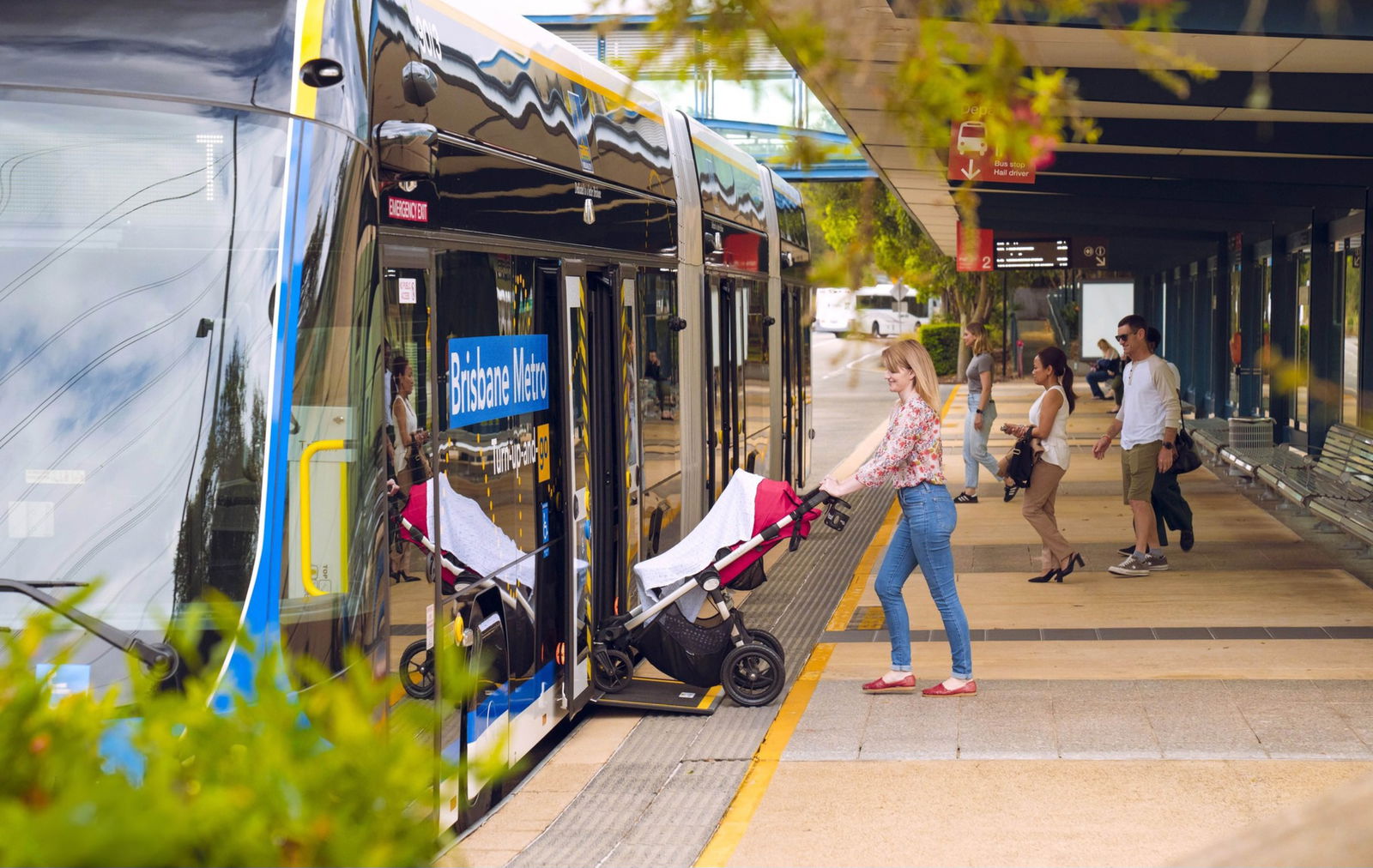
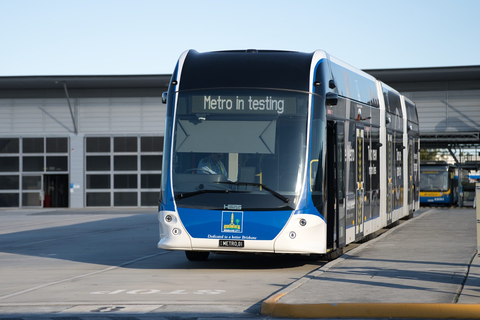
Full-capacity service on the two new routes is expected to begin in late 2024 or early 2025; however, following 18 months of intensive vehicle testing, passenger trial operation has already begun in recent days on route 169, giving travellers the opportunity to familiarise themselves with the new Hess electric buses and the service before the official launch of the M1 and M2 main lines. The selection of route 169 was also practical because it already operates on an established bus corridor, facilitating testing and the introduction of the service. On the M1 and M2 routes, the vehicles will run at three-minute intervals during peak periods, increasing the capacity of the public transport network linking the city centre and the surrounding metropolitan areas by 50%.
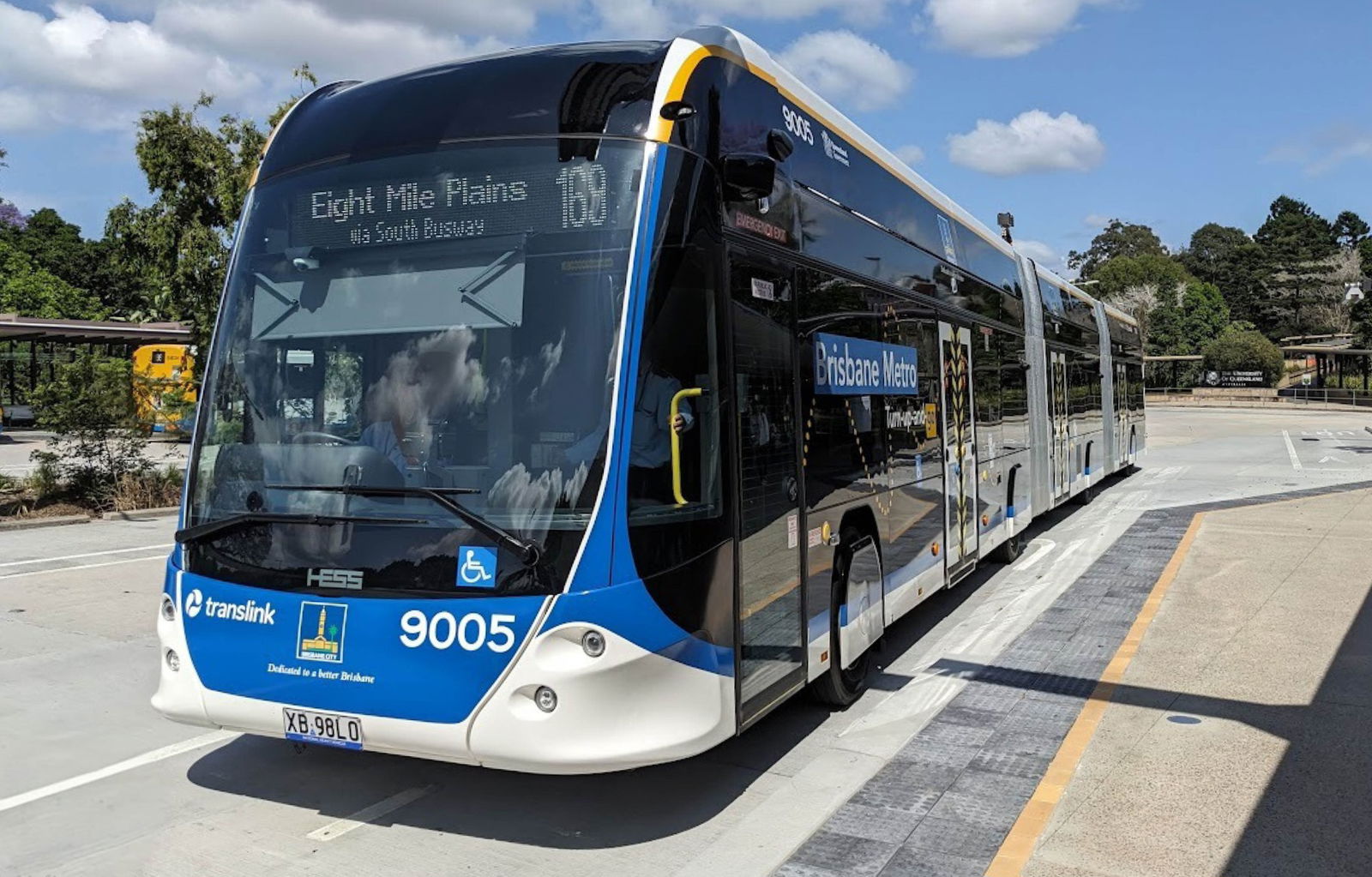
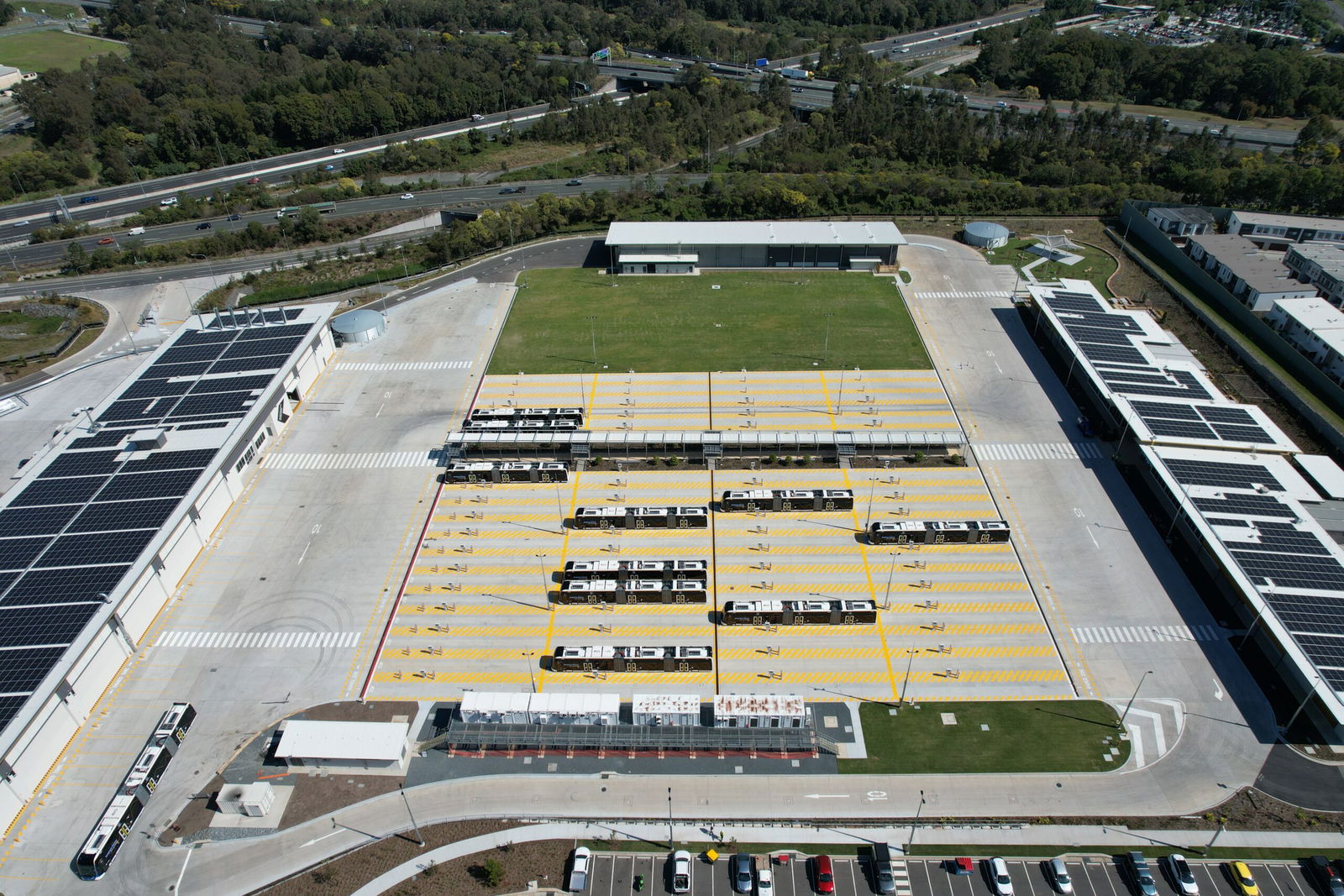
The implementation of the project involved major infrastructure investments, including tunnel construction, station development, the construction of pedestrian and cycle routes, the installation of fifteen 600 kW rapid-charging units at stops and termini, bridge upgrades and the creation of a vehicle depot. Built on a site of more than ten hectares, the bus garage is Australia’s largest electric bus depot. The facility houses sixty 50 kW plug-in chargers and five rapid-charging stations, while more than 2,300 solar panels have been installed on its roof, generating clean energy equivalent to the annual energy consumption of 280 homes. The depot chargers are used only for off-peak and overnight charging to optimise grid load, with charging controlled by an energy load-management system.
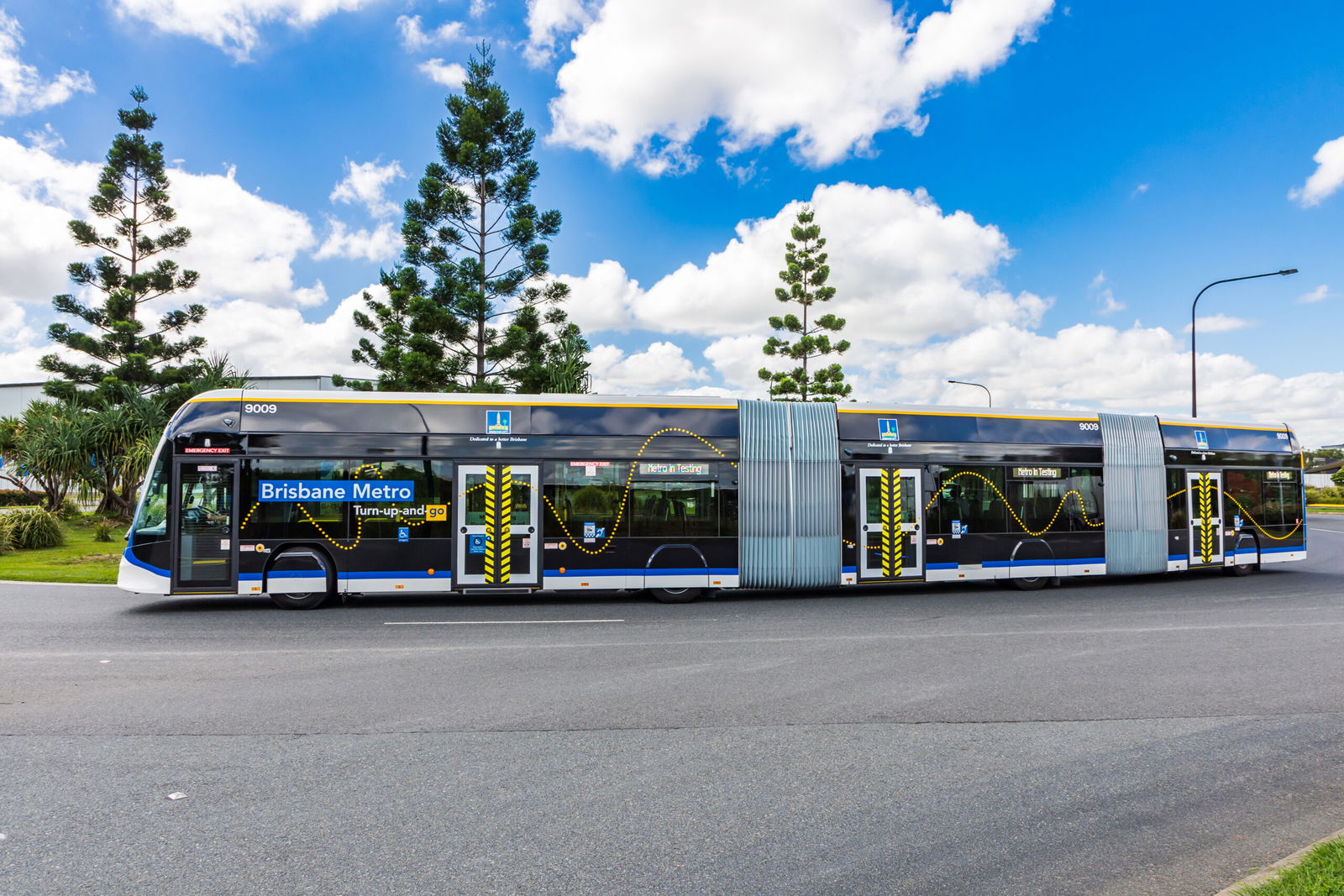
The prototype of the 60-strong Hess fleet arrived in the city in April 2022, and it was only after comprehensive on-road testing covering manoeuvrability, energy consumption, range, braking system, passenger flow and so on that the city administration decided to order the remaining 59 vehicles. The vehicles have been arriving in the city continuously since December 2023 via Volgren, wholly owned by Marcopolo, as the Australian bus manufacturer is carrying out the final assembly of the almost 25-metre buses.
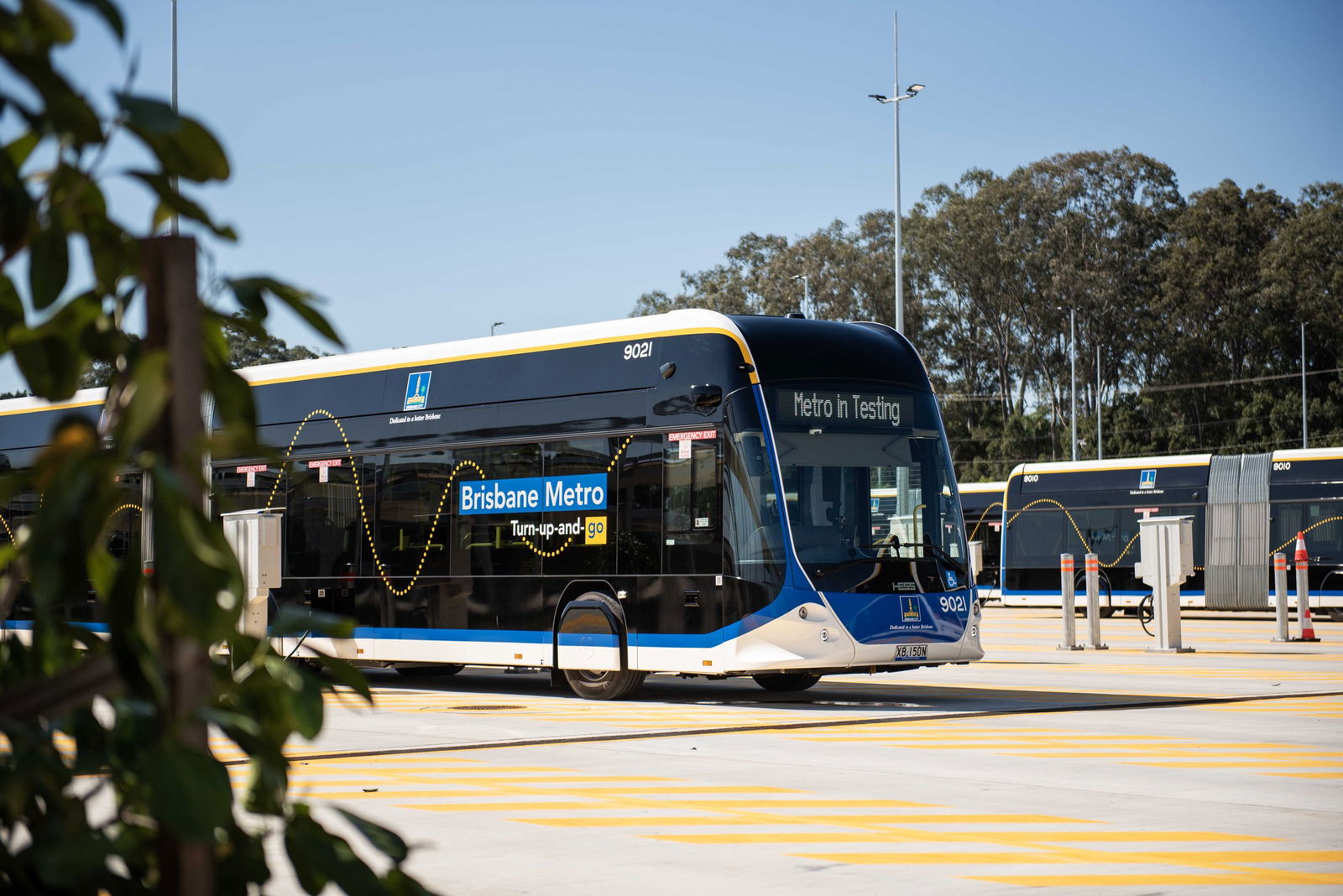
The infrastructure for charging the vehicles’ batteries was supplied by Hitachi Energy, the joint subsidiary of Switzerland’s ABB and Japan’s Hitachi. Developed by ABB engineers, the rapid-charging solution formerly known as TOSA and now called Grid-eMotion® charges the energy storage units on the M1 and M2 routes via overhead charging-arm poles, at up to 600 kW. The laser-guided interface mounted on the roof of the buses can automatically connect to the charging poles in less than one second once the door brake has been applied. During passenger exchange, the system can charge the lithium-titanate-oxide batteries installed on the roofs of the buses with enough electricity in twenty seconds to reach the next stop. Fully charging the energy storage units takes just six and a half minutes using the rapid-charging system.